
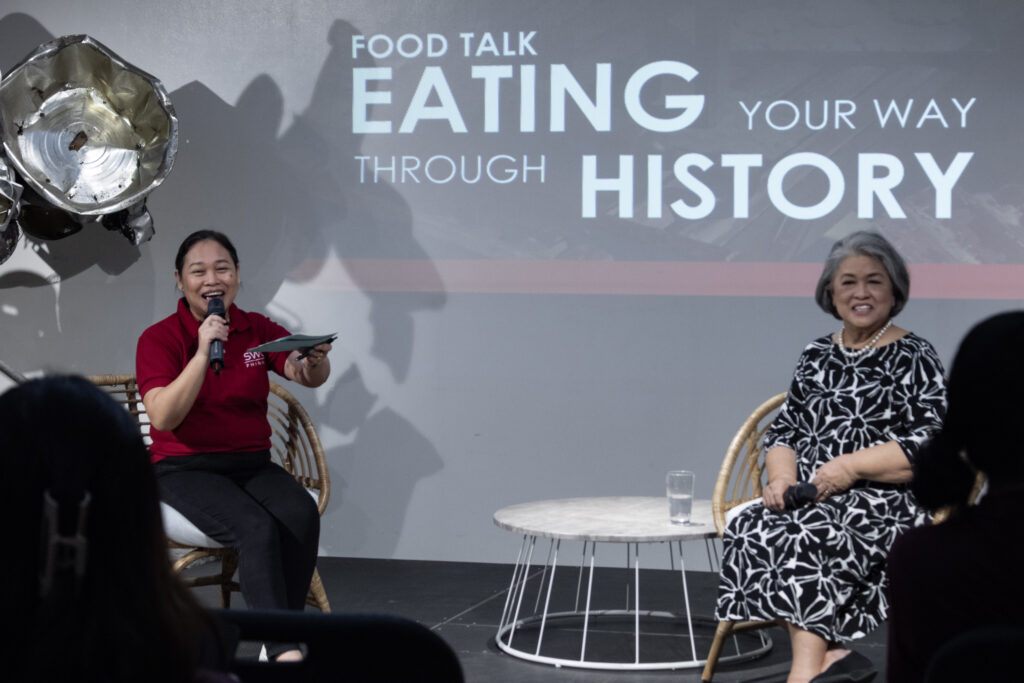
The Kabilin Center hosted a captivating Food Talk titled “Food Talk: Eating Your Way Through History,” an enriching complement to the ongoing exhibit “Around the Table: Haon sa Sugbuanong Lasa.” This engaging event features renowned food historian Louella Eslao-Alix, who will guide participants on a delectable journey through the rich tapestry of Cebuano cuisine. Attendees will explore the use of indigenous ingredients, traditional cooking techniques, and the profound influence of Spanish colonization on local culinary practices. This event promises to unveil fascinating stories and insights about the history and evolution of our beloved food heritage.
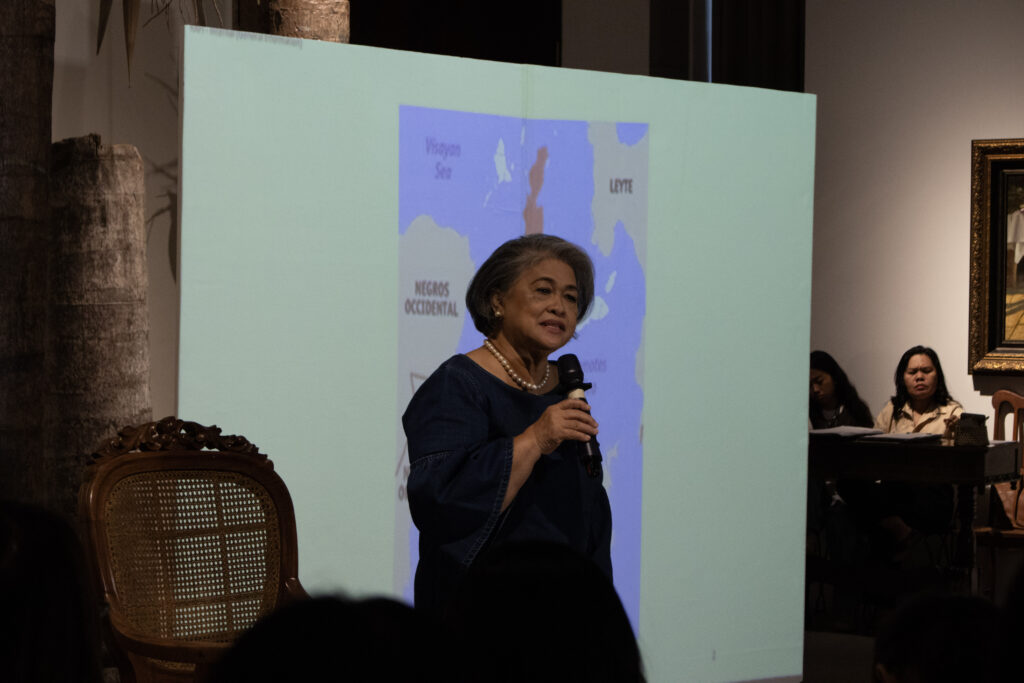
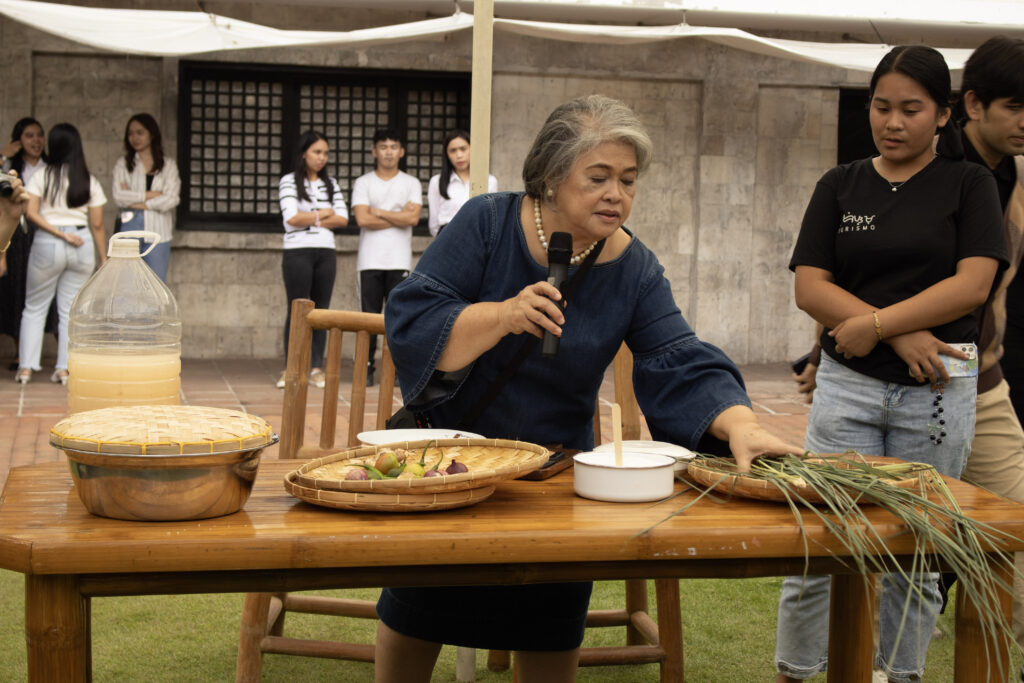
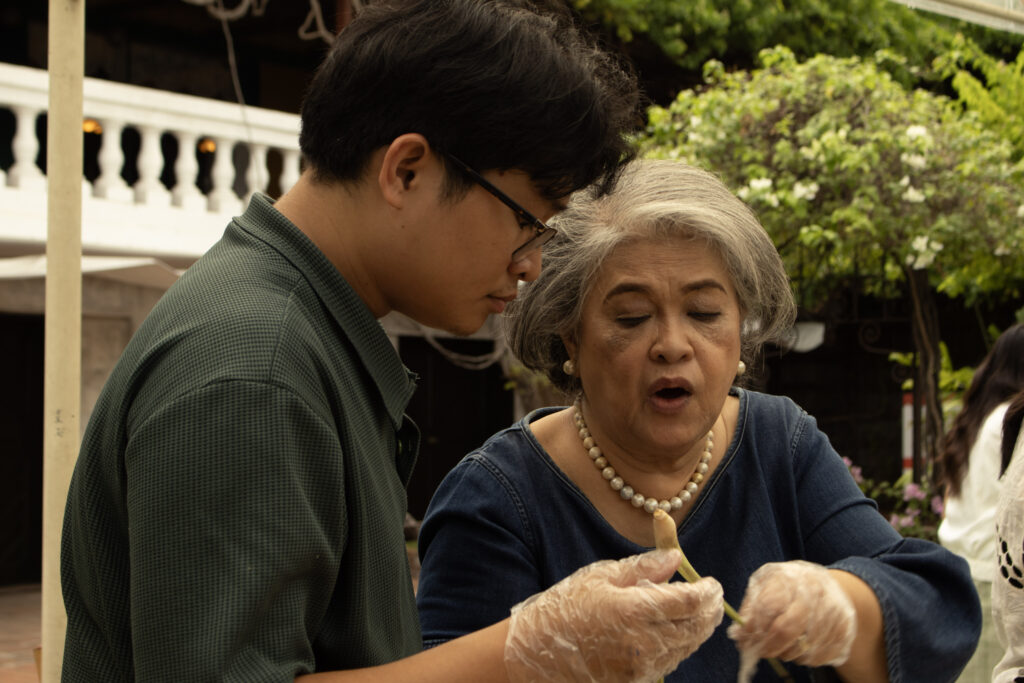
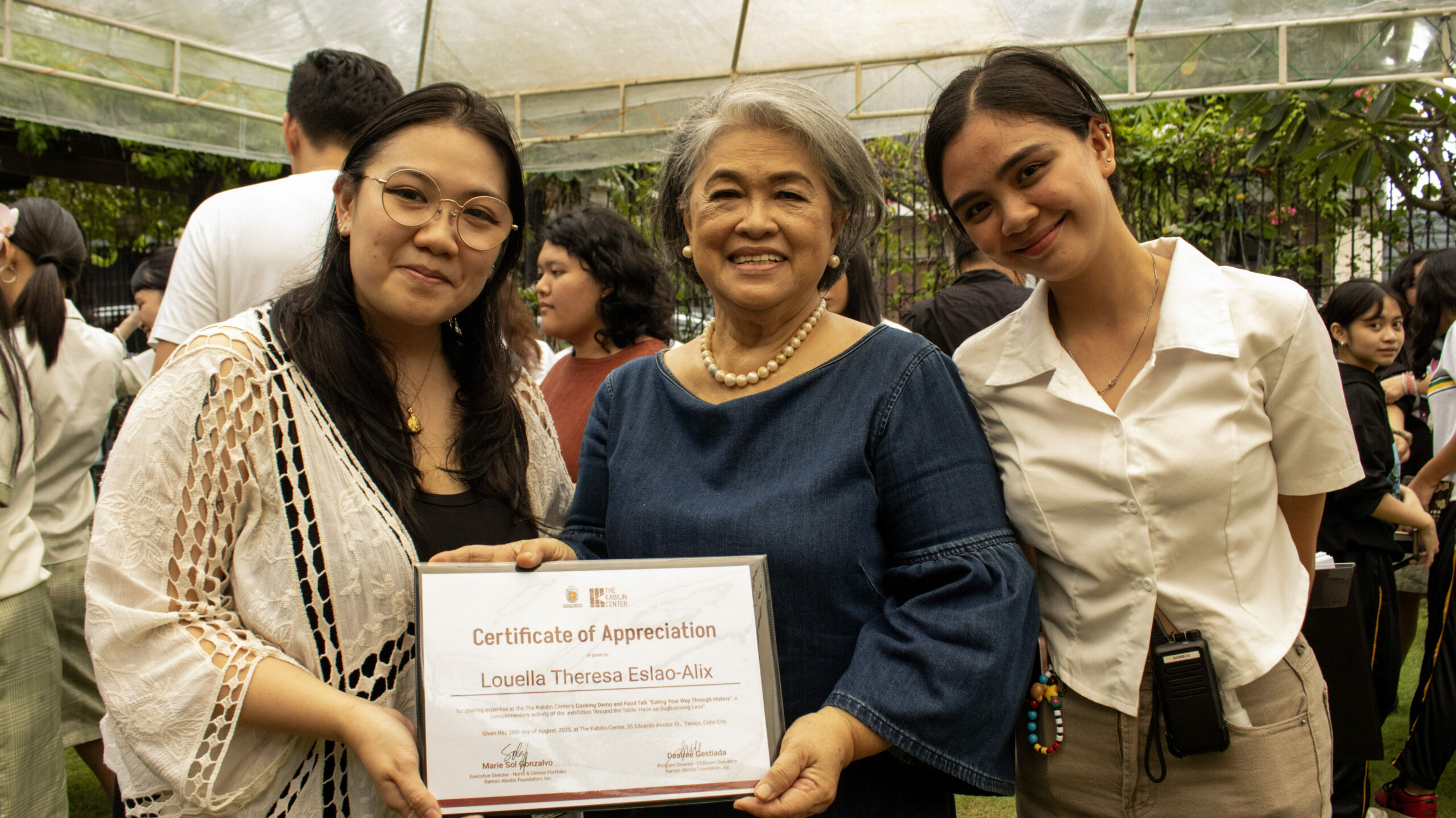
The session took place on August 28 at The Kabilin Center Gallery, attracting a vibrant group of Arts and Design senior high students from the University of San Carlos (USC). During this session, students were treated to an interactive cooking demonstration led by Louella Alix, where they had the unique opportunity to prepare kinilaw nga isda, a traditional Filipino dish made with fresh fish marinated in vinegar and citrus.
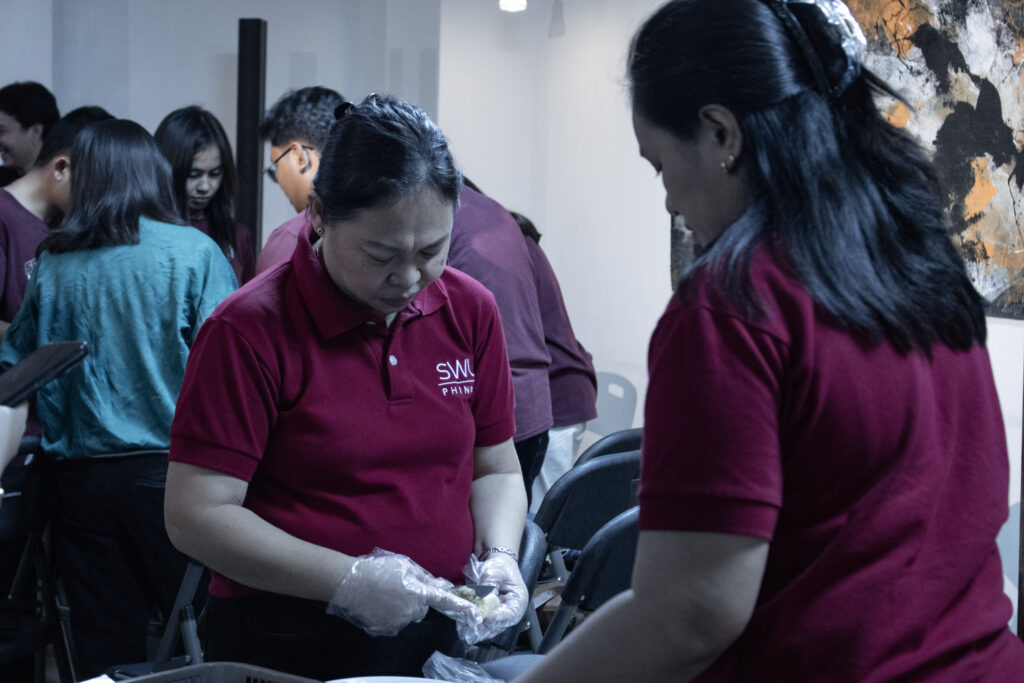
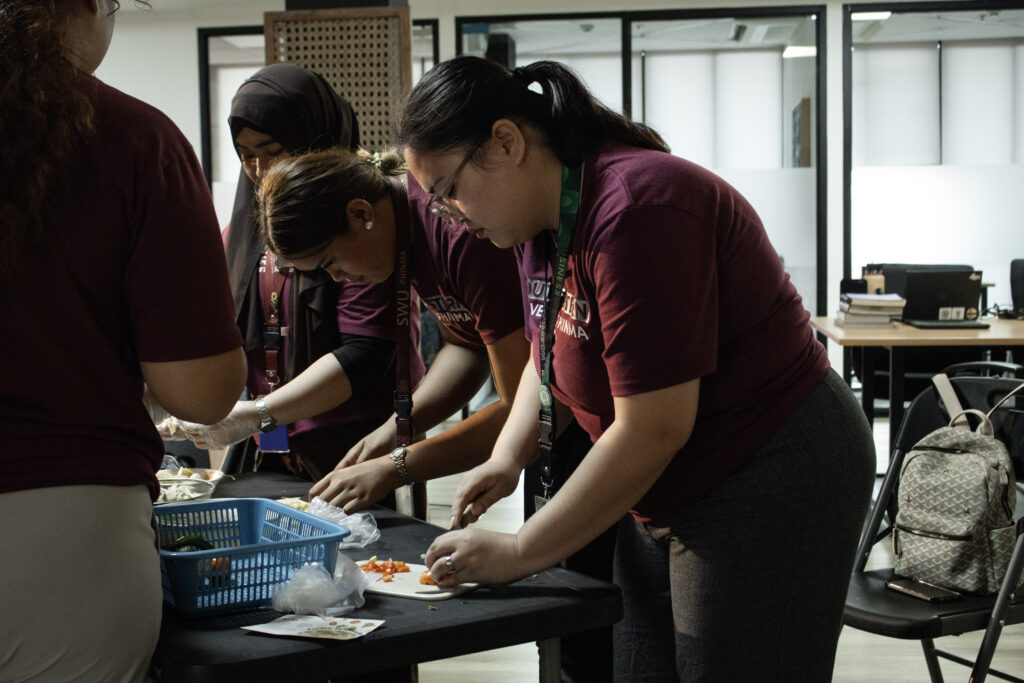
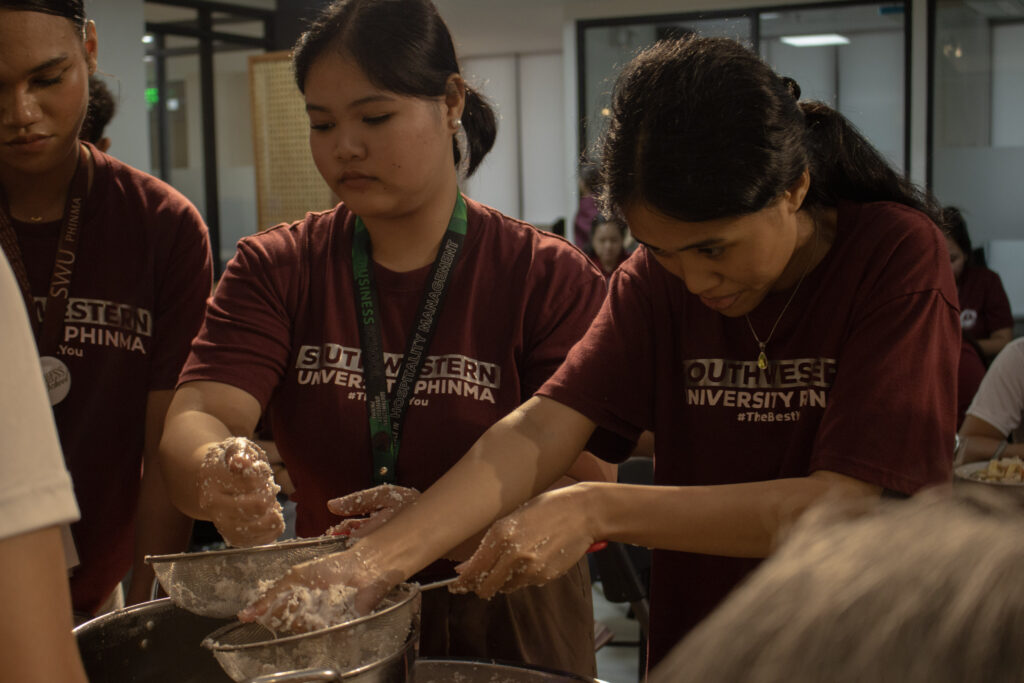
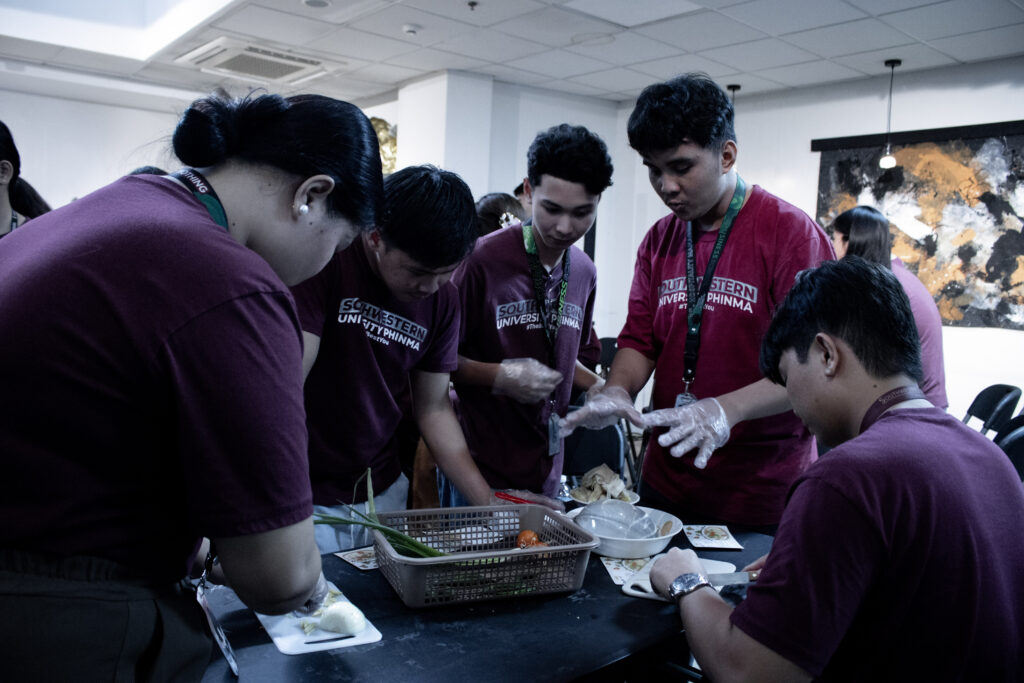
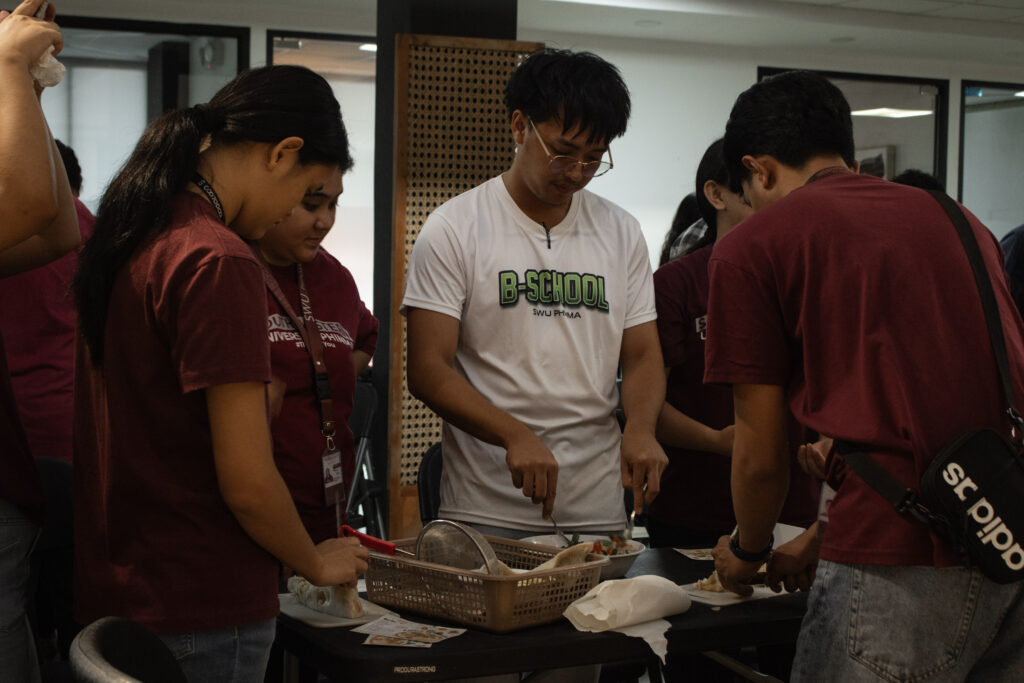
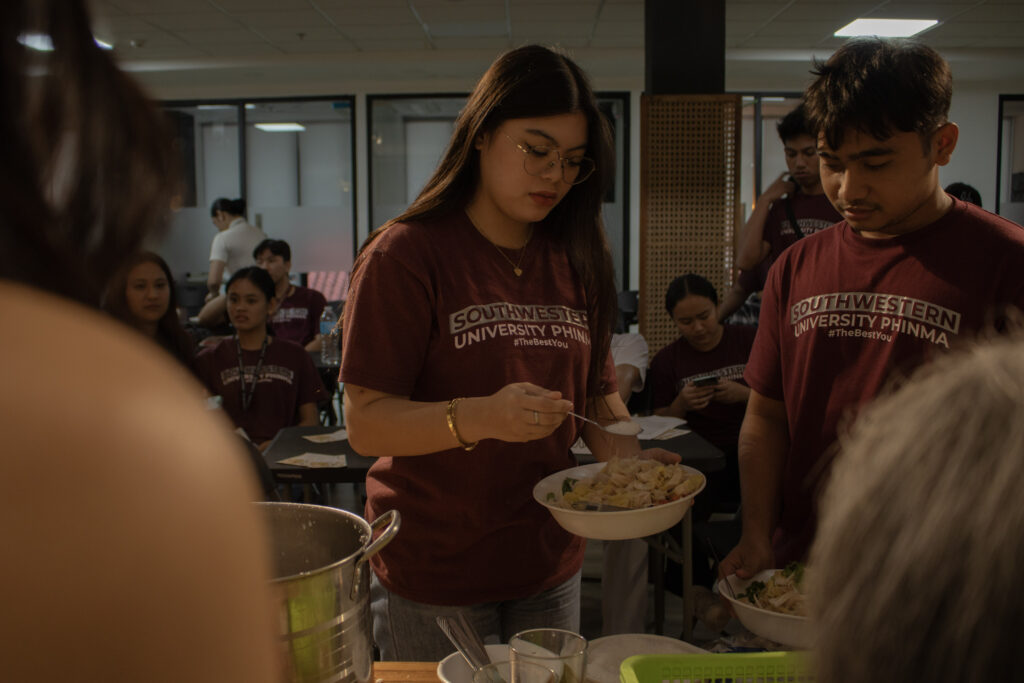
Following the success of the first session, the second installment of the Food Talk was held on September 12 at TKC’s Open Space, featuring eager participants from the Hospitality and Restaurant Management (HRM) program at South Western University – PHINMA. This session similarly included a hands-on cooking demonstration, allowing students to create kinilaw nga Nangka, a unique variant that showcases the use of young jackfruit, highlighting the creativity and adaptability of Cebuano cooking.
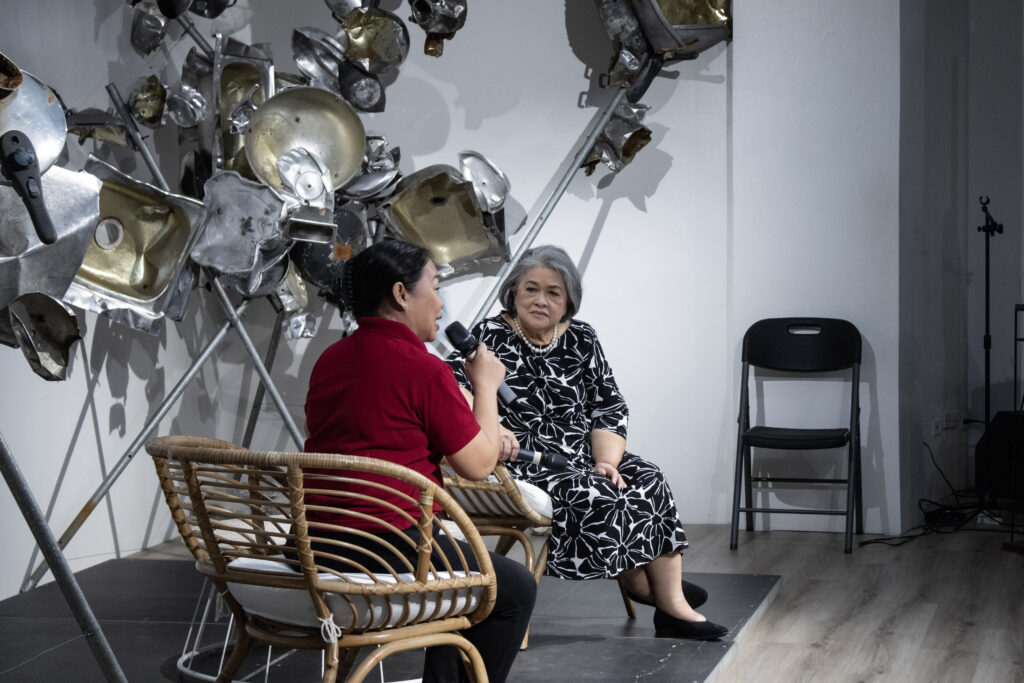
Both sessions provided not only practical culinary skills but also rich insights into the diverse flavors and cultural significance of Cebuano cuisine. Participants delved into discussions about indigenous ingredients, explored traditional preparation methods, and examined how centuries of colonization have shaped contemporary culinary traditions in the region. This series aims to foster a deeper appreciation for Cebuano food culture and inspire a renewed passion for local culinary arts among the youth.