Another requisite for the celebration of the Holy Mass are the sacred vestments and linens. Their preparation is done in the sacristy where they are also cared for and kept in special cabinets.
Vestments
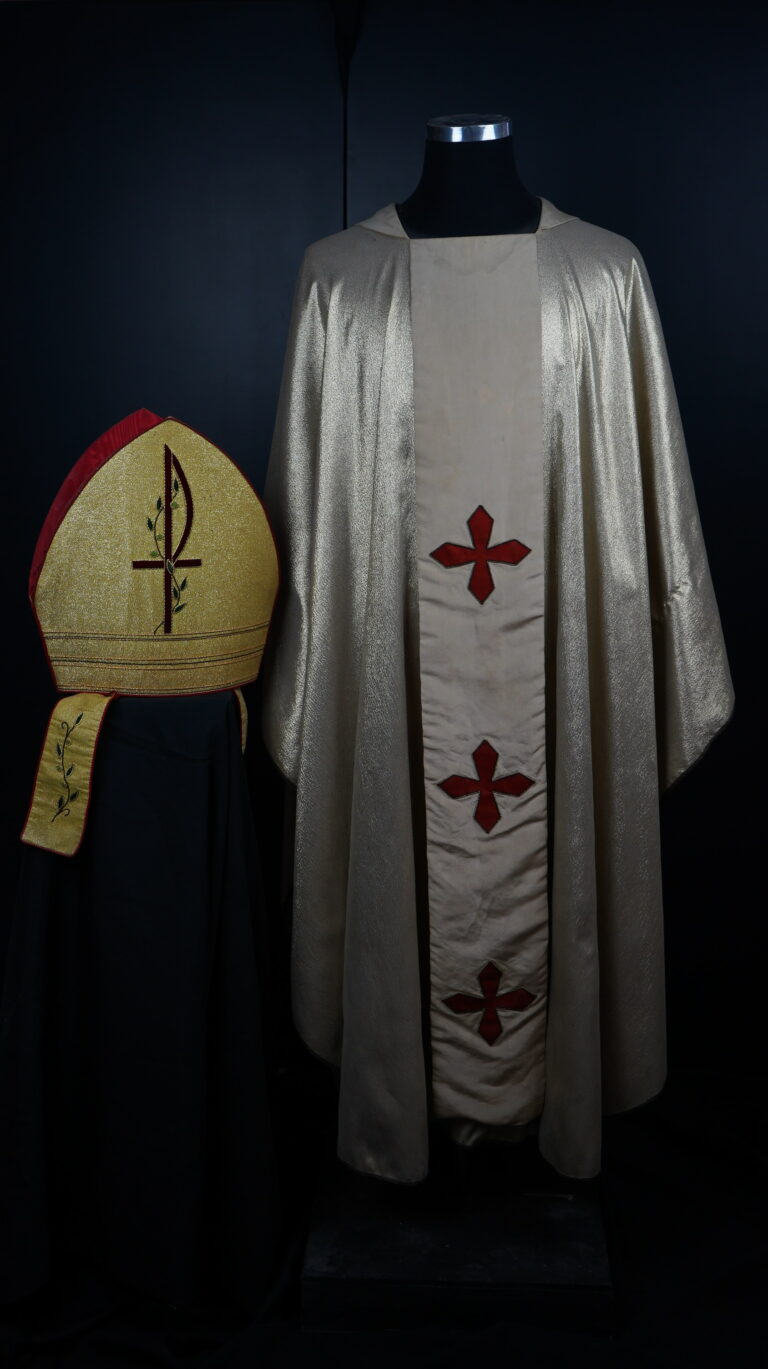
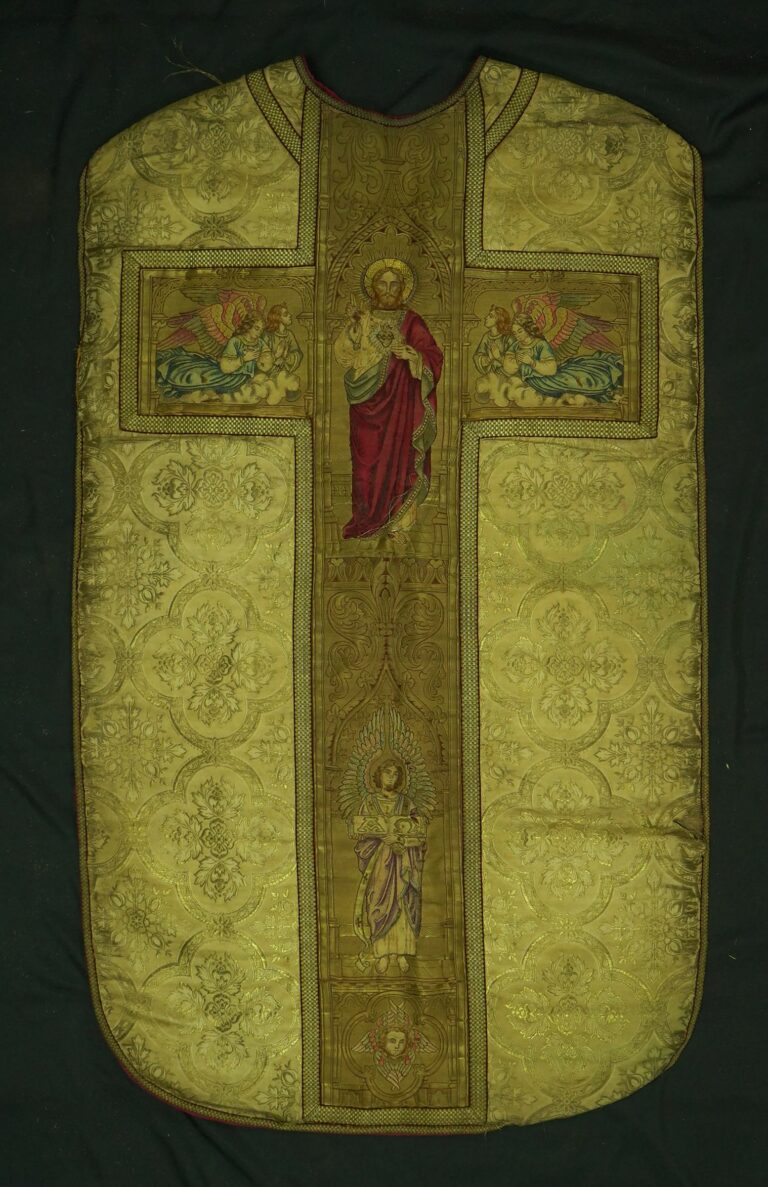
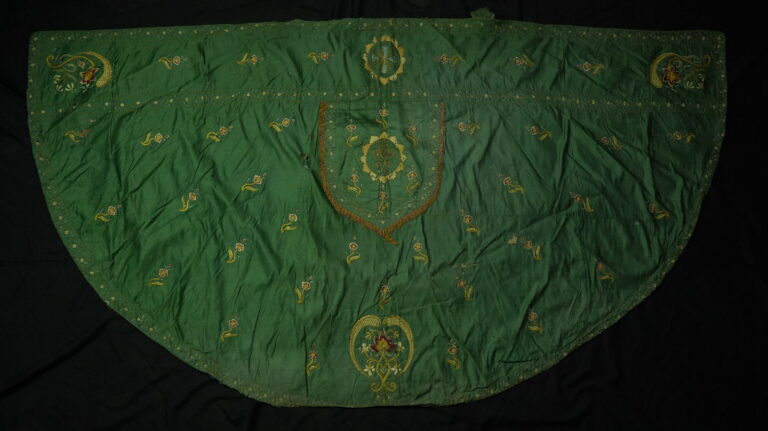
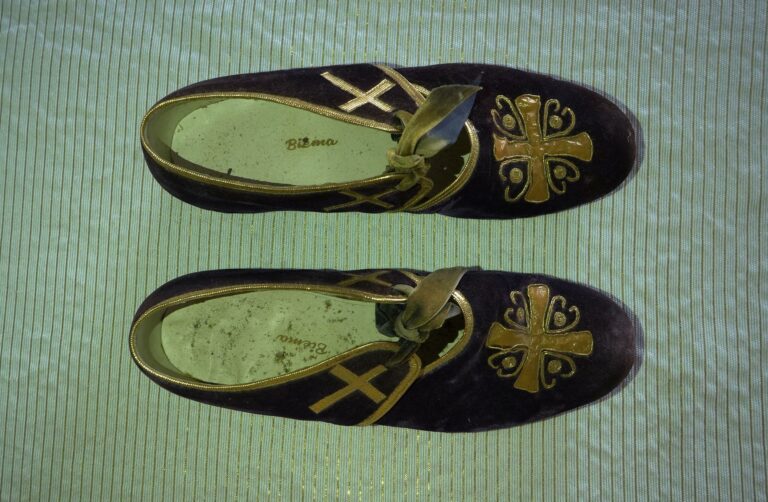
Different sacred vestments are appropriate for the use of the priests, deacons, and other ministers of the church. Aside from indicating the office of the minister, vestments also carry with them another level of symbolism, one that uses the language of colors. The faithful are then asked to be more attentive of this liturgical language as the vestments to be used for the celebration change according to the proper color of the day, the feast or the season of the church calendar.
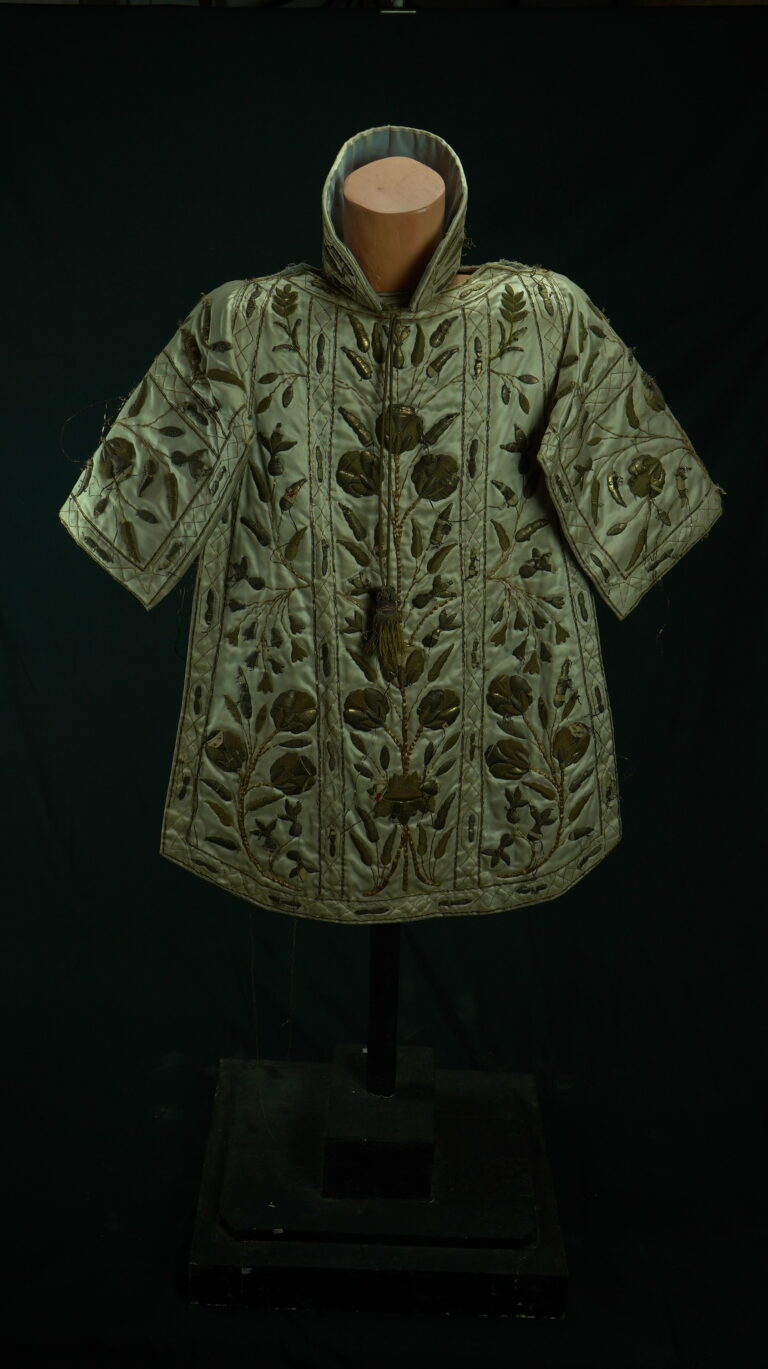
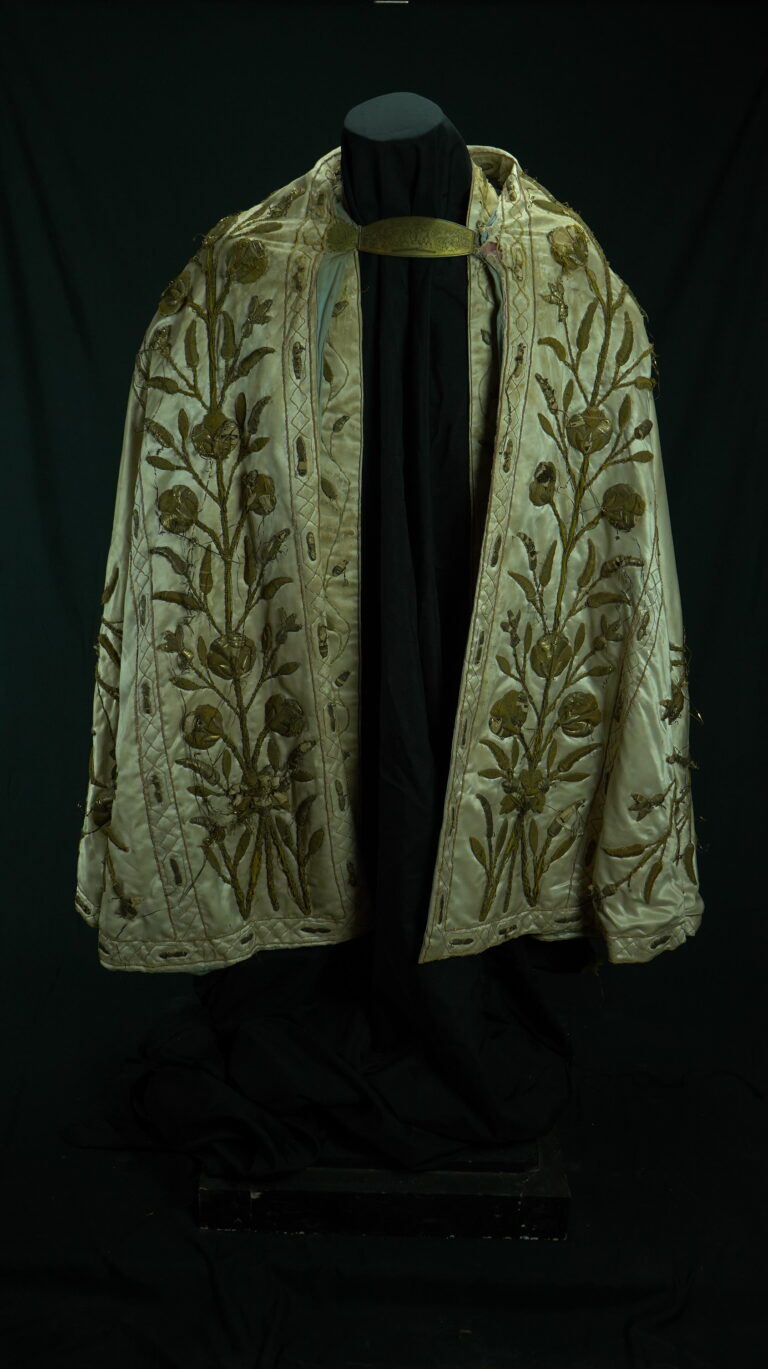
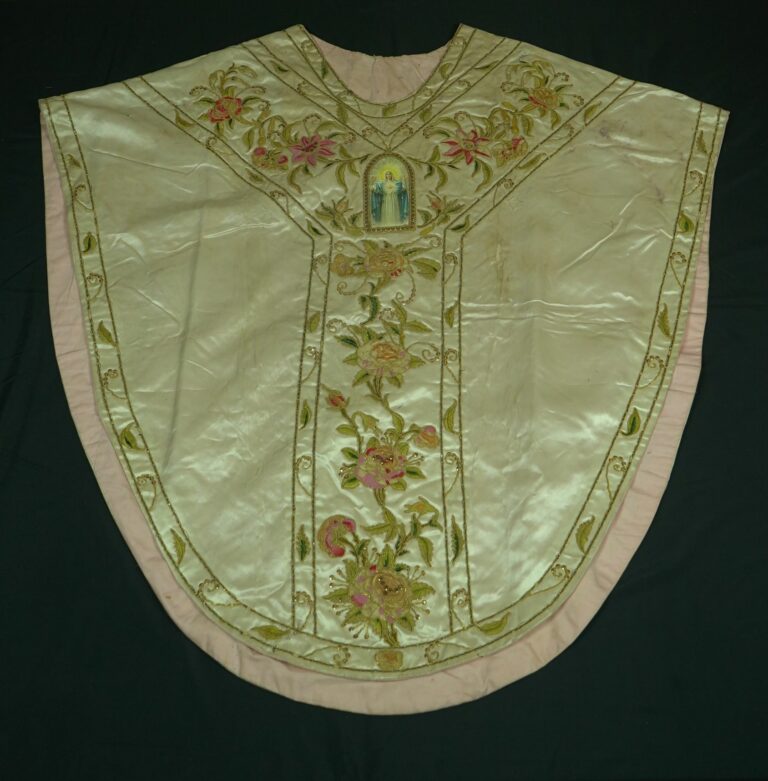
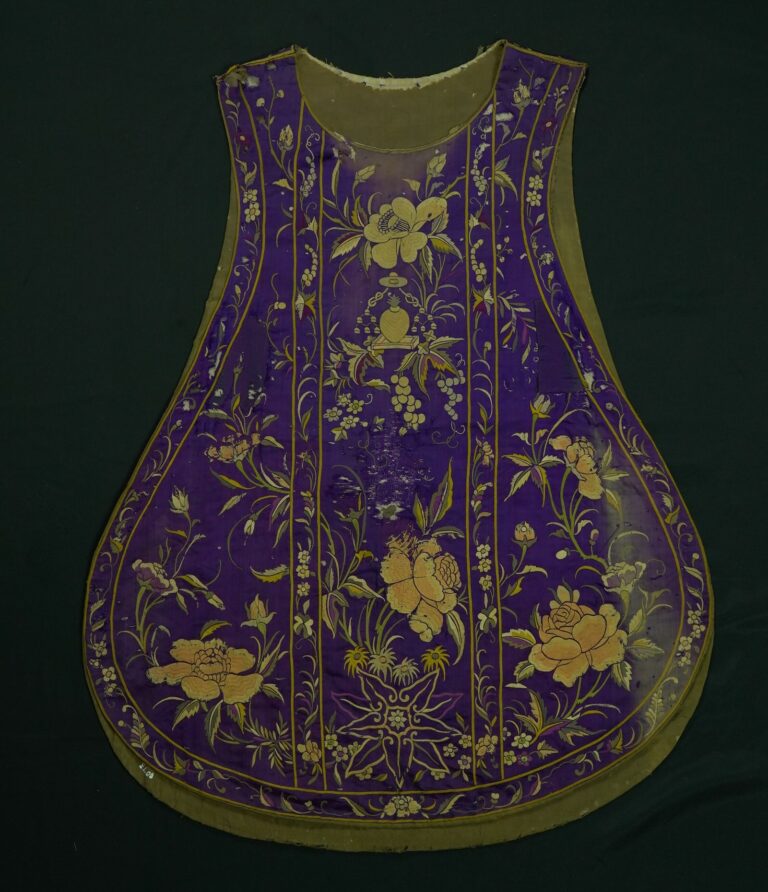
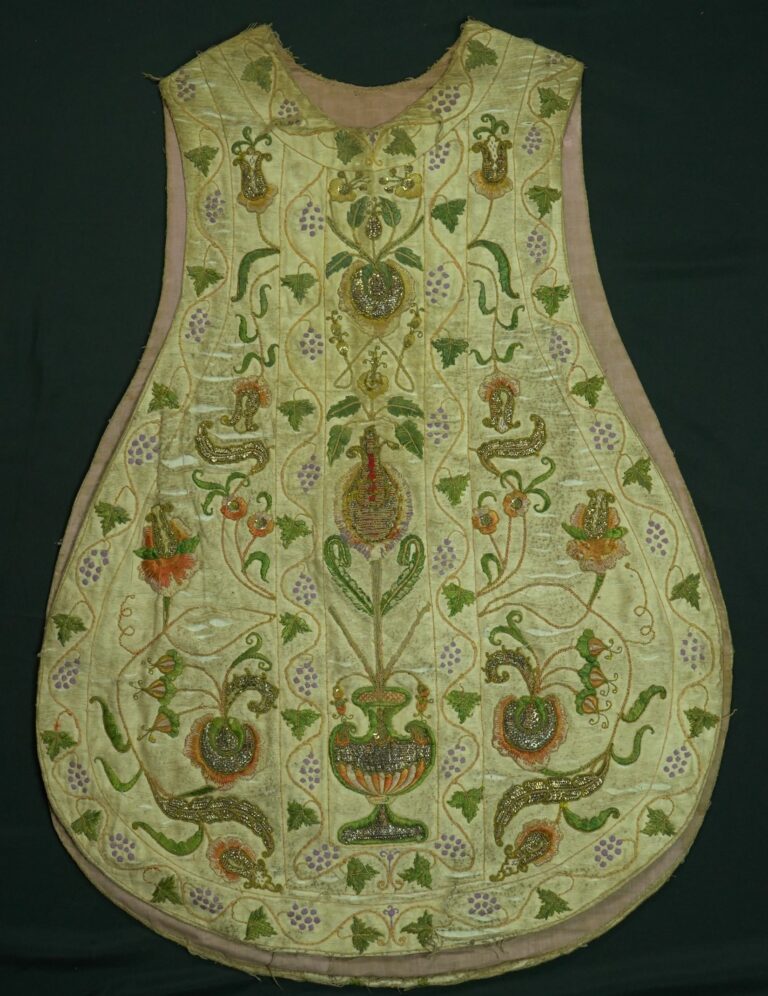
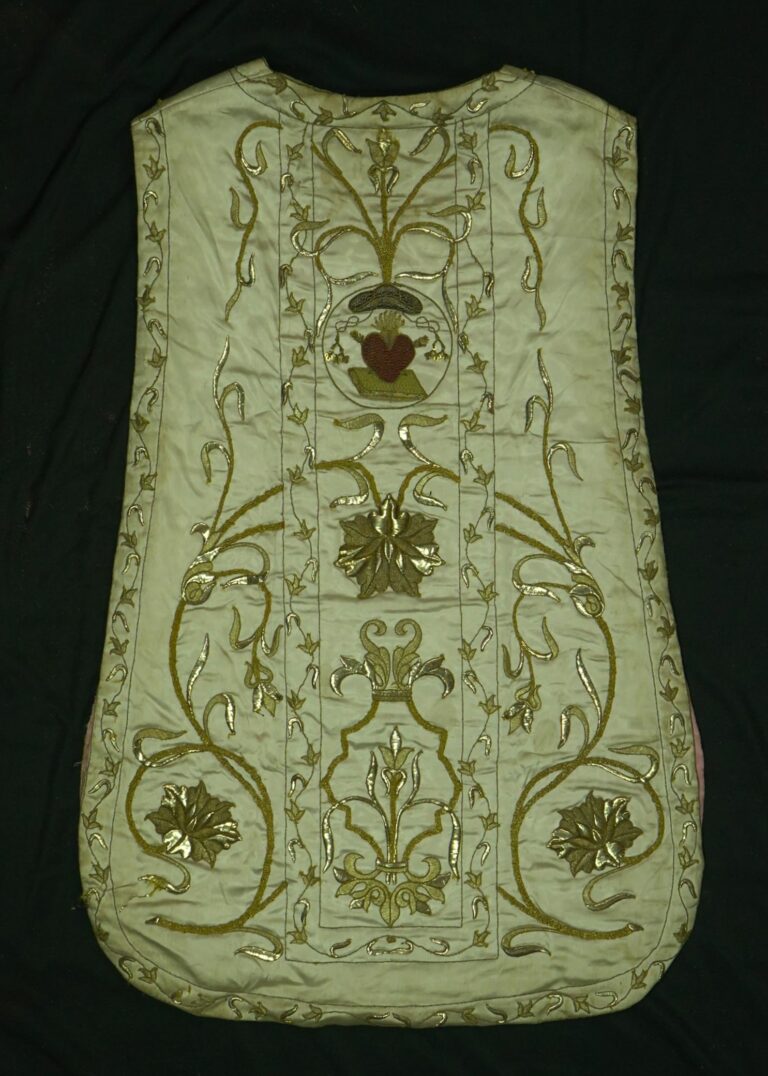
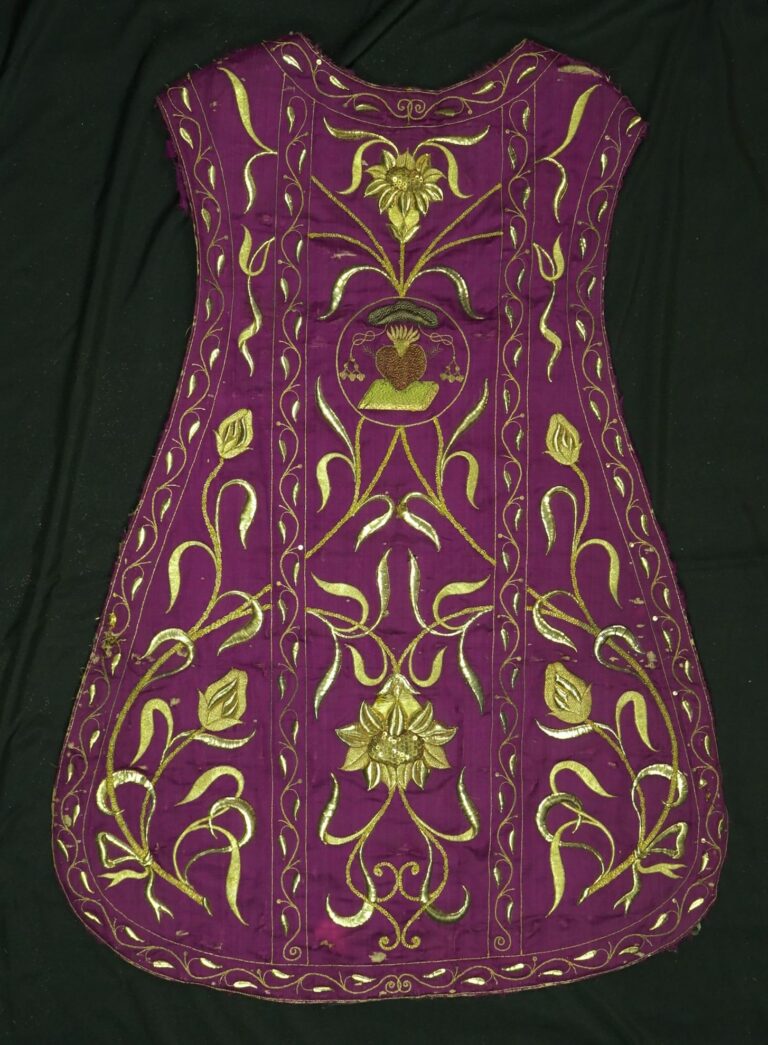
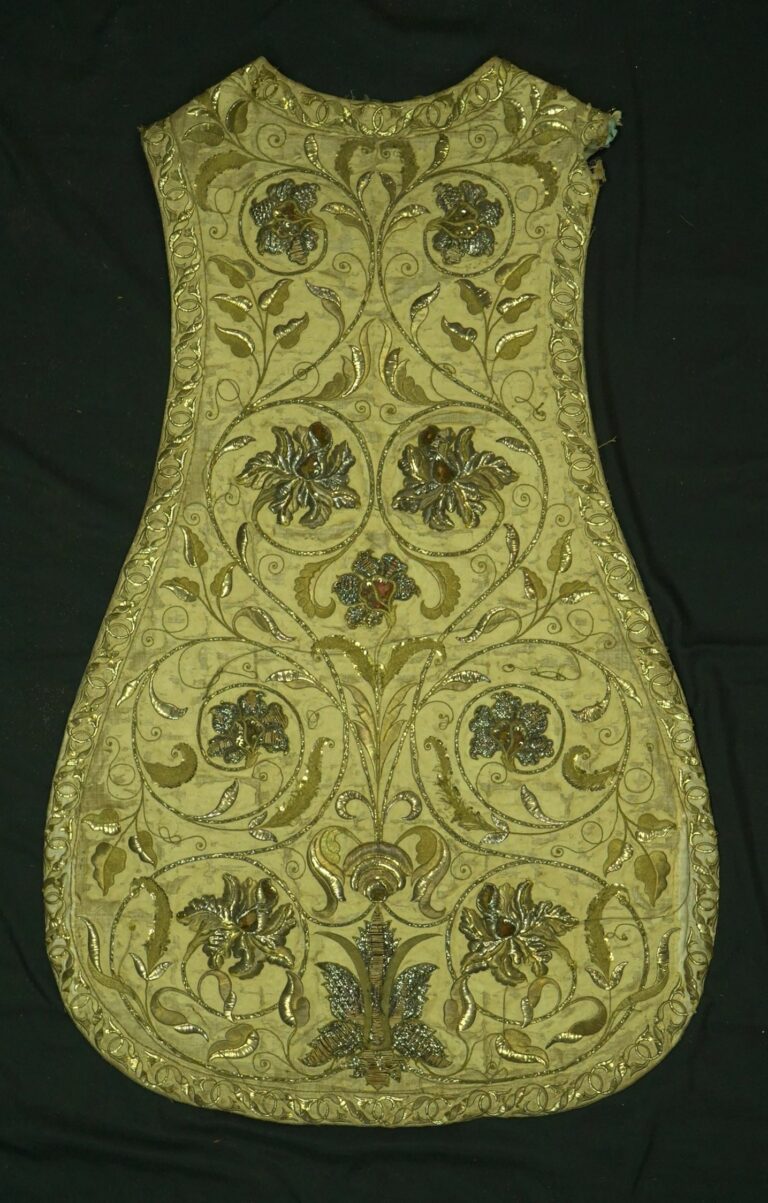
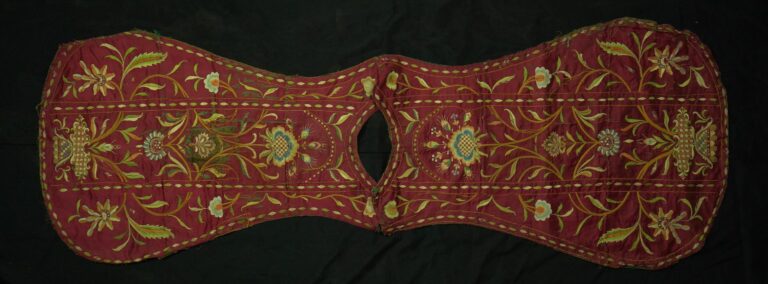
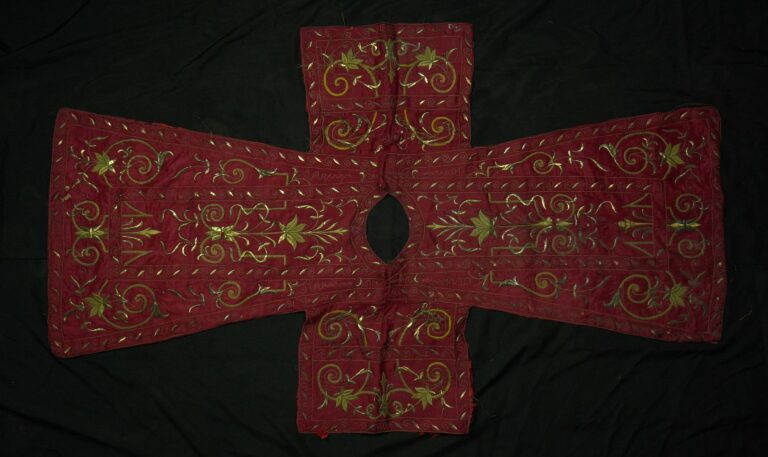
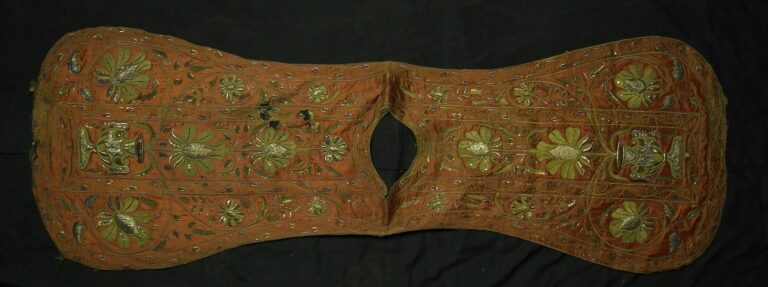
As for the ornamentation, the requisite is that the vestments are decorated with elements that are befitting their sacred use. In this collection, vestment decorations are mostly things of nature like foliage, fruits and birds. More striking in the ornamentation would be the incorporation of high-quality embroidery. Two groups of embroidery are apparent among the vestments in the collection: those embroidered in gold thread and those embroidered with motifs that are influenced by Chinese art or those found in China-made furniture. The latter kind of embroidery is amazingly a result of the infiltration of influences brought about by the interchange with other Asian cultures during the Galleon Trade, adding to the richness of Philippine Catholicism.
Linens
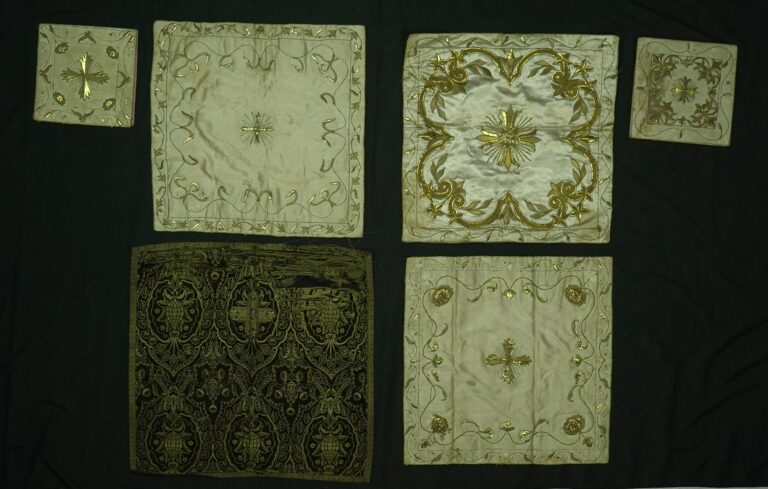
A final note is on the use of other pieces of cloth during the liturgical celebration: an essential symbolism of the cloth as covering. The GIRM requires that the altar table should be covered with a white cloth. Similarly, the chalice is required to be covered with a veil, which may either be white or the color proper of the day. Both practices indicate a practical use, the cloth that covers protects the thing that is covered. Both pieces of cloth and other linen used may be symbolic of Christ’s burial linen left at the tomb. Additionally, the white cloth itself can signify purity.
Great care is given to all liturgical objects, including the sacred vestments and linen. They are given importance, too, as they enhance the meaning of the Eucharistic celebration.