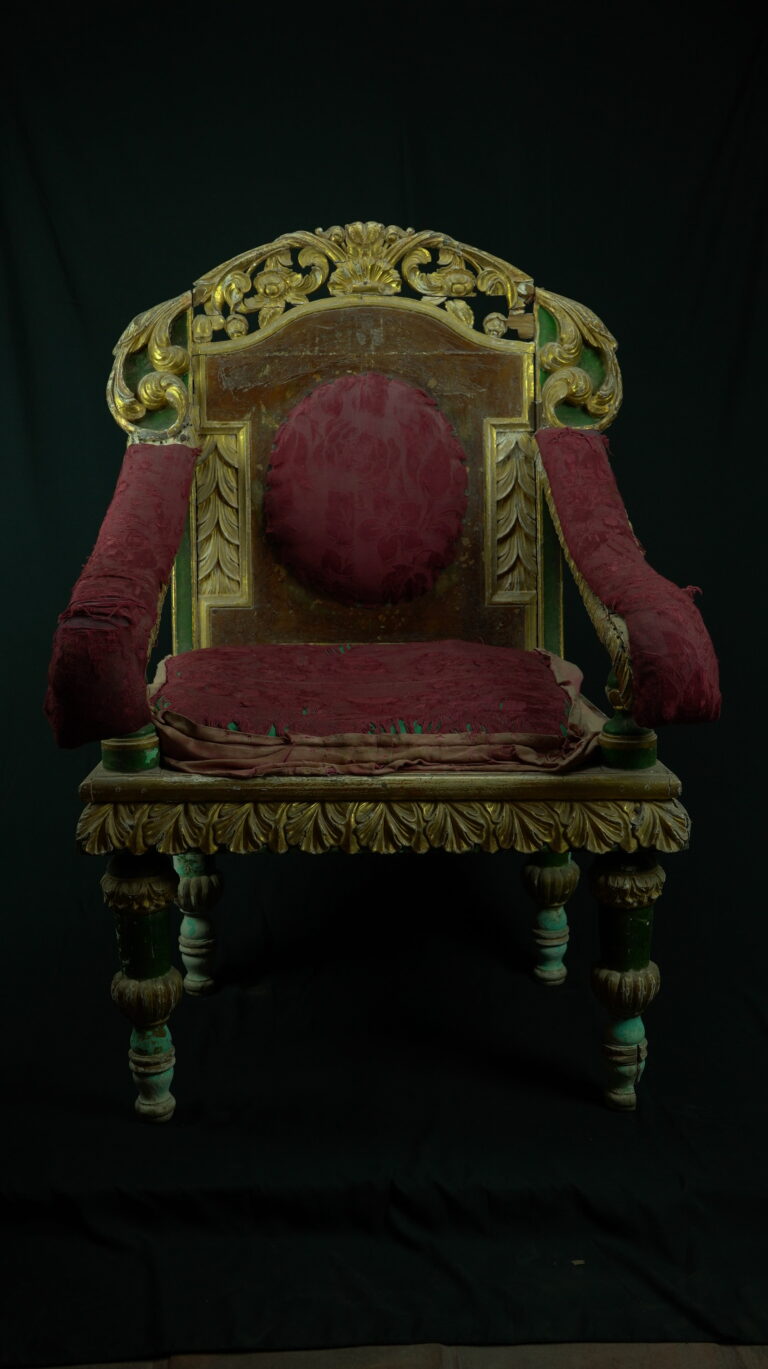
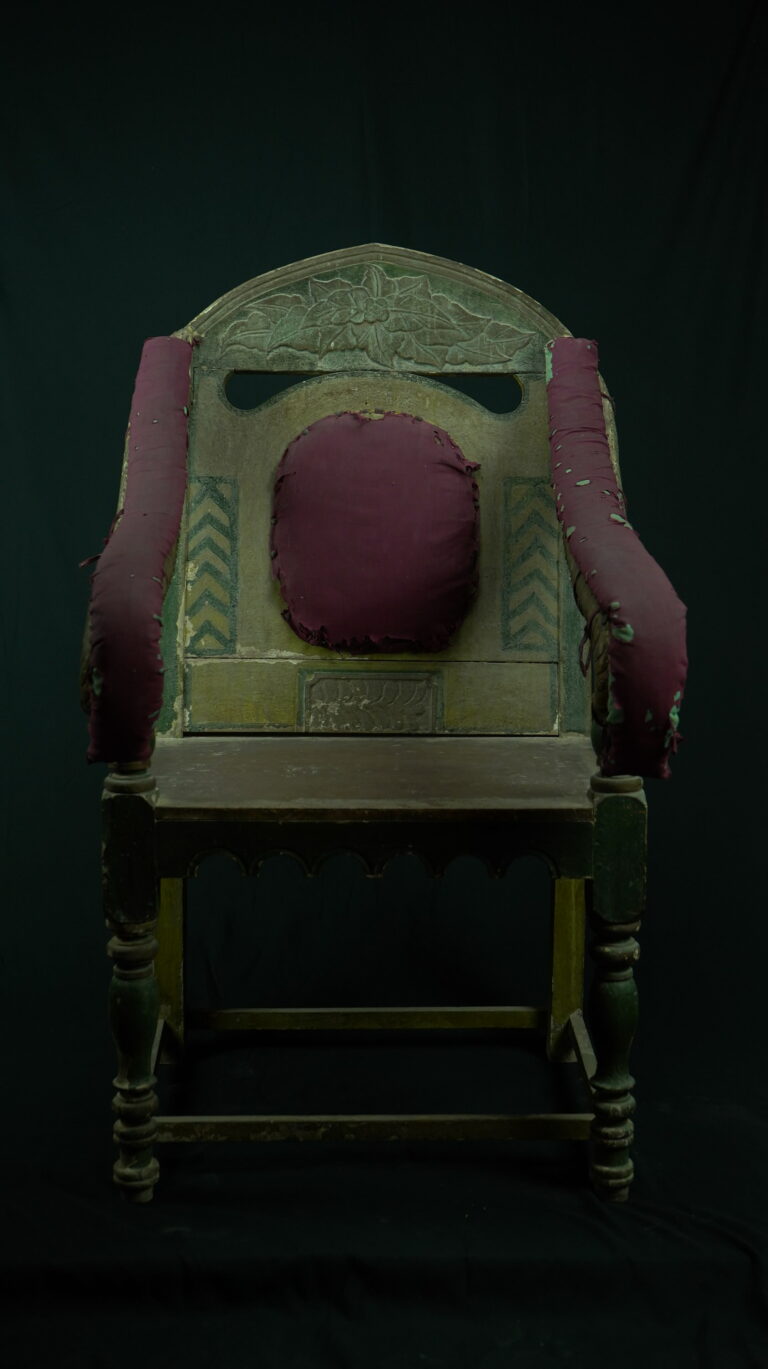
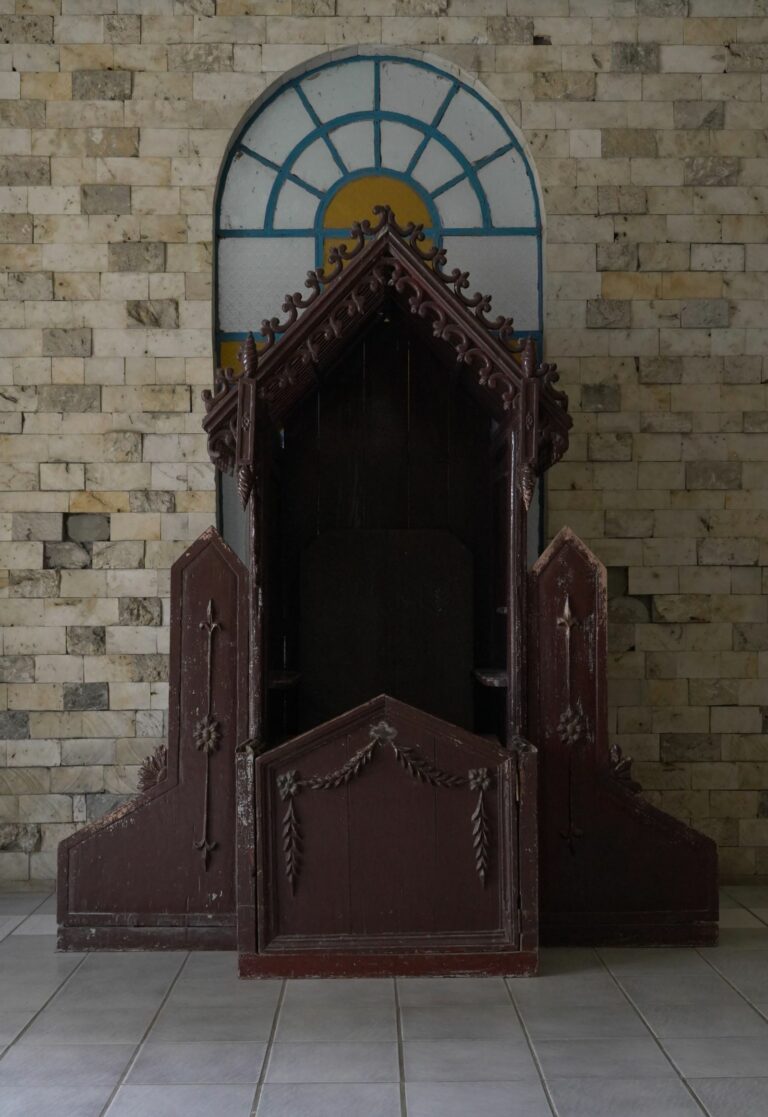
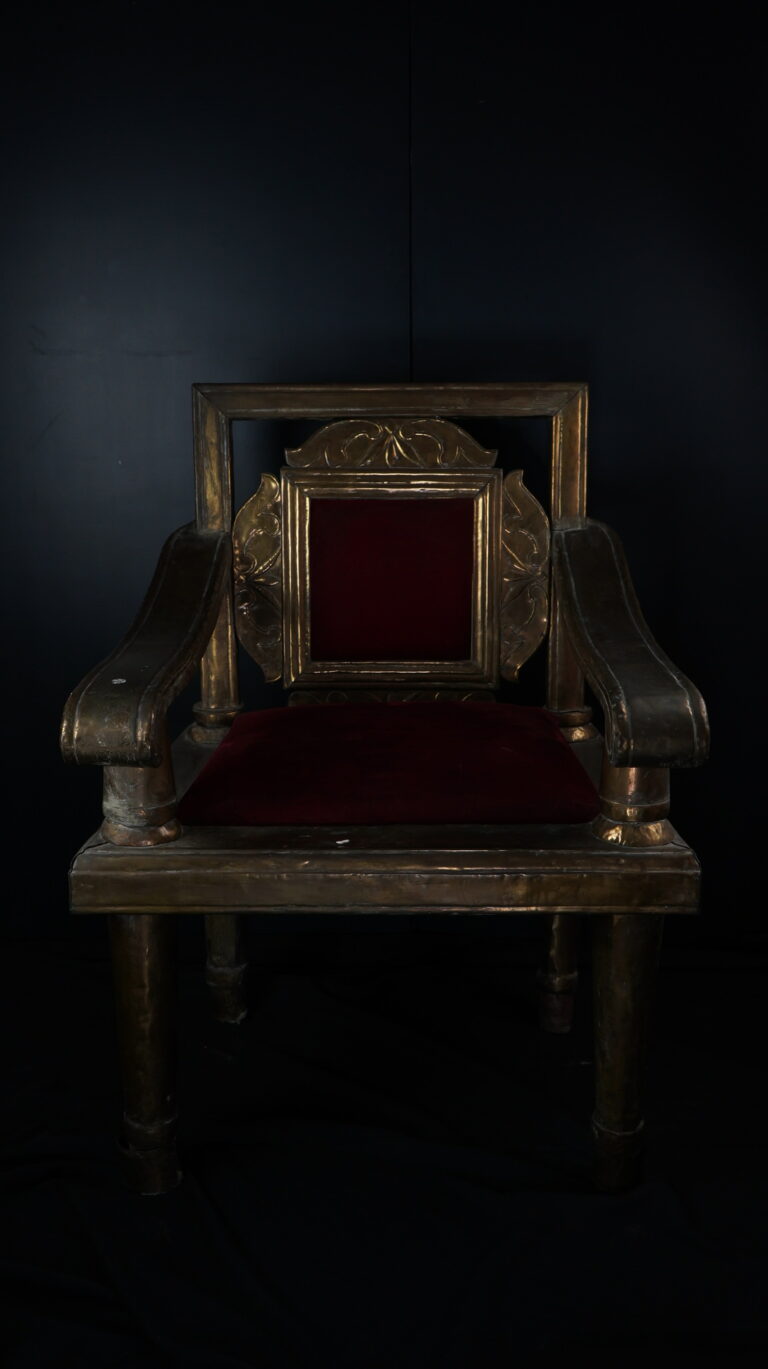
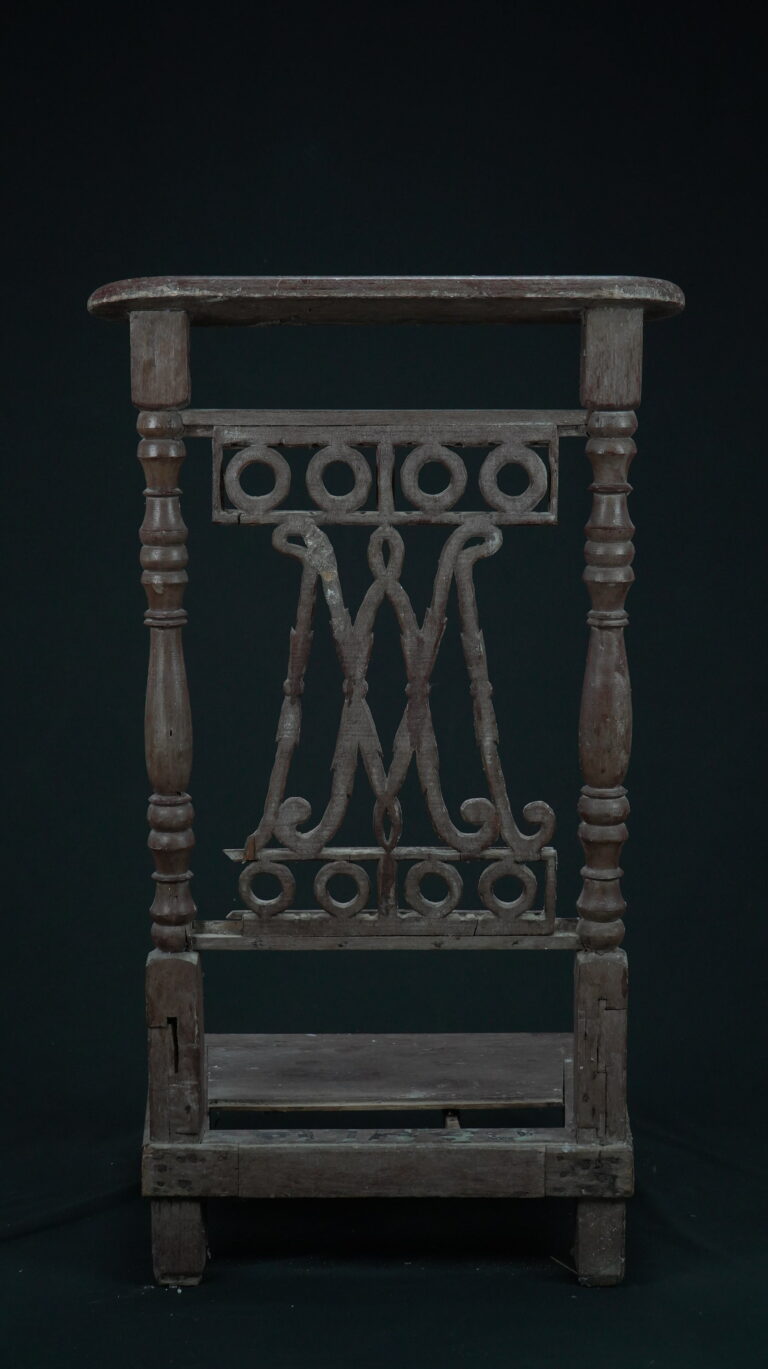
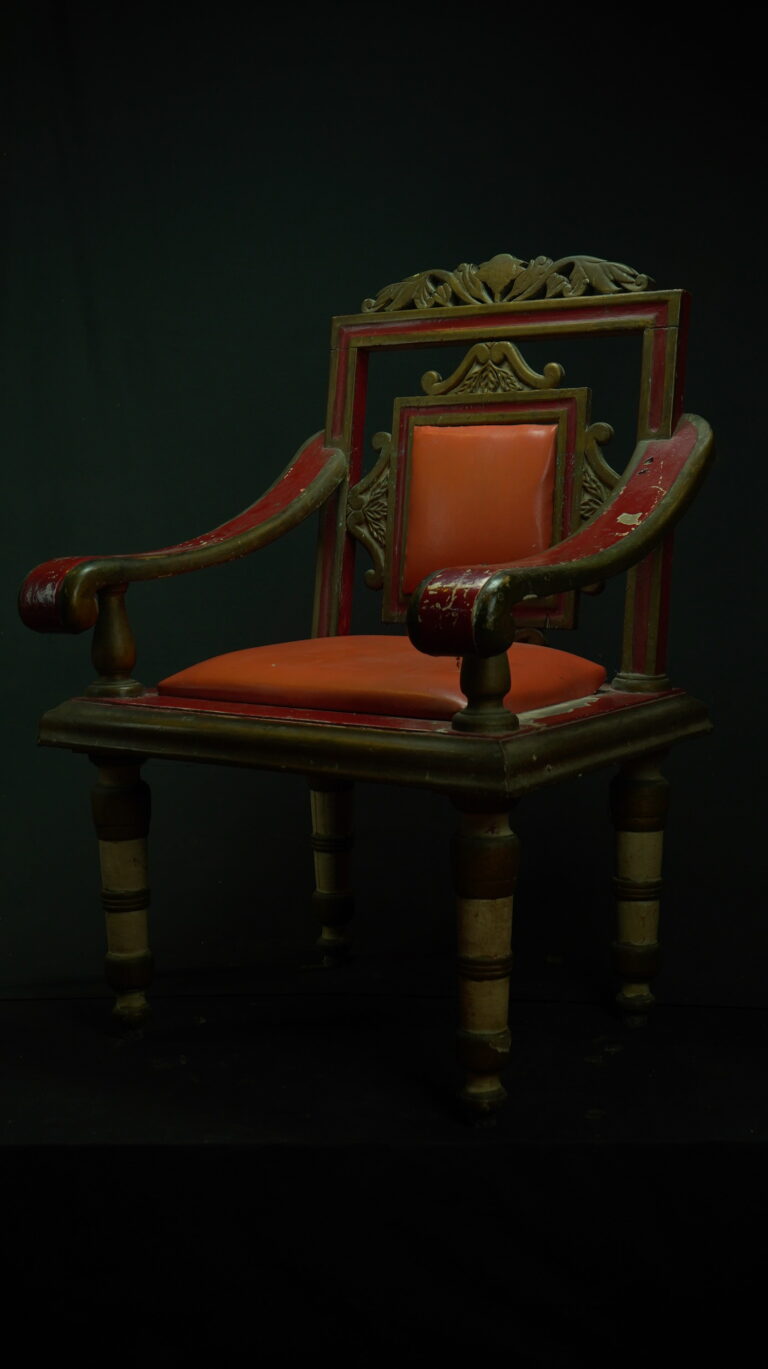
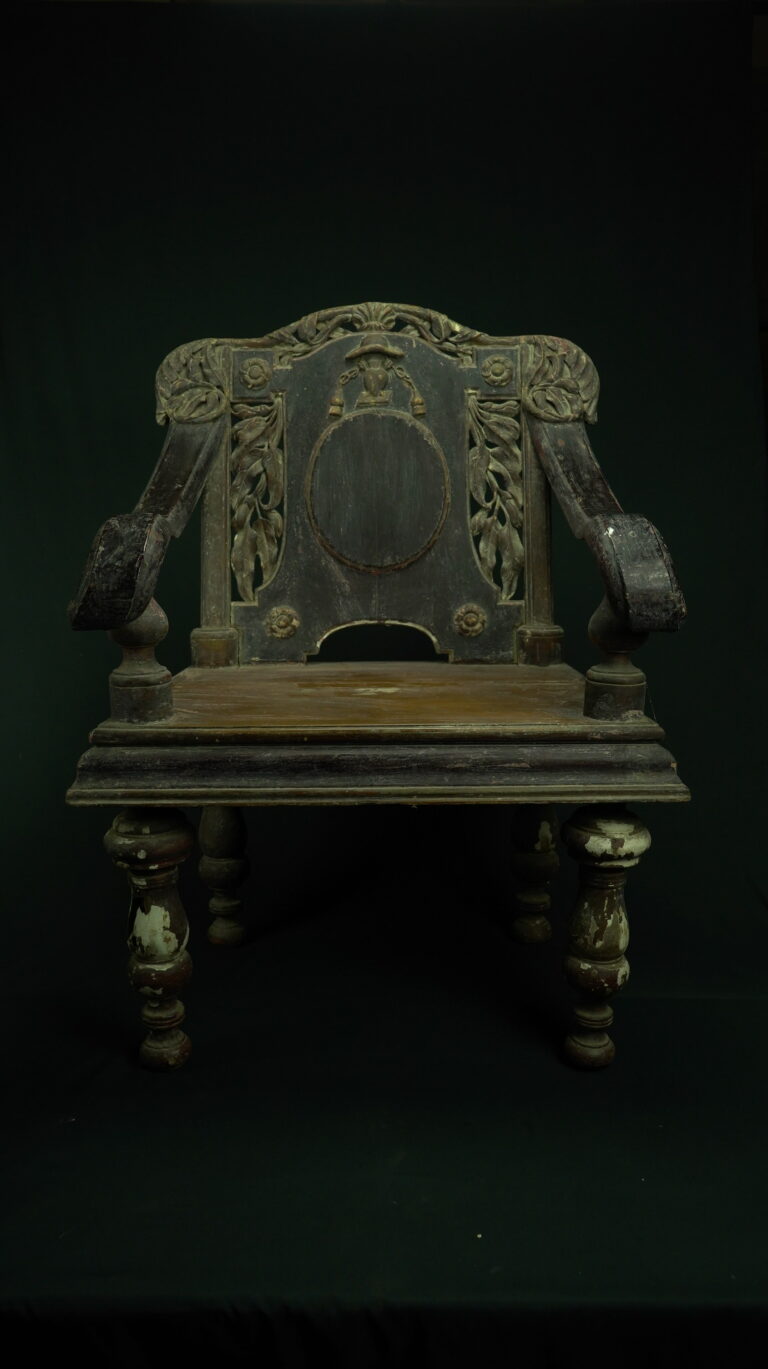
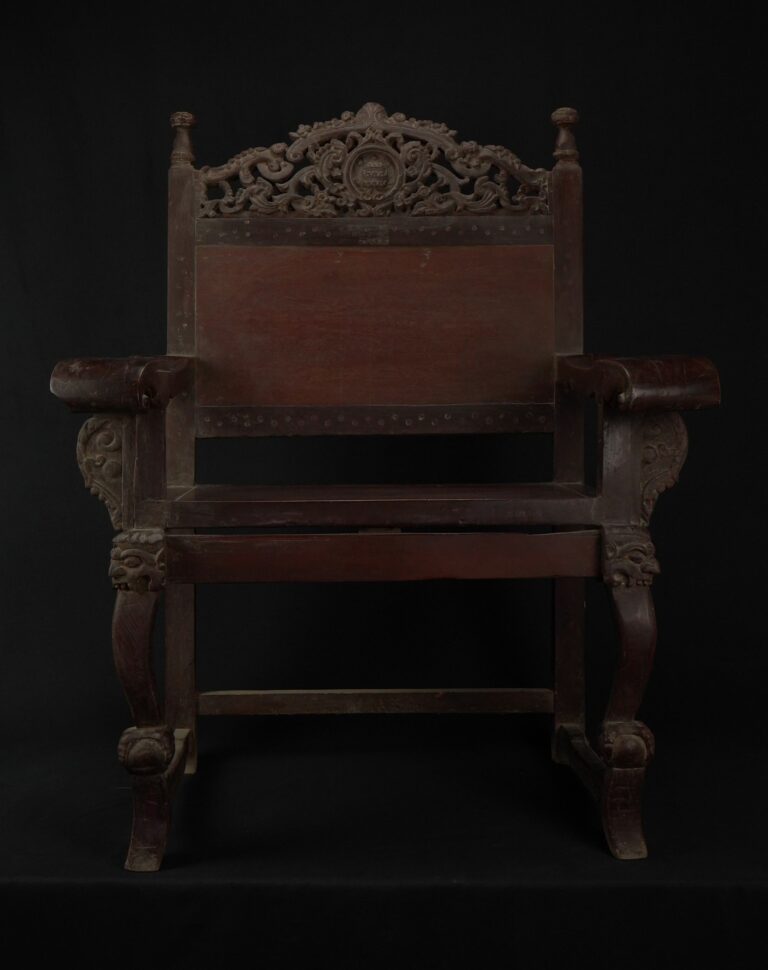
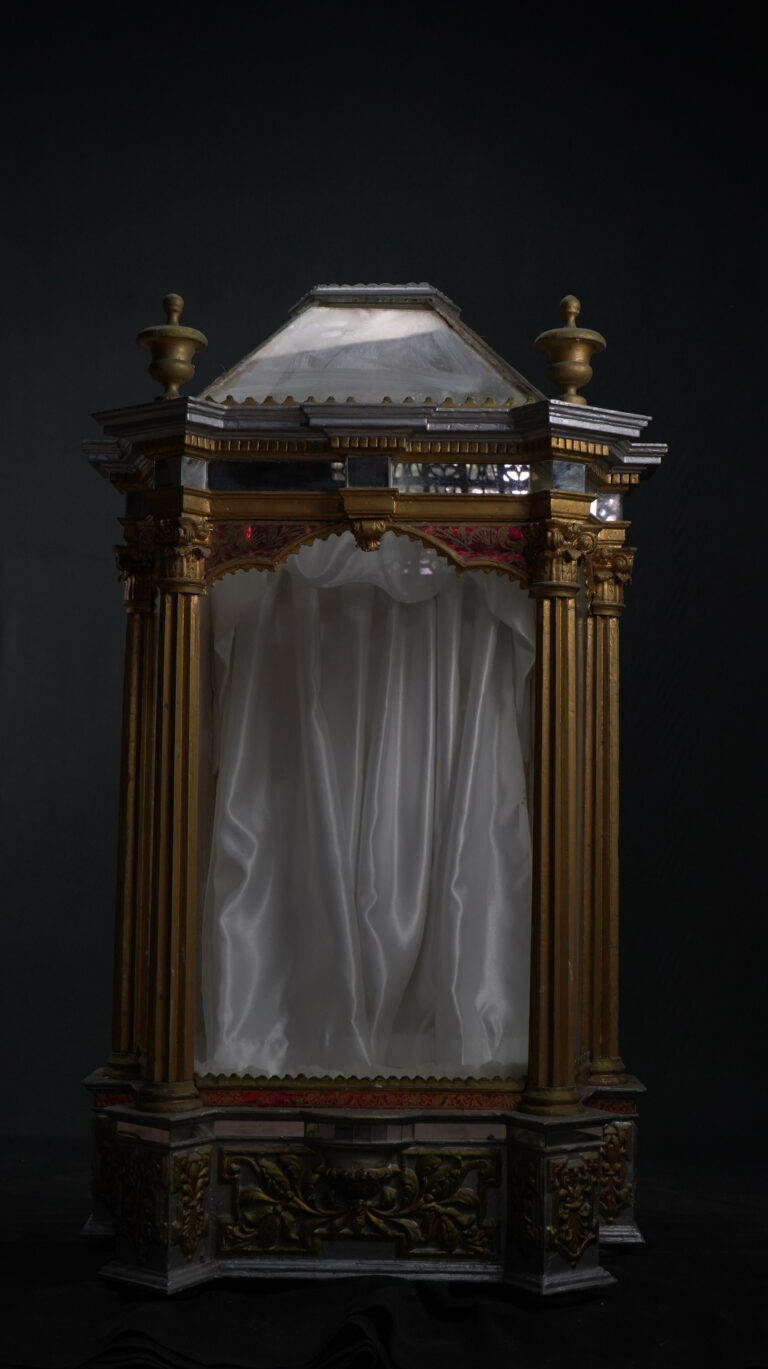
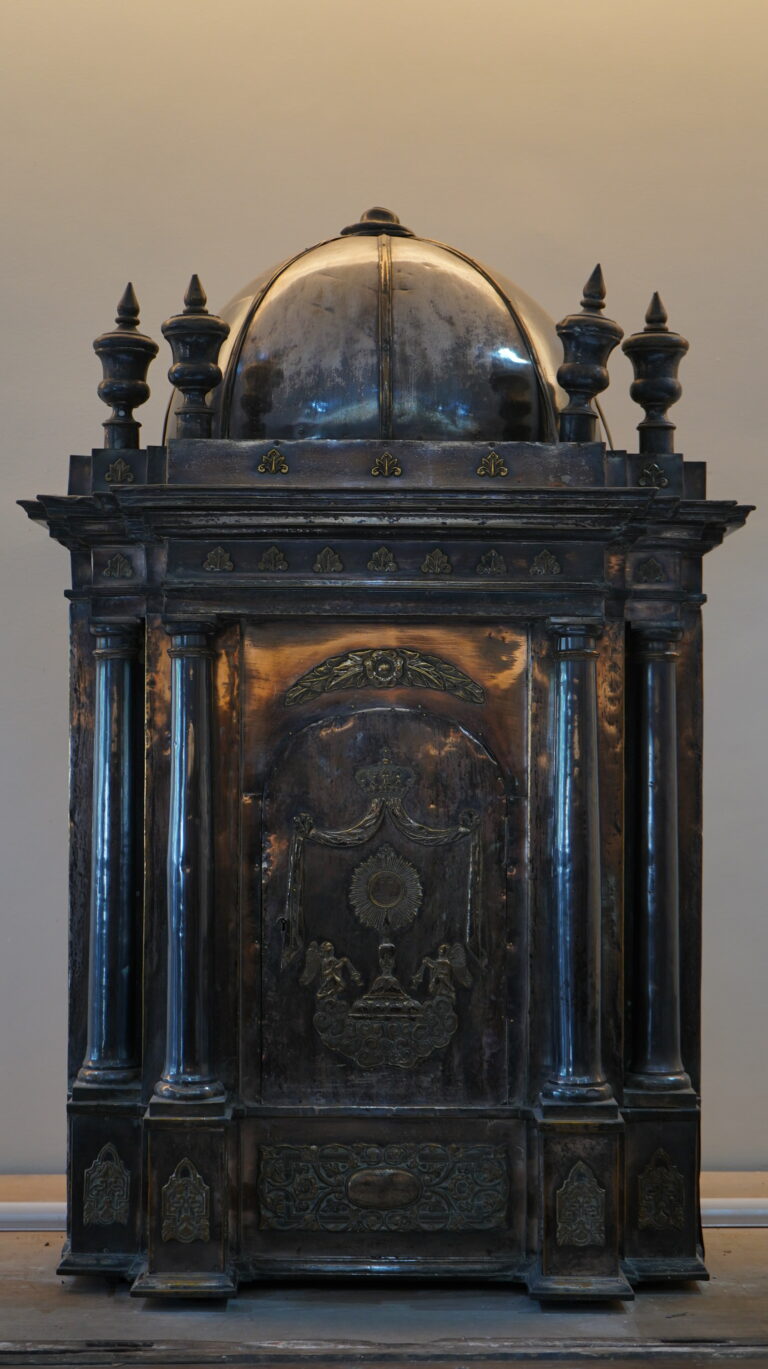
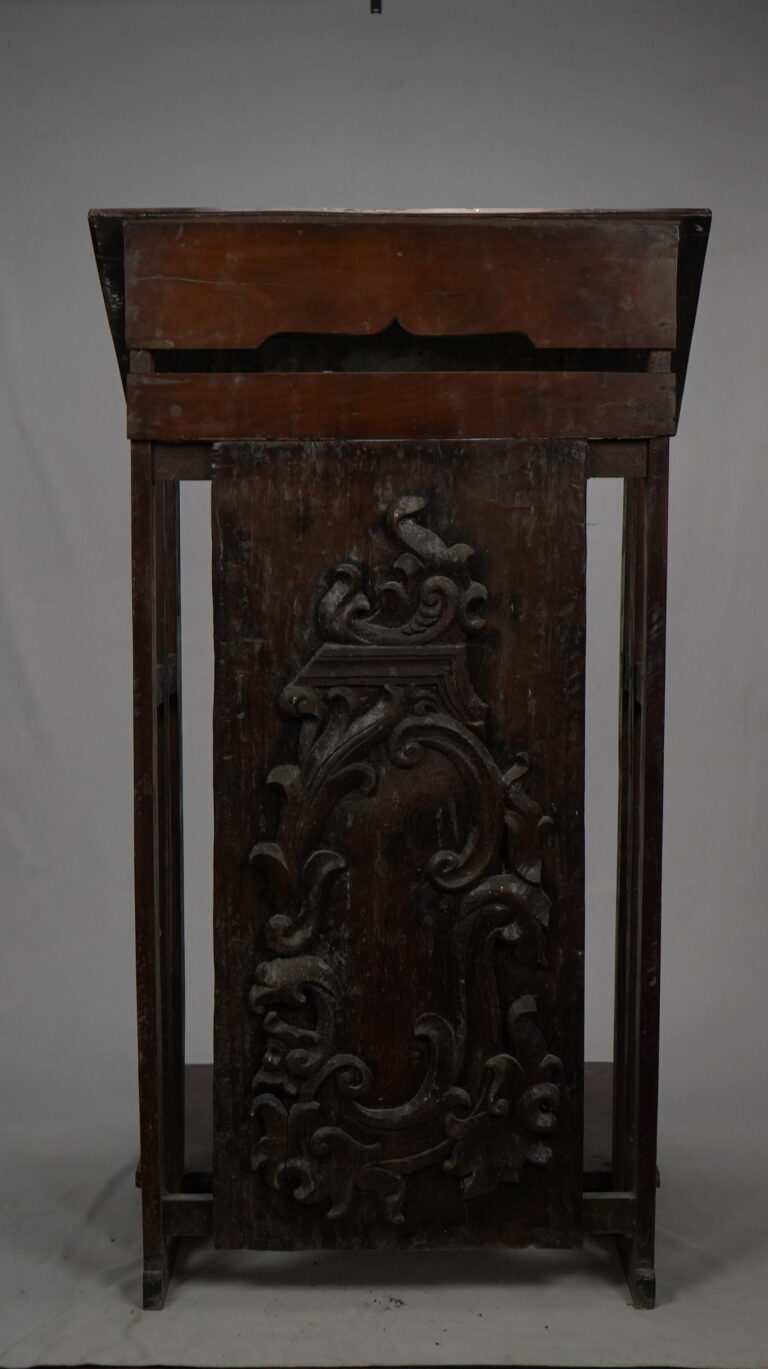
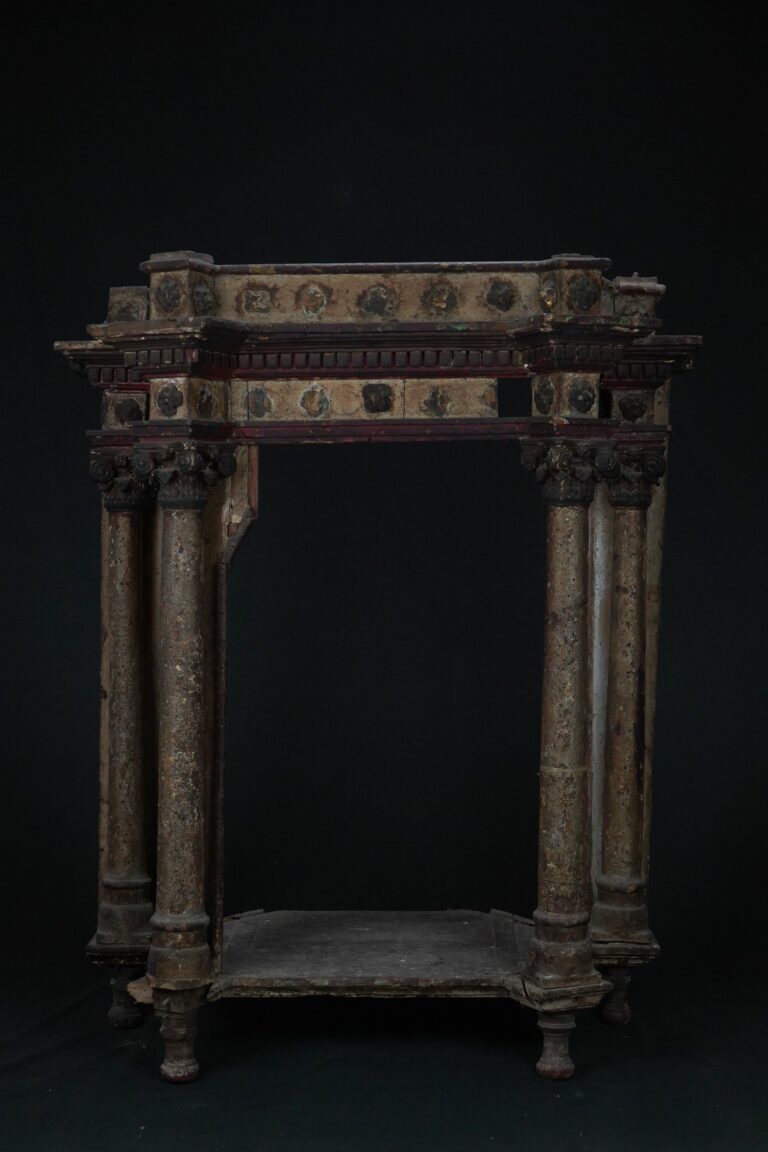
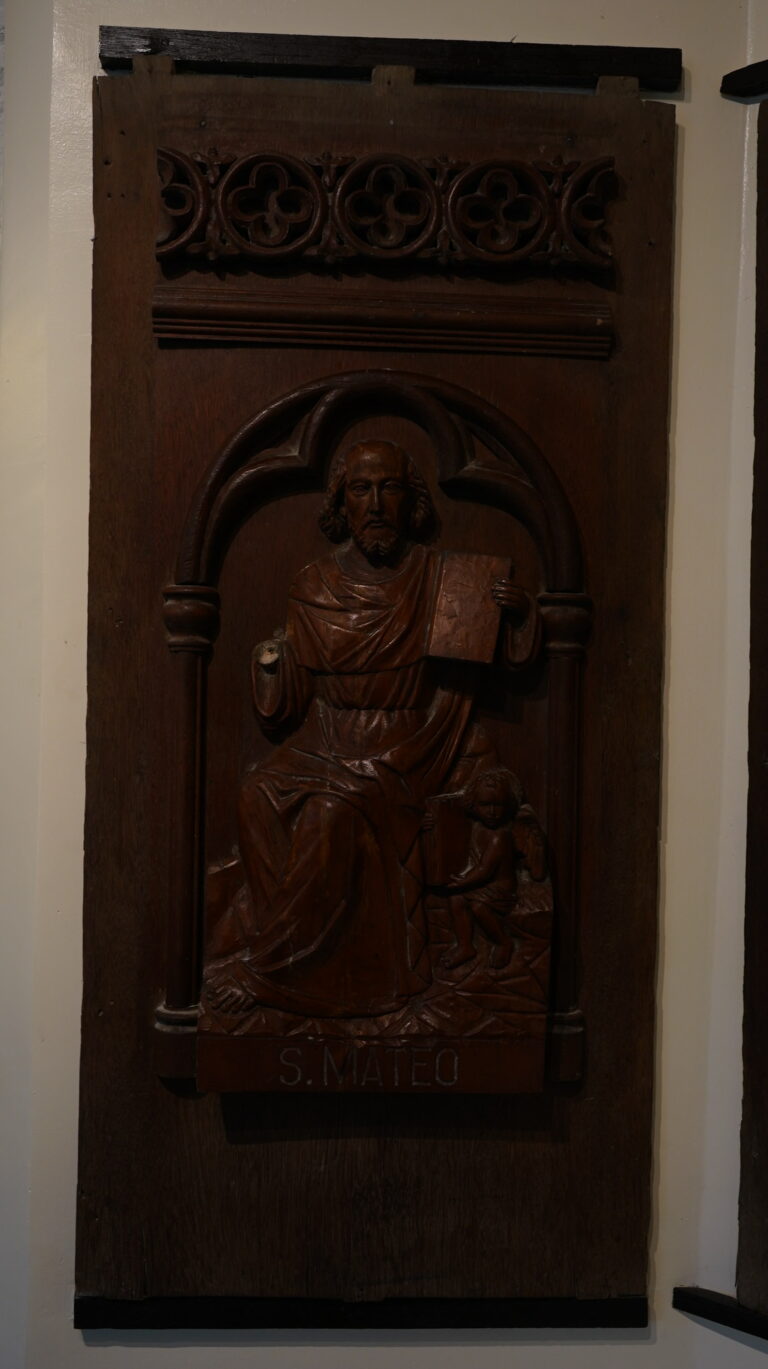
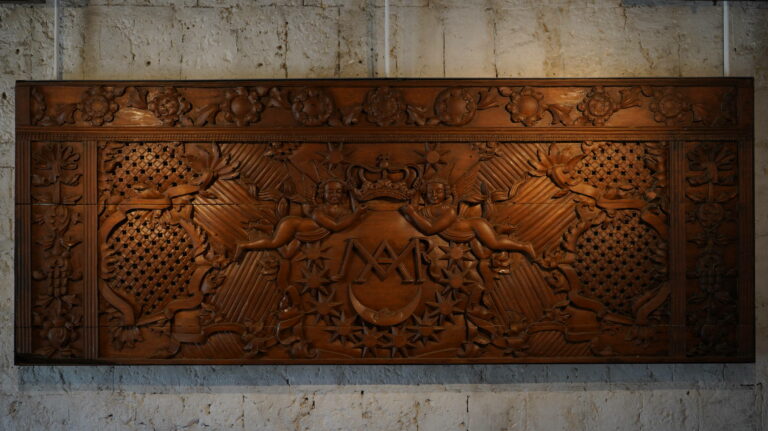
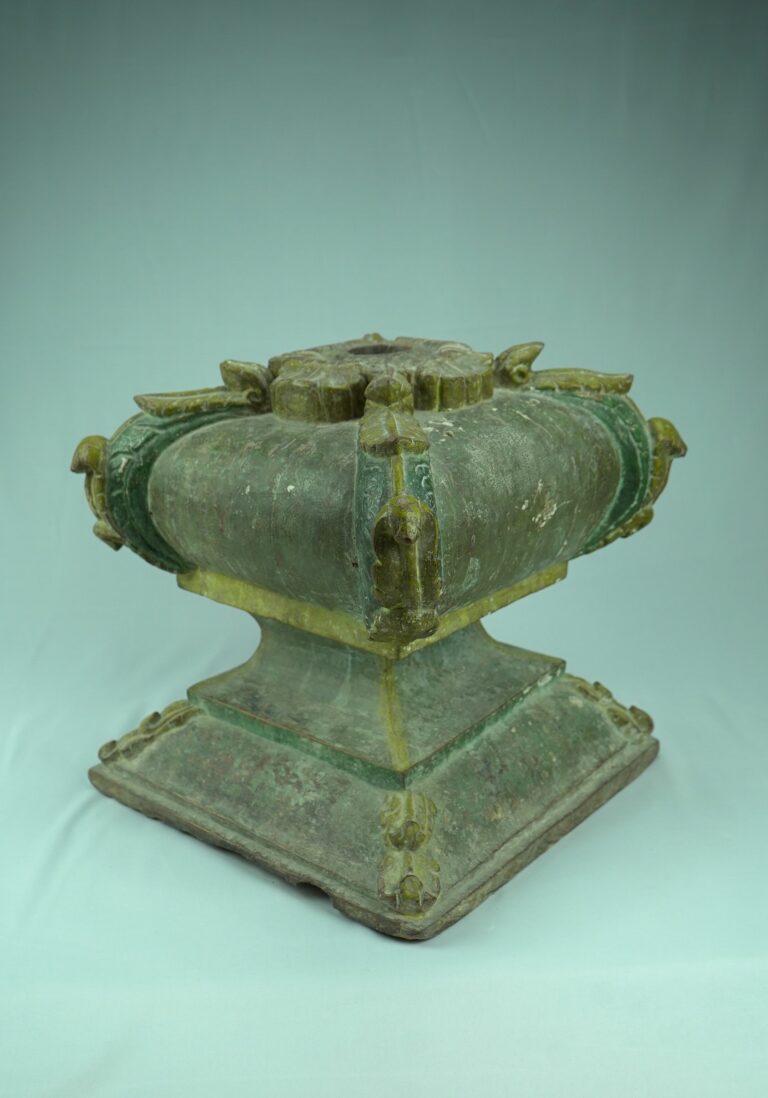
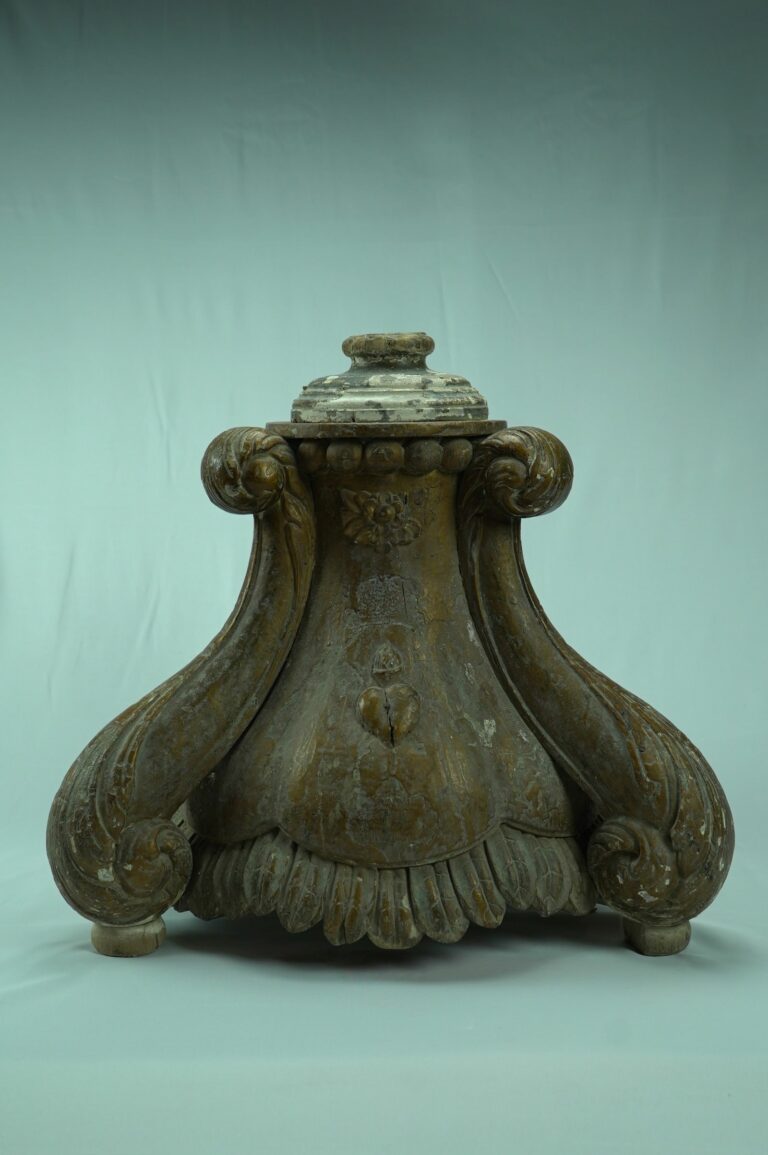
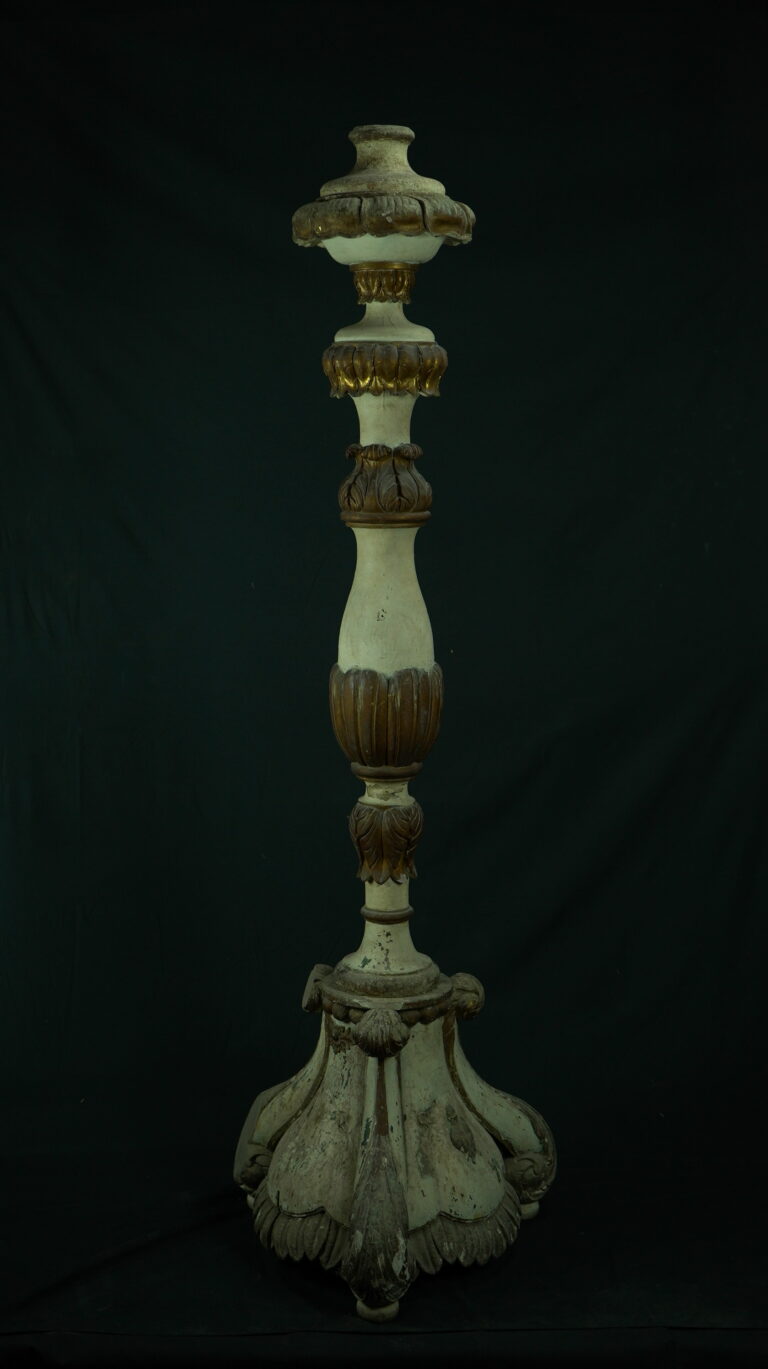
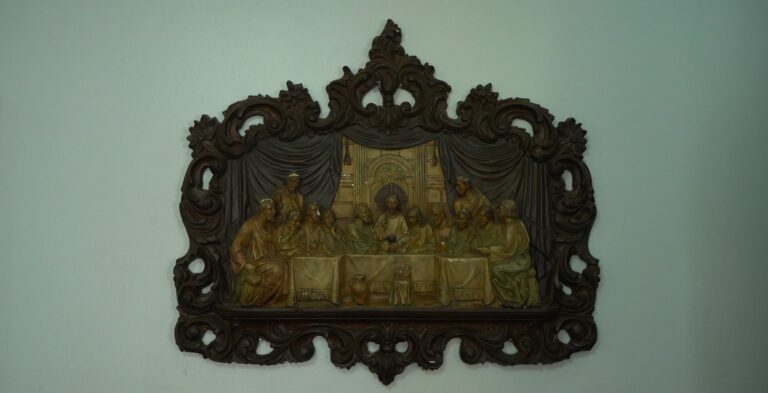
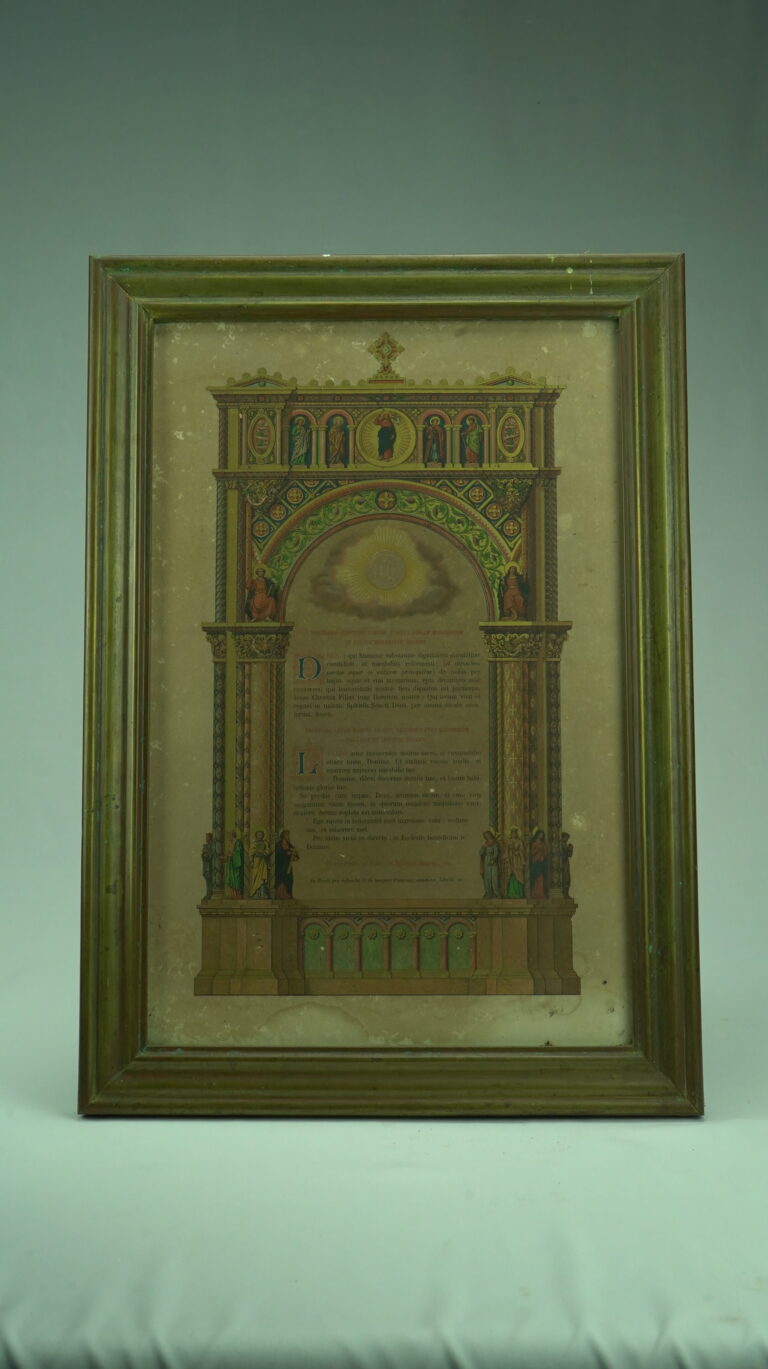
Another requirement for the celebration of the Mass are the sacred furnishings, which the GIRM prescribes as those that “should foster devotion and express visually the holiness of the mysteries celebrated there”.
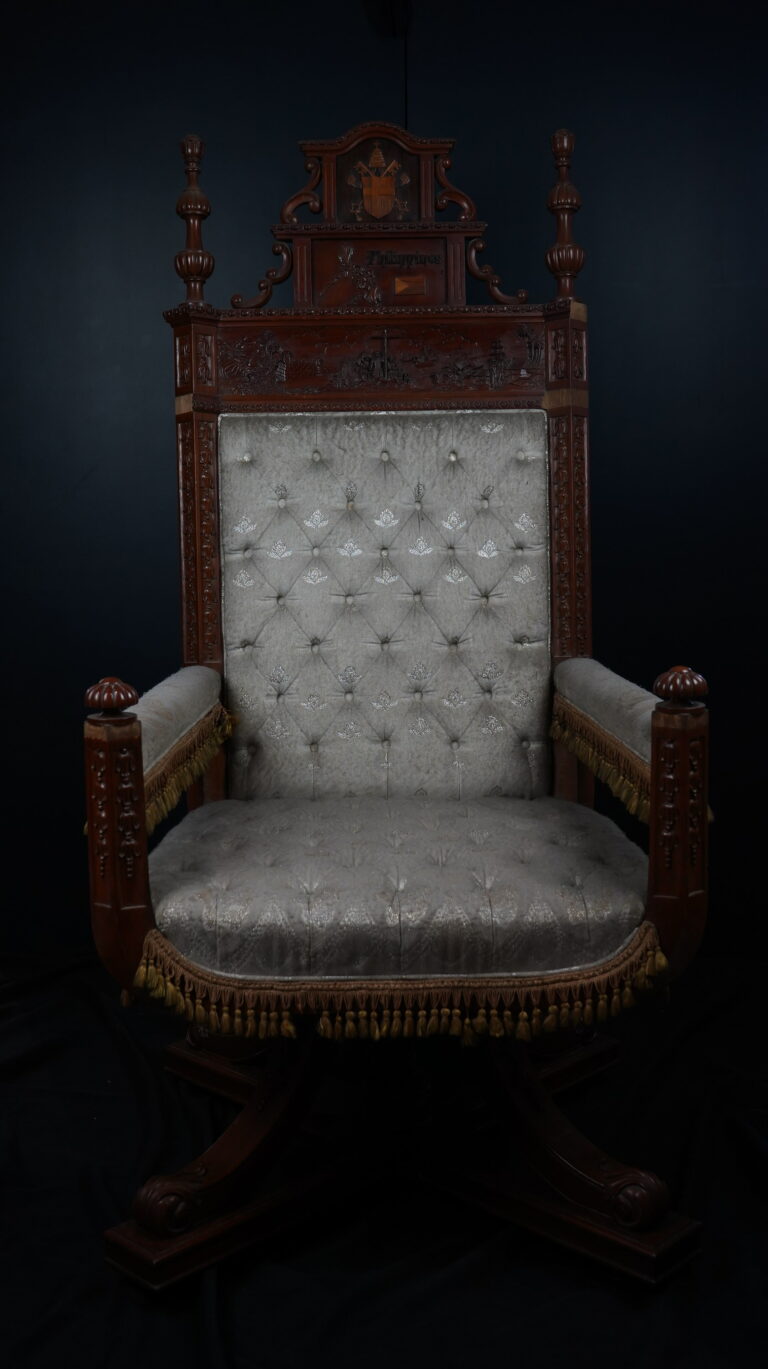
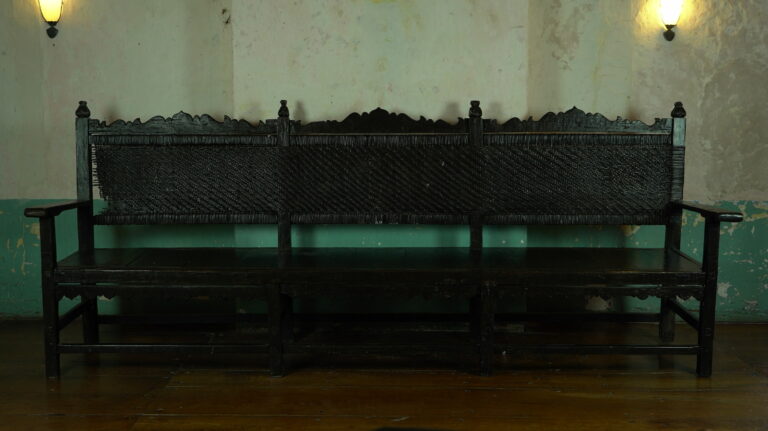
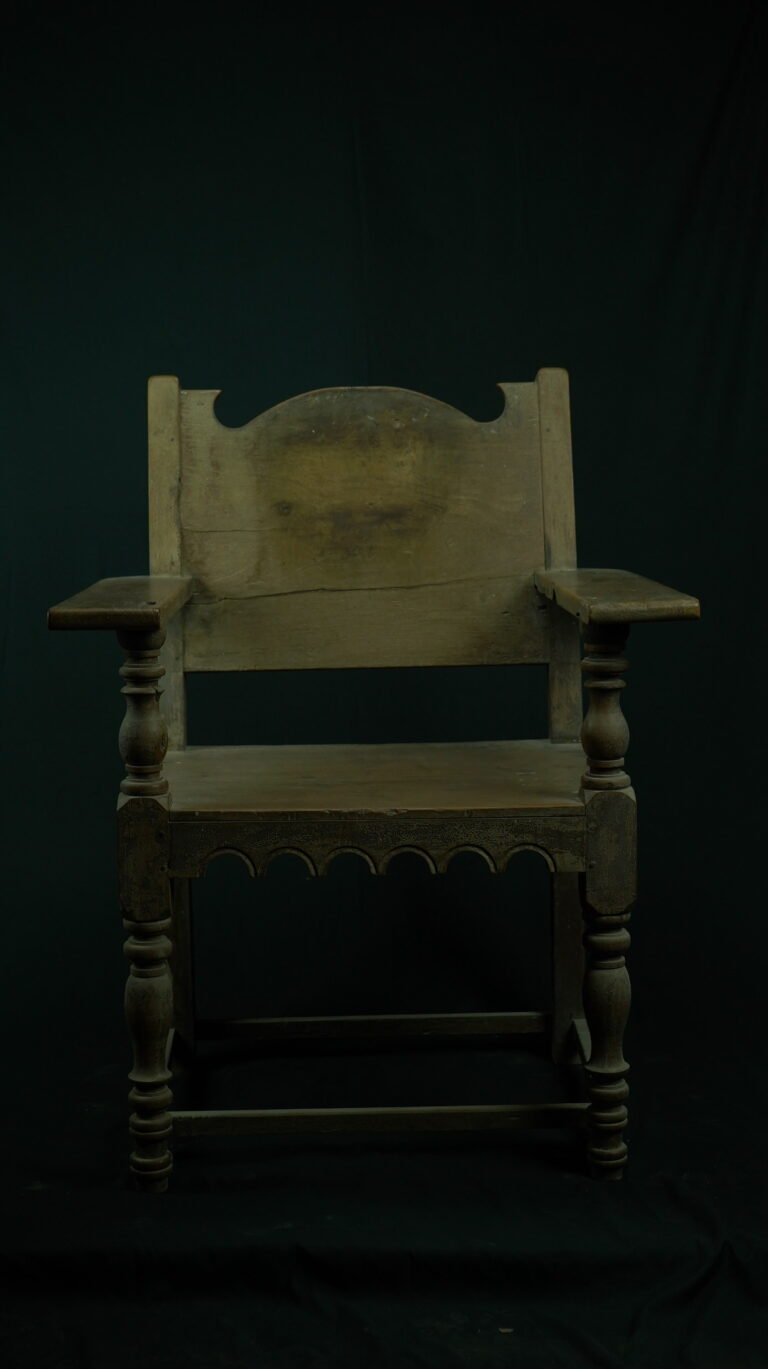
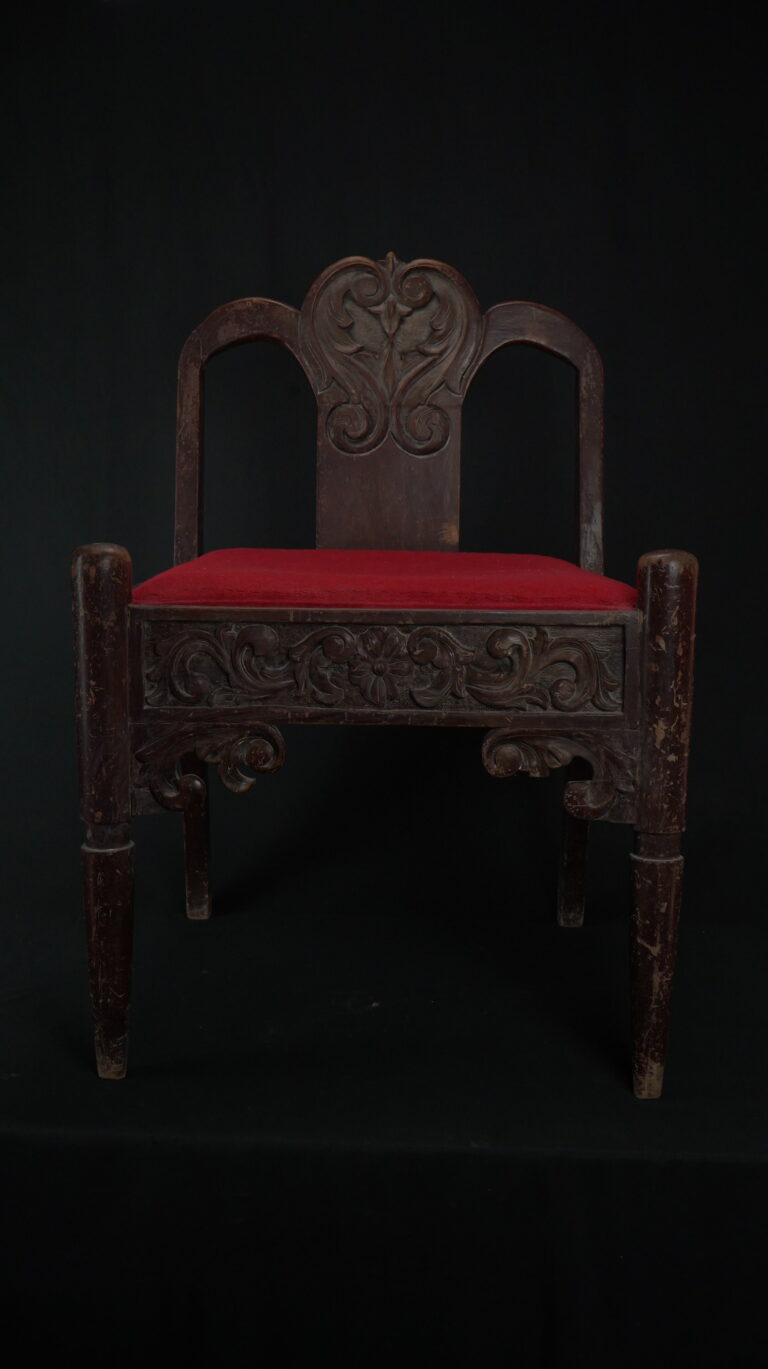
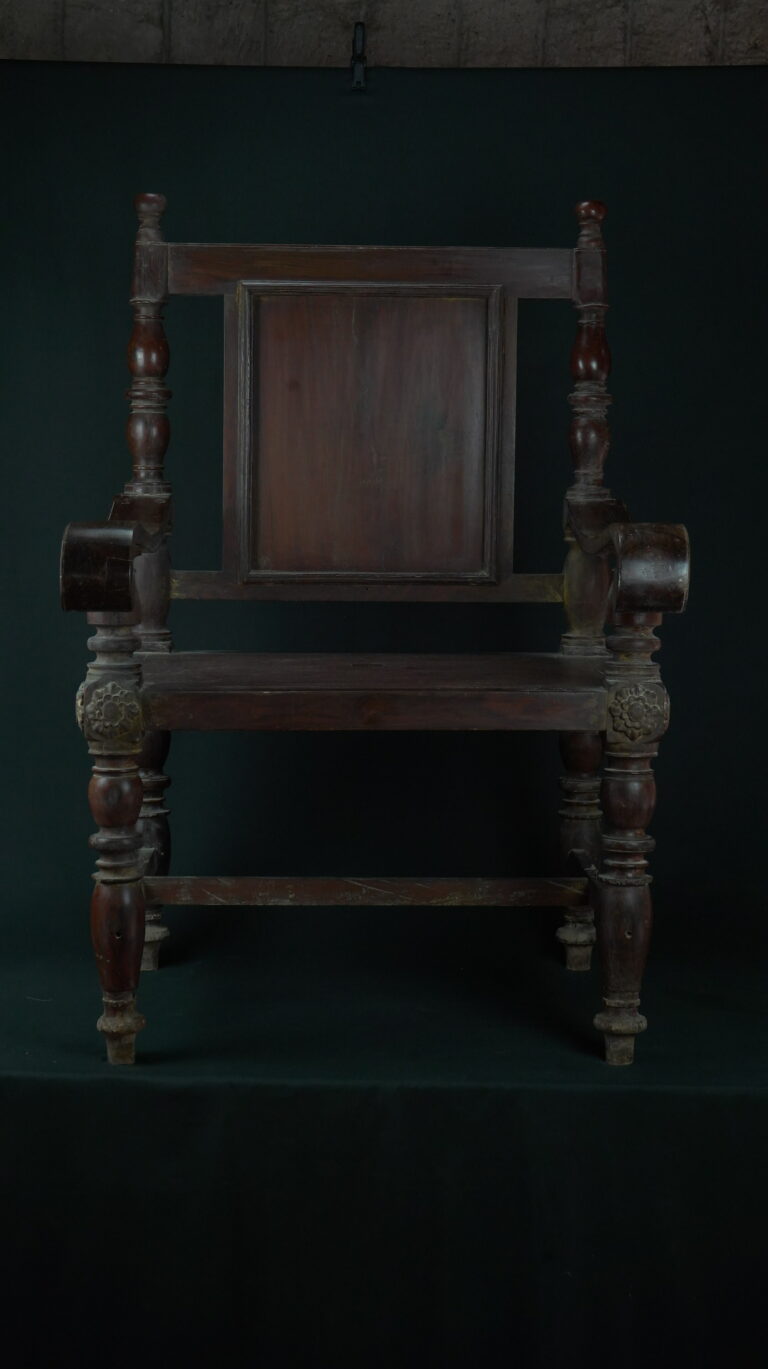
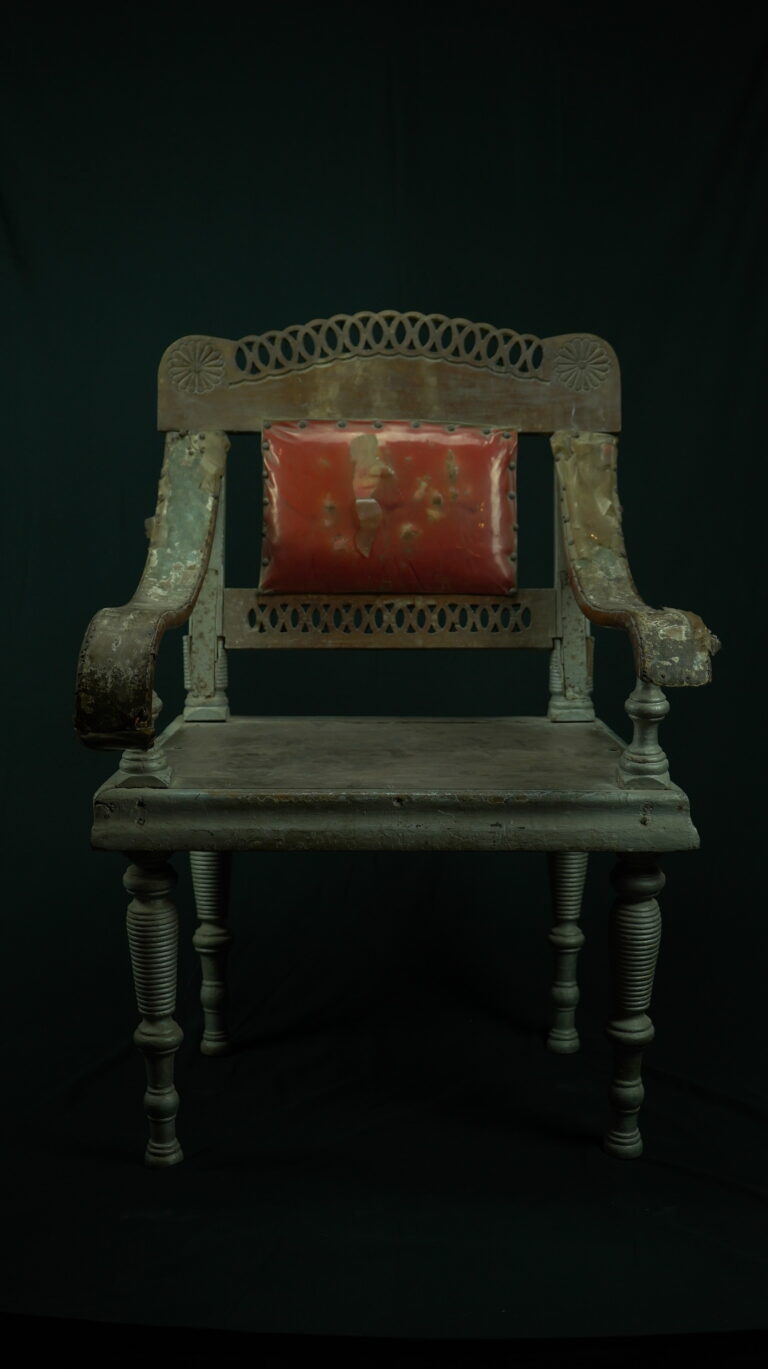
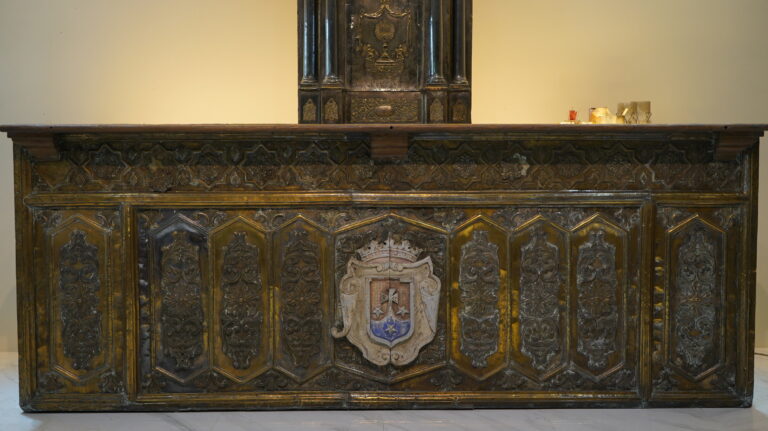
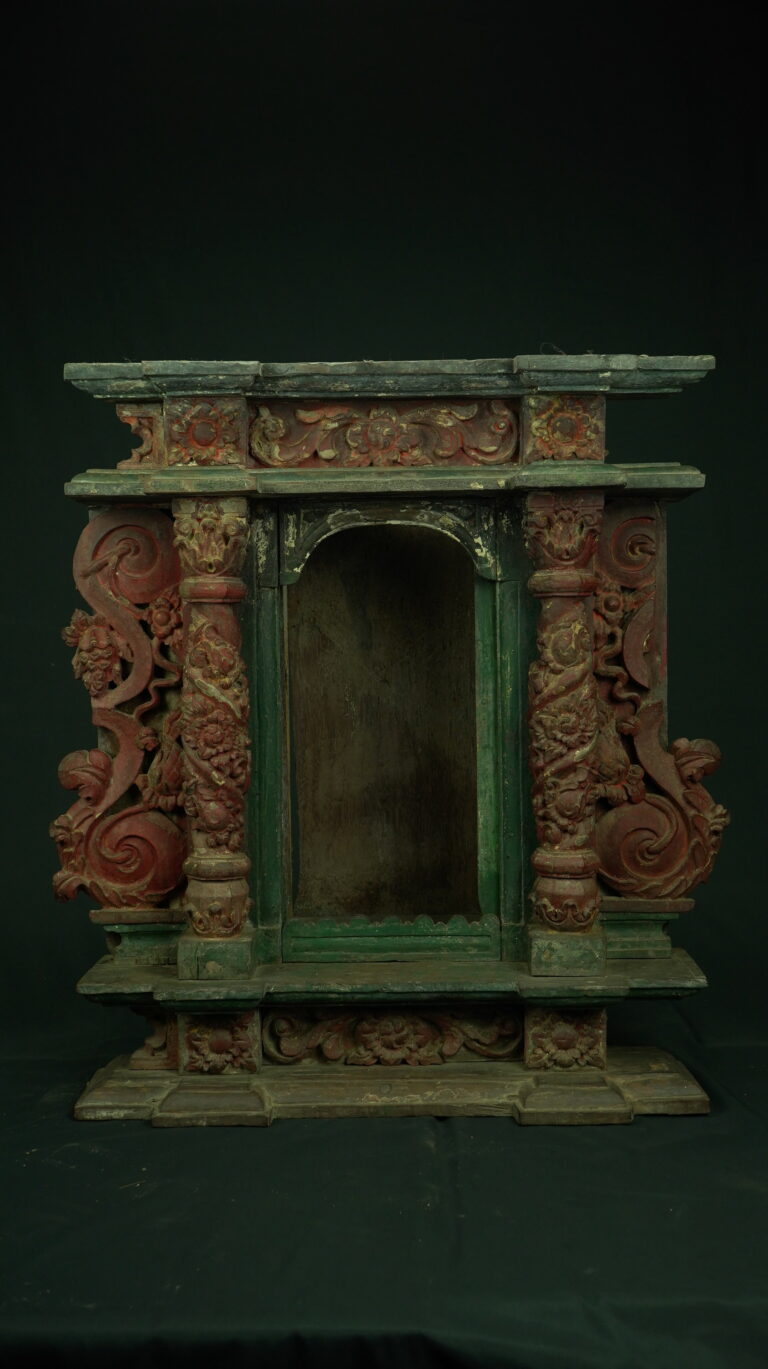
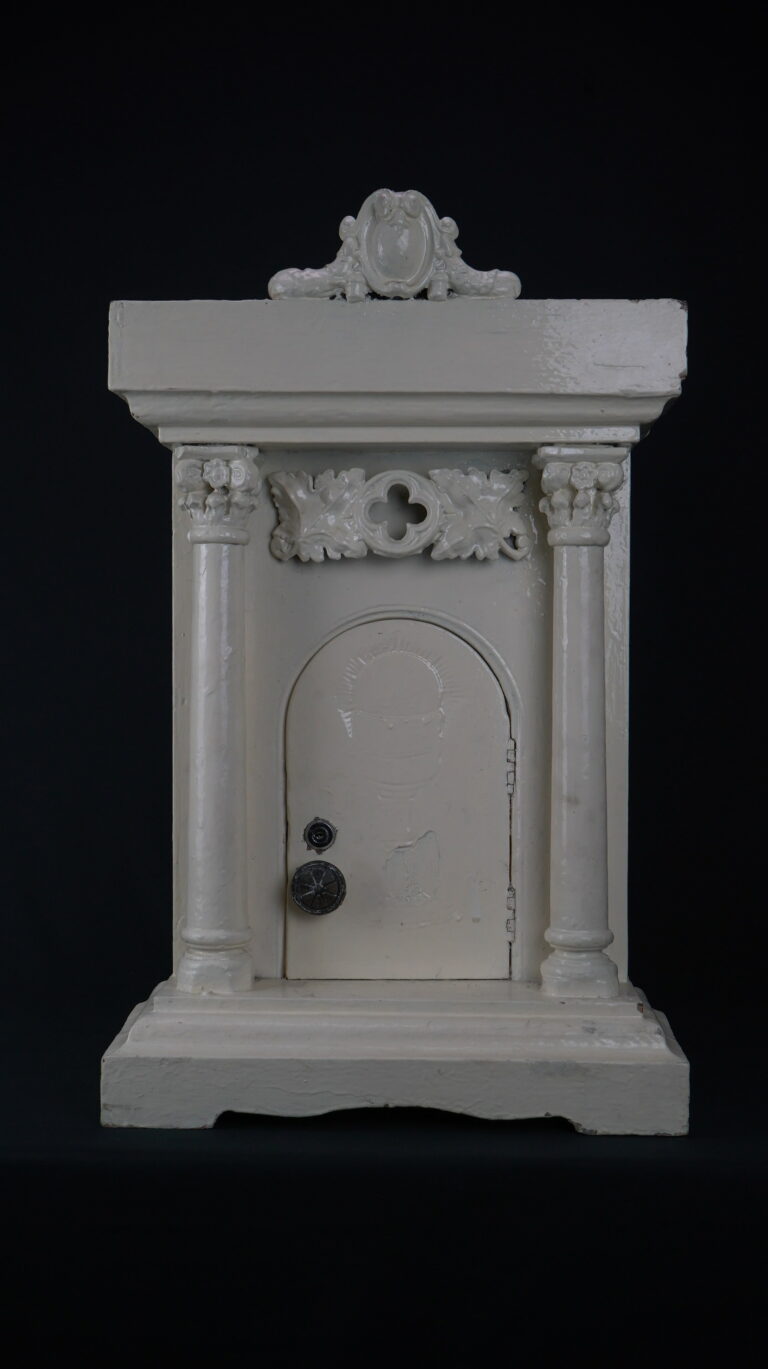
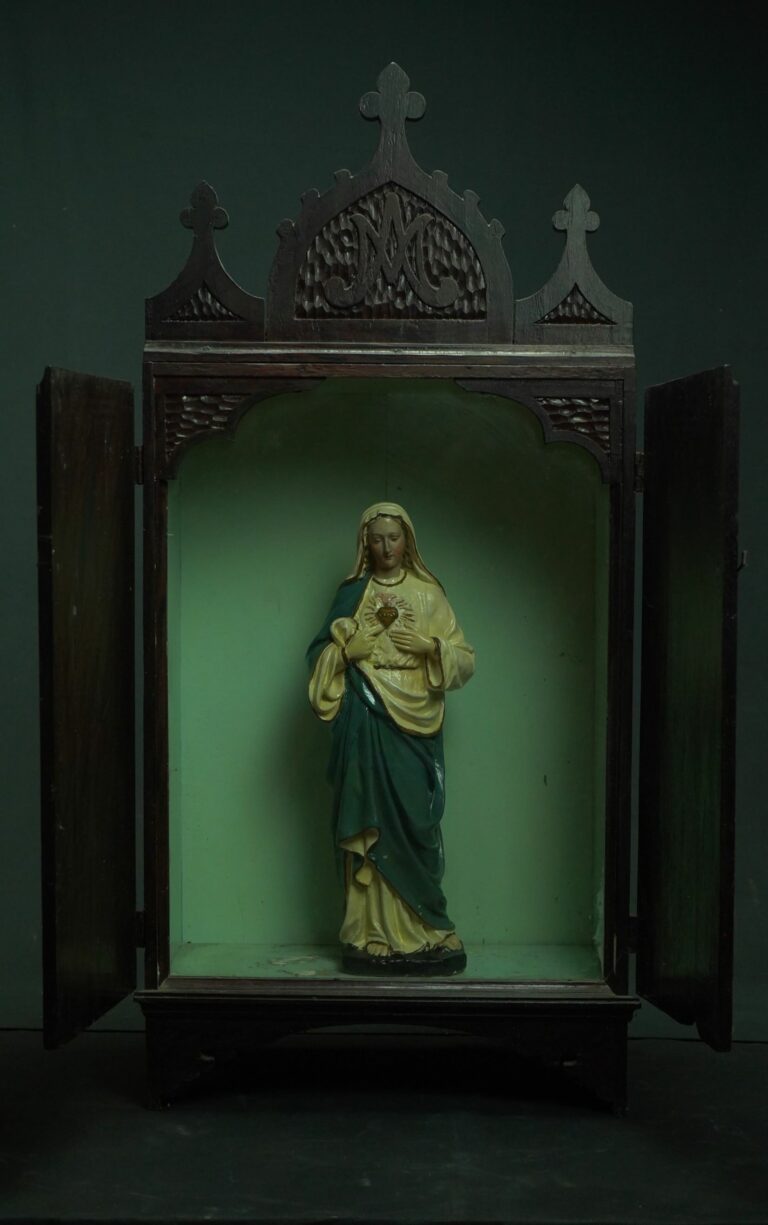
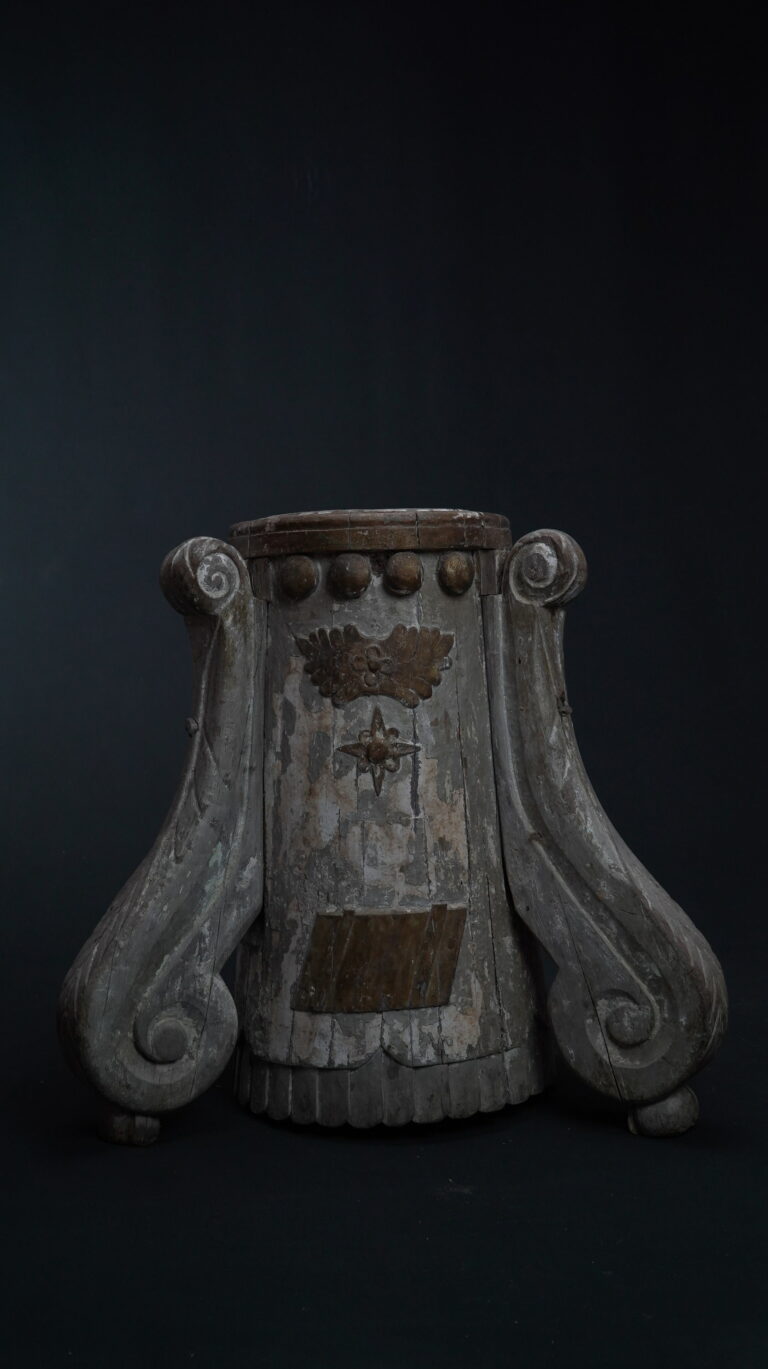
Among the pieces of church furniture selected for this gallery, there are several chairs for the priest celebrant and other seats for concelebrating priests. There are some tabernacles and confessional boxes that the parishes had used. Their decorative elements are still distinct, but it is clear that they have already aged and some have shown signs of disrepair. Still the parishes have preserved and kept them as part of their treasures.
Decorative Furnishings
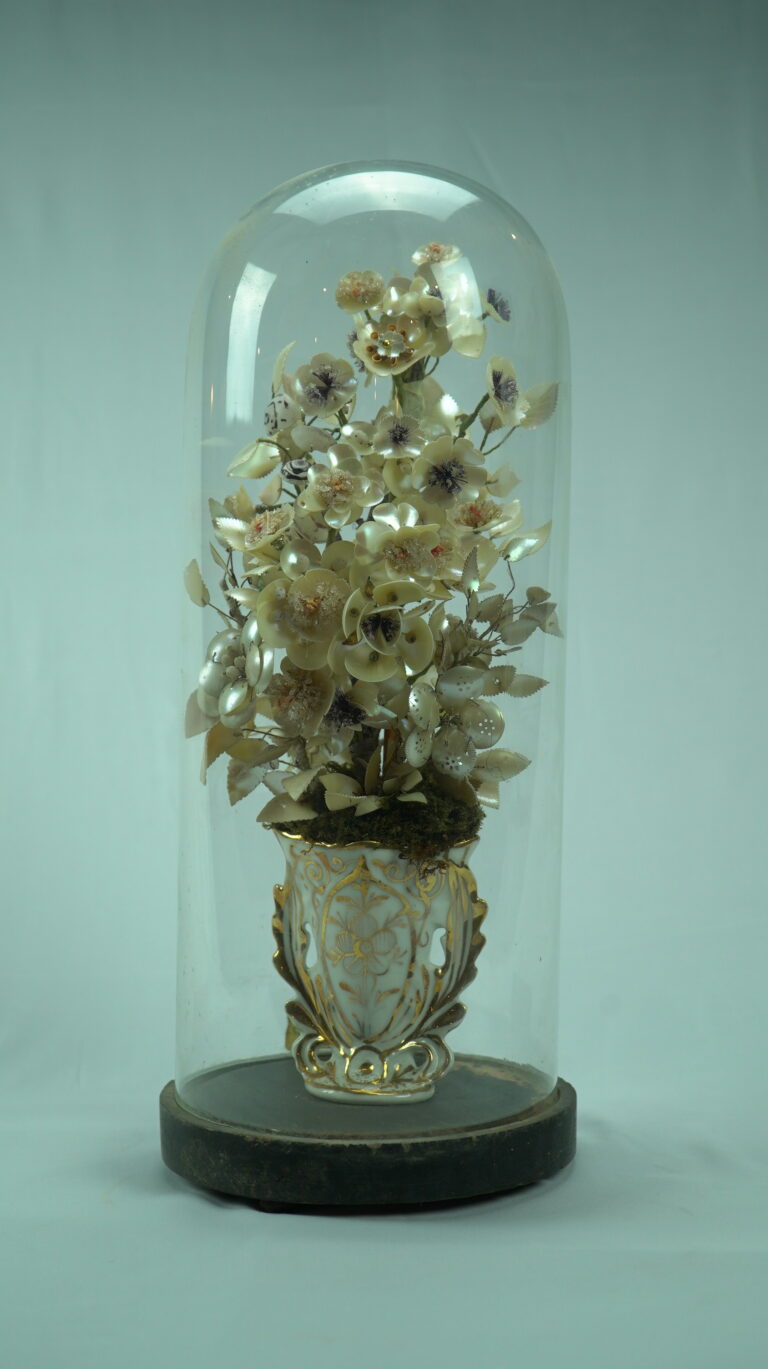
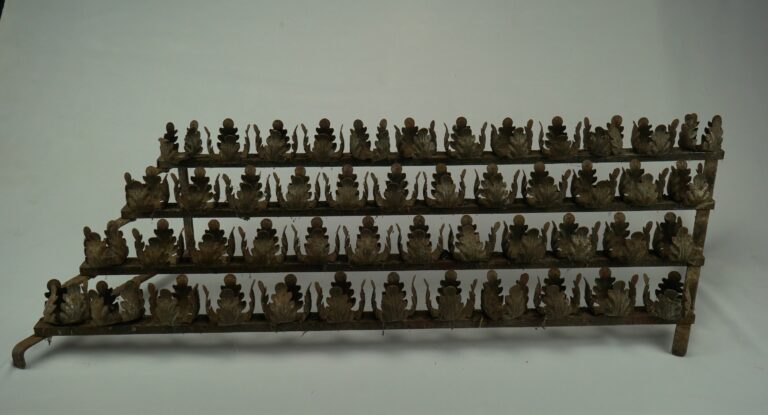
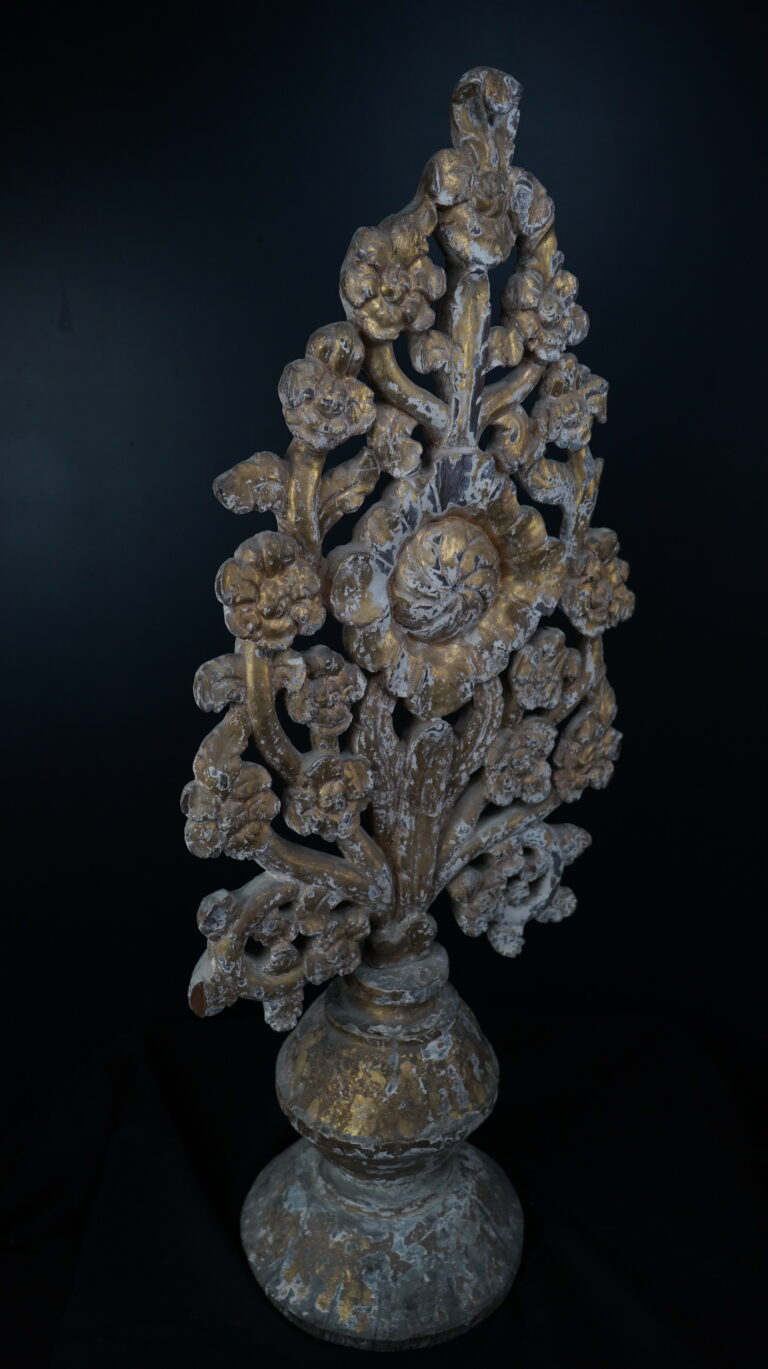
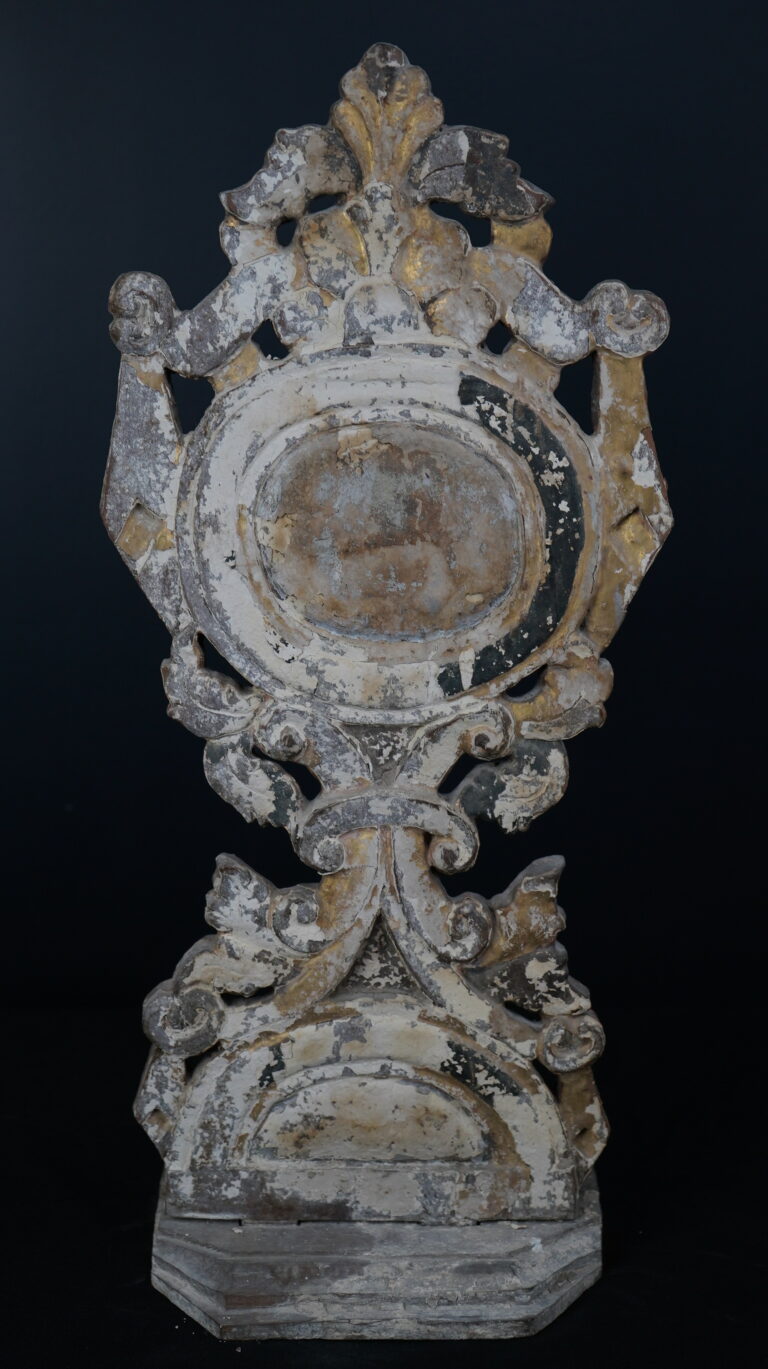
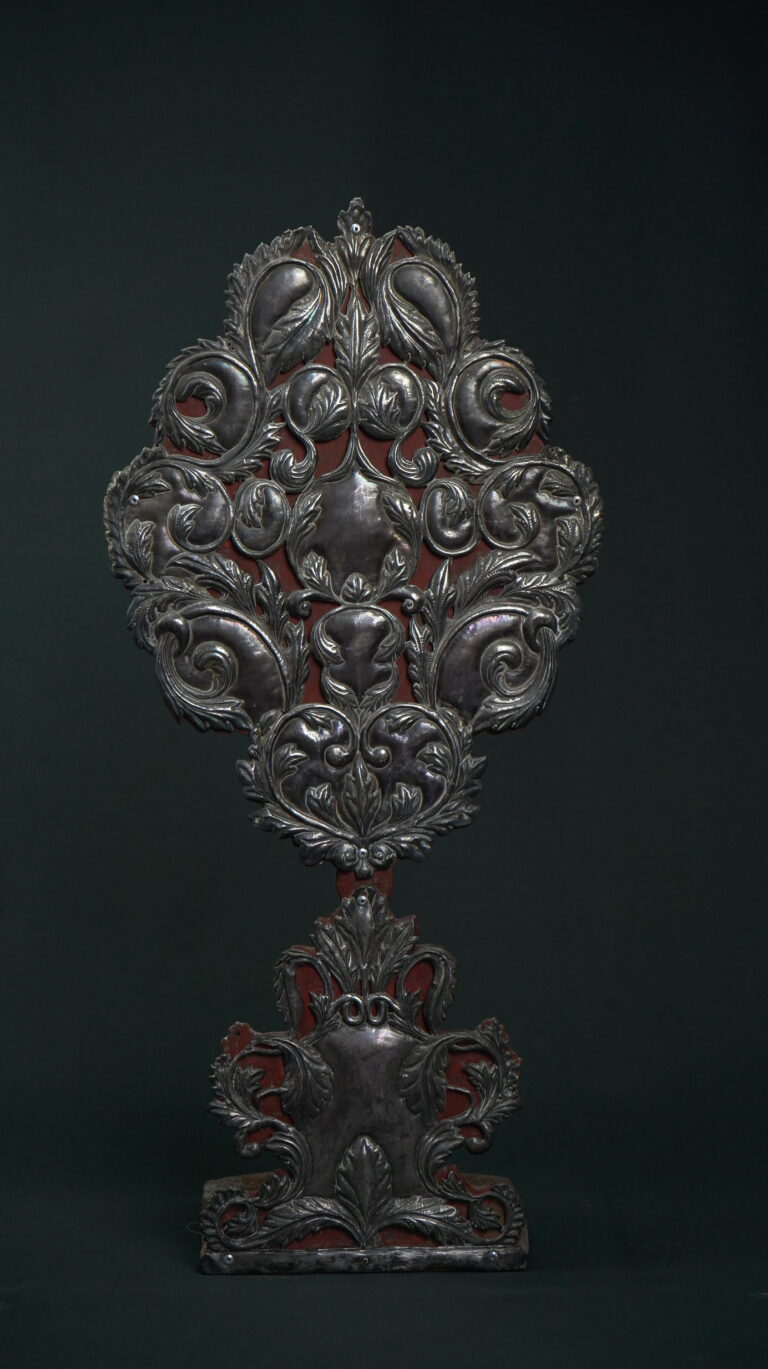
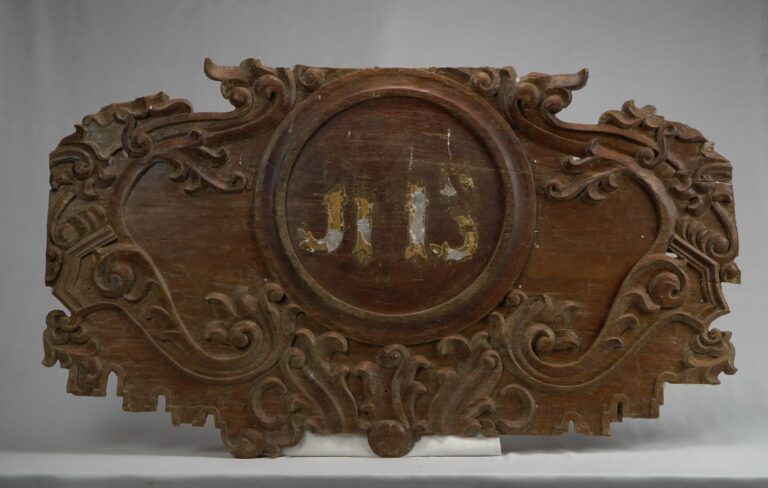
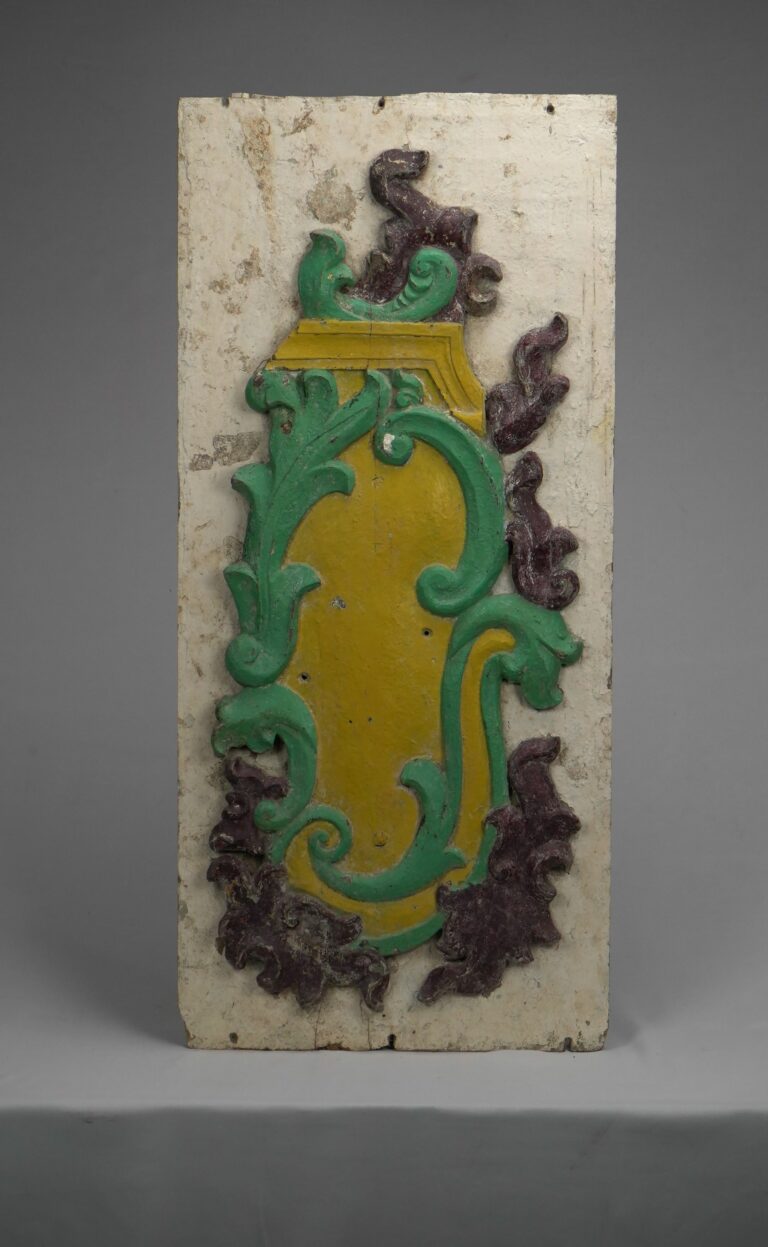
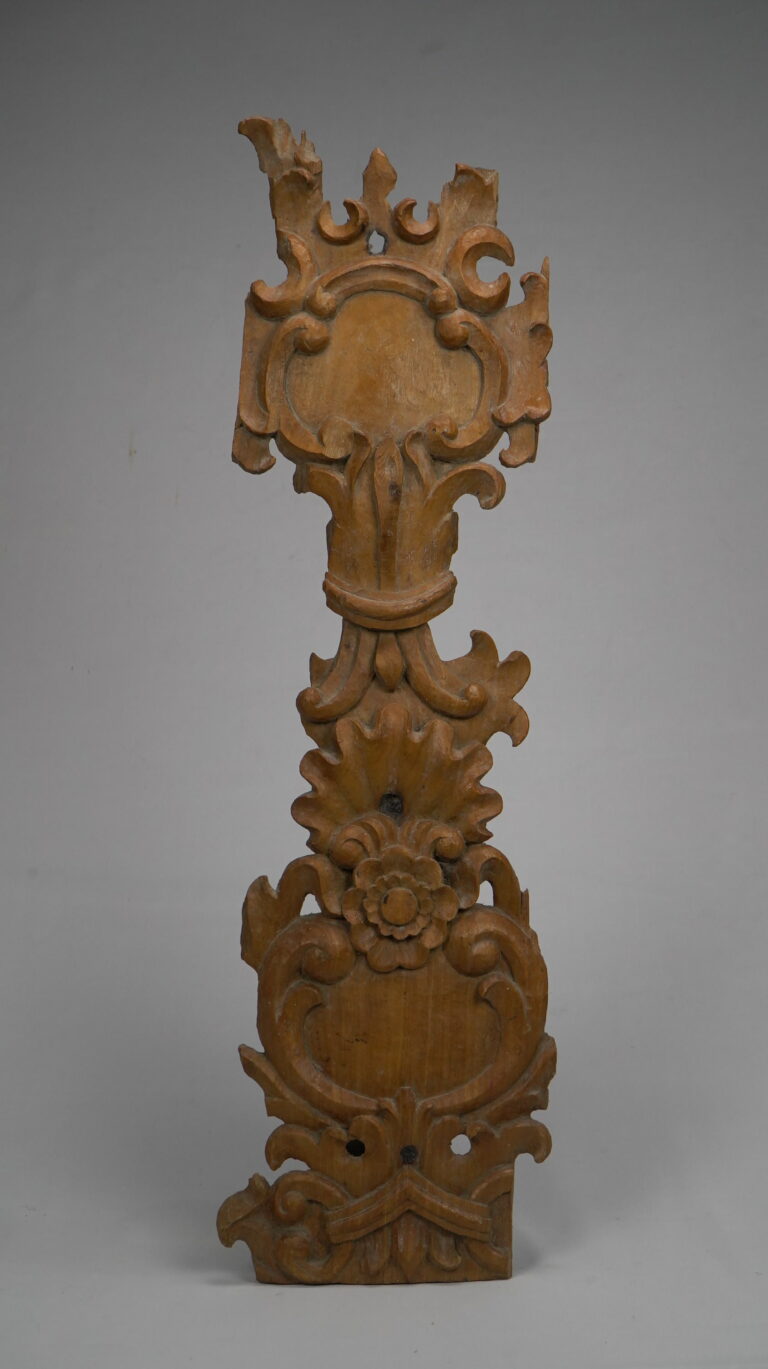
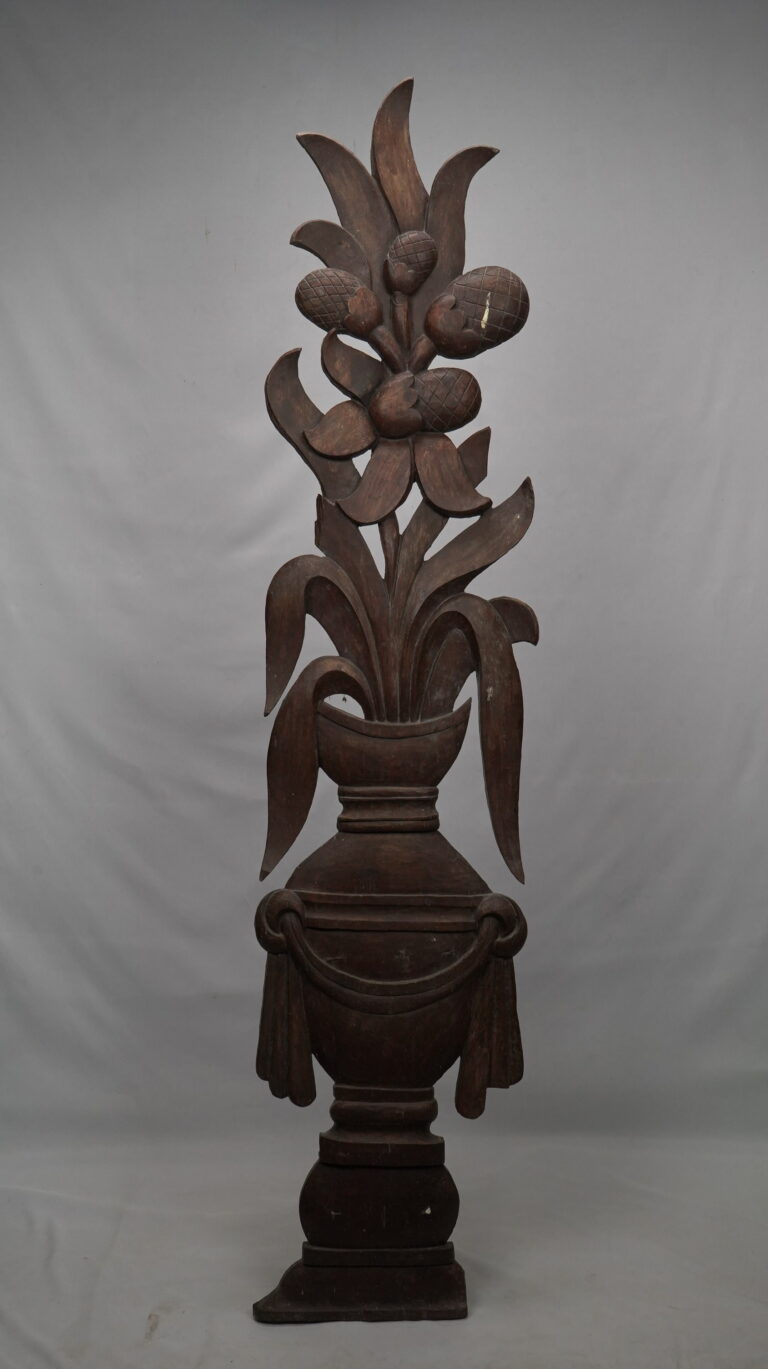
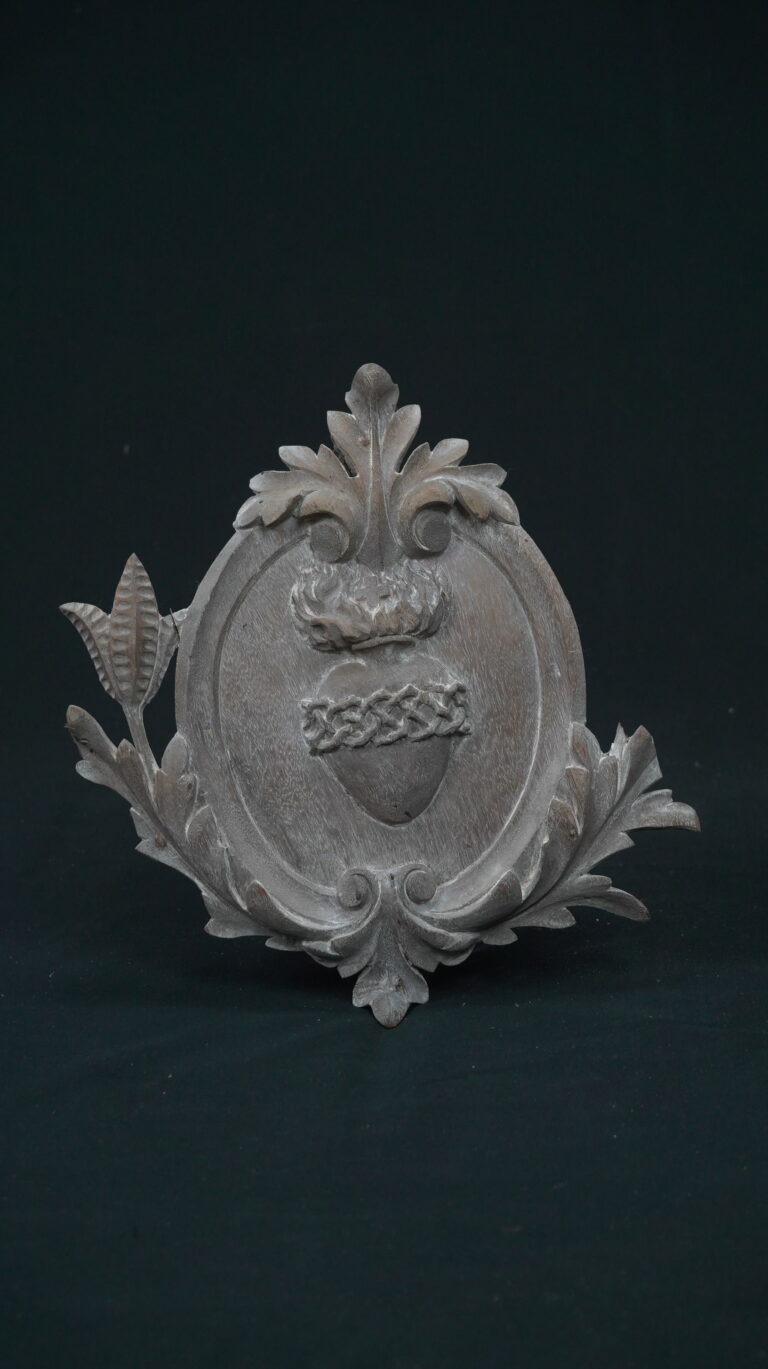
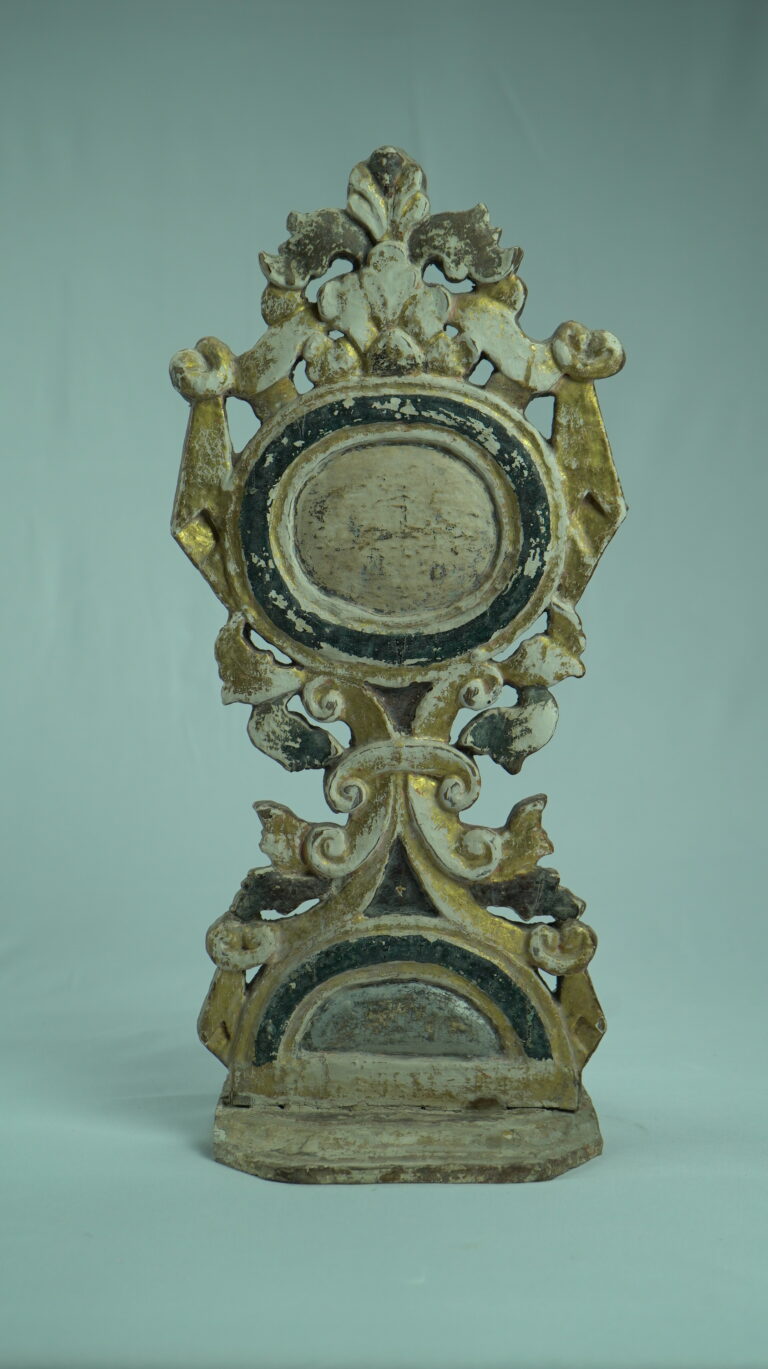
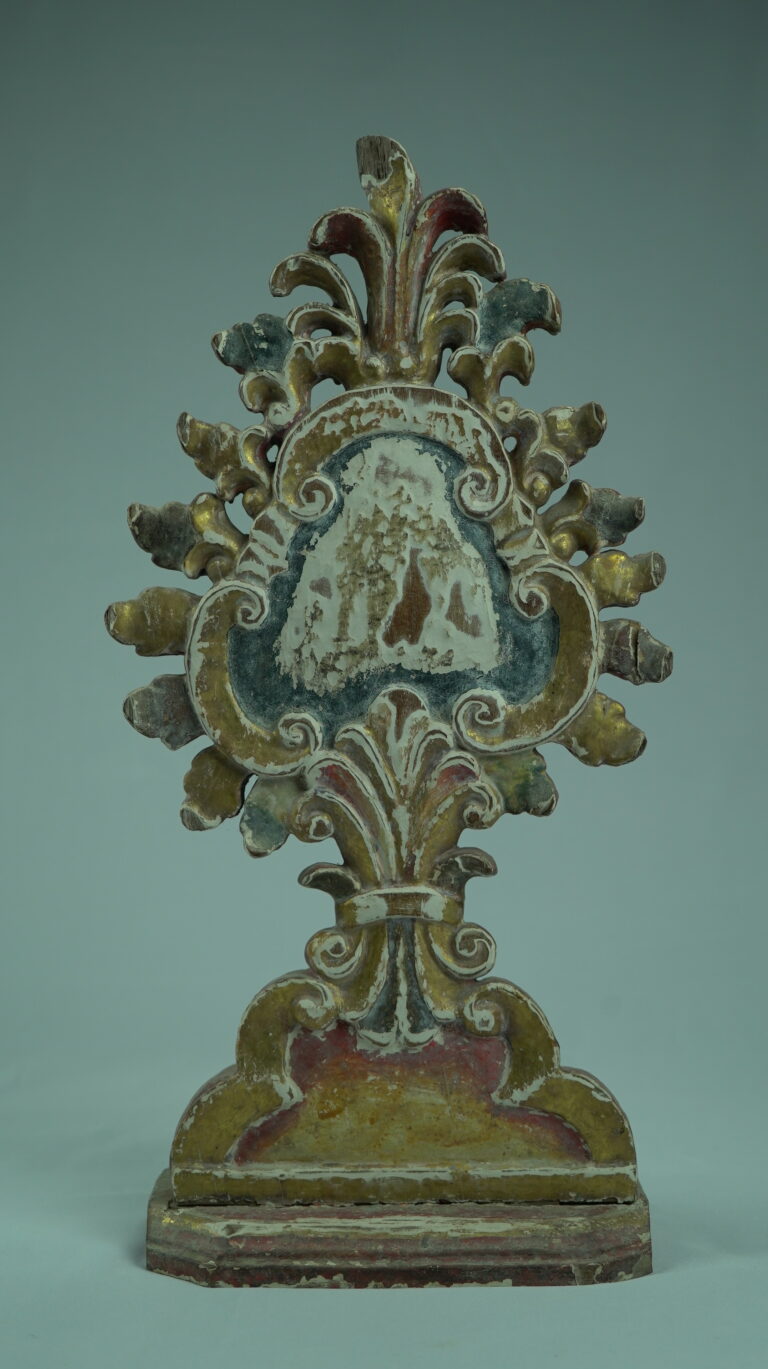
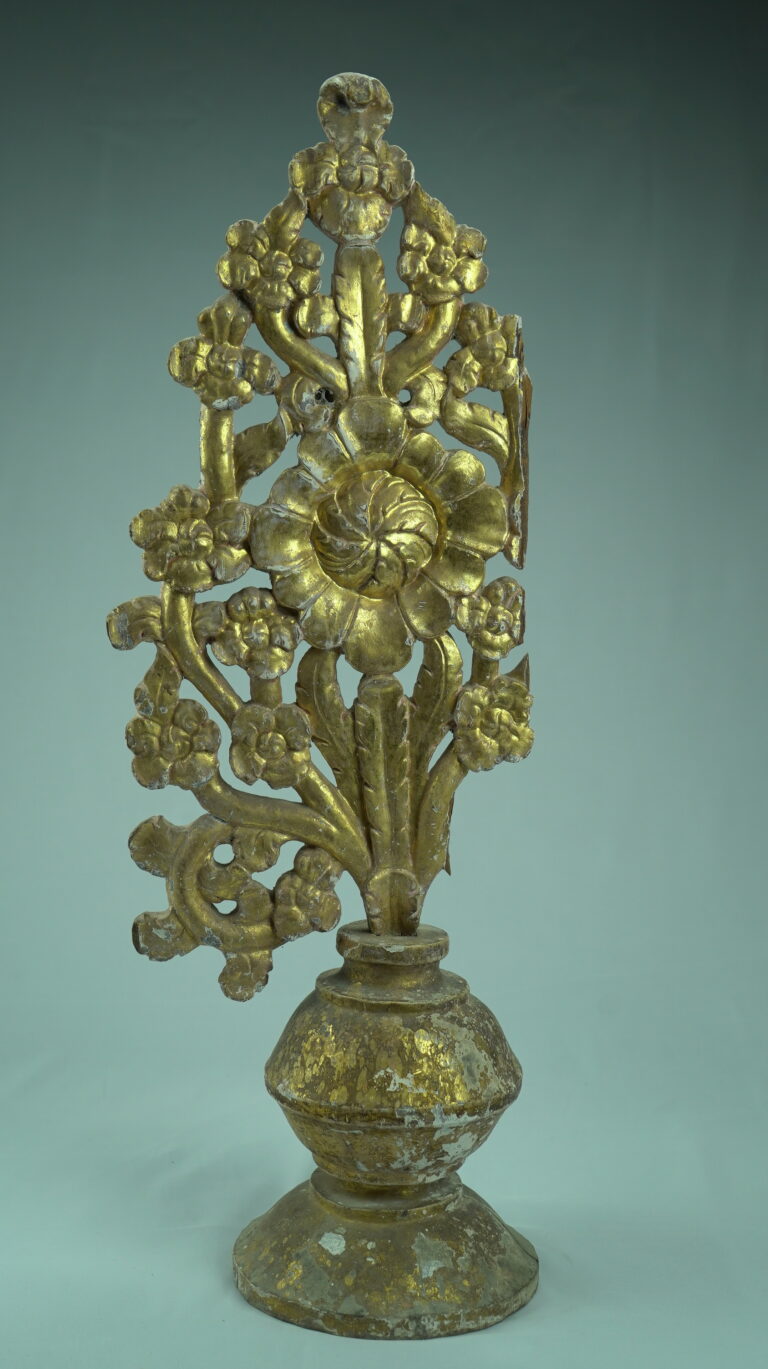
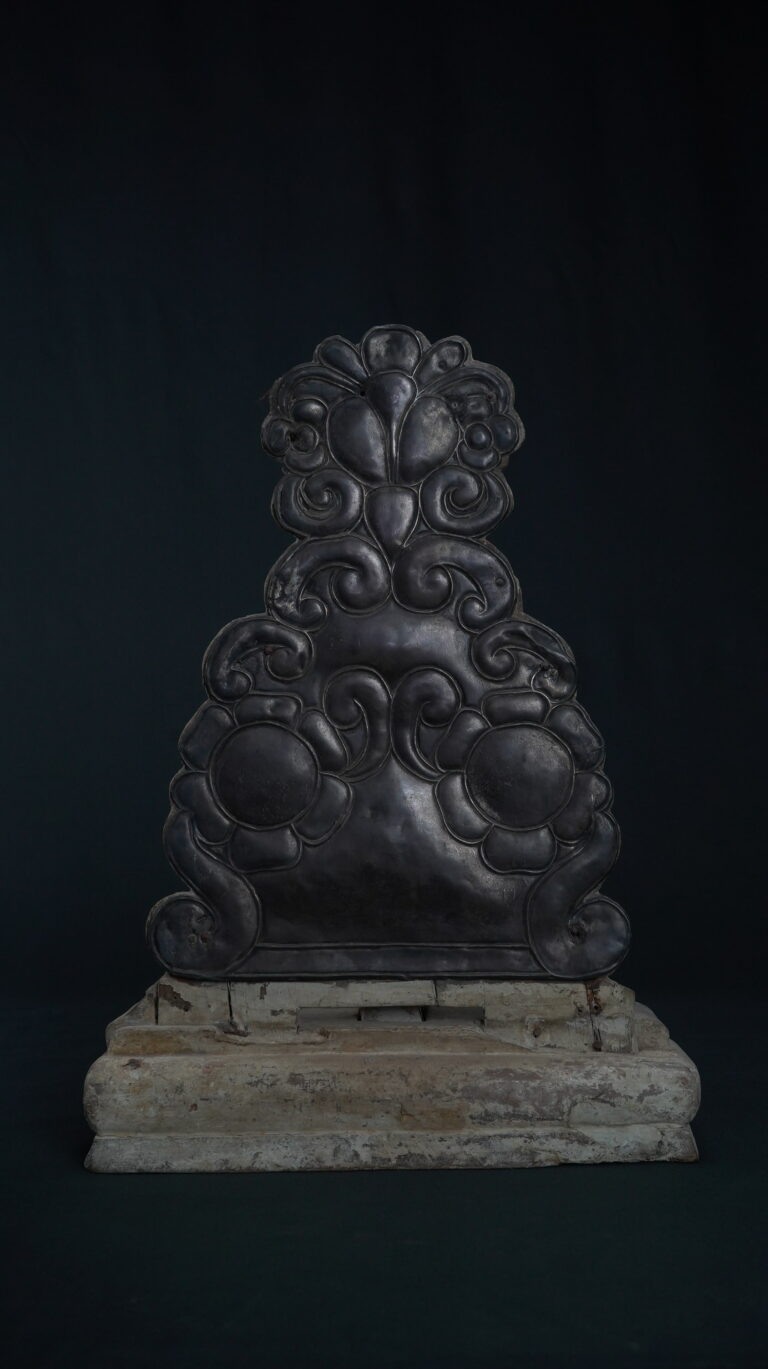
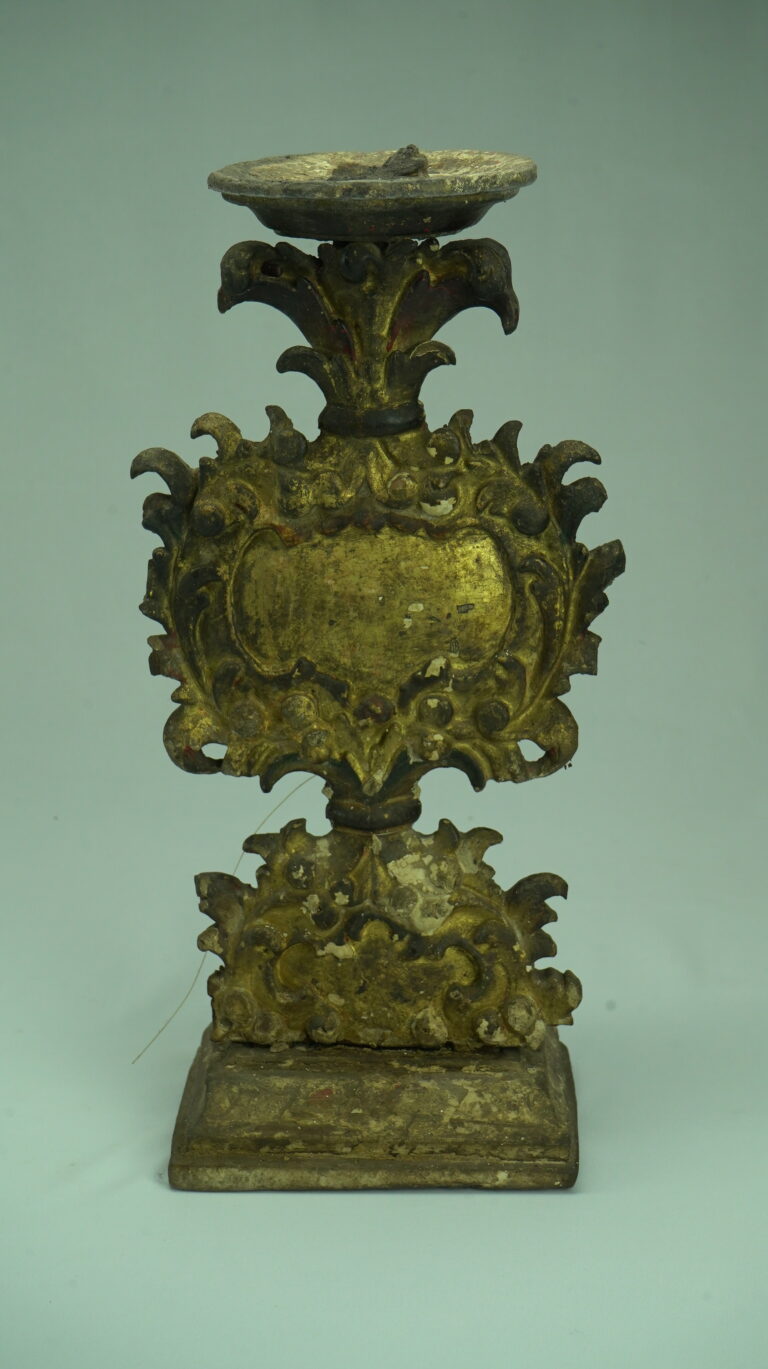
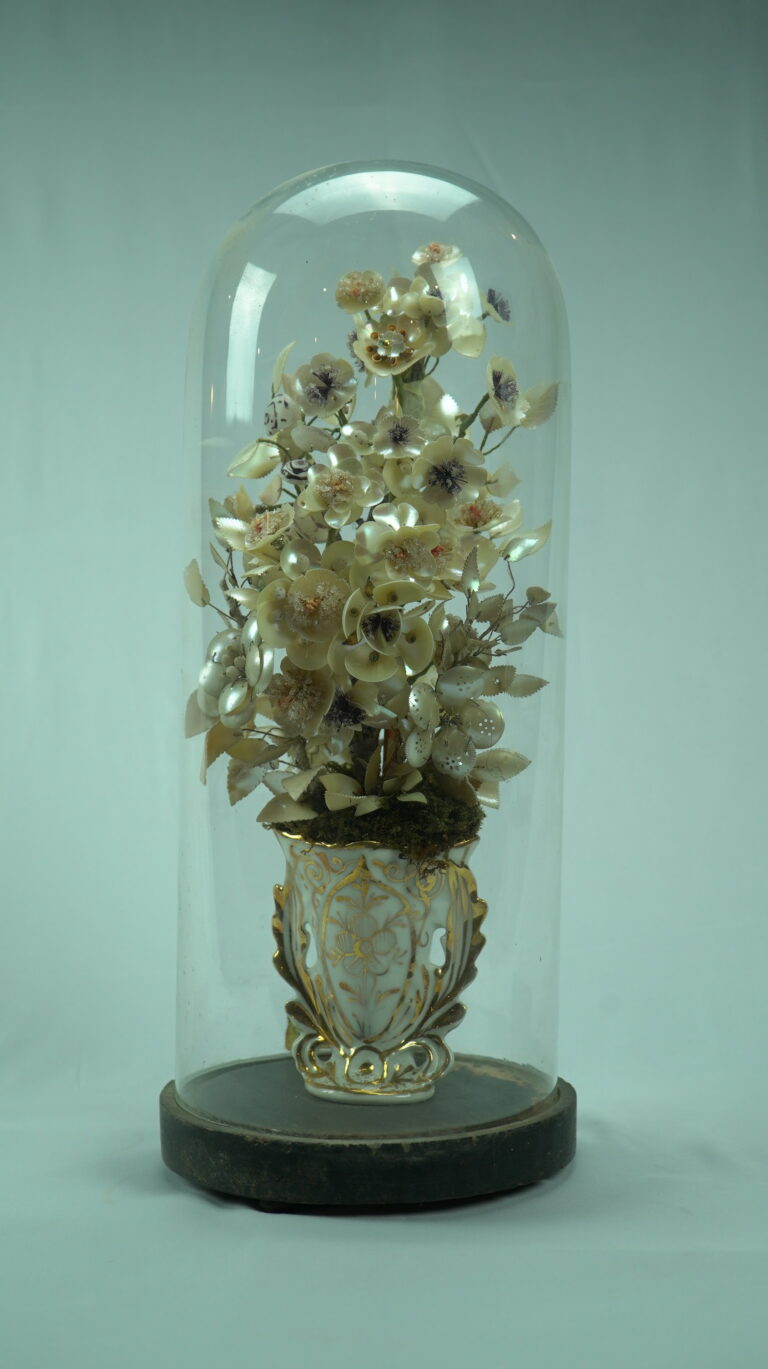
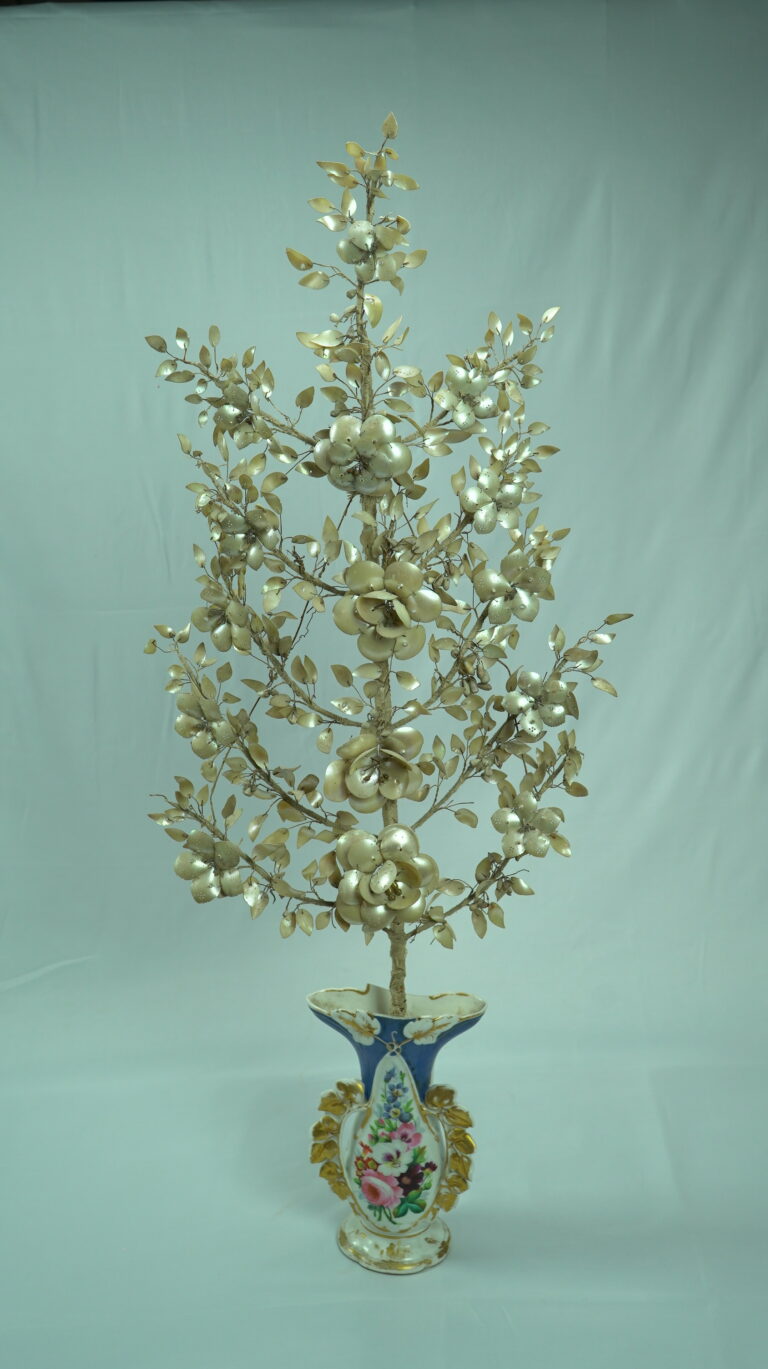
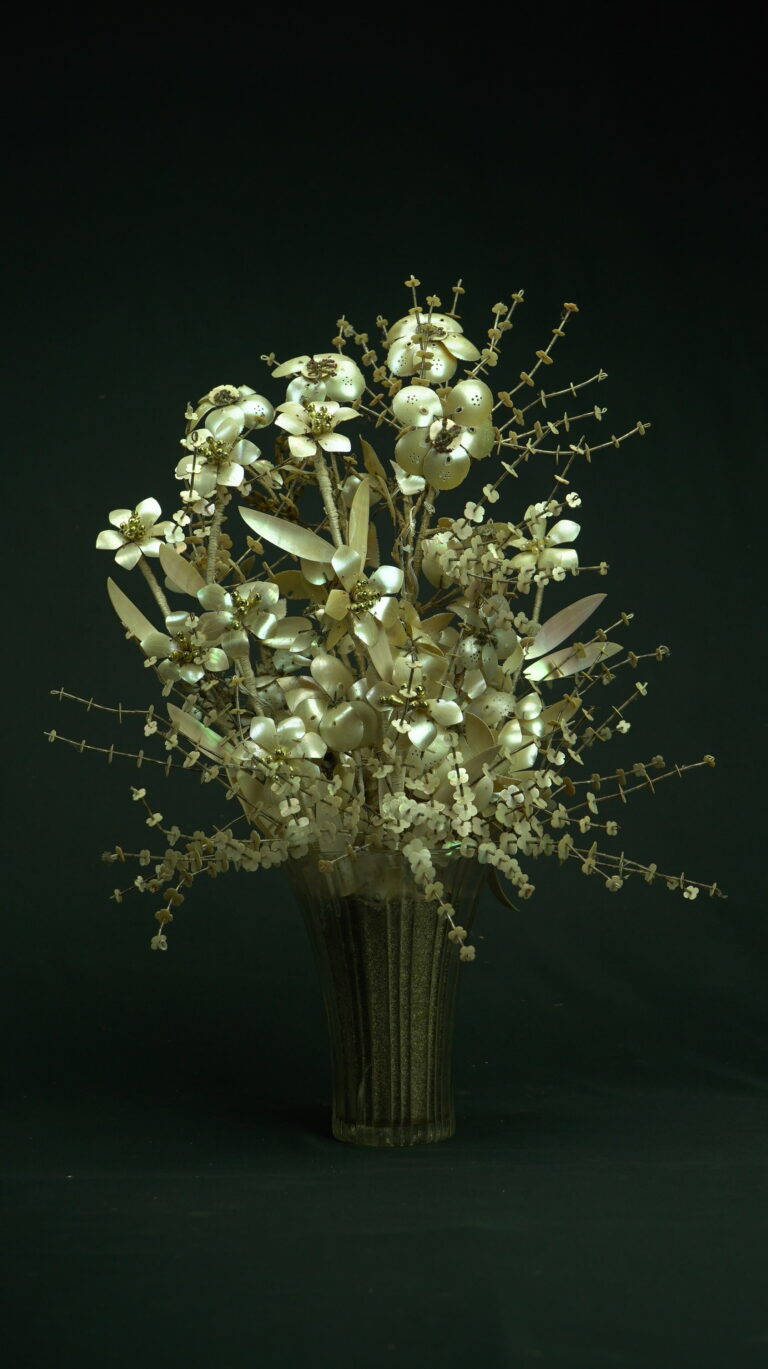
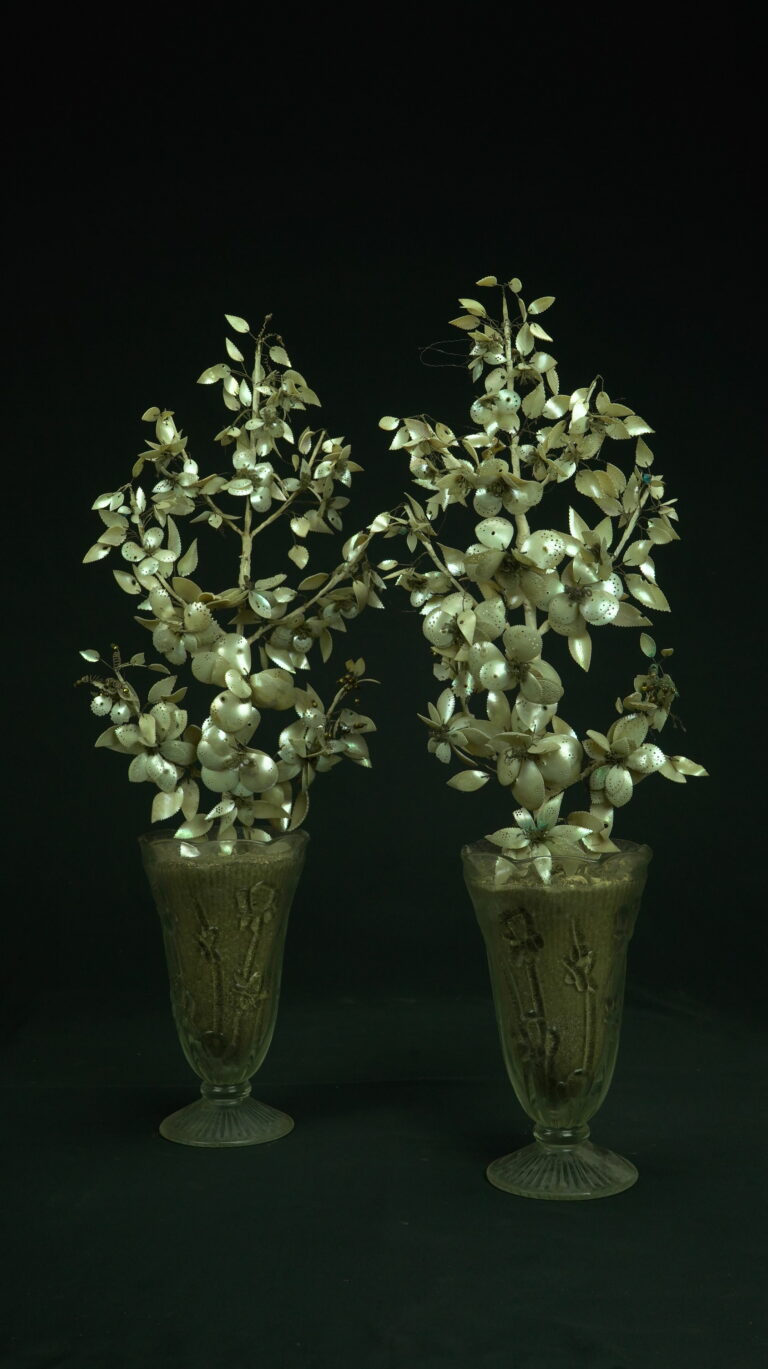
The preferred type of church decoration is those that ensure “noble simplicity” that is combined with elegance. The church considers art that adapts and embodies the culture and tradition of the people admissible as well. A particular application to this provision is the lagang, which are altar decorations made from the shell of the chambered nautilus. Aside from the lagang, items in this collection include wooden decorative pieces in the form of a ramillete or bunch of flowers or a cartouche or a carved oval ornamental panel. A number of metal or wooden candle holders are also among the decorative articles.
Great care is given to all liturgical objects, including all those that fall under church furnishings. All aspects of the celebration of the Eucharist are kept holy; thus, even decorative elements of the church have to be suitable and contribute to the sanctity and beauty of the Eucharistic celebration.
Lagang Pieces from Boljoon
By Joanalyn P. Gabales
The General Instruction on the Roman Missal allows art forms from a specific region or culture and tradition as part of church furnishings. The lagang is the perfect example of this kind of church furnishing. Two such church decorations are preserved in the Nuestra Señora del Patrocinio de Maria Parish Church in Boljoon, Cebu. Both pieces are in the form of a ramillete, or a bouquet of flowers. One, however, is described as a sculptural piece and is encased in a glass globe. Both pieces look delicate and fragile, so it is a wonder how they have endured for many years.
Baldwin Batoctoy Navarro of Boljoon talks about the purpose of lagang and the lagang-making process: Daghang mamuhatay og lagang sa Dalaguete pero sa akong pagkahibalo ang mga lagang diri sa atong lungsod is locally made by Boljoanons… Ang fresh flowers sauna is scarce, nihit ang presko nga bulak. Ang idayad sa mga karaang tawo sa una is ang mga lagang. So makita nato dinha naay mga lagang nga gagmay, naay dagko ug naay mga lagang nga dagko kaayo nga murag Christmas tree… dili siya sayon, kinahanglan pa nimo siya huloman sa suka para mohumok iyang calcium, ma-decalcified. Igka human mag-cutting, human bangagan, human bangagan tuhogon matag buok, every piece naay kaugalingon nga wire. Igka human, gikan sa wire magbuhat na pod og lipak kawayan. Sa kawayan didto ihikot ang wire, porma-pormahon hangtod maporma na og bulak. Hangtod mahimo na siyang usa ka ramillete. Ang gihatag nga dedication, ang gihatag nga debosyon, devotion para ana makita nimo kon unsa ka nindot ang ilang trabaho. (A lot of people from Dalaguete are lagang makers, but as far as I know the lagang here in town are locally made by Boljoanons… The fresh flowers were scarce before. The decorations that the old people used before was the lagang. So, we can see that there are small pieces and there are big ones, like trees, and some are as big as a Christmas tree. Making it is not easy, you have to soak it in vinegar to soften the calcium, to decalcify it. After that the cutting is done, thereafter holes are punched. After the holes are done, each piece is tied with wire. After that, the bamboo splints are made. The wires are then twisted around the splints and the lagang will be shaped until it forms a flower until it becomes a ramillete. One can see the dedication or the devotion given from the beauty of the work. [Interview with Baldwin Batoctoy Navarro, Boljoon] [Do not include this paragraph in the word count.]
Even with some documentation of lagang making done within the twenty-first century (Archaeologist Jobers Bersales mentions Lucris Tan who had studied the process of making lagang), it has been called a dead or lost art. With Navarro’s description above, it seems that the process is well-known and may even still be replicated. The other concern, of course, is sourcing the chambered nautilus, which is now considered a highly vulnerable species, that provides the material for the art. The depletion of the population of this sea creature may actually be the real reason why keeping alive the art of lagang could be a difficult endeavor. For now, we relish and admire the pieces that have been preserved in the parishes of Cebu as well as in the homes that have kept them as family treasures.