Because of the utmost importance of the Holy Eucharist, the center and apex of the prayer life of the Catholic faithful, the General Instruction on the Roman Missal requires that it should be conducted in the most dignified way. For this the GIRM enumerates the requisites for the celebration of the Eucharist, and in this gallery, as well as in the next two, the focus is on sacred objects that are elements of the liturgical norm intended to ensure the dignity and beauty of the celebration.
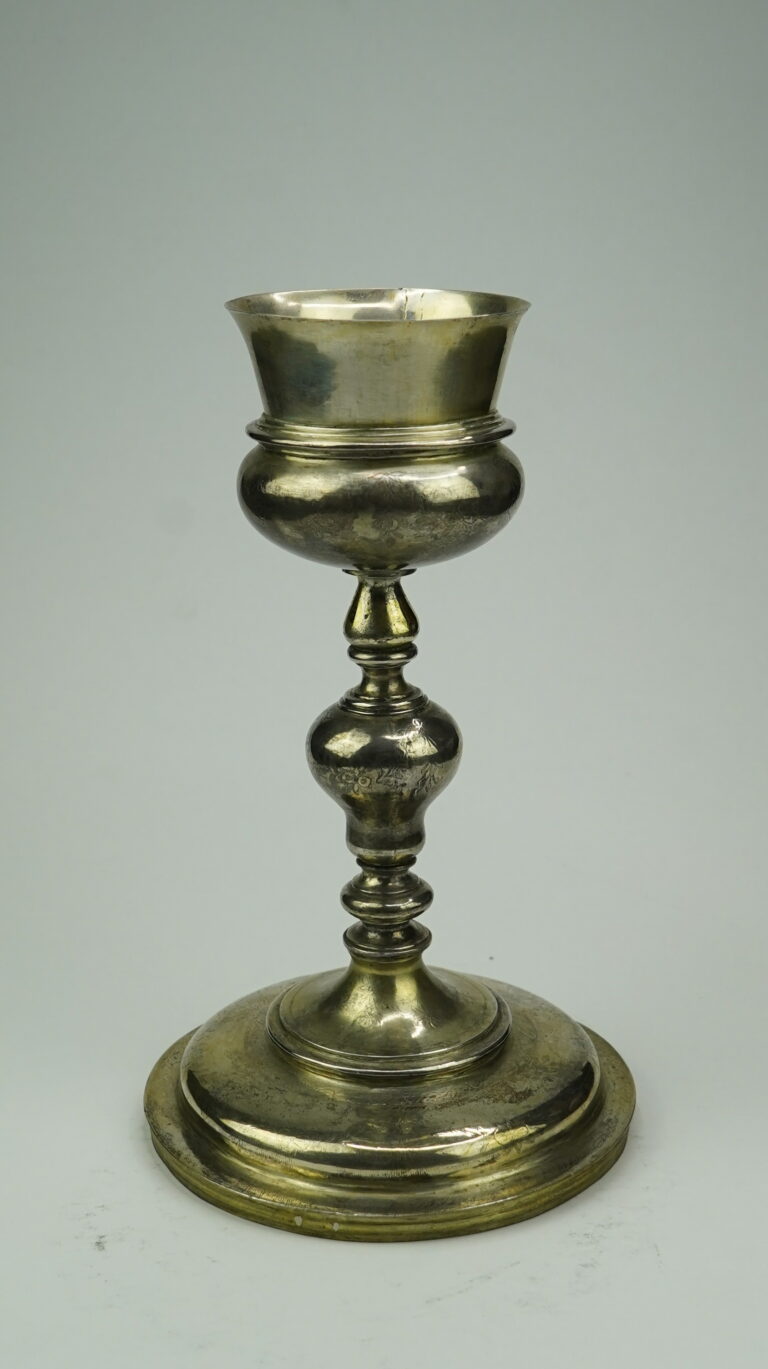
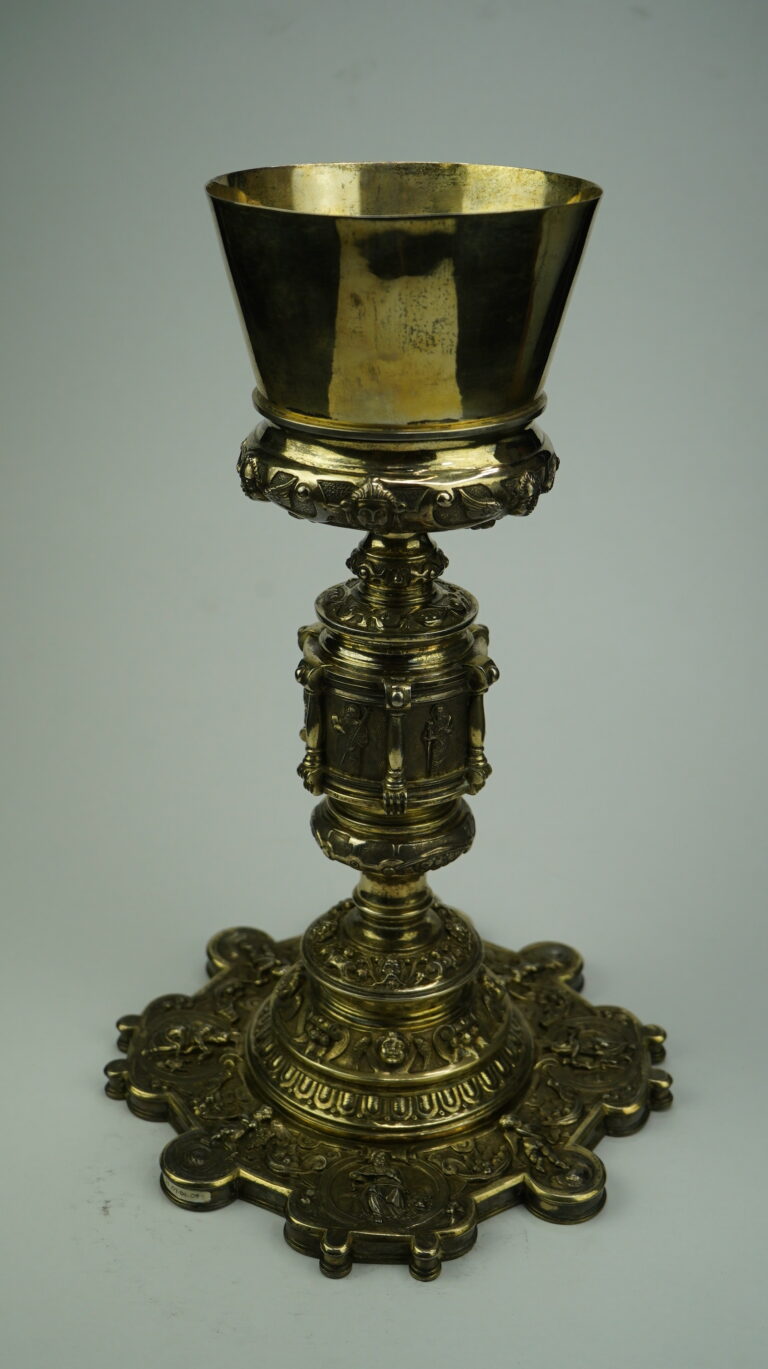
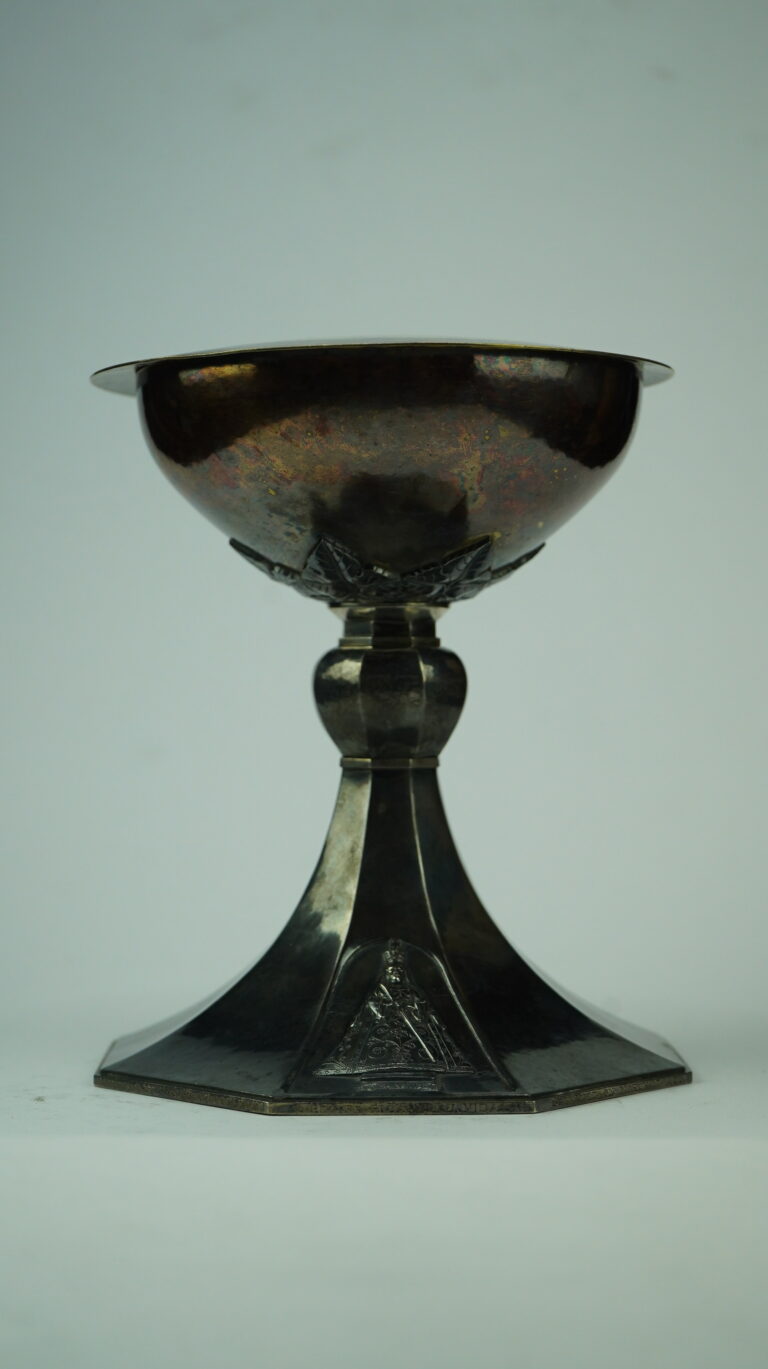
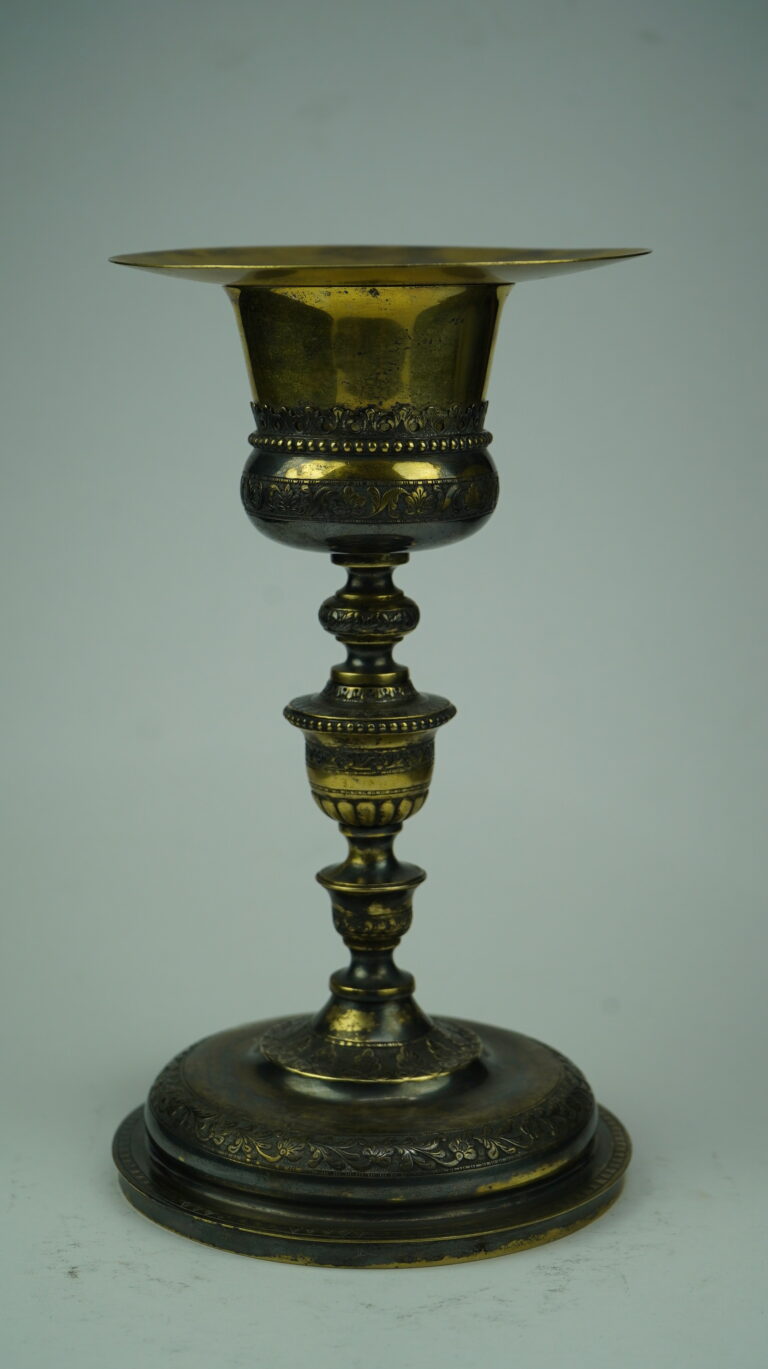
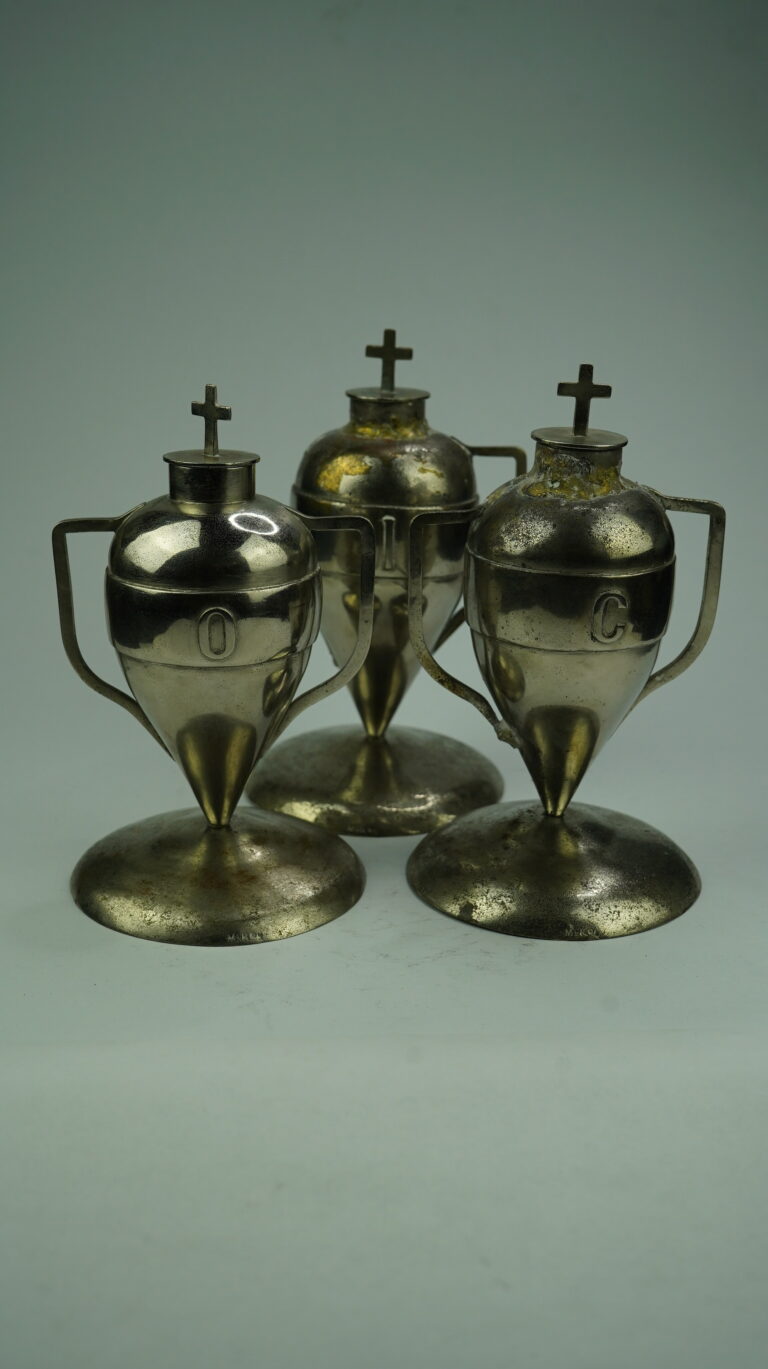
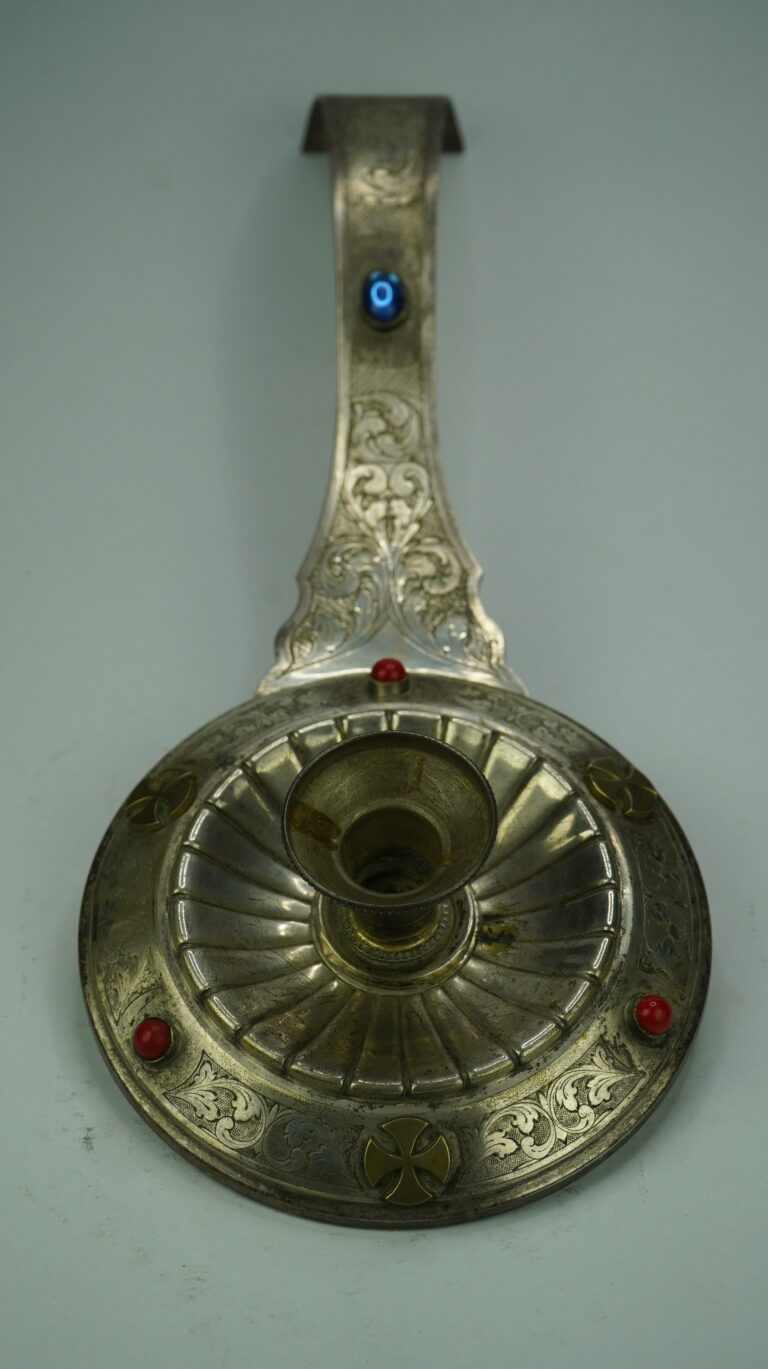
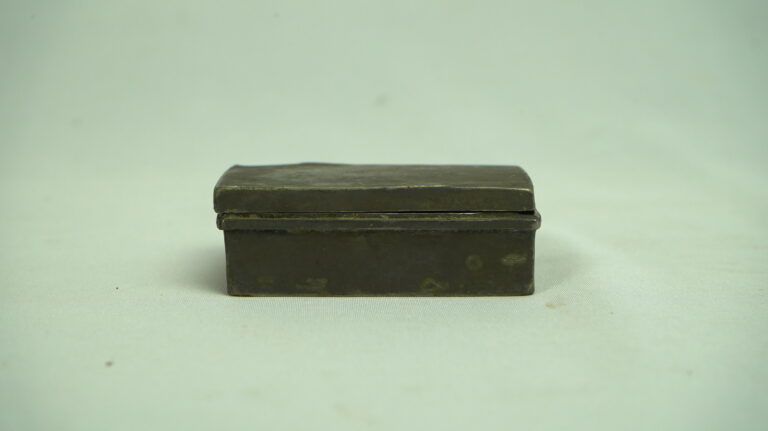
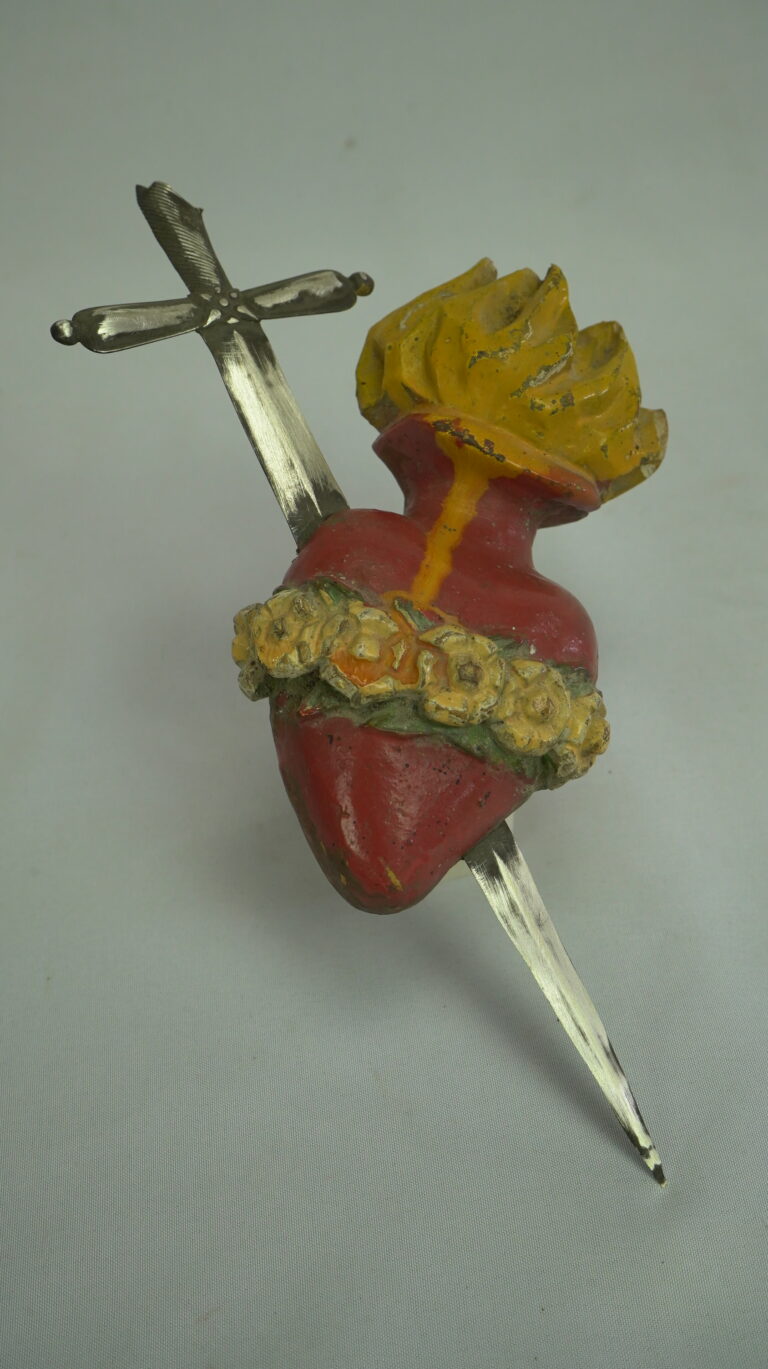
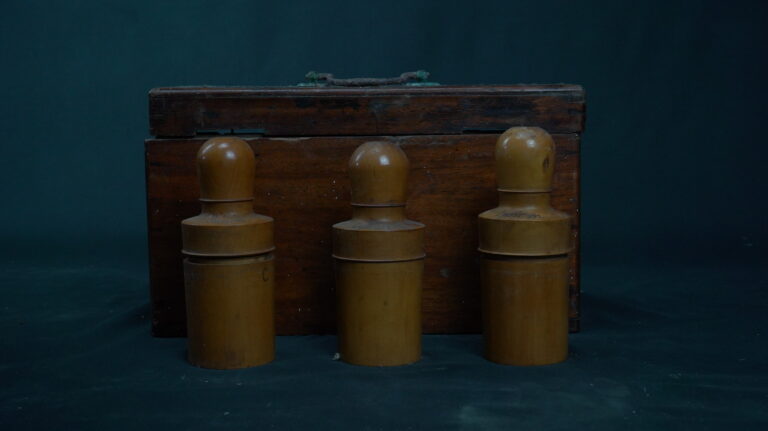
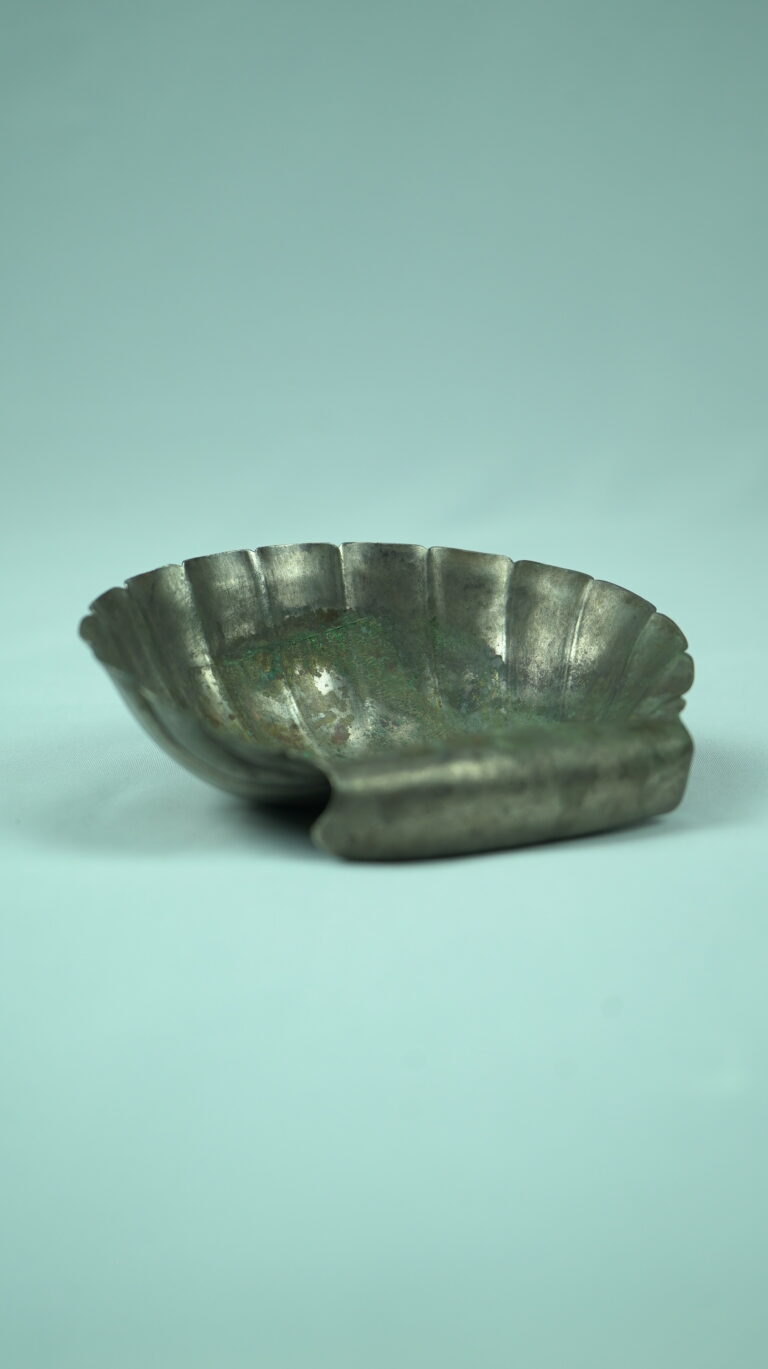
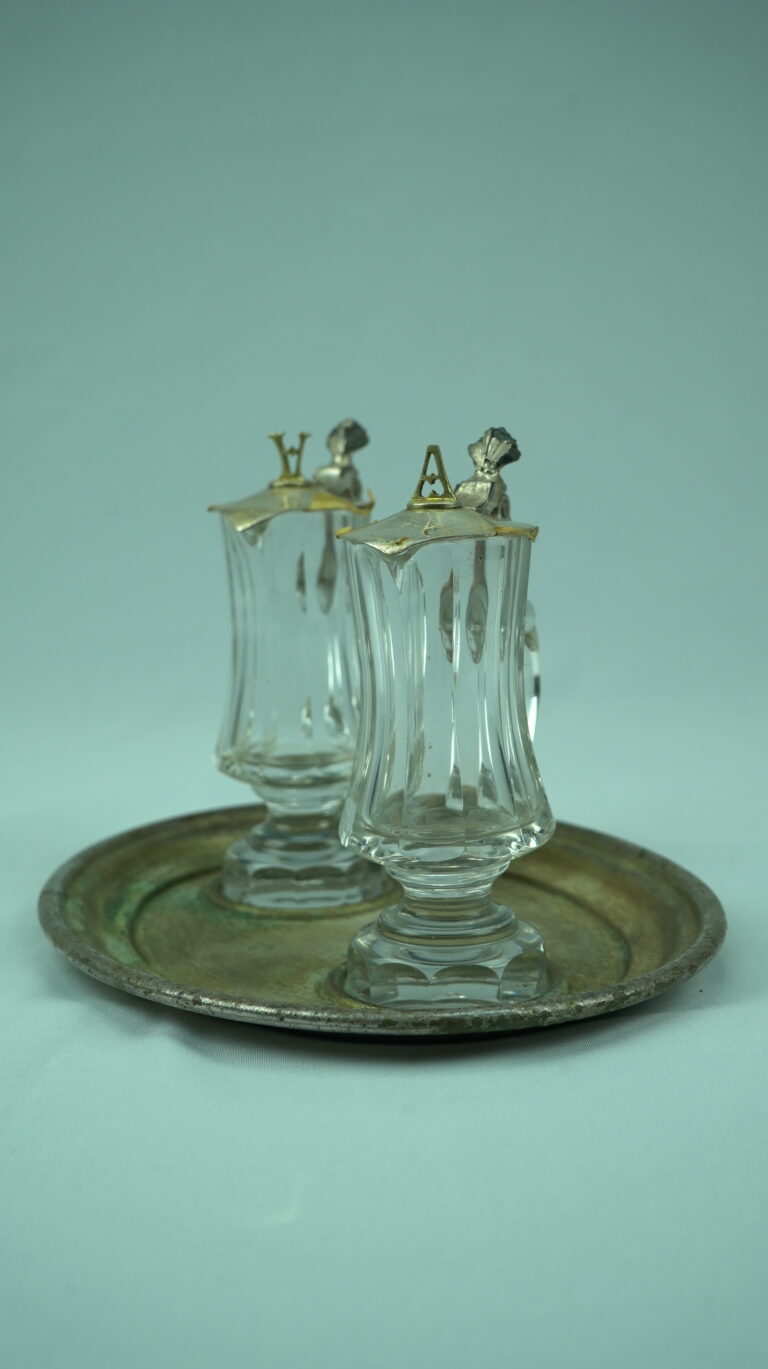
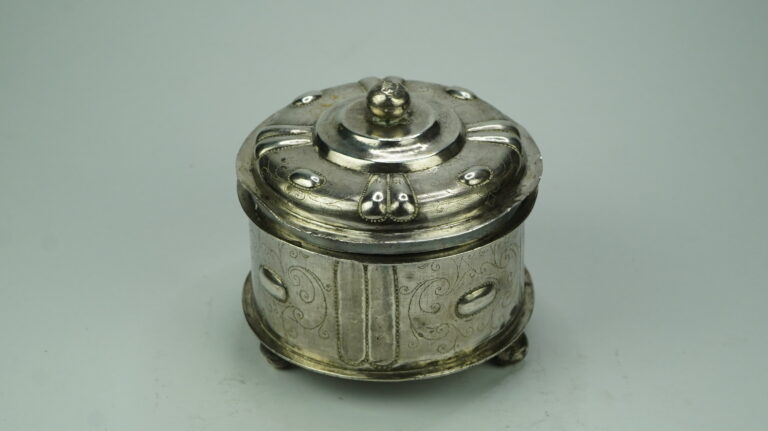
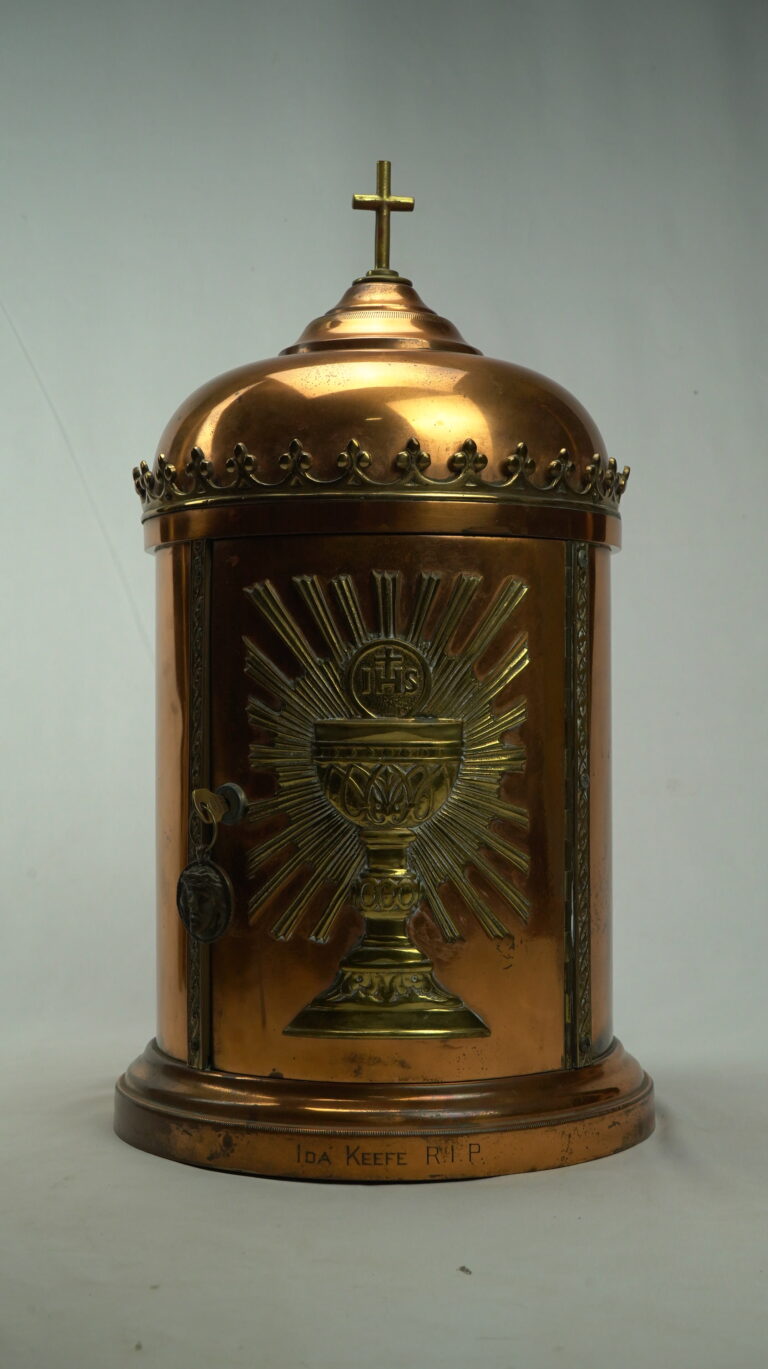
Specifically, for this gallery, the collection shows the sacred vessels and other liturgical objects used during the Holy Mass and other sacraments. Sacred vessels are the receptacles used to hold the consecrated Body and Blood of Our Lord Jesus Christ. Because of the number of pieces documented, many of the artifacts here include the chalices, ciboria and monstrances.
Chalices and Ciboria
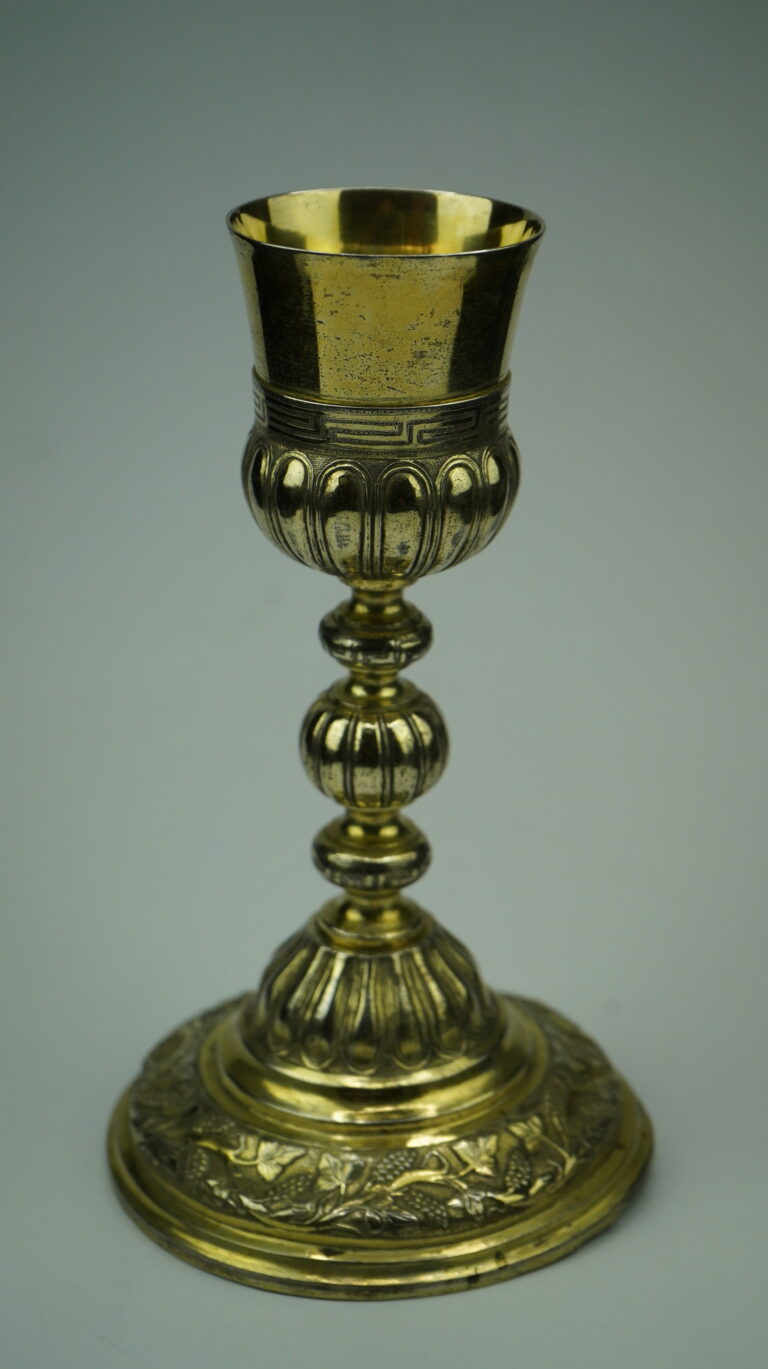
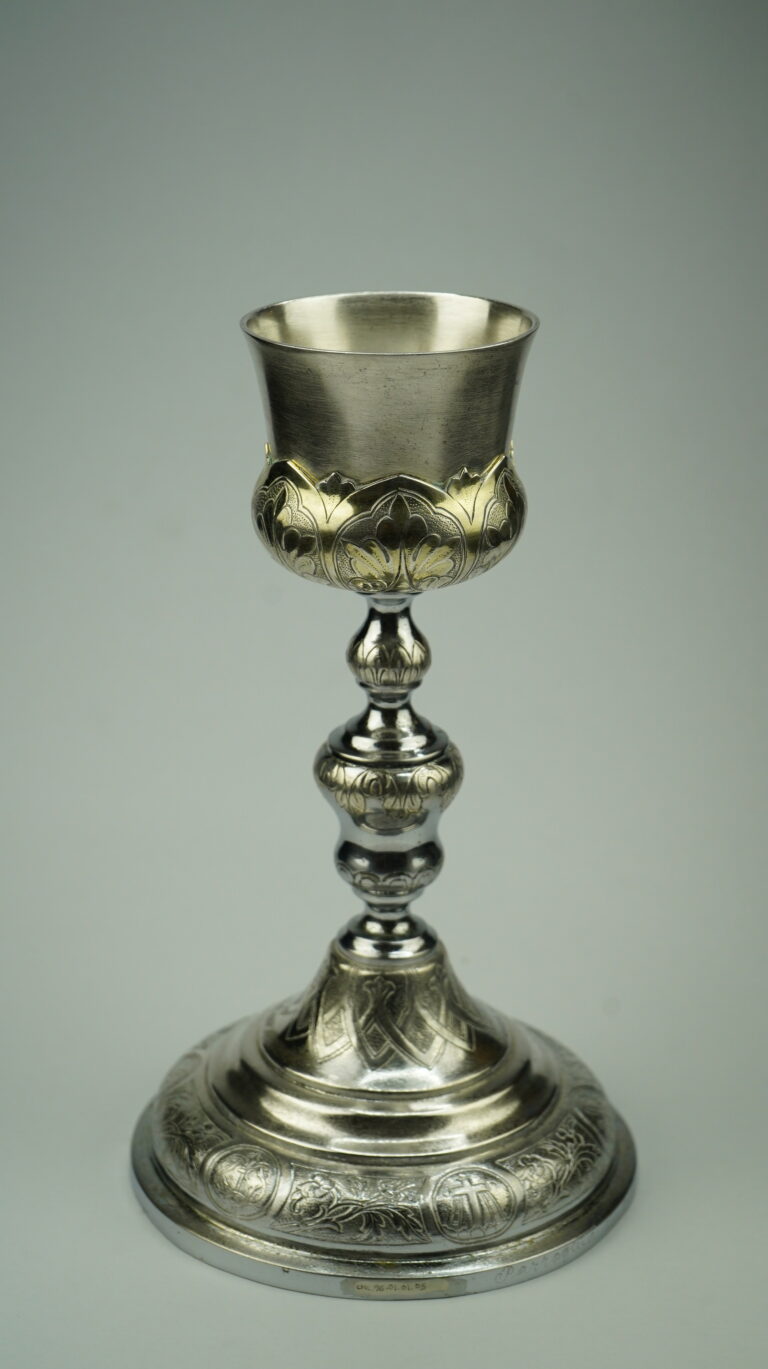
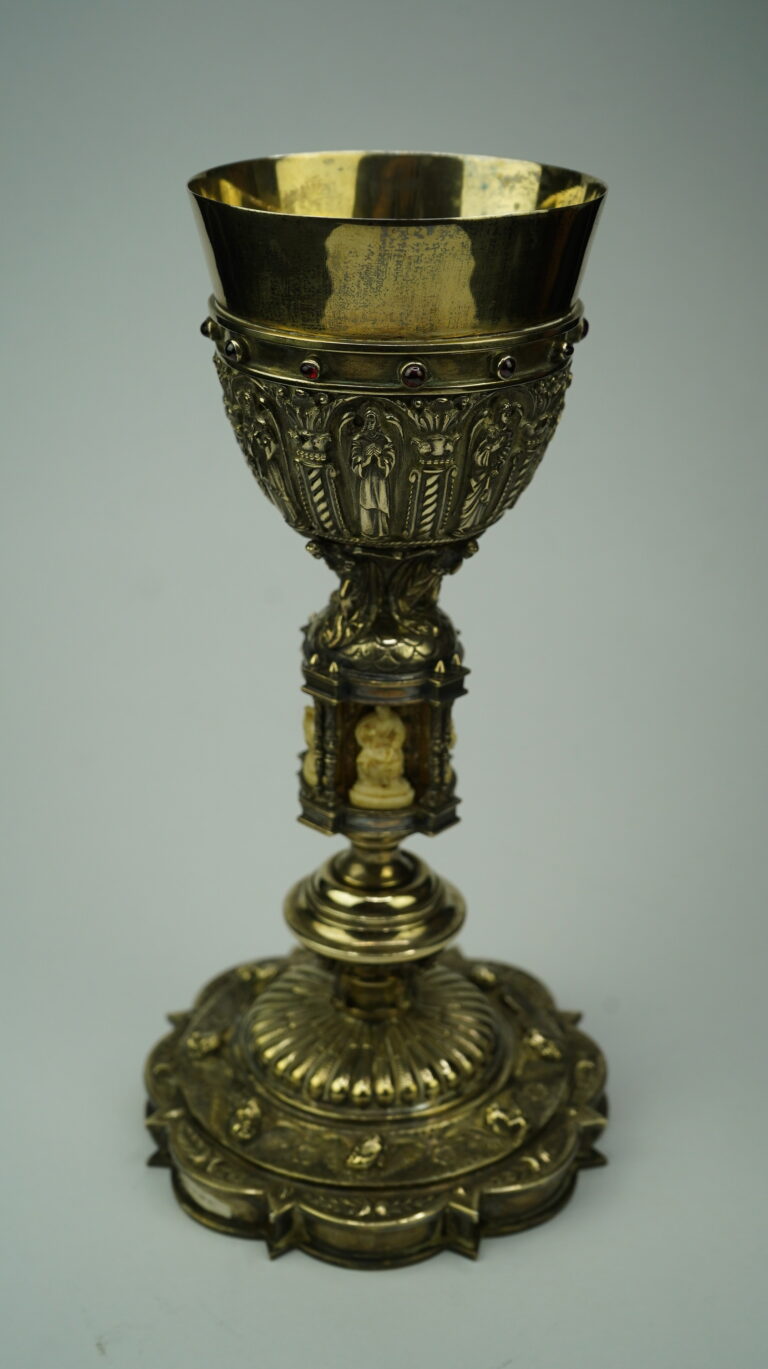
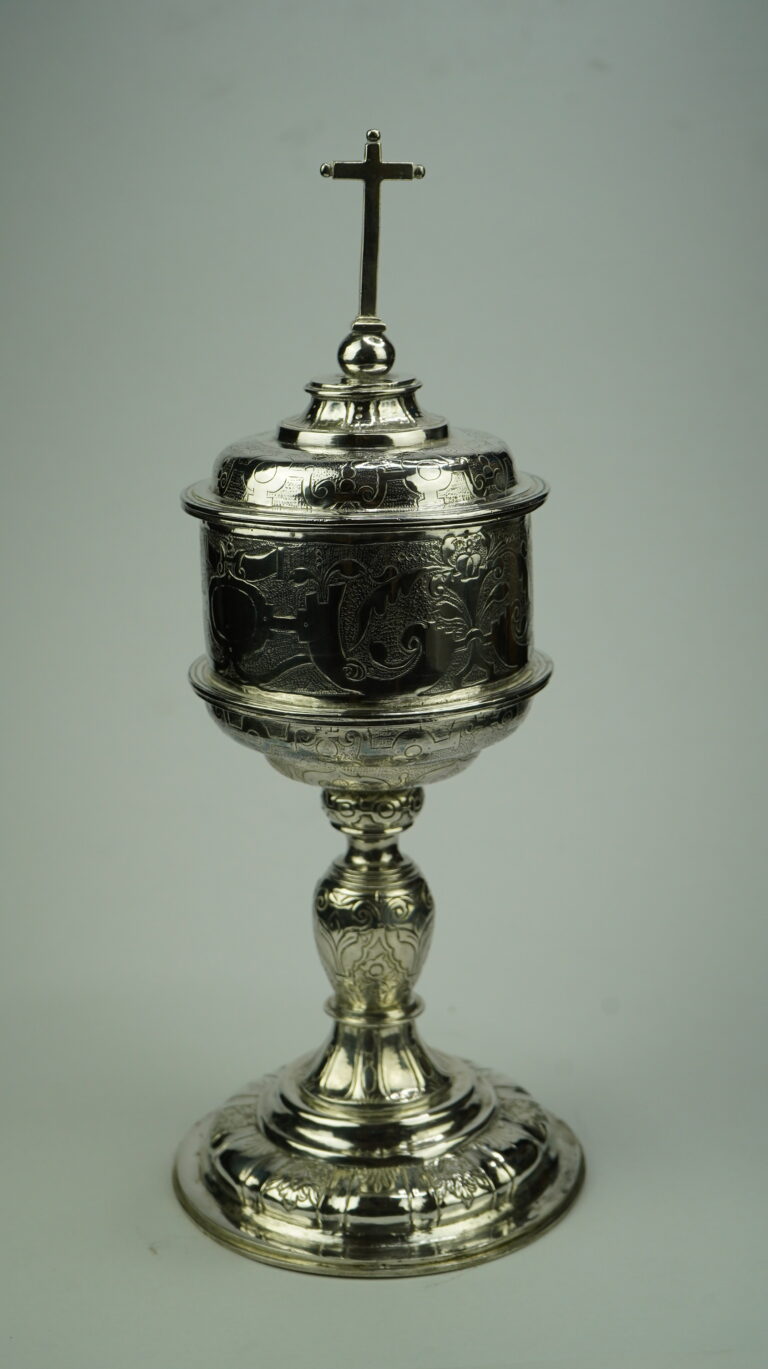
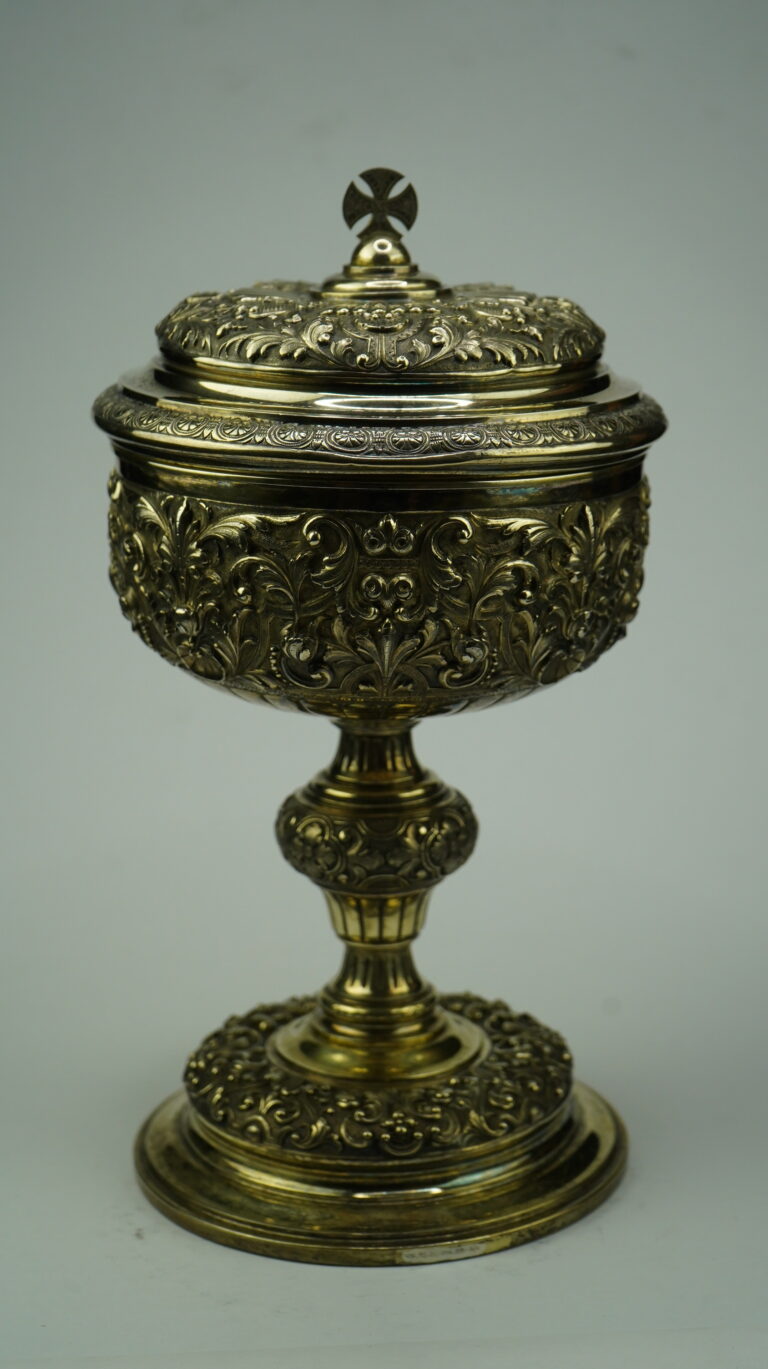
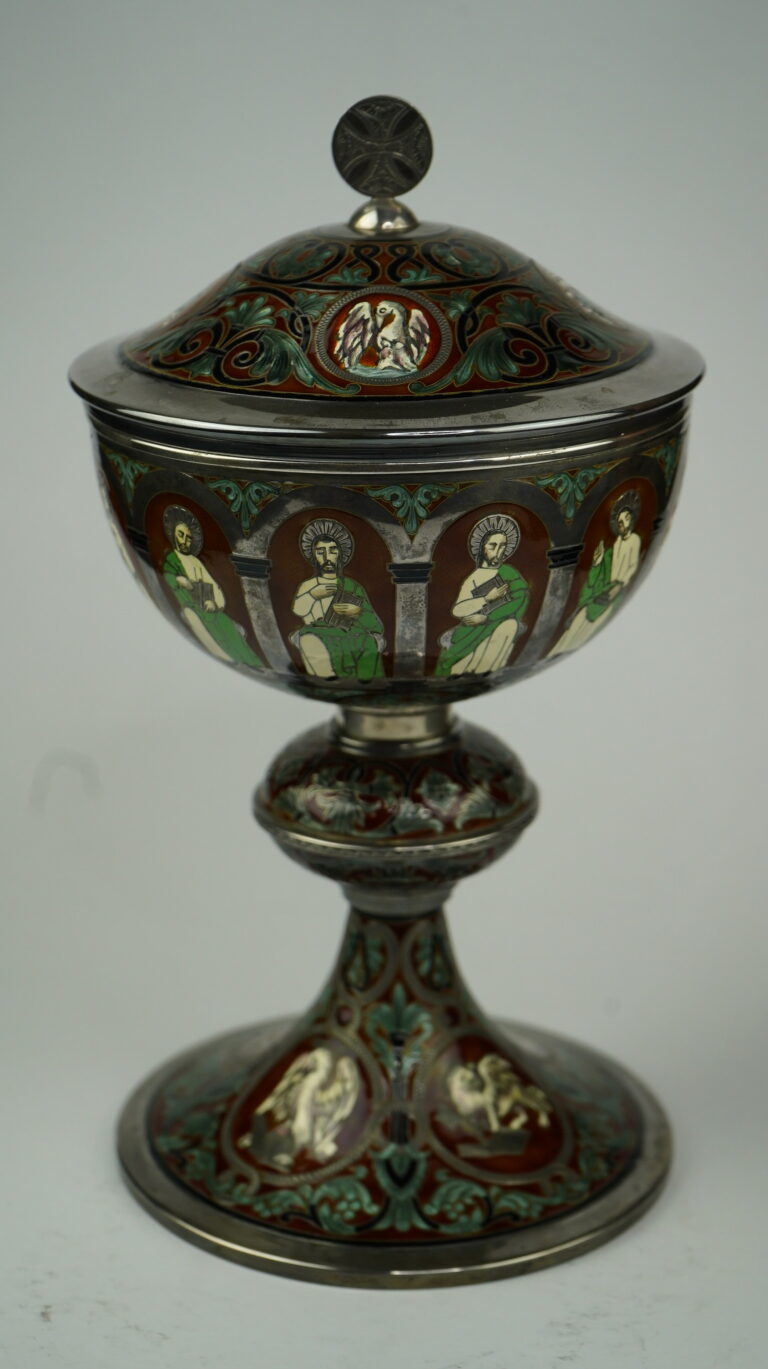
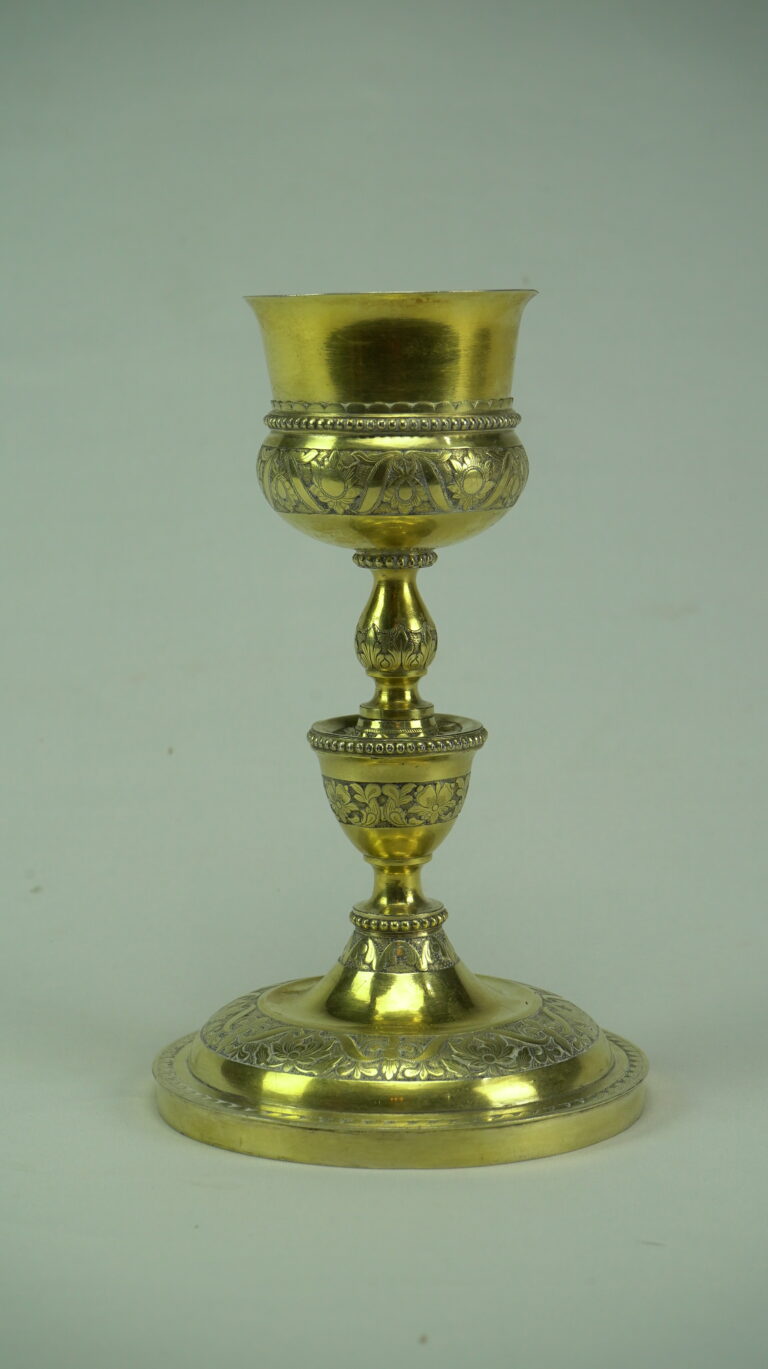
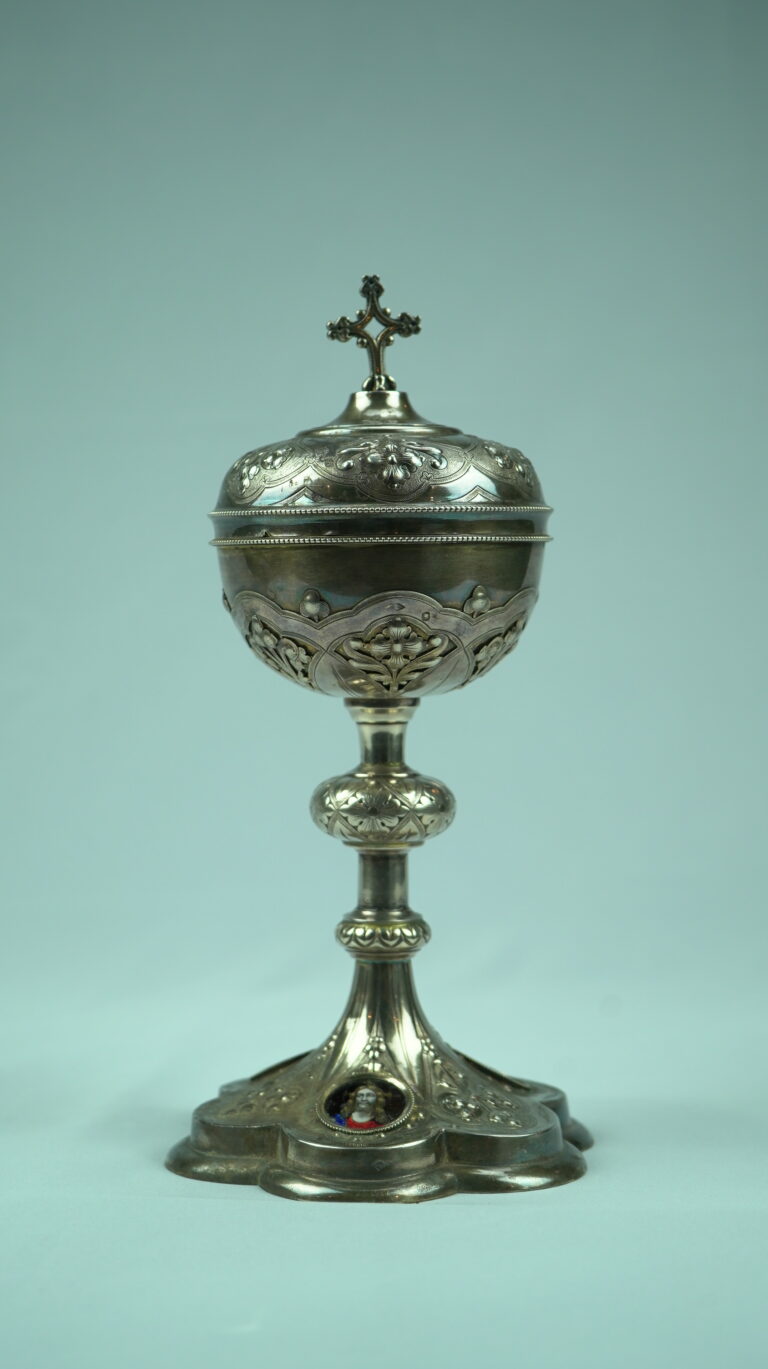
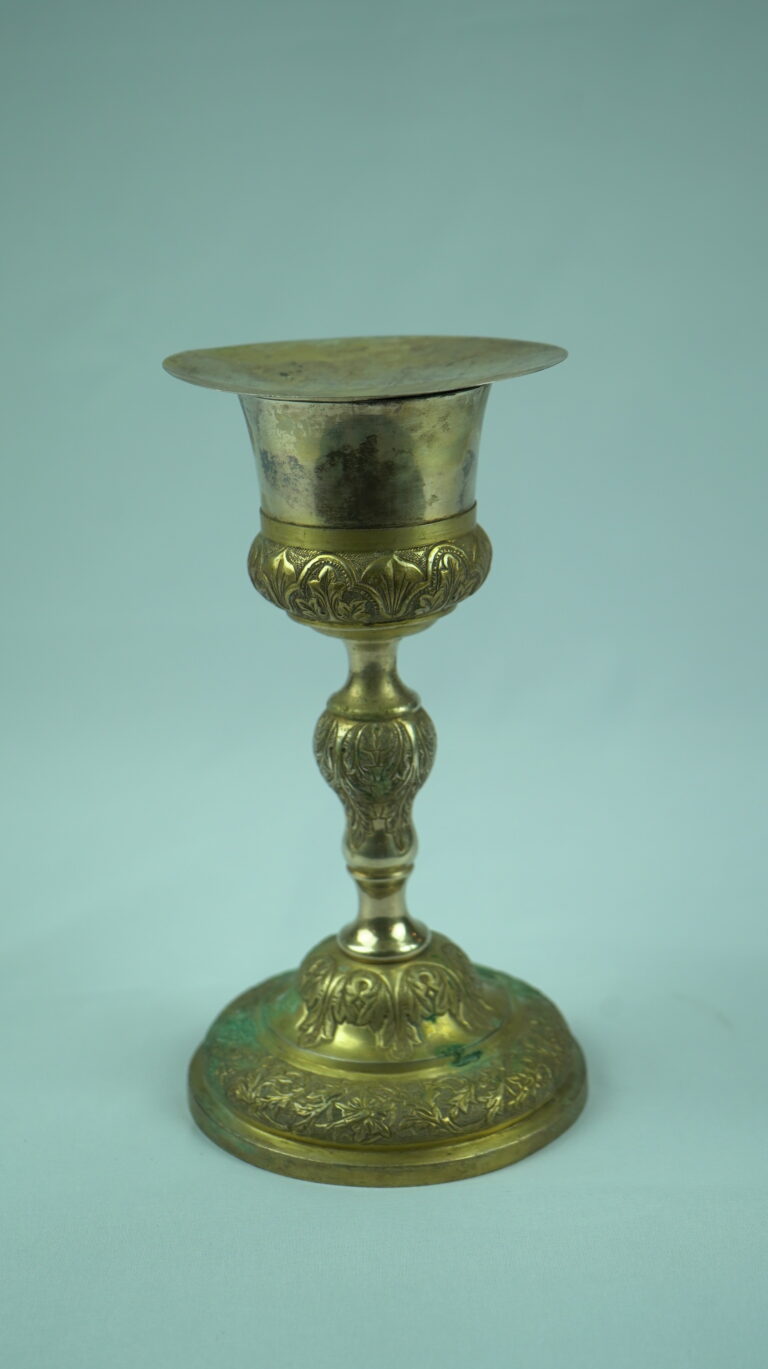
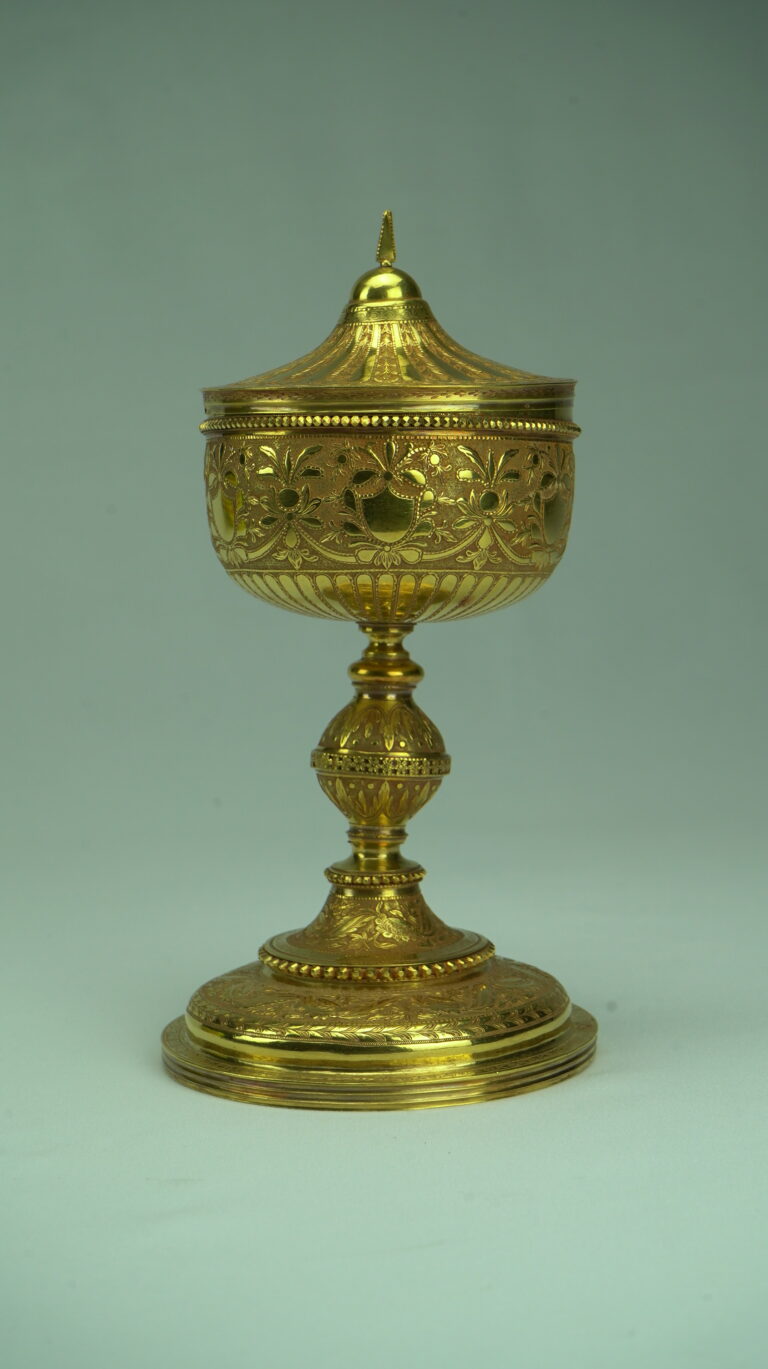
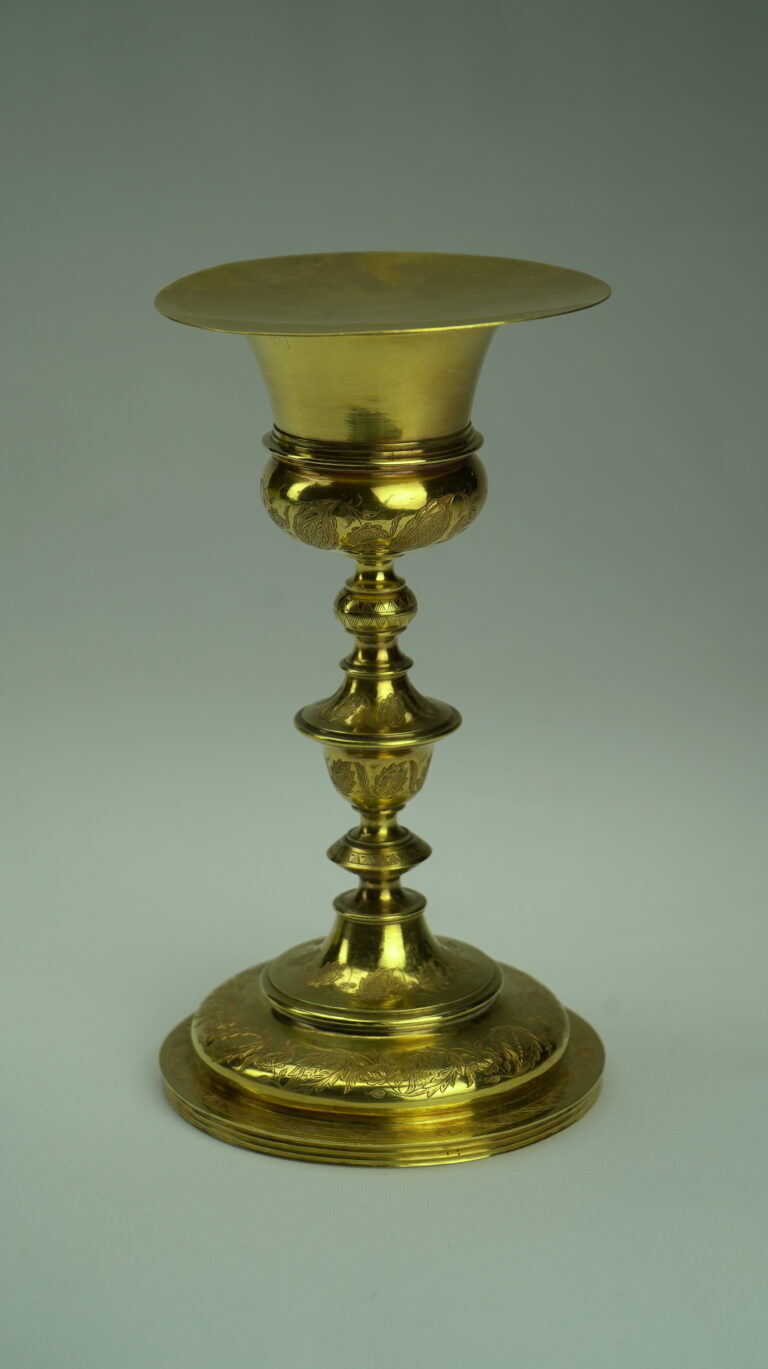
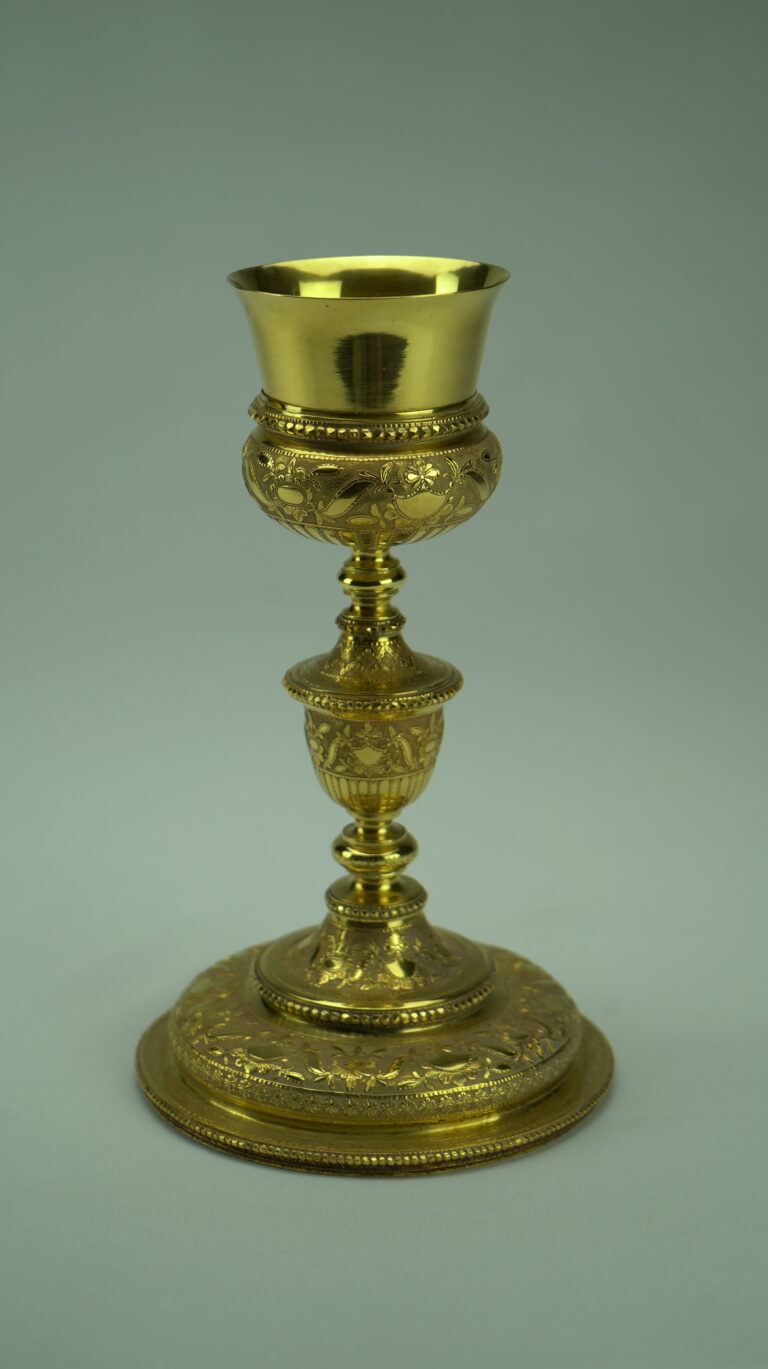
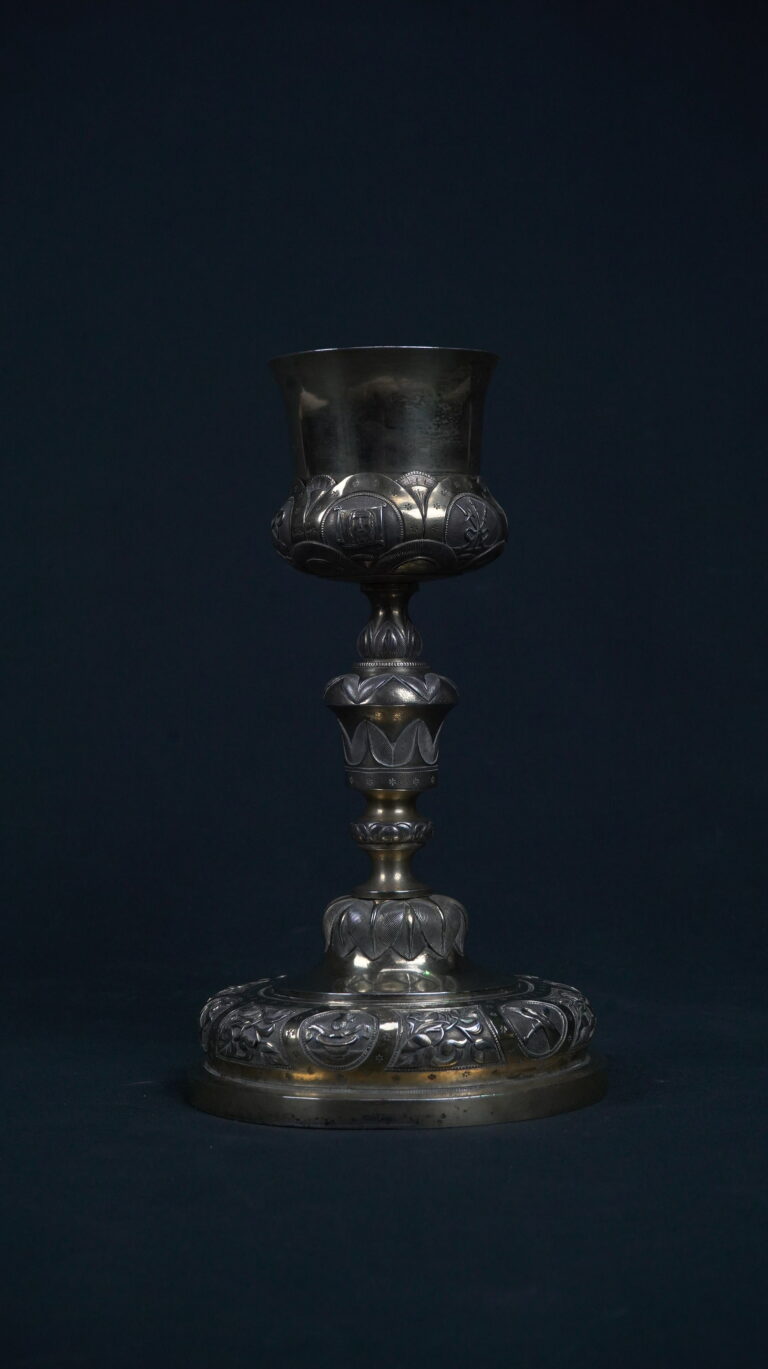
Aside from the Bread and Wine to be consecrated, the sacred vessels are foremost among the requirements. They are to be made from precious metals or gilded on the inside. Because of the purpose for which they are used, the chalice and ciborium, with the paten, take prominence on the altar table. Among the chalices and ciboria photographed, noteworthy are the details in the ornamentation, particularly the carved and engrained ivory images of the saints and the evangelists.
Monstrances
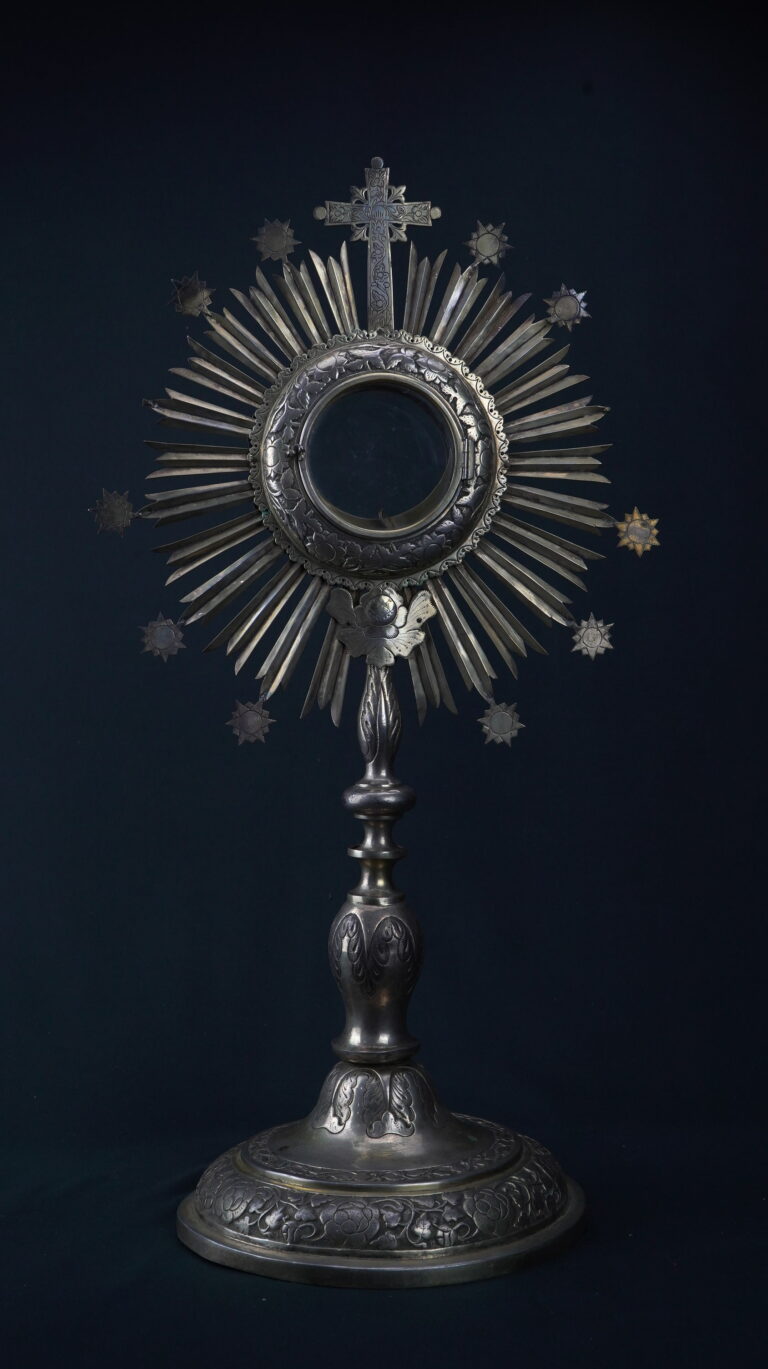
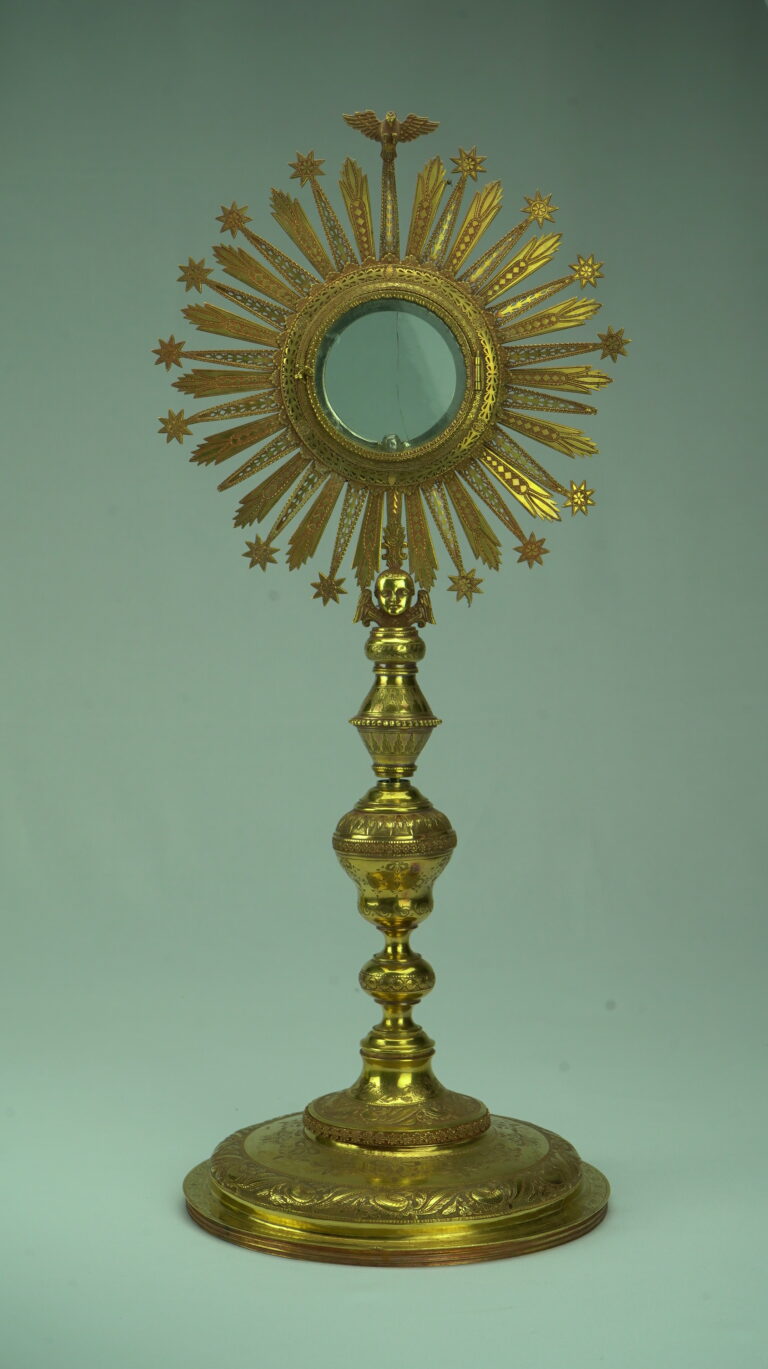
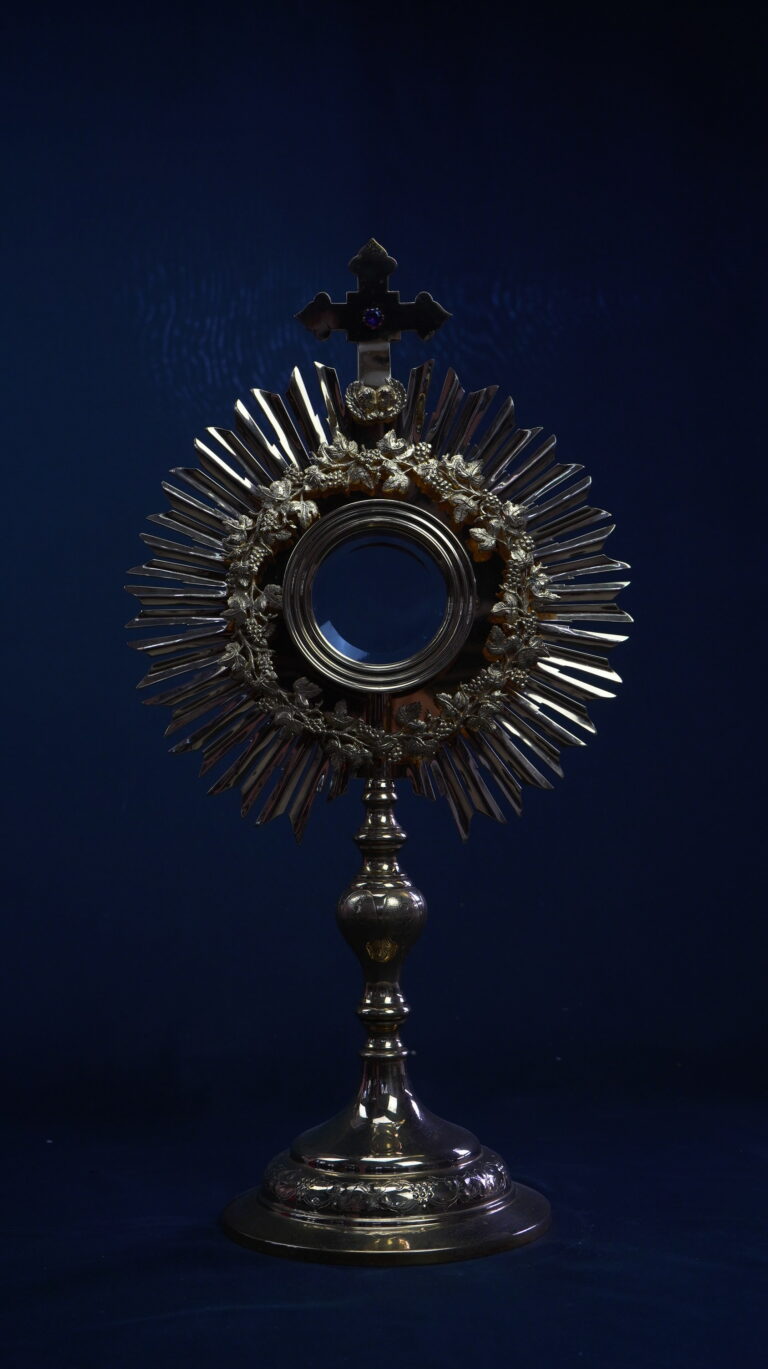
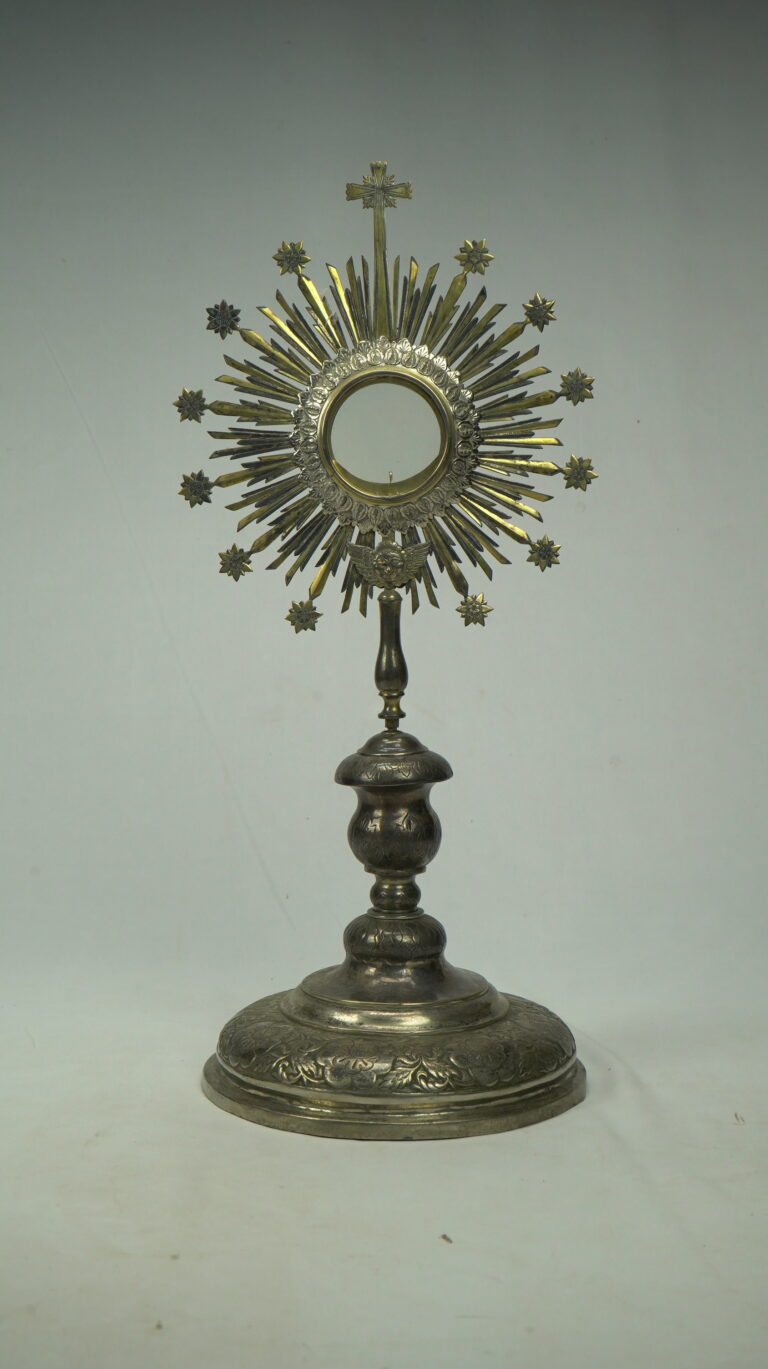
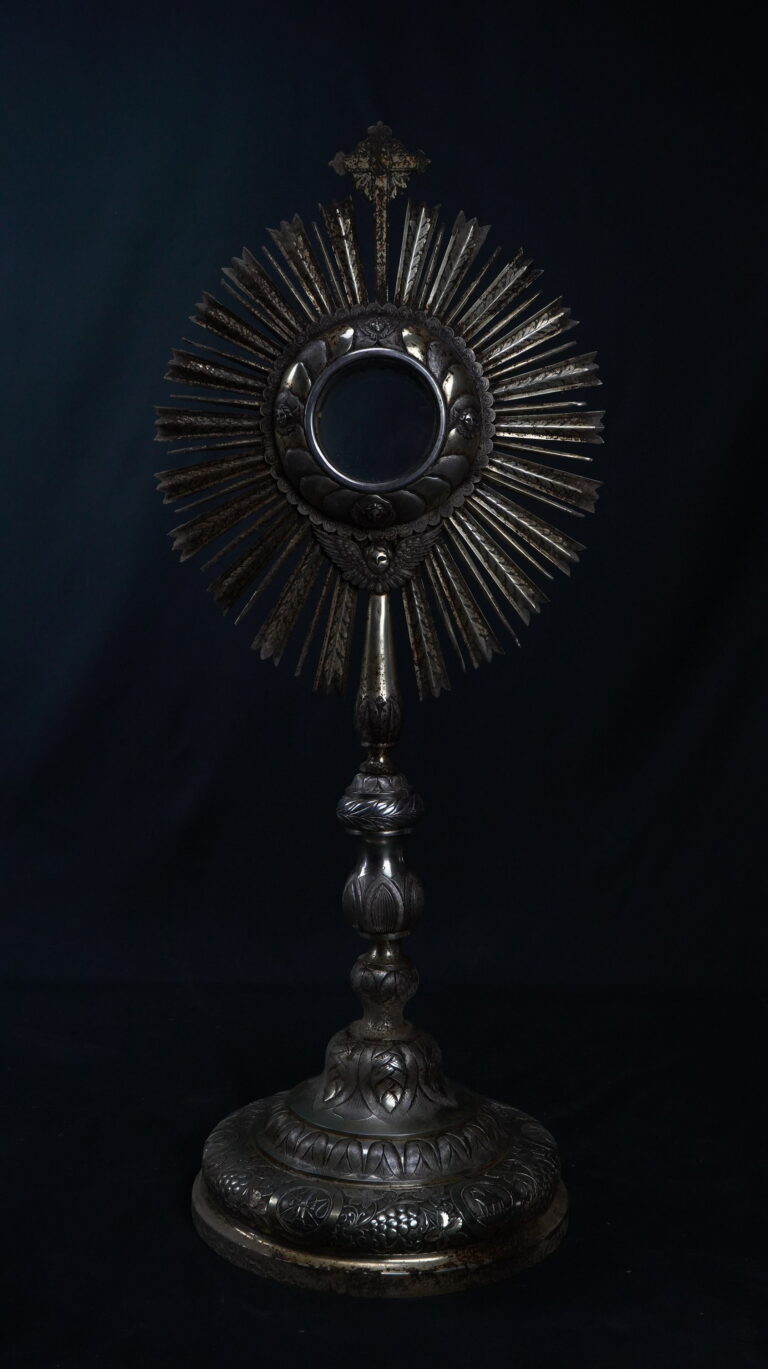
The monstrance is an important vessel as it allows or makes it possible for the consecrated Eucharist to be displayed for Adoration outside of the Mass and outside of the tabernacle. And possible even much farther as can be seen from a video circulating or shared throughout social media during the early part of the pandemic (2020) when a priest flew around the territory of the diocese where he serves in a helicopter while carrying the real presence of Jesus Christ in a monstrance, extending a benediction for the abatement of the virus. In that video, the priest was using a portable monstrance. Other than the portable form, there are much larger ones, which are fixed and installed for the exposition of the host in a special chapel called the “Adoration Chapel”.
The monstrance, in its current form – the sunburst on a stand and topped by a cross – is a sacred vessel that is easily recognizable by the faithful. It is a form that easily lends itself to creative renditions; thus, the monstrance is usually elaborate in design and ornamentation. Moreover, it is an appropriate design to highlight the Holy Eucharist that is placed at the transparent center of the monstrance with the rays appearing to emanate from it, drawing the eyes towards that center and the precious treasure it holds.
With the Holy Eucharist displayed within the monstrance in the Adoration Chapel or during a Corpus Christi procession, more Catholics can come to the presence of Christ and experience the blessing of being in his presence. It is hoped that this exhibition will show how the monstrance is an important vessel for the growth of faith of those who seek a closer relationship with Jesus Christ.
Other Sacred Vessels and Liturgical Objects
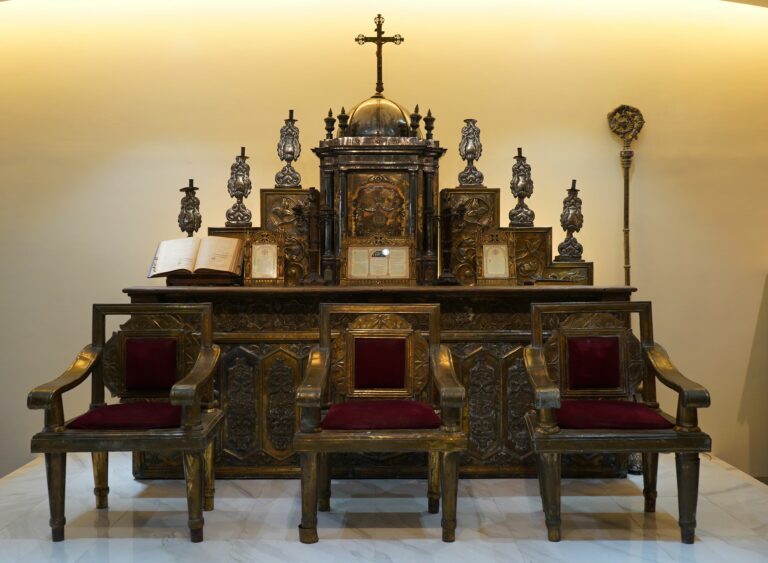
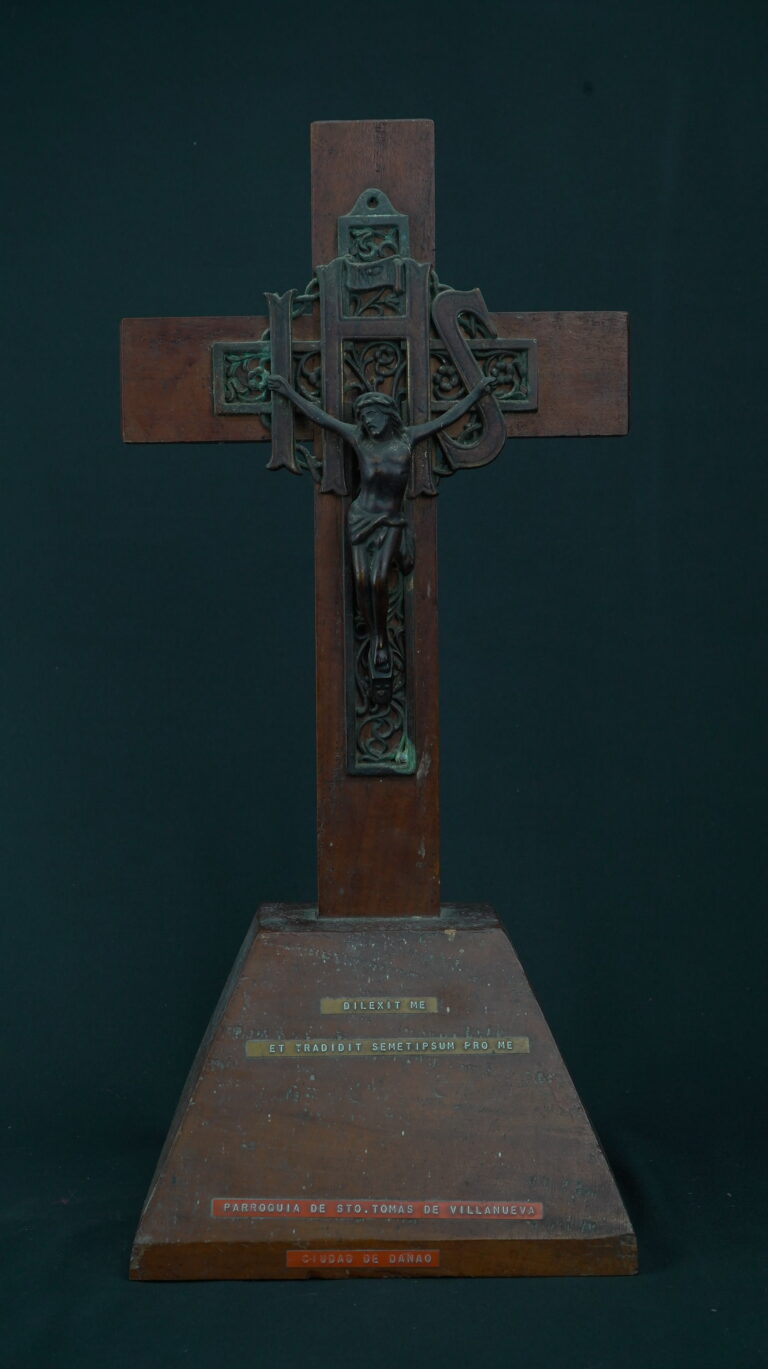
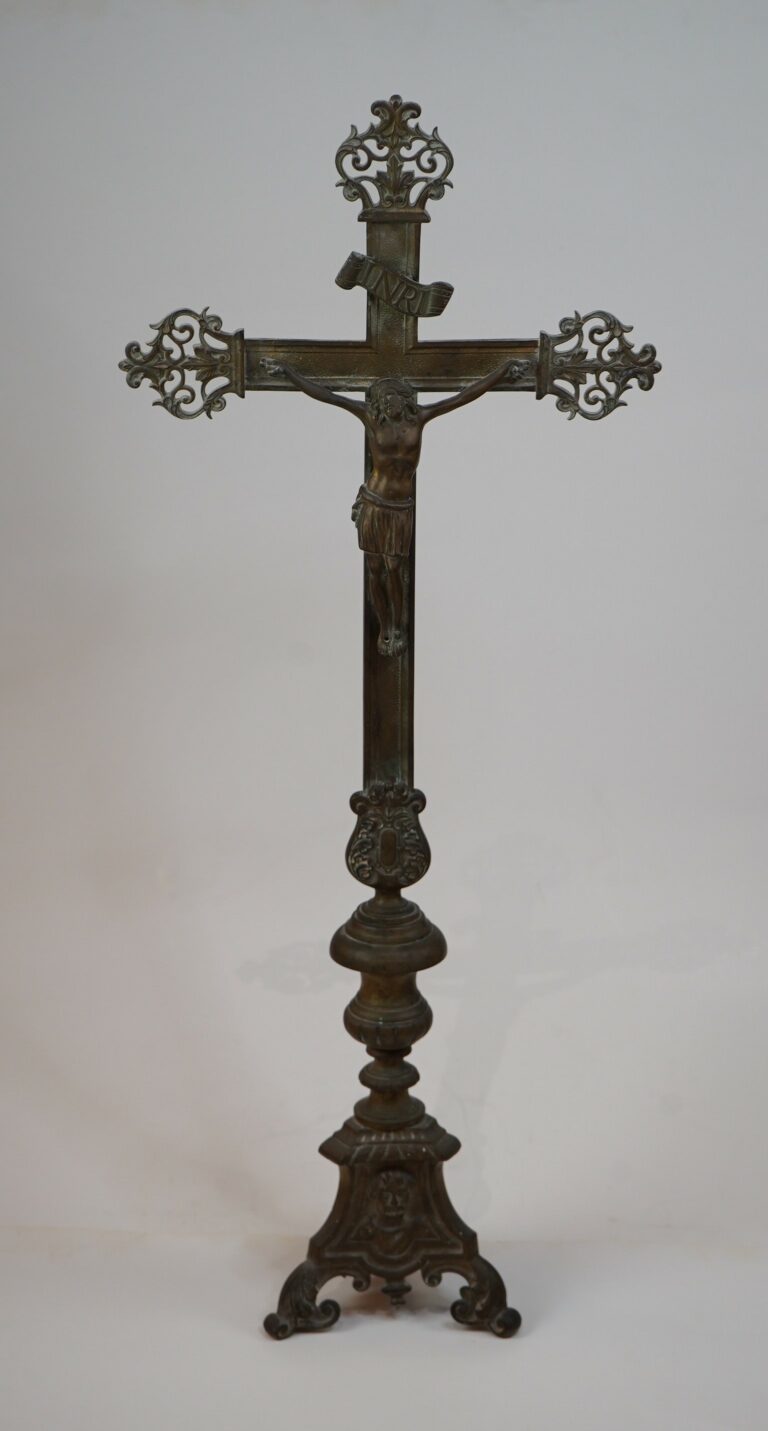
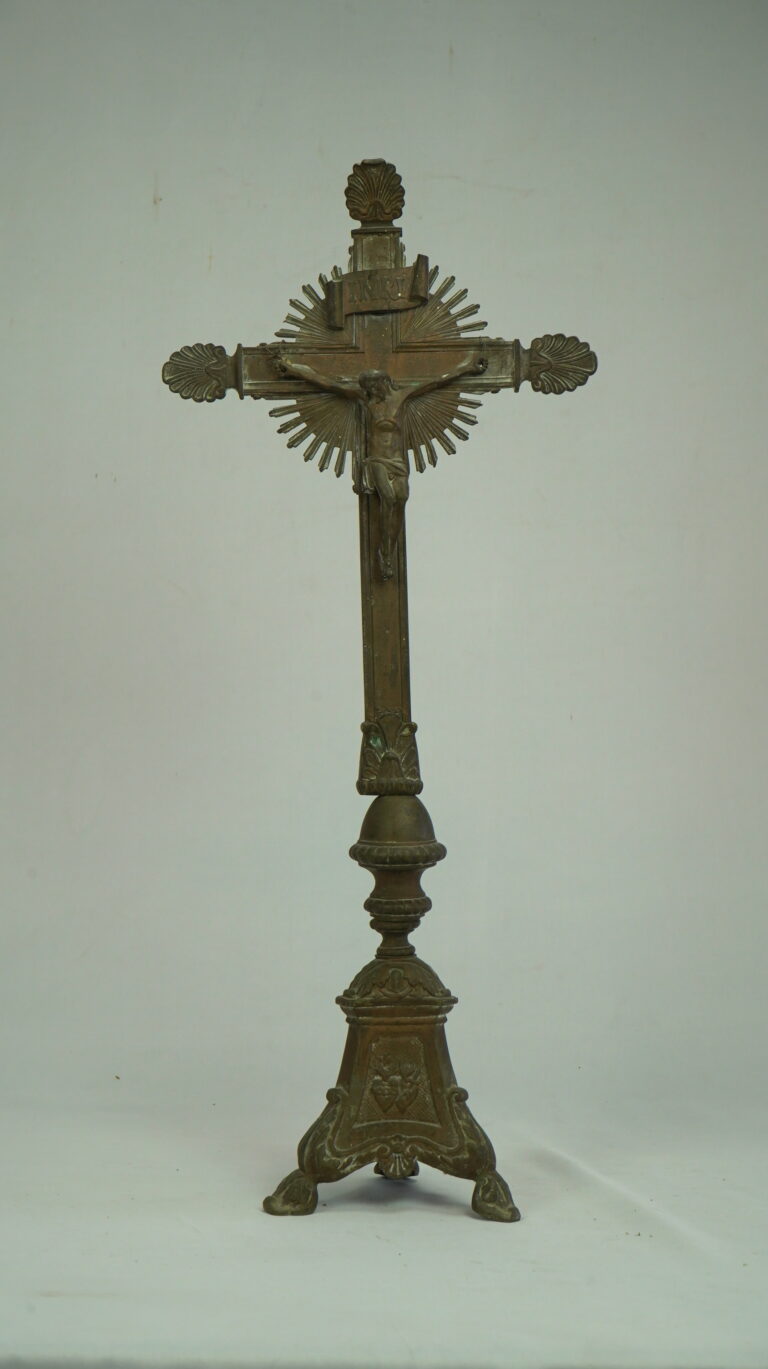
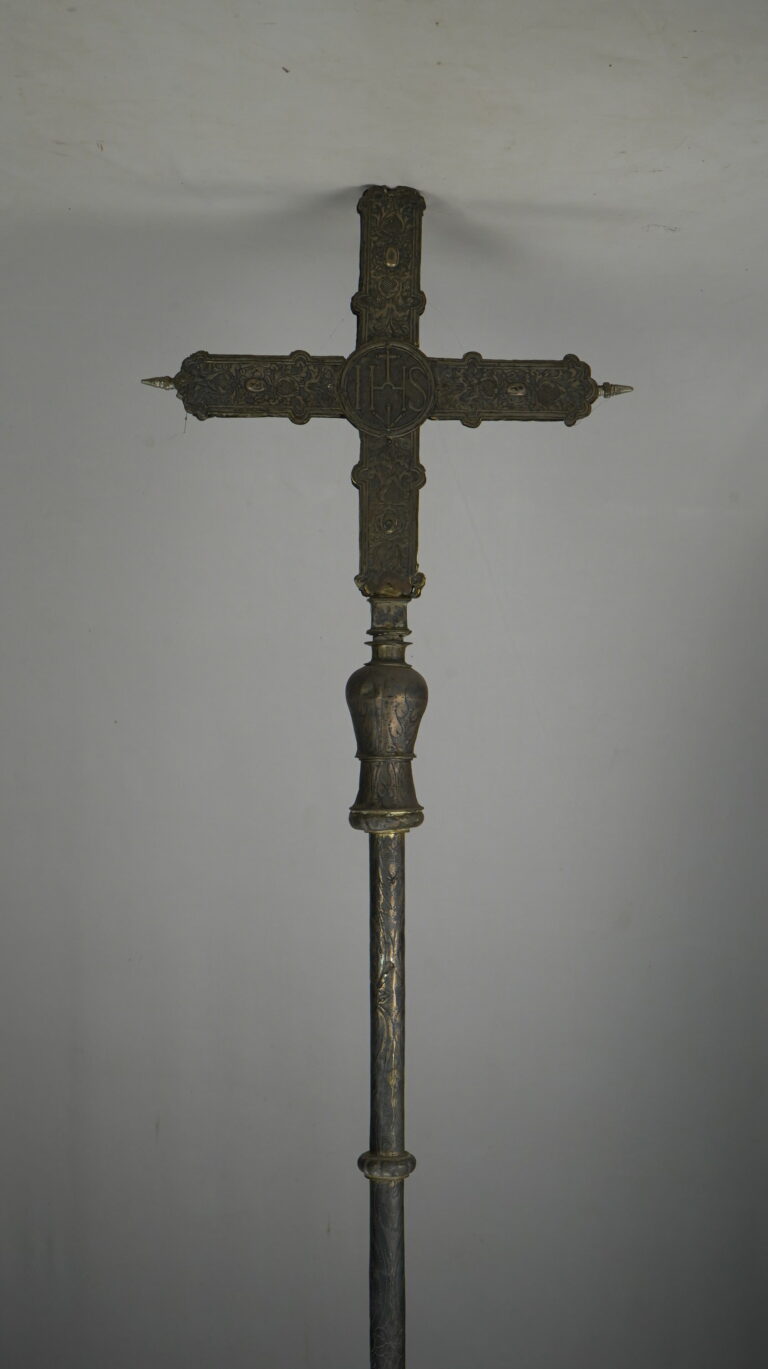
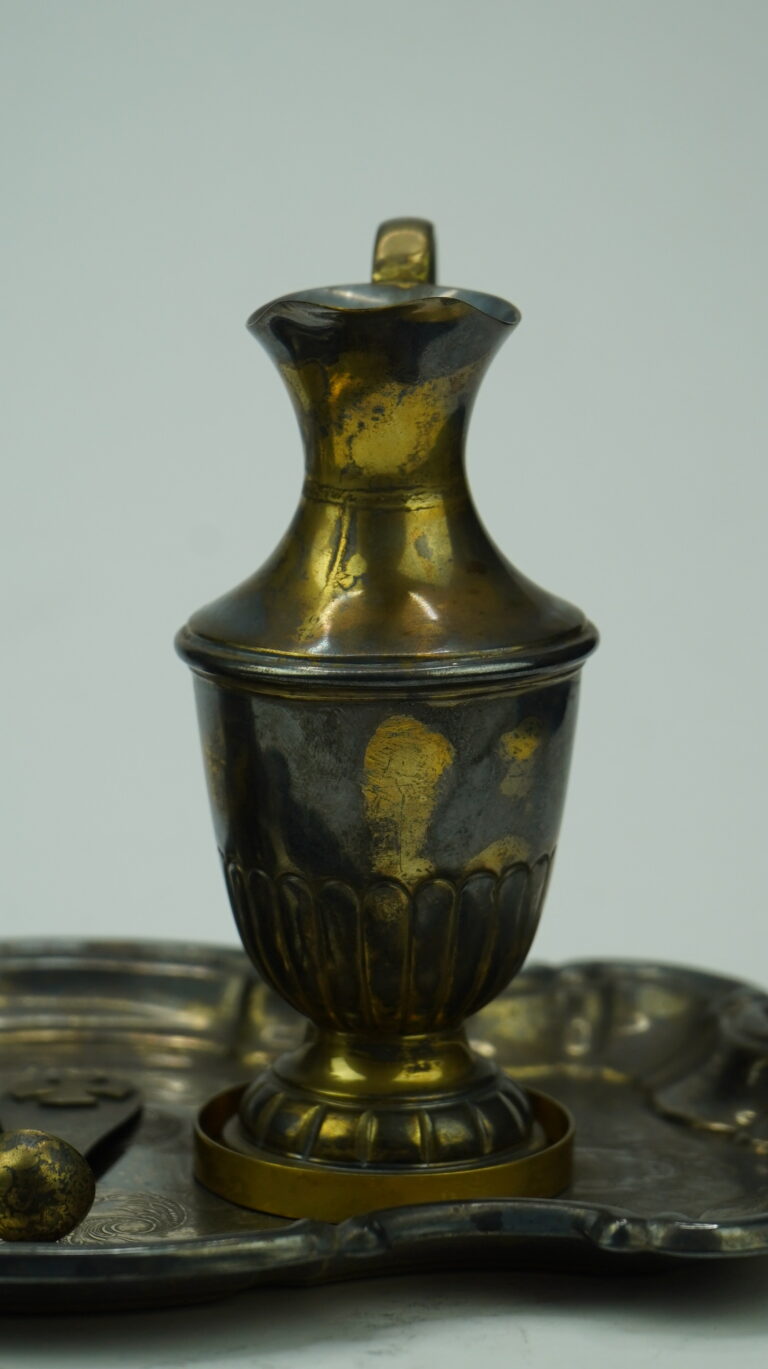
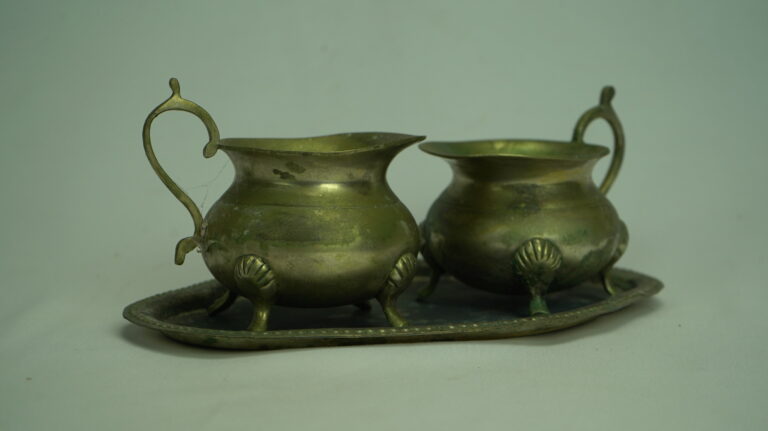
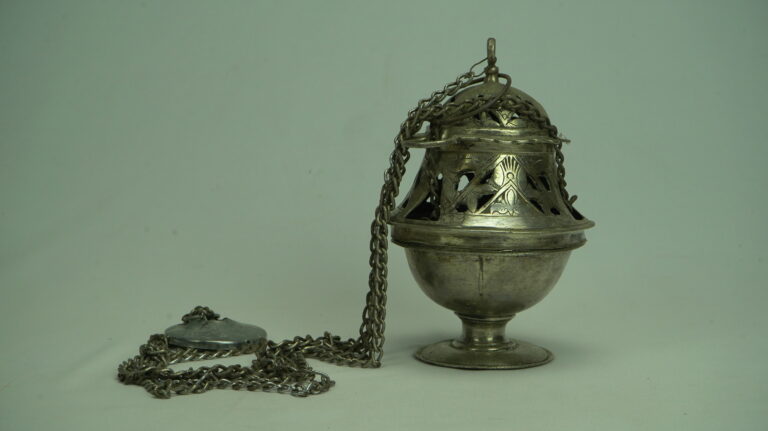
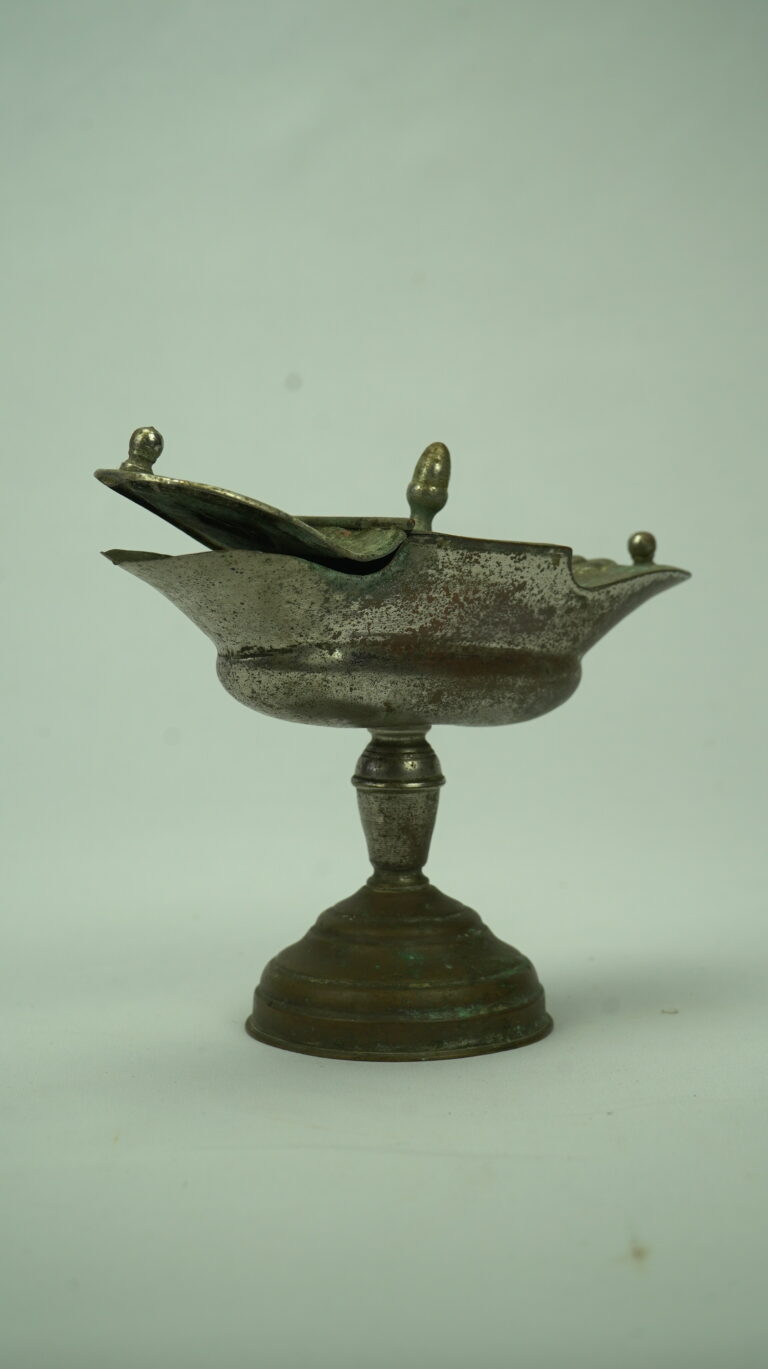
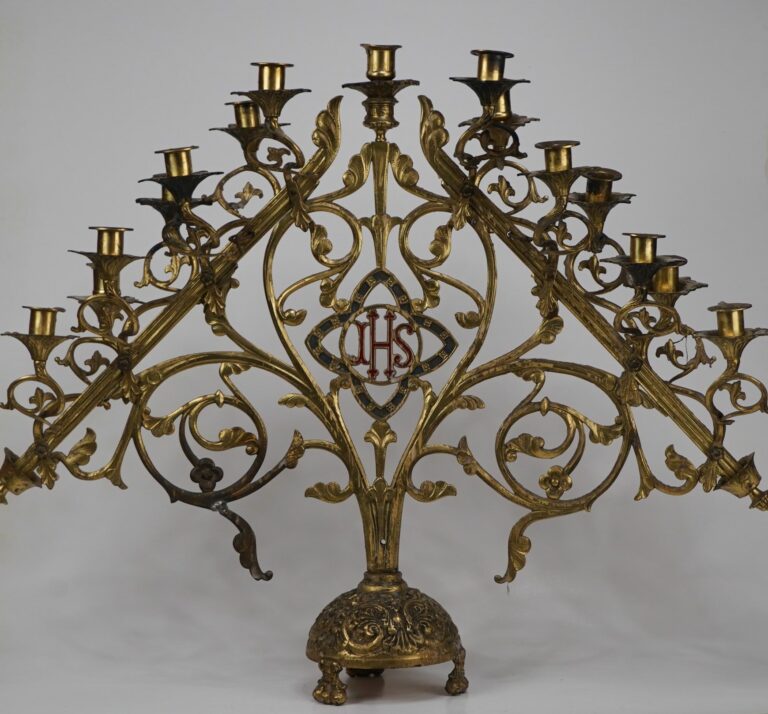
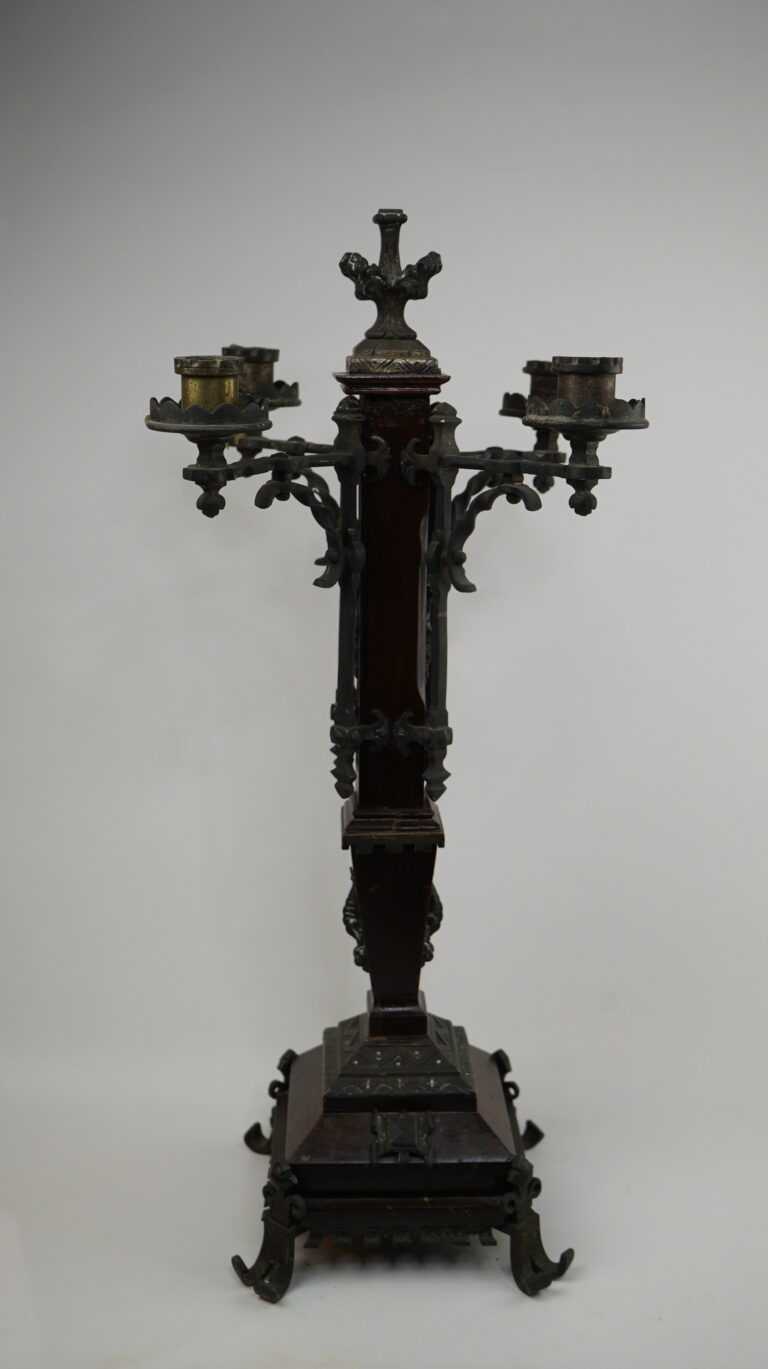
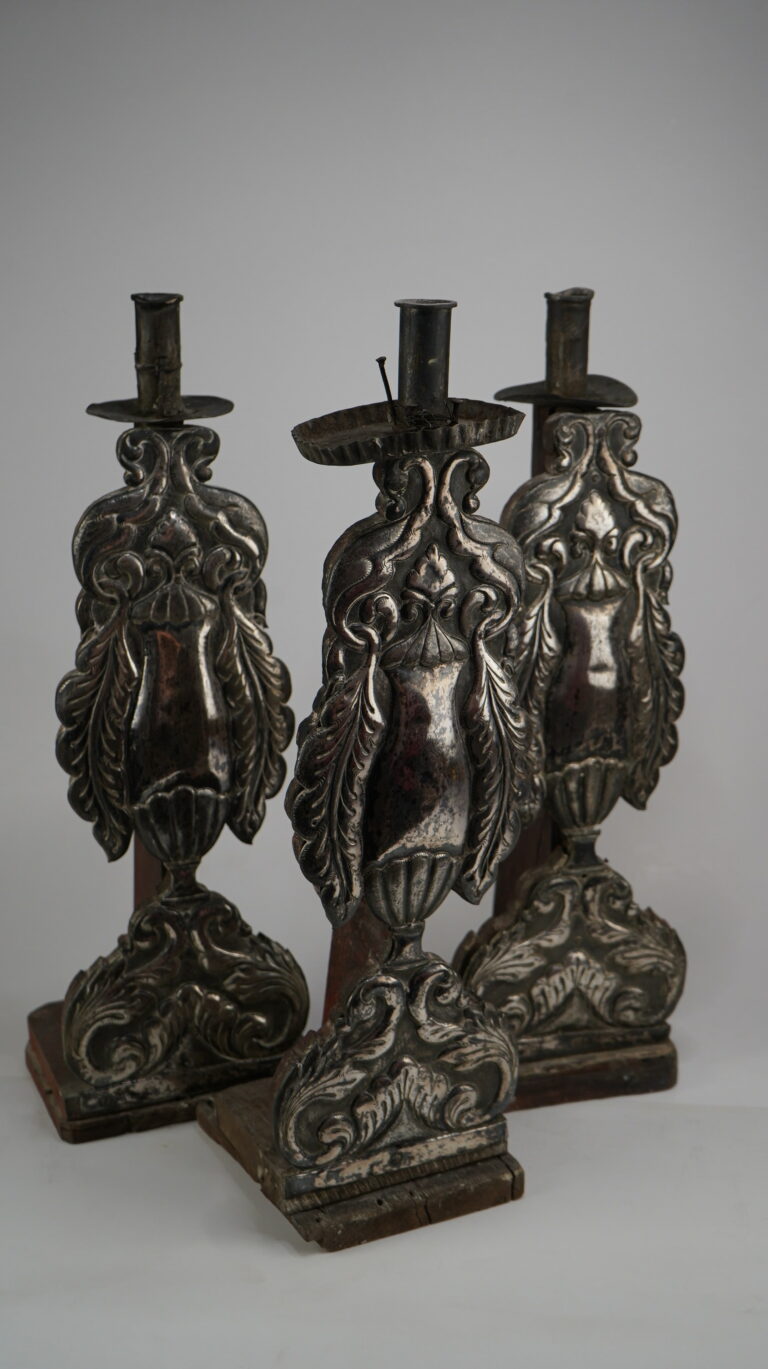
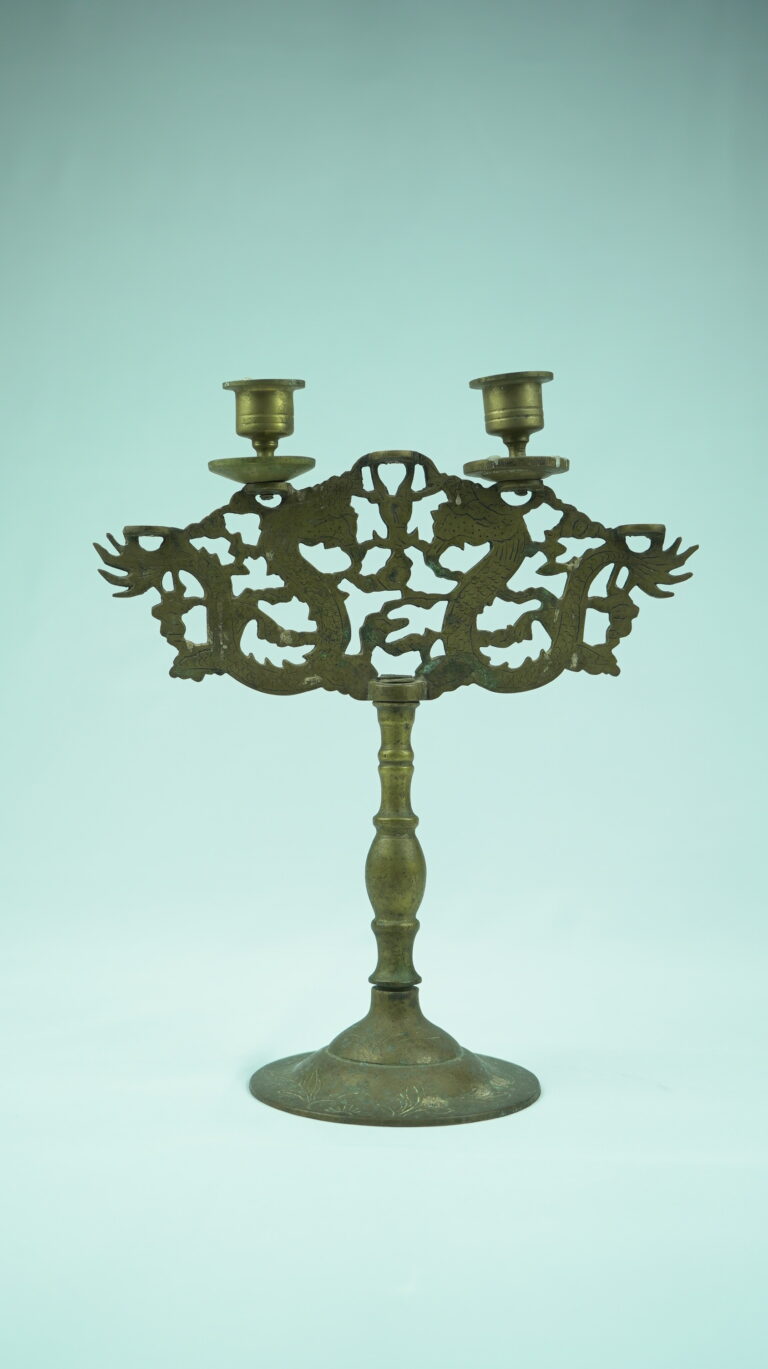
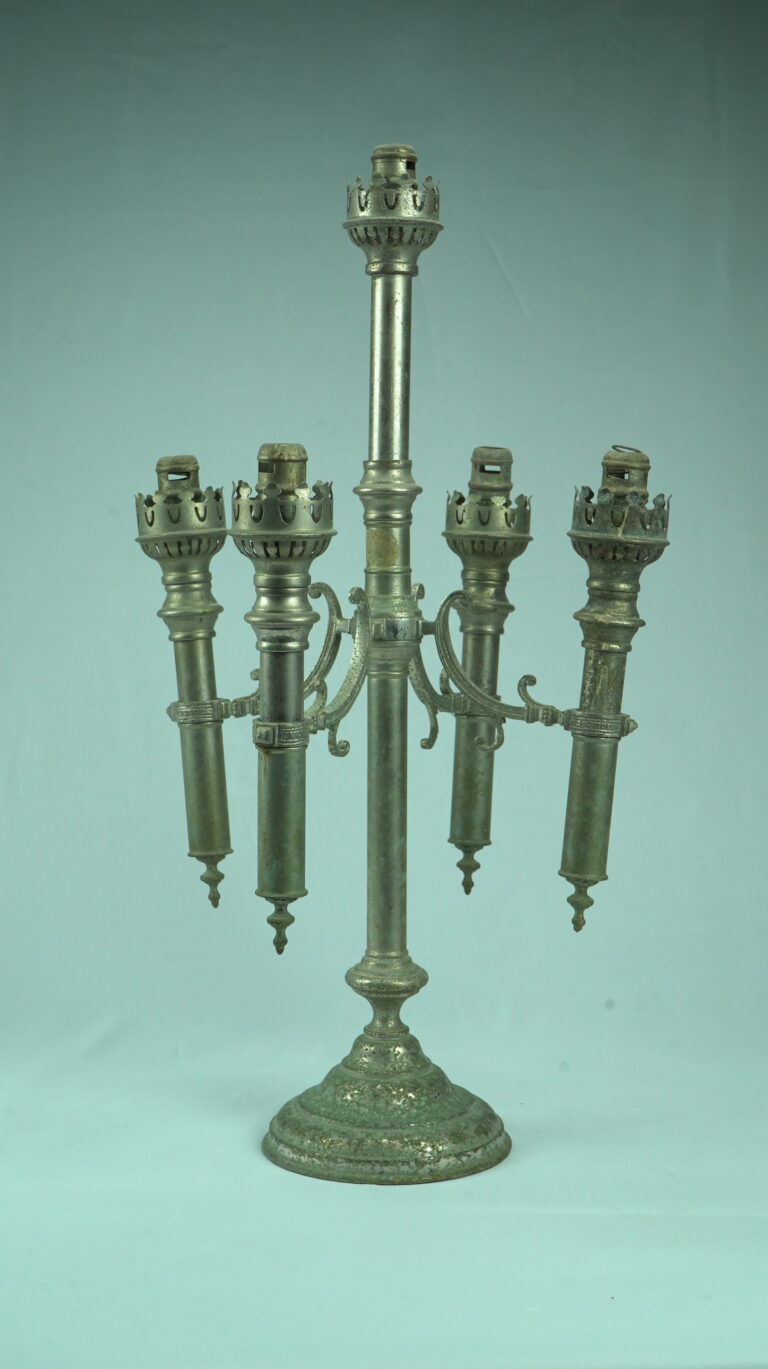
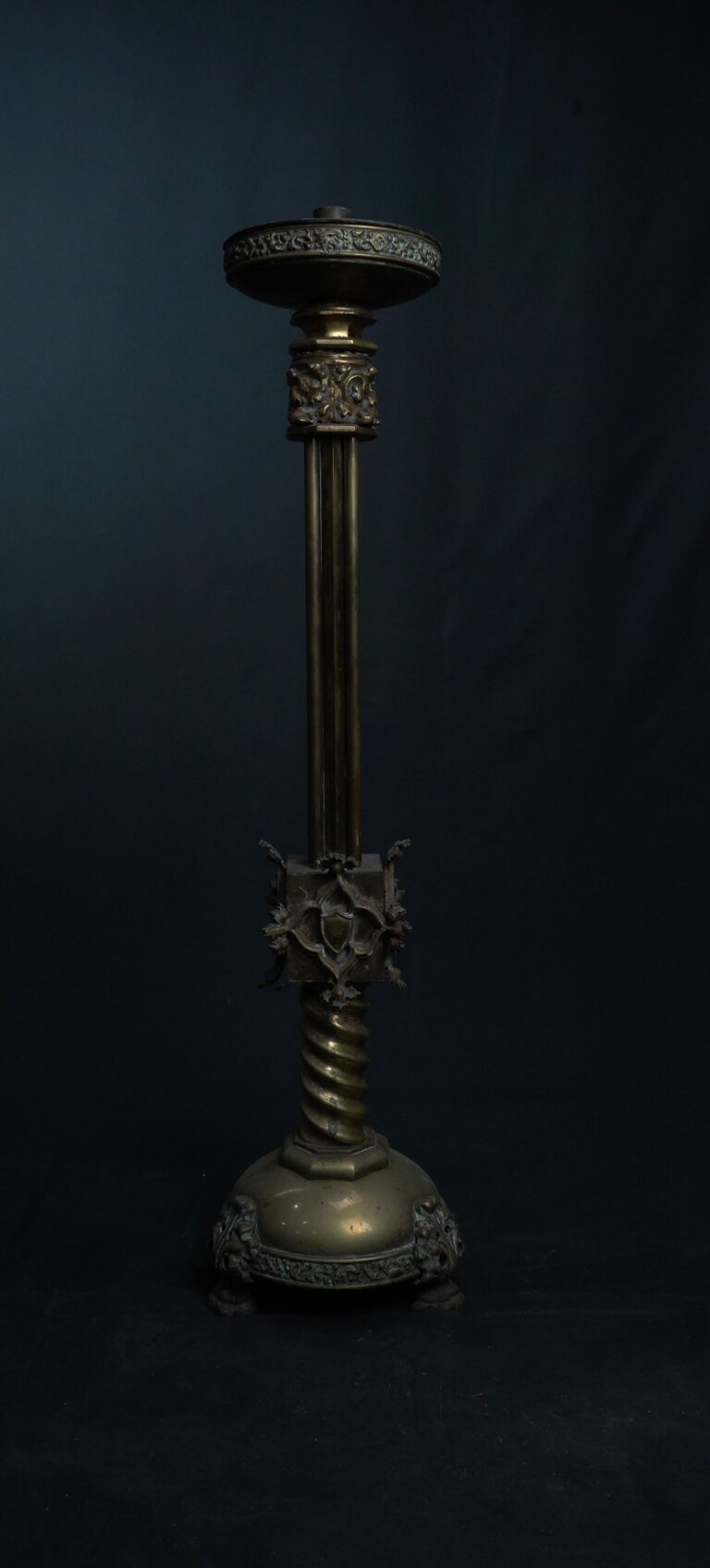
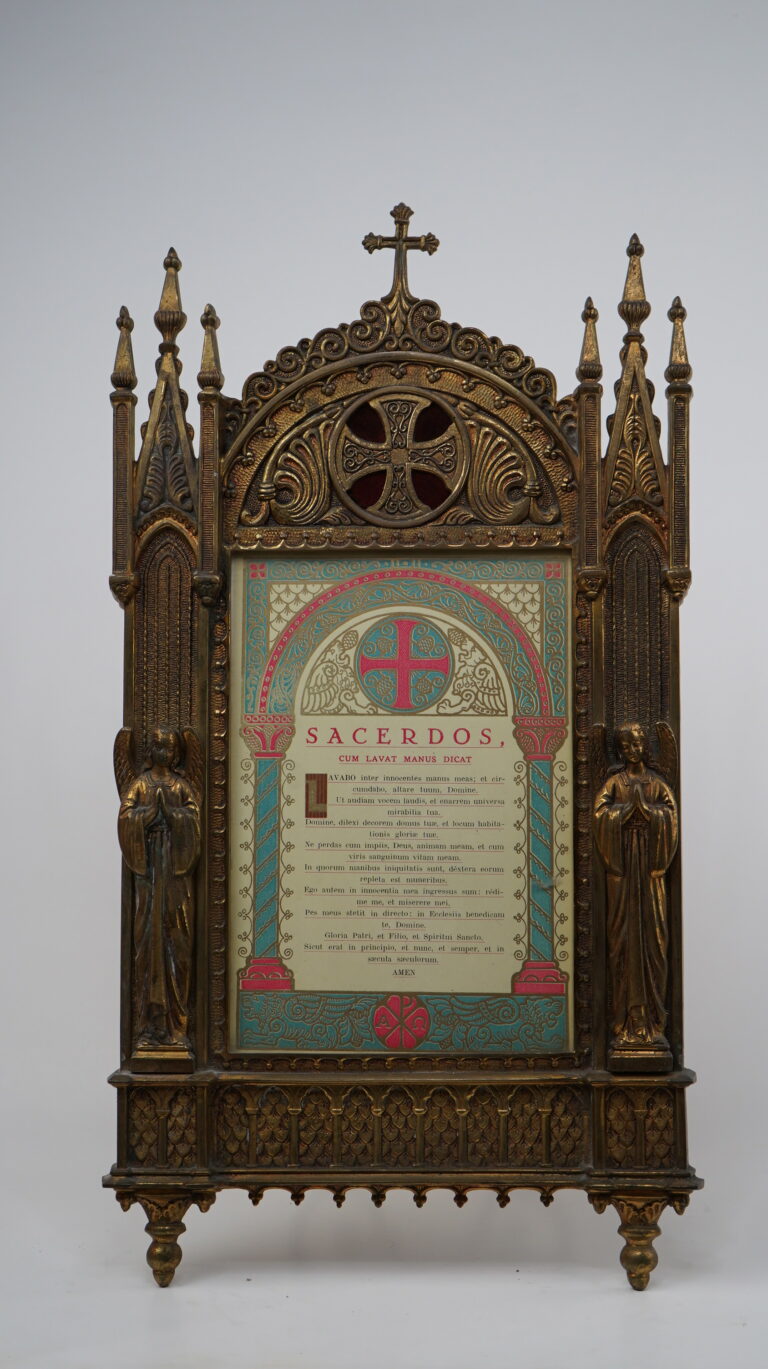
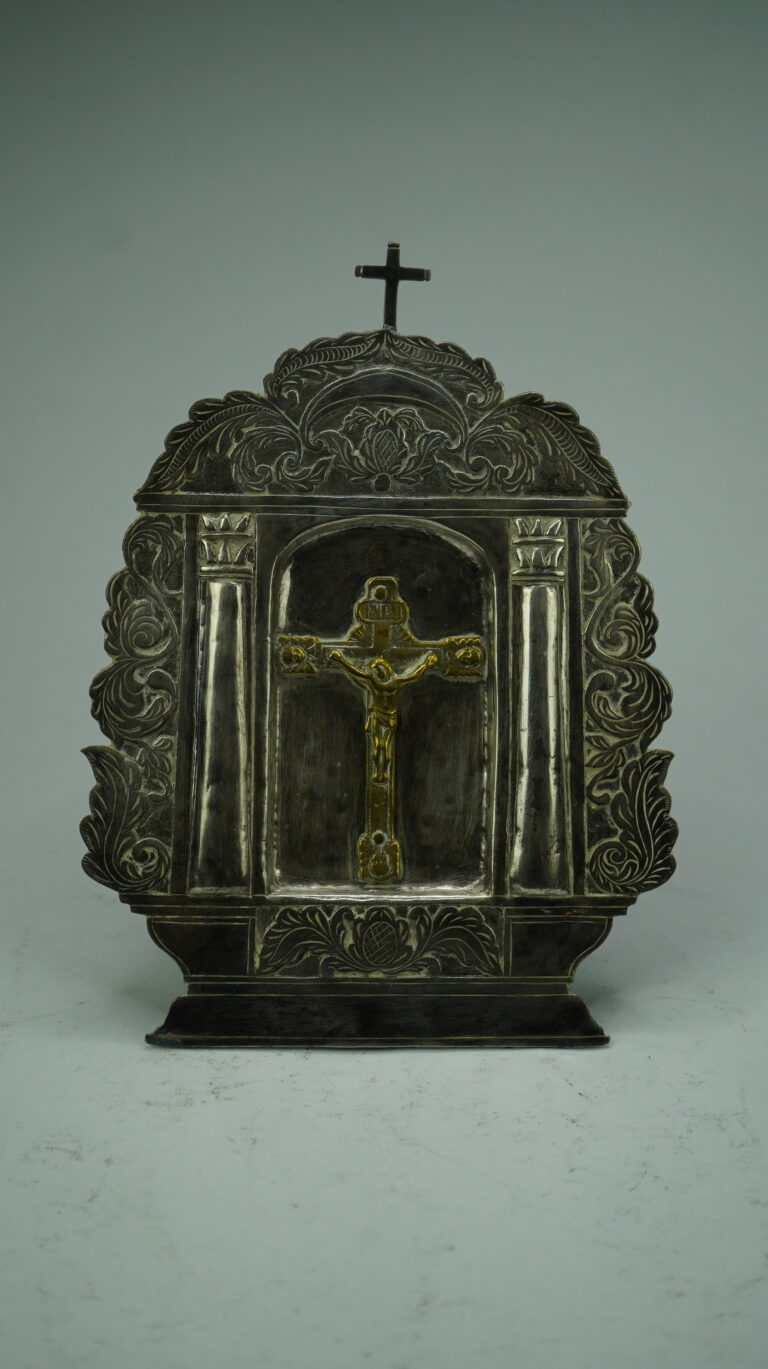
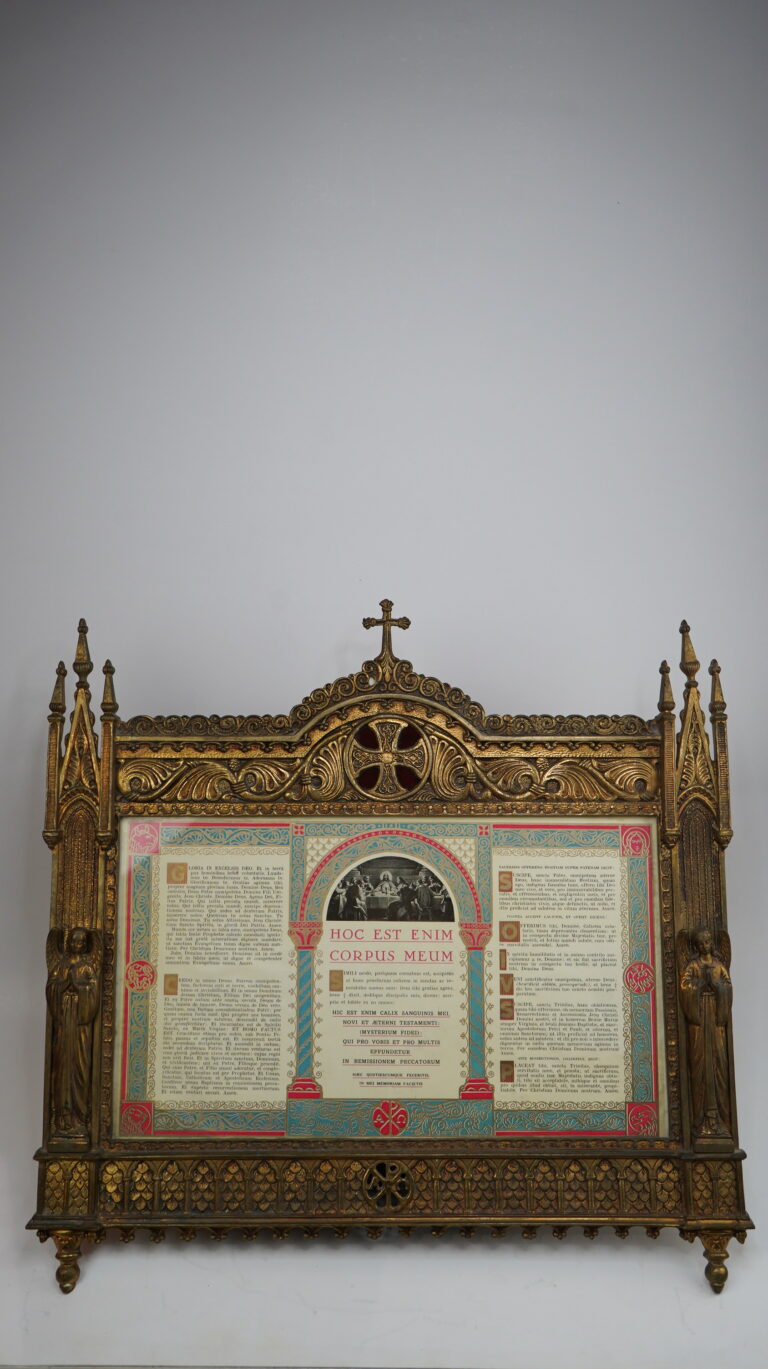
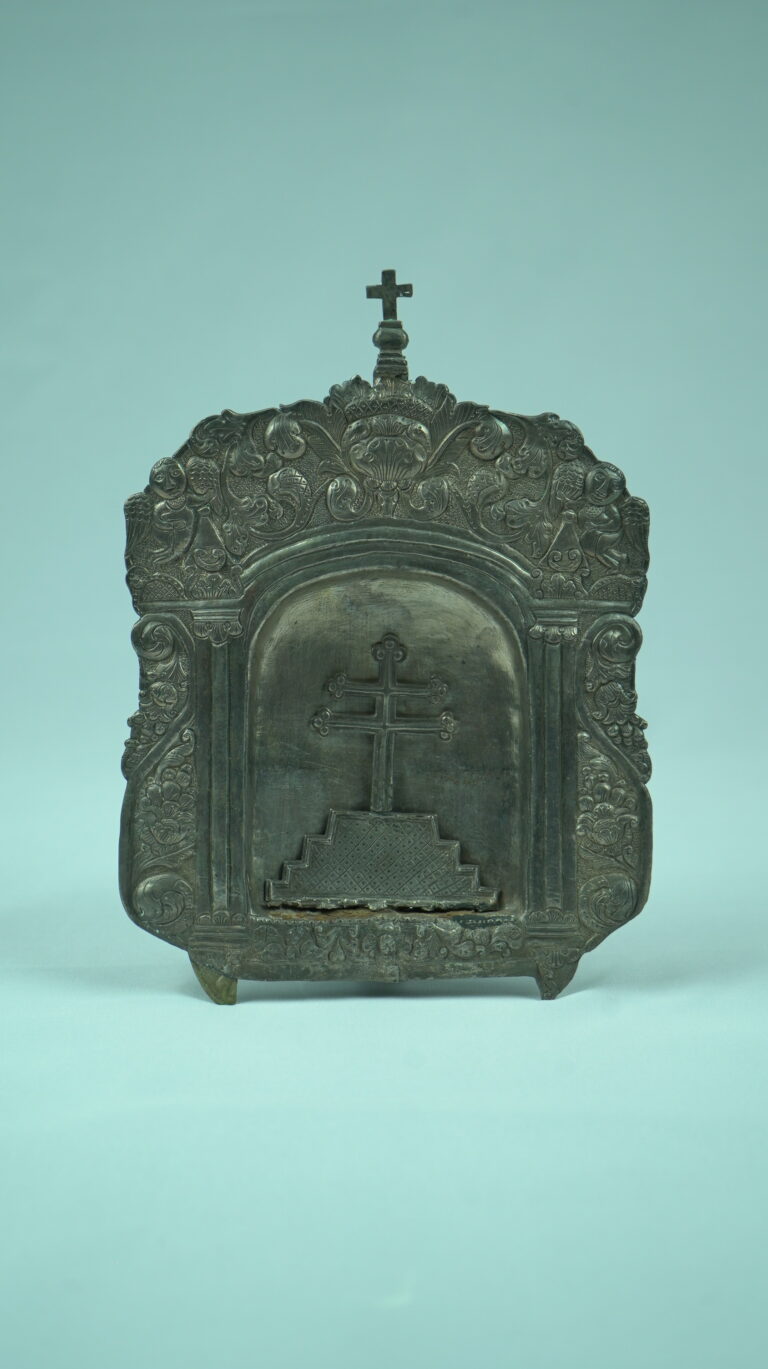
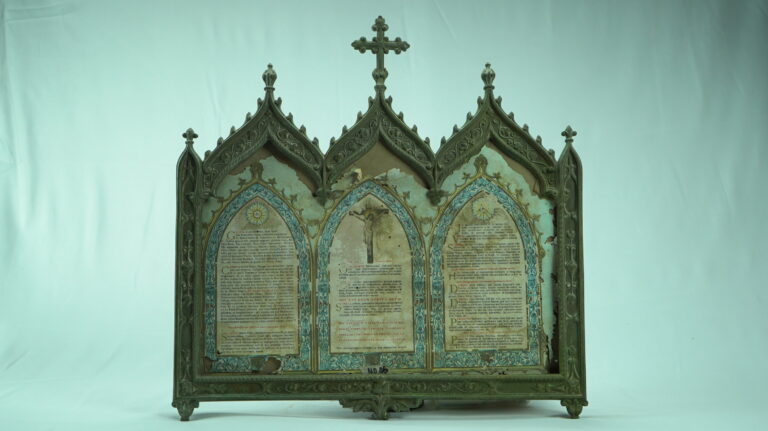
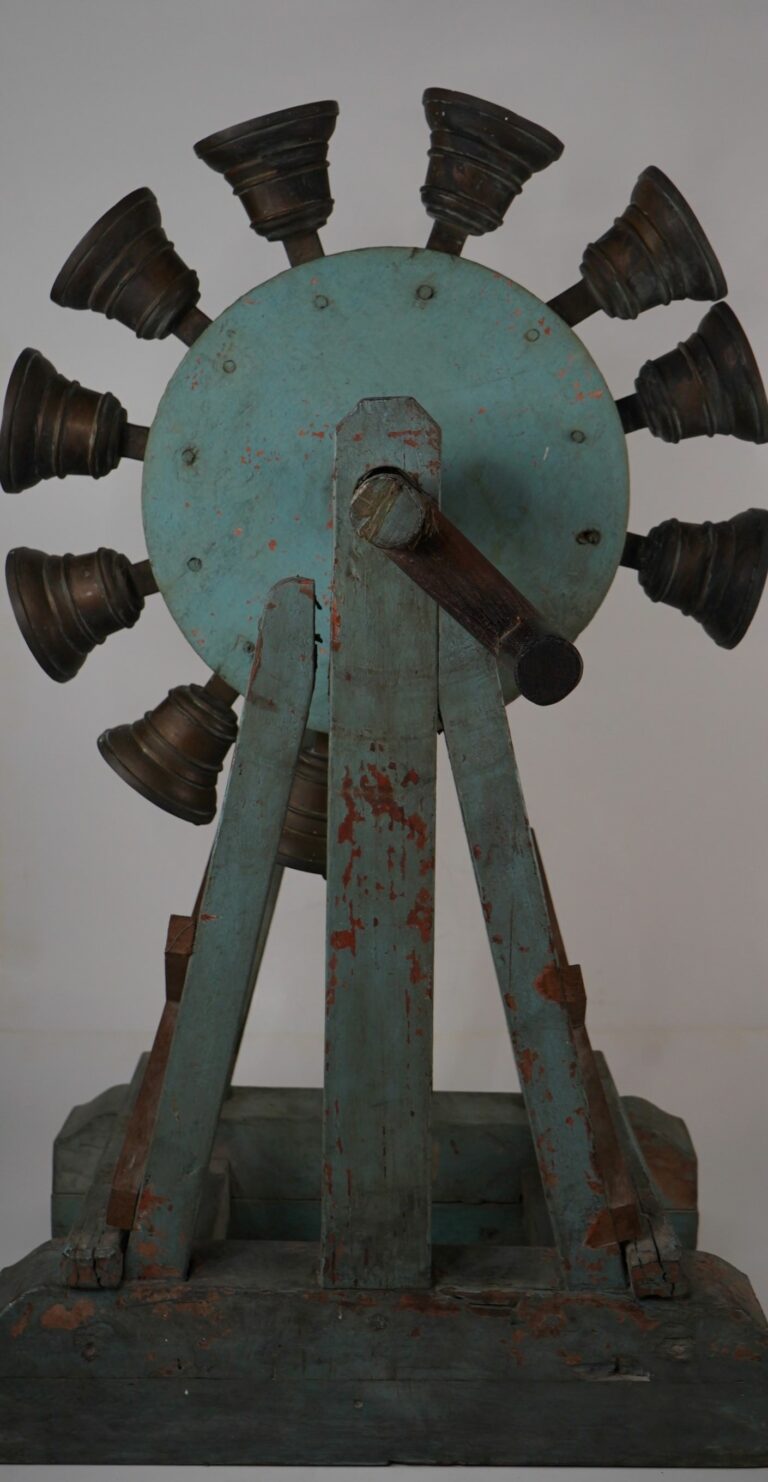
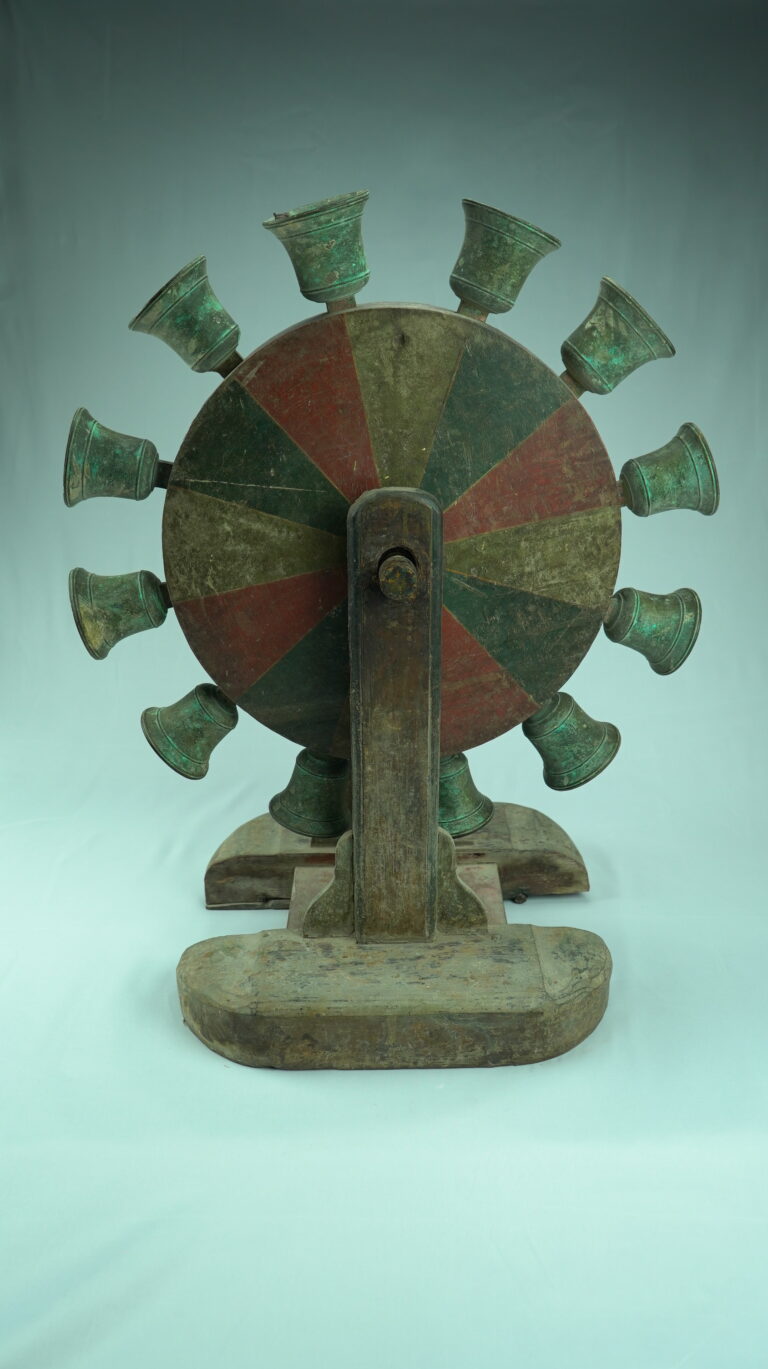
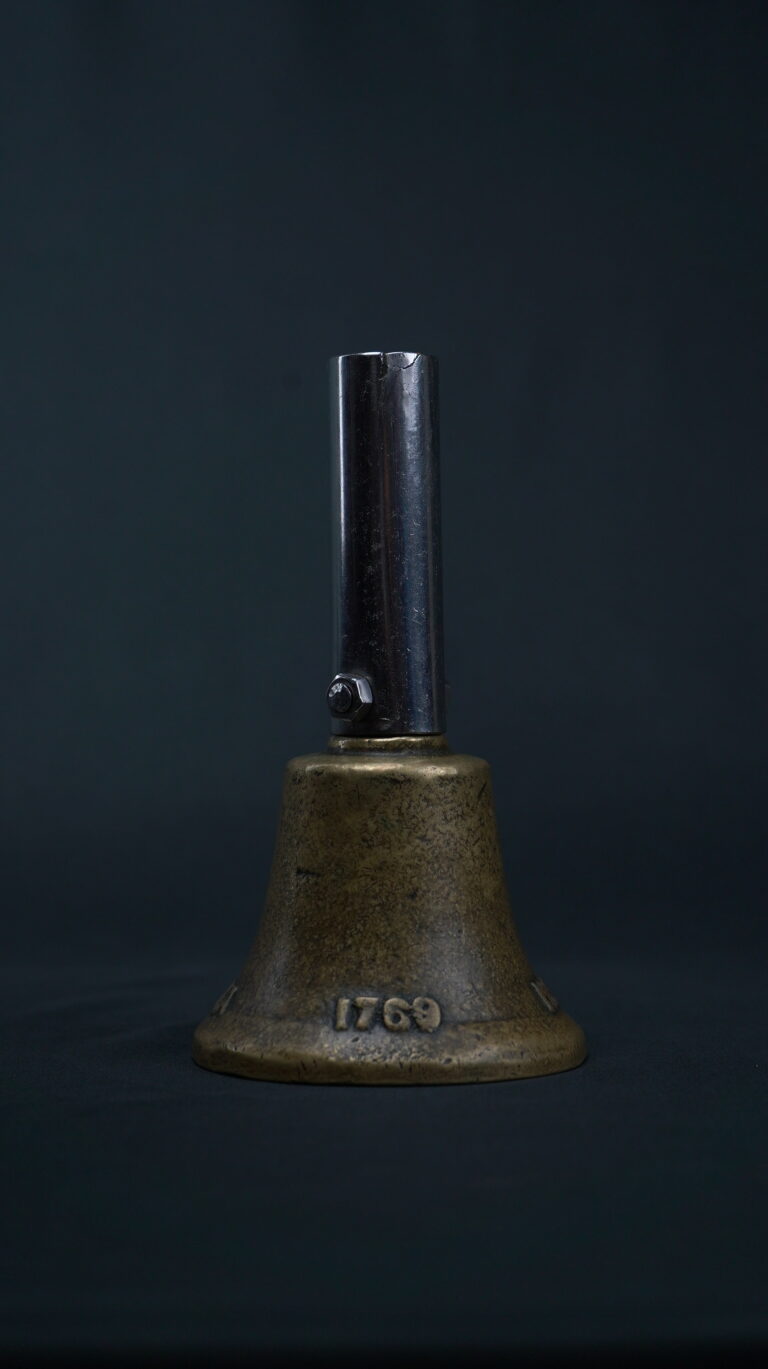
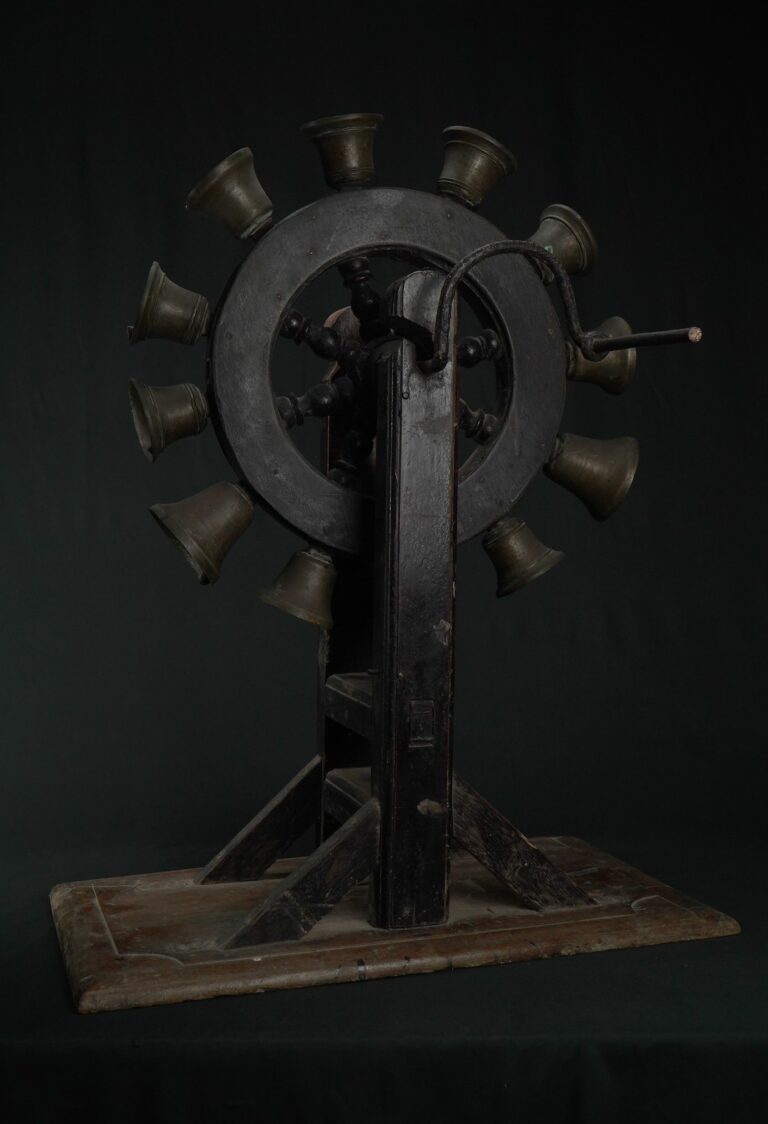
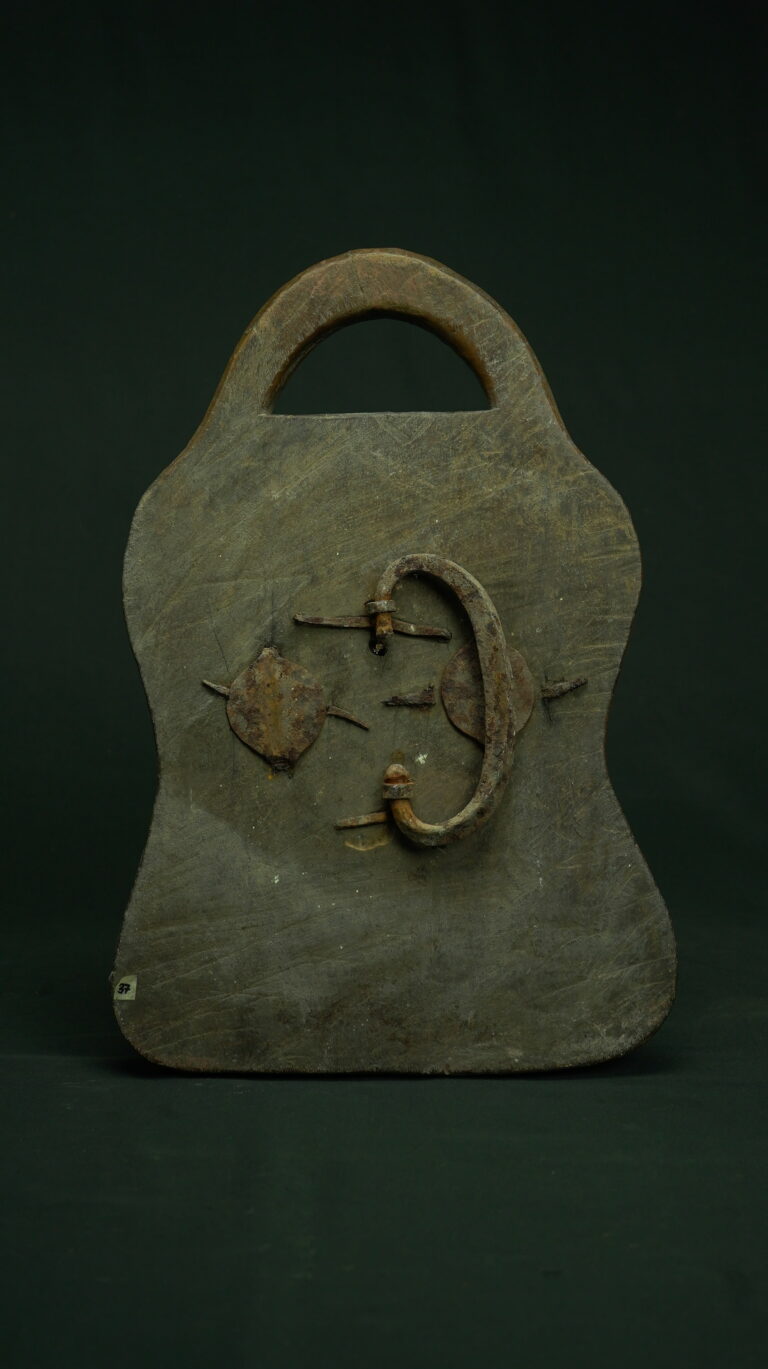
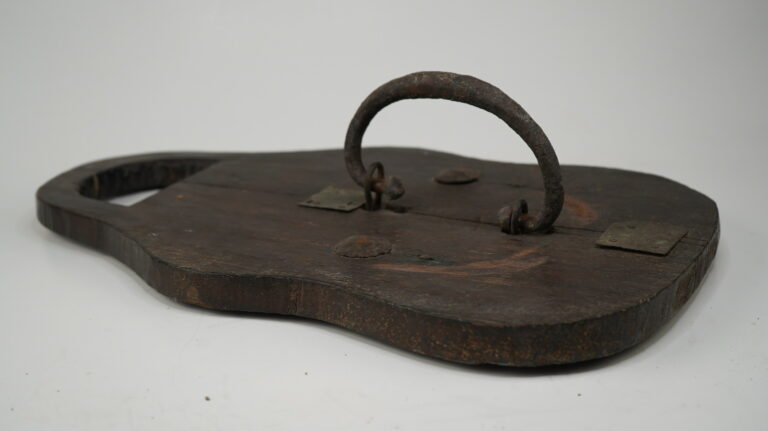
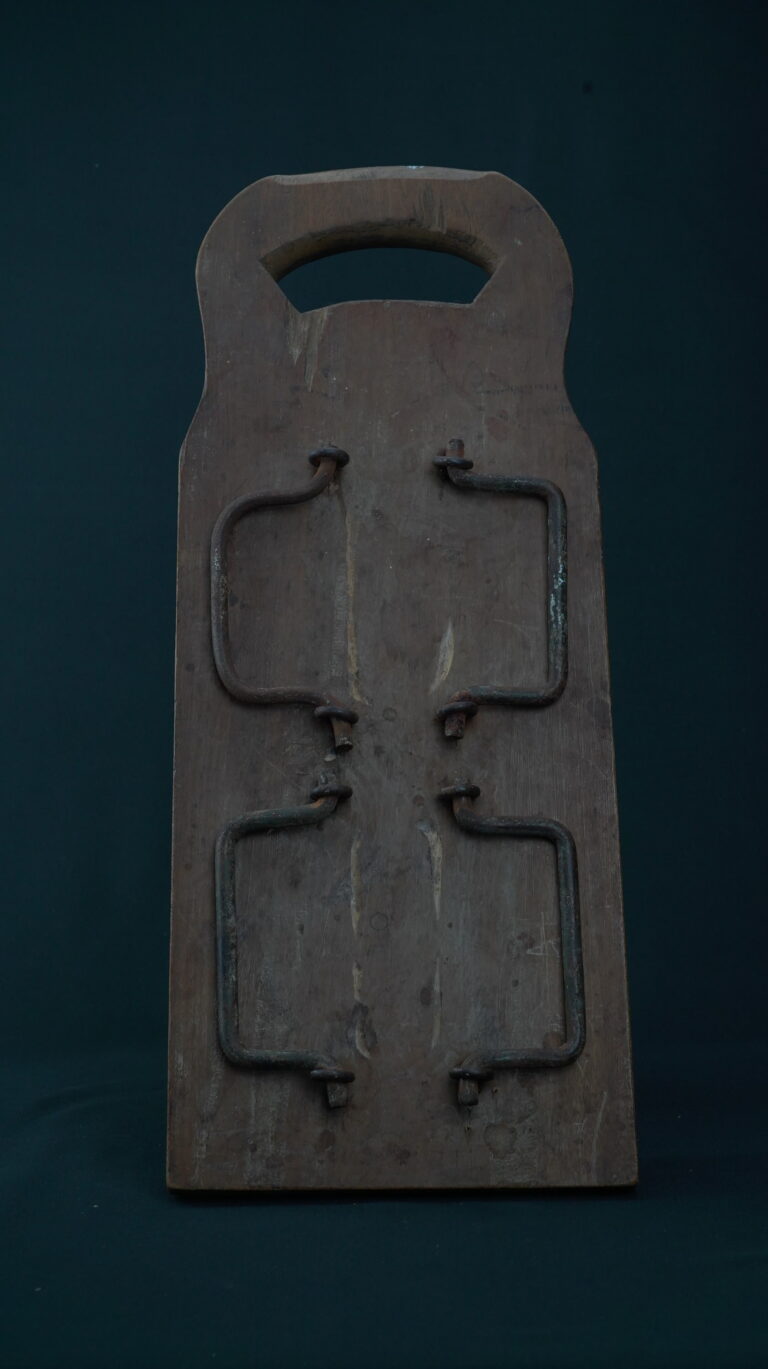
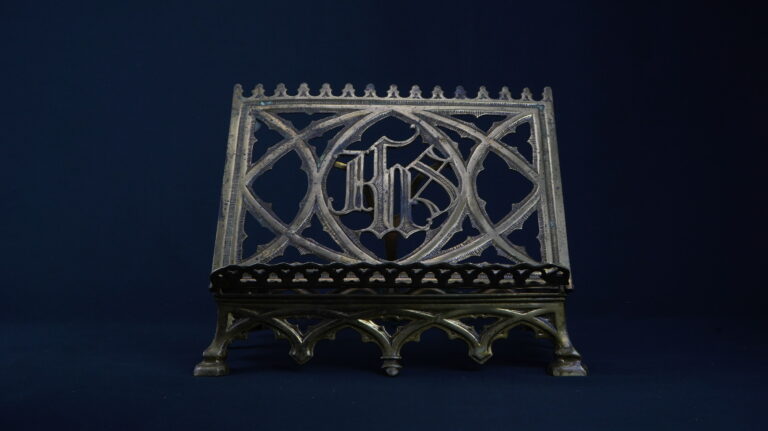
This gallery also contains images of other liturgical vessels that are also prepared at the credence table. Other liturgical objects intended to be directly used in the celebration of the Holy Mass like the candle holders, altar crucifix and processional crucifix are presented as well. It is also necessary to mention the liturgical books used to proclaim the Word of God. They, too, are worthy of special veneration, and as such would need appropriate book stands, which are themselves artifacts within this gallery.
Great care is given to all liturgical objects. Knowing what they are, how they are used in the Holy Mass, and how all aspects of the celebration are kept holy helps the believer understand more the sanctity and beauty of the Eucharistic celebration.