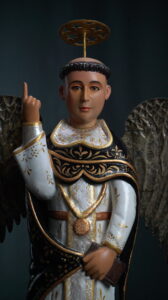
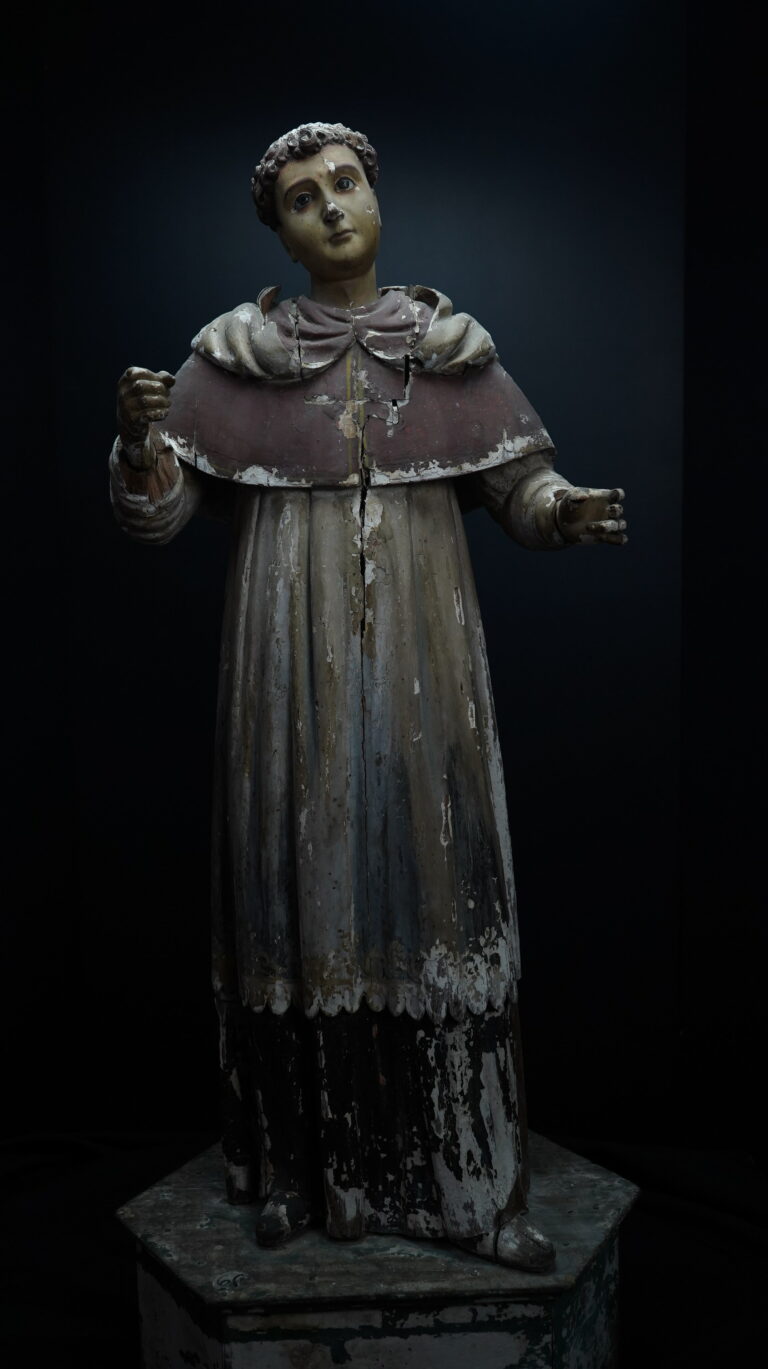
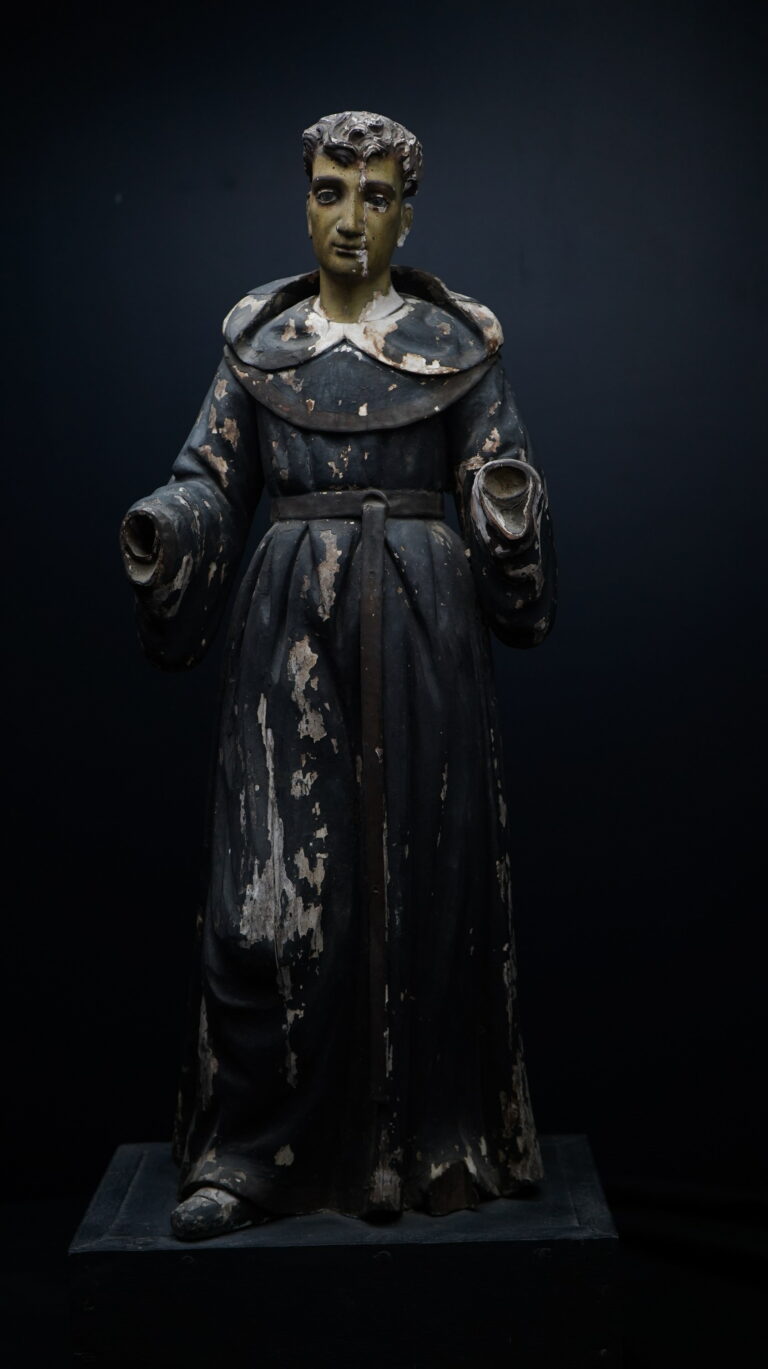
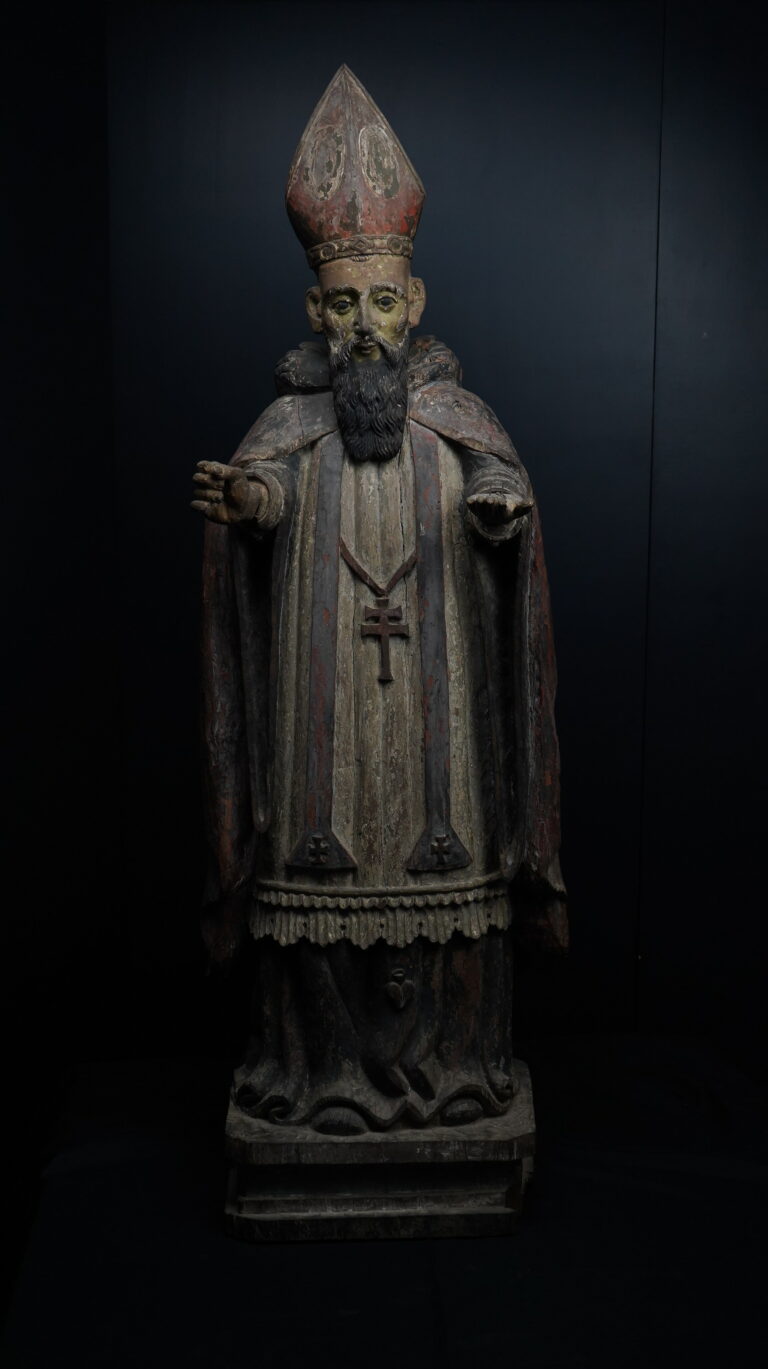
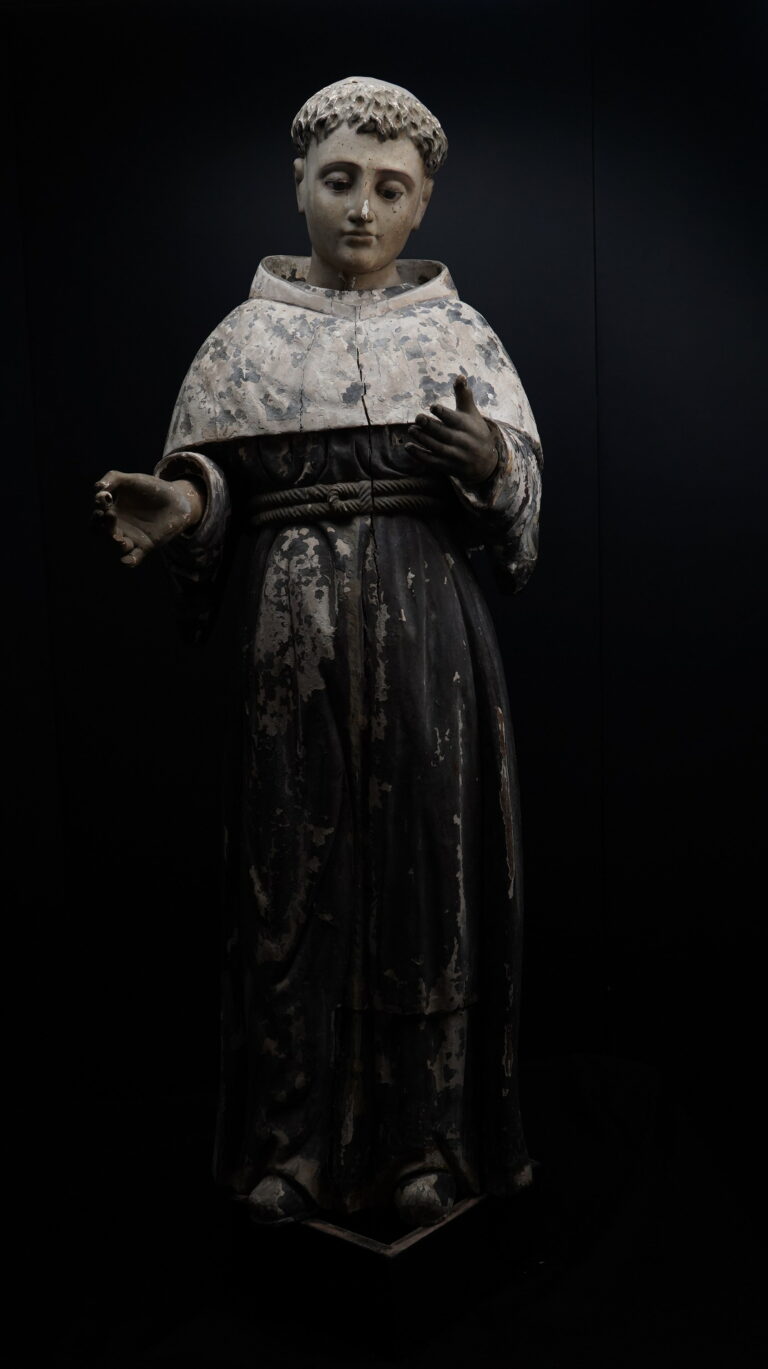
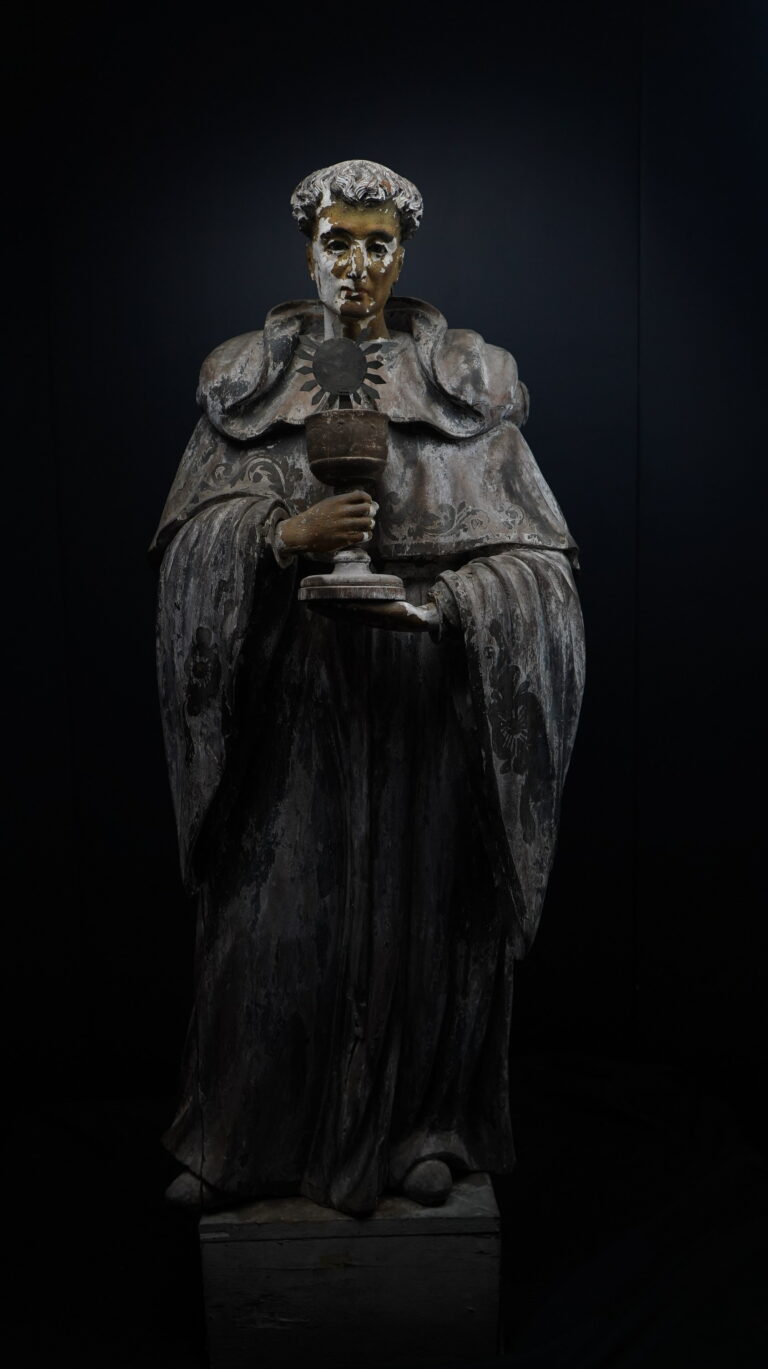
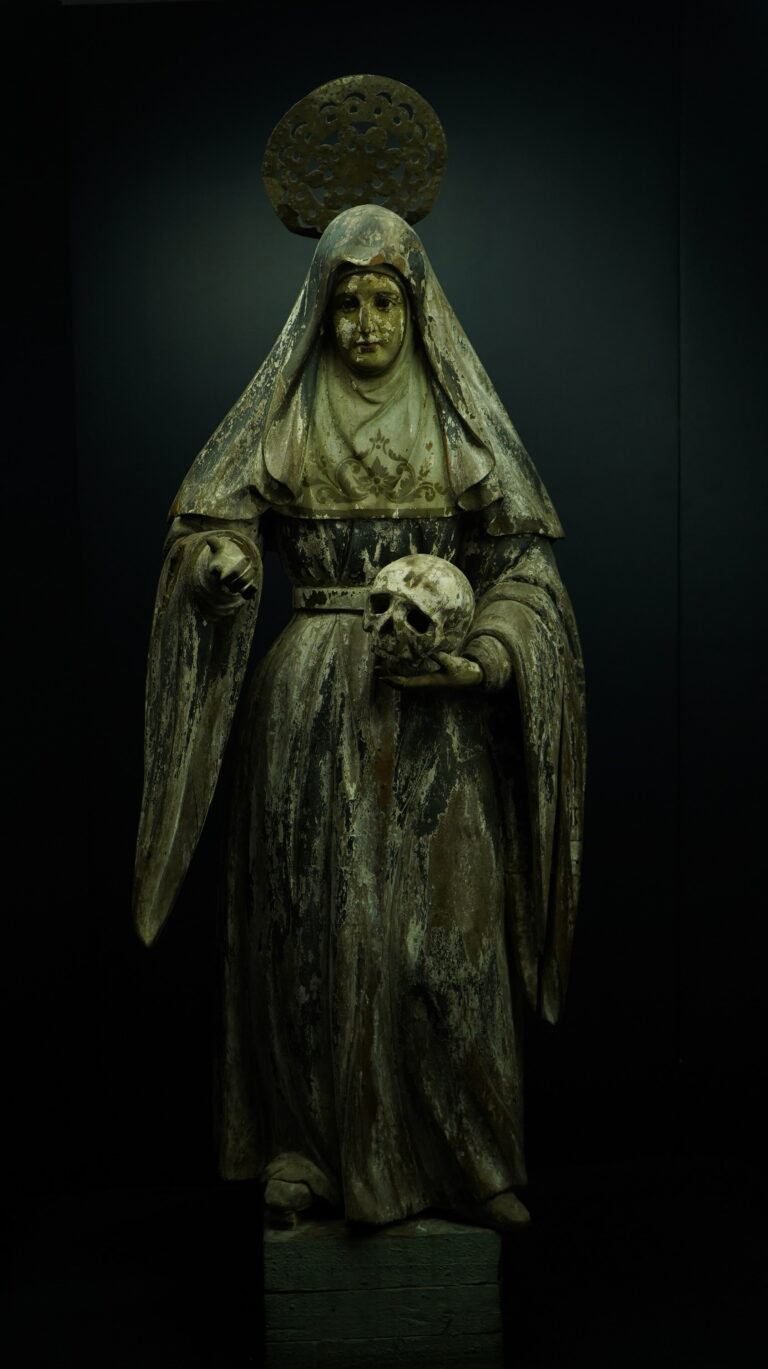
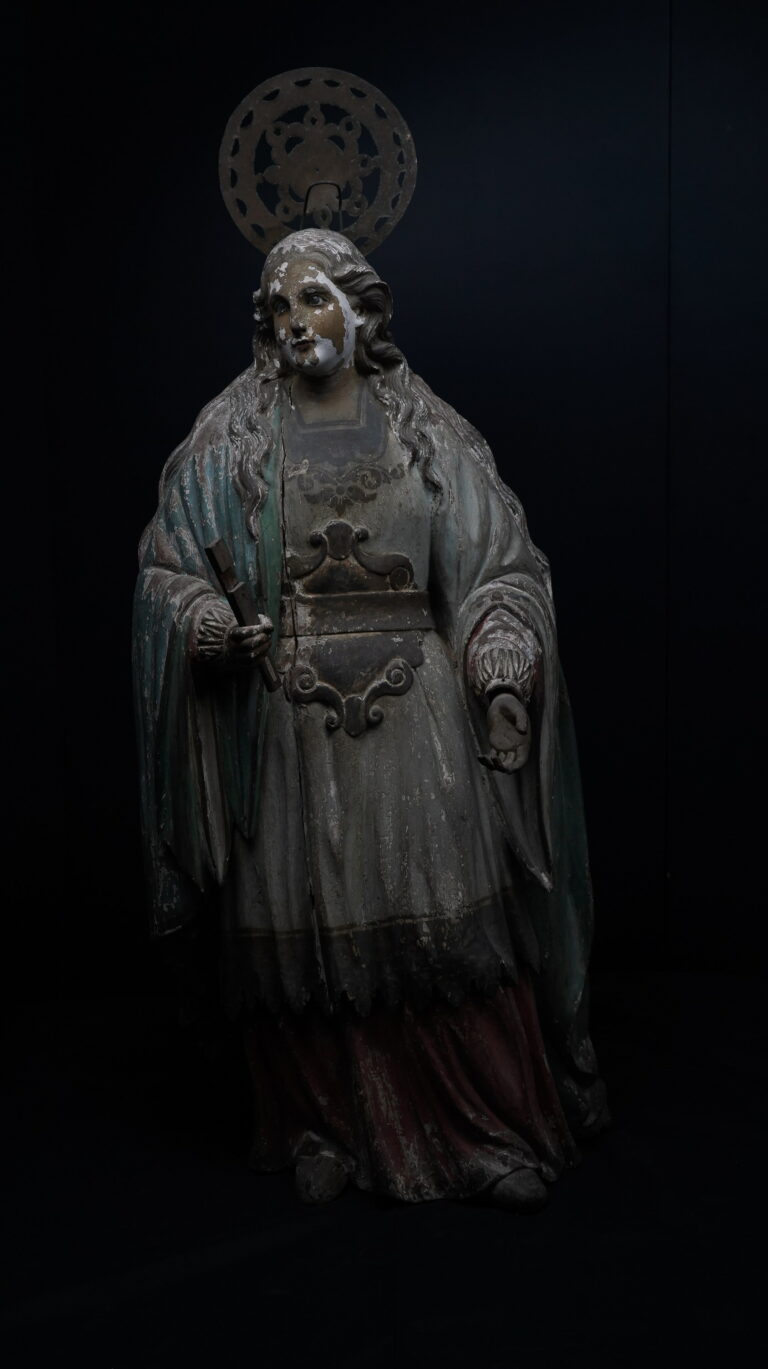
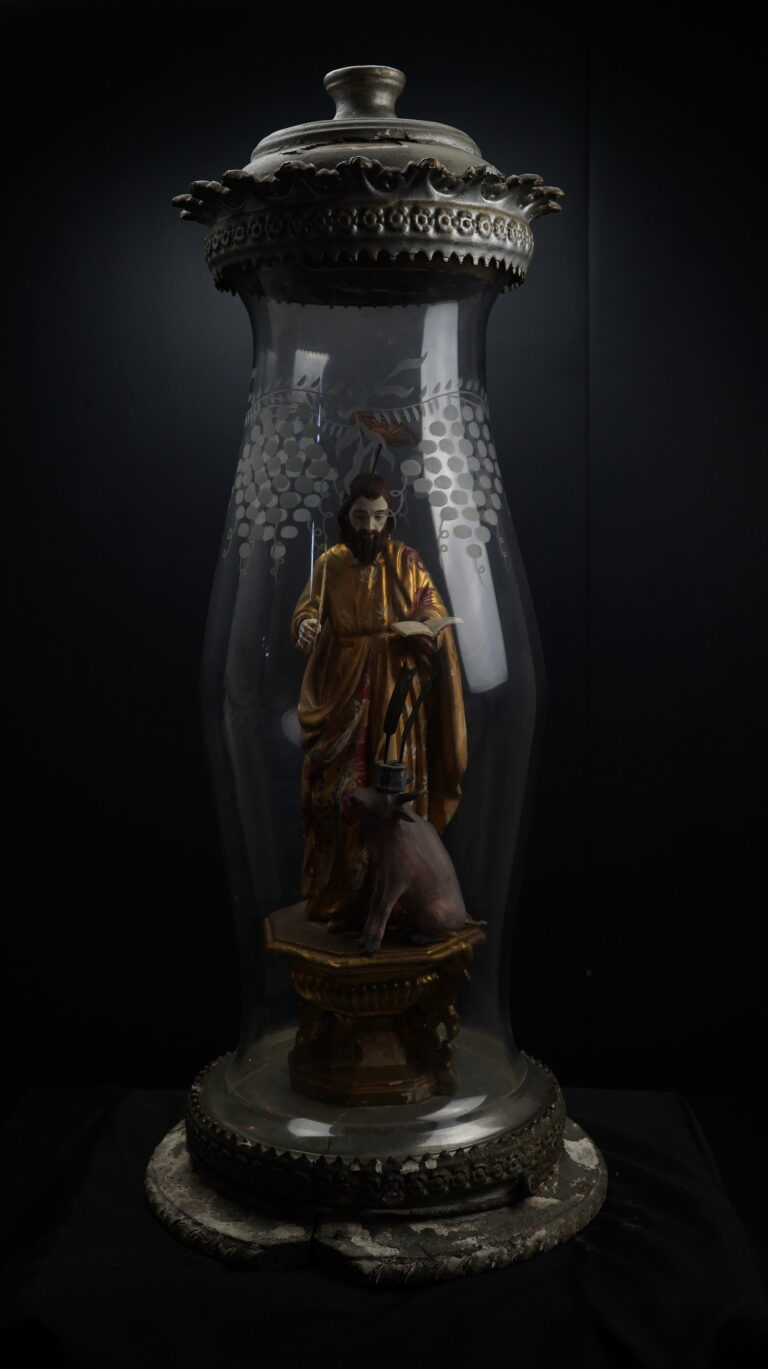
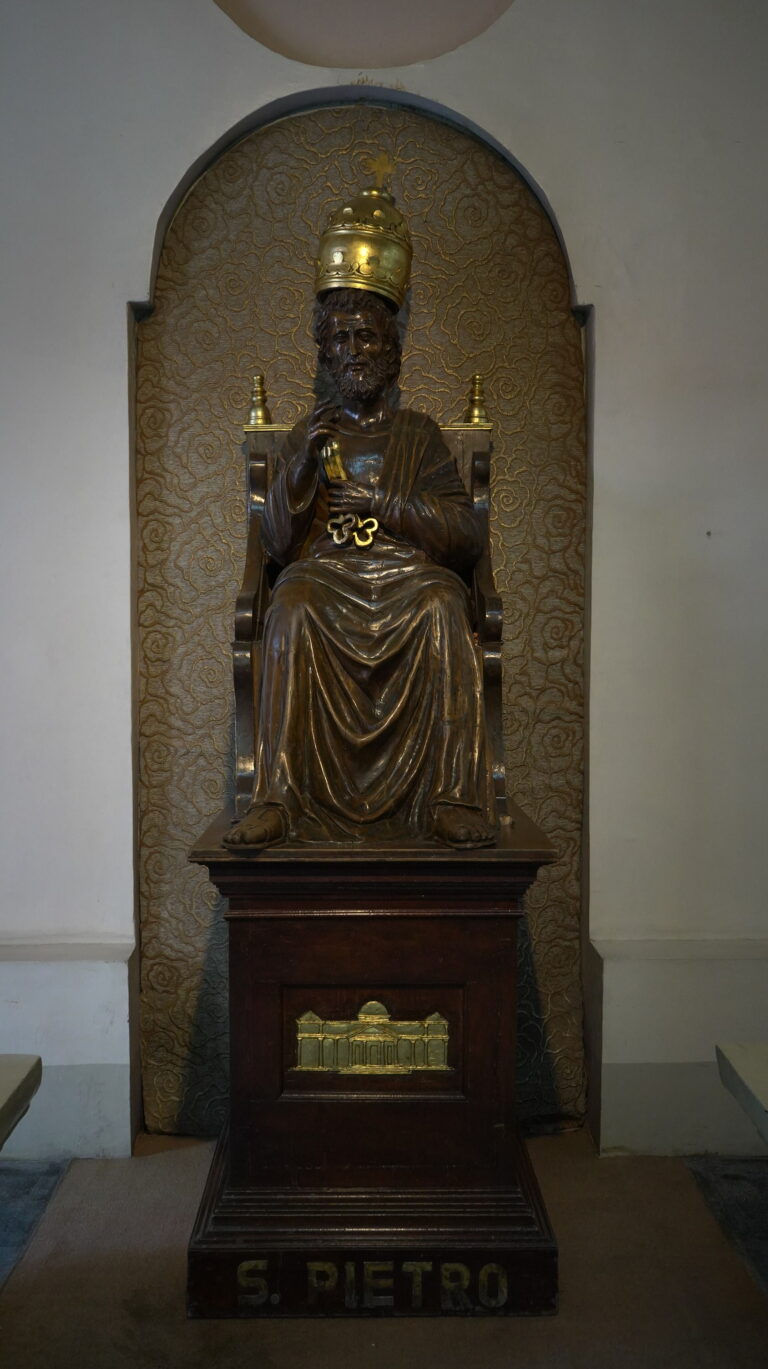
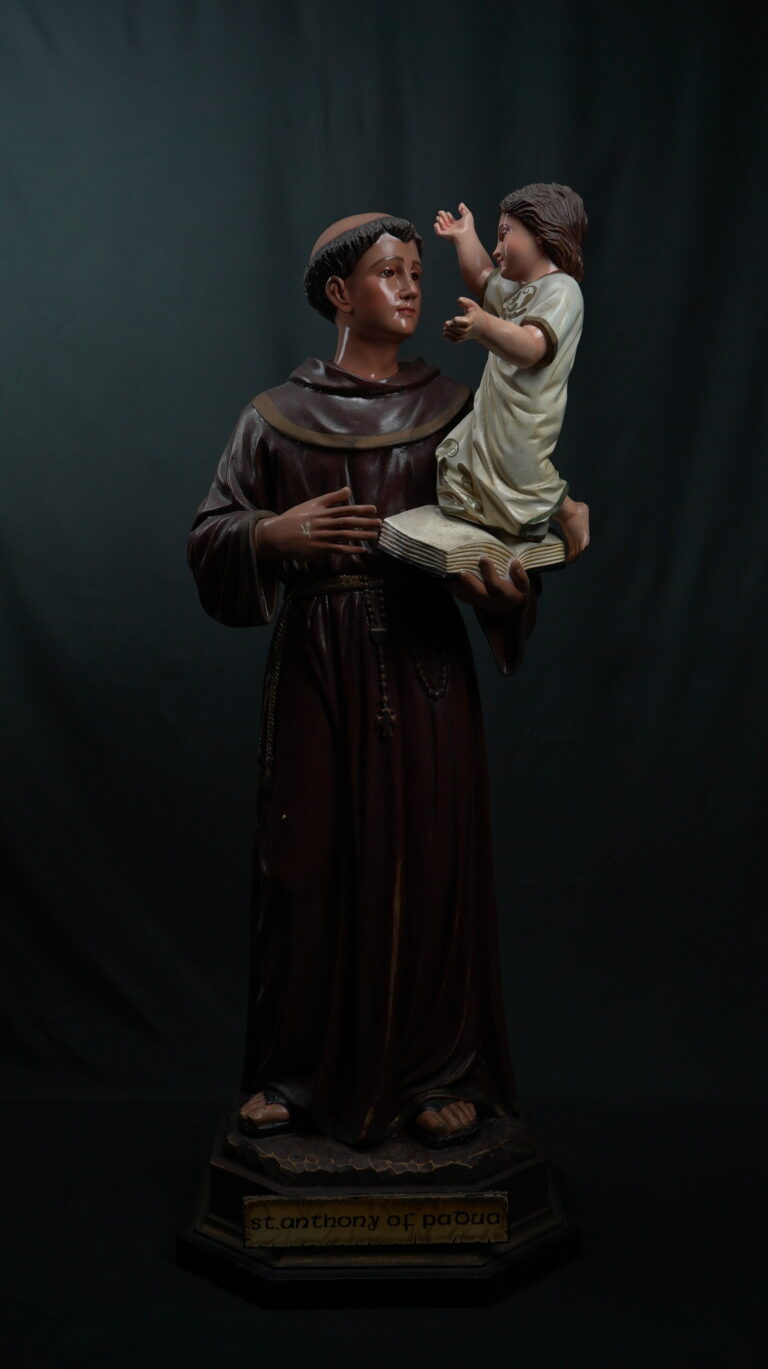
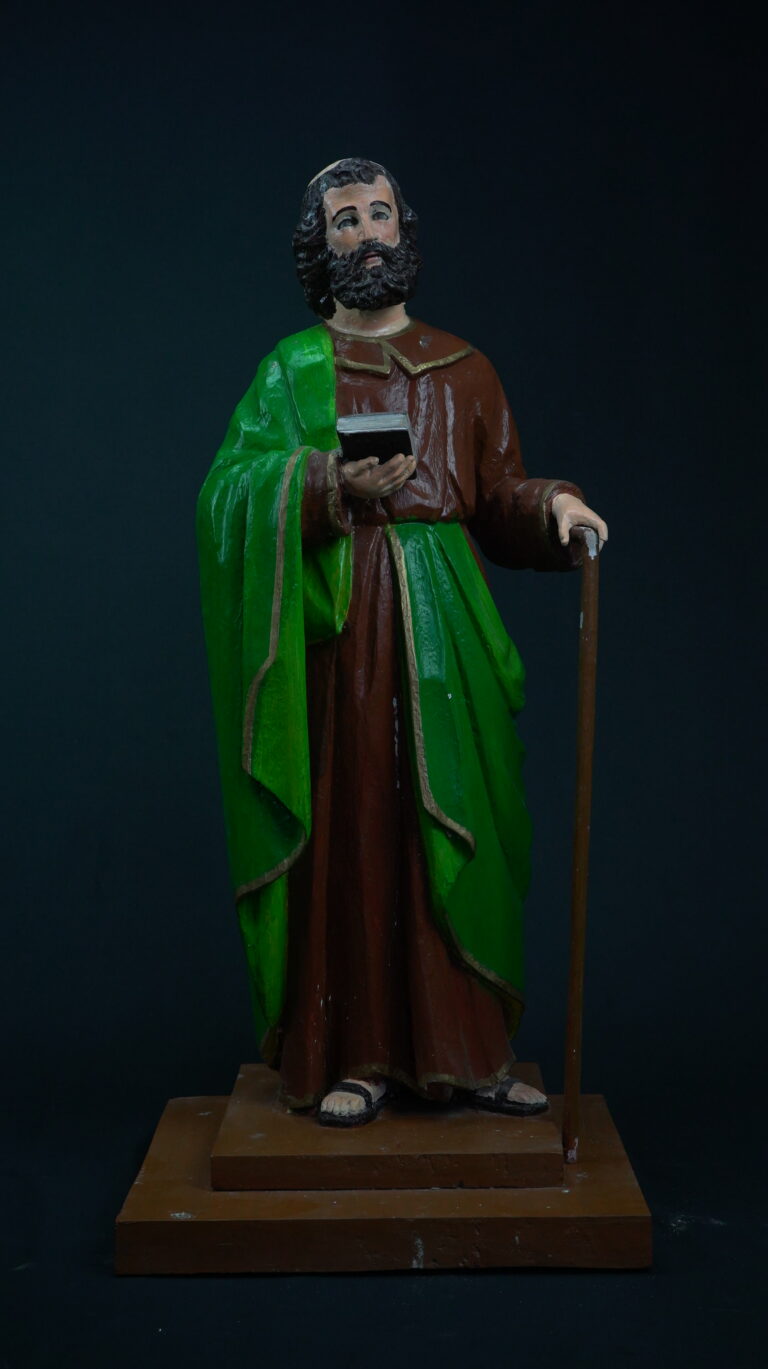
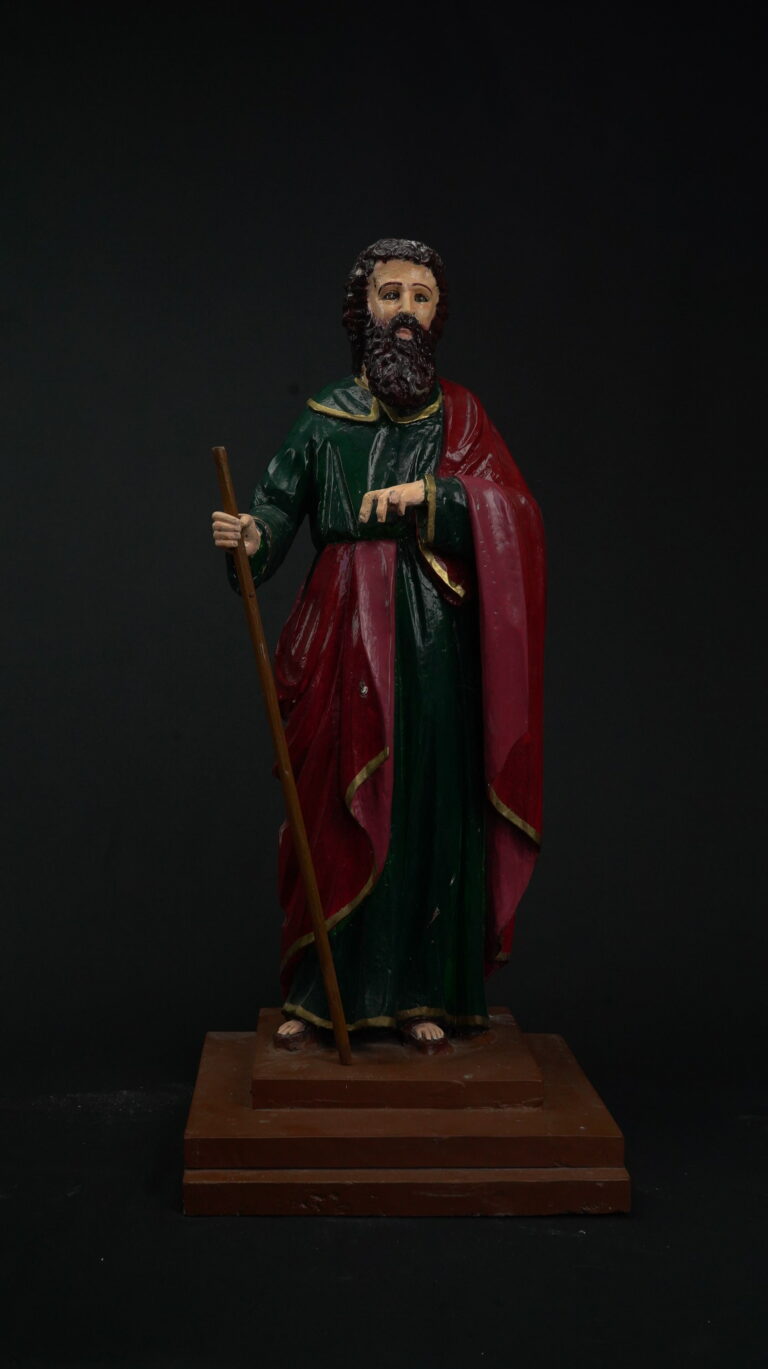
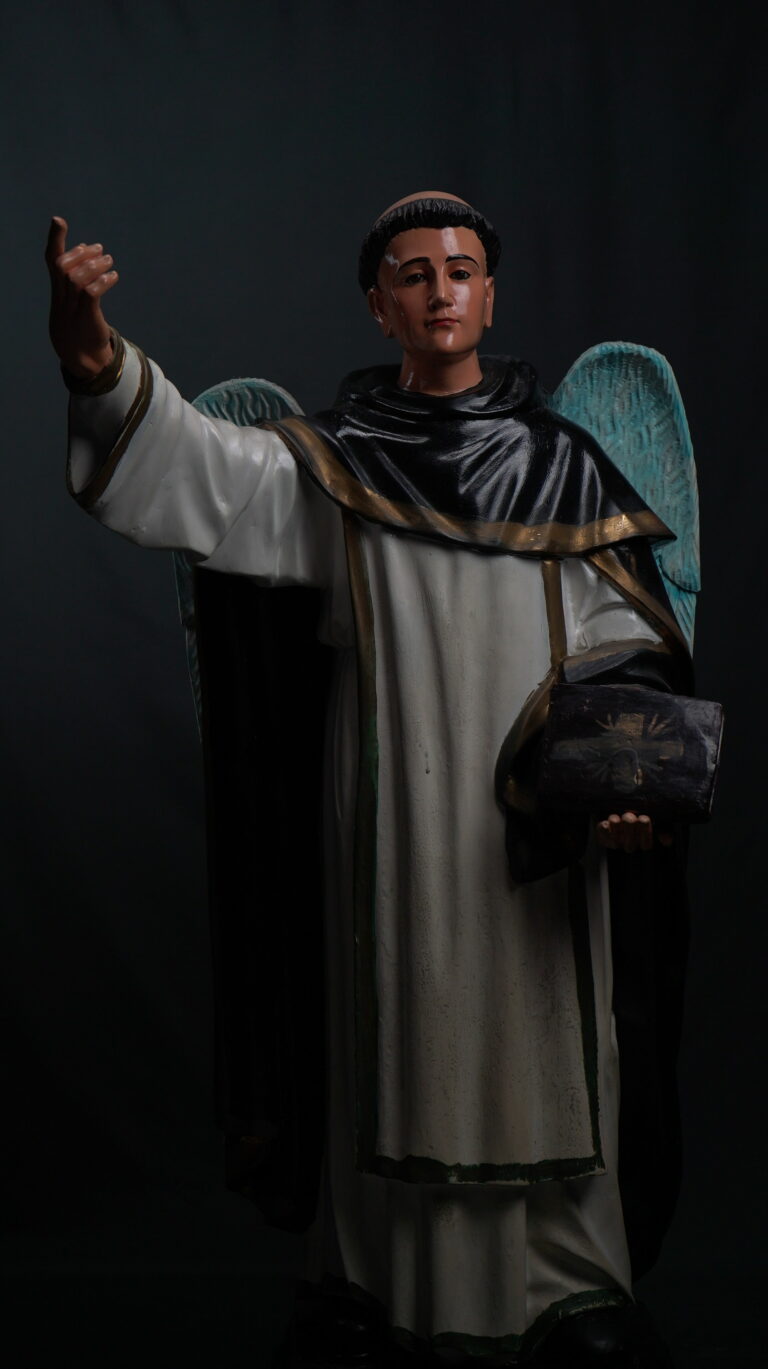
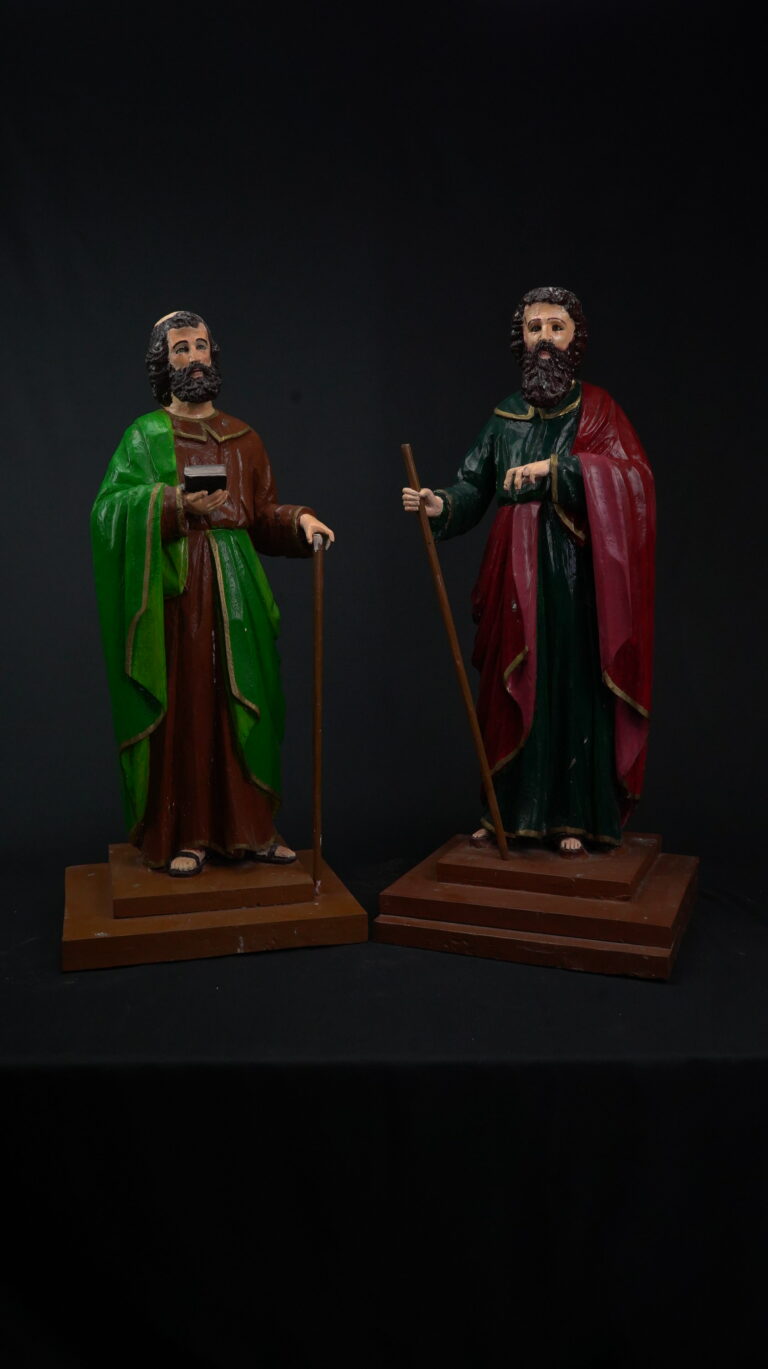
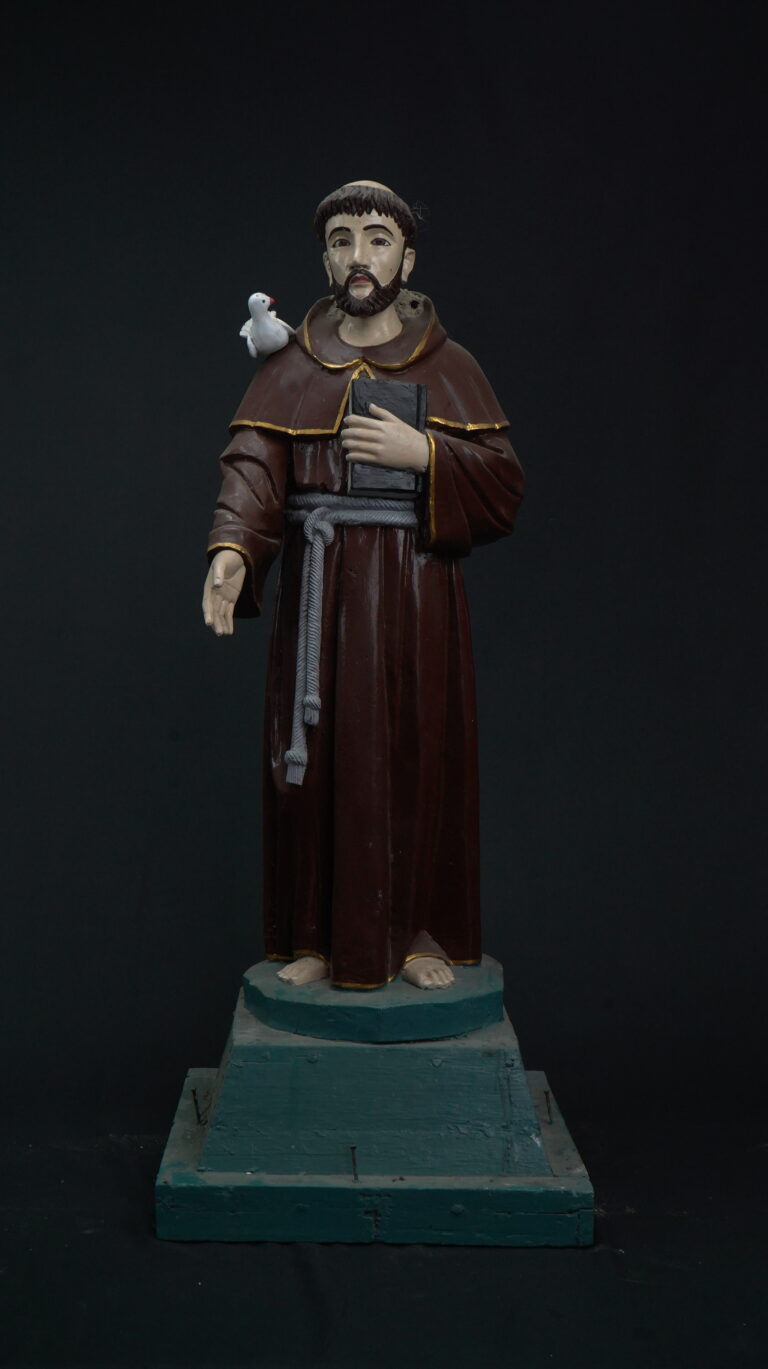
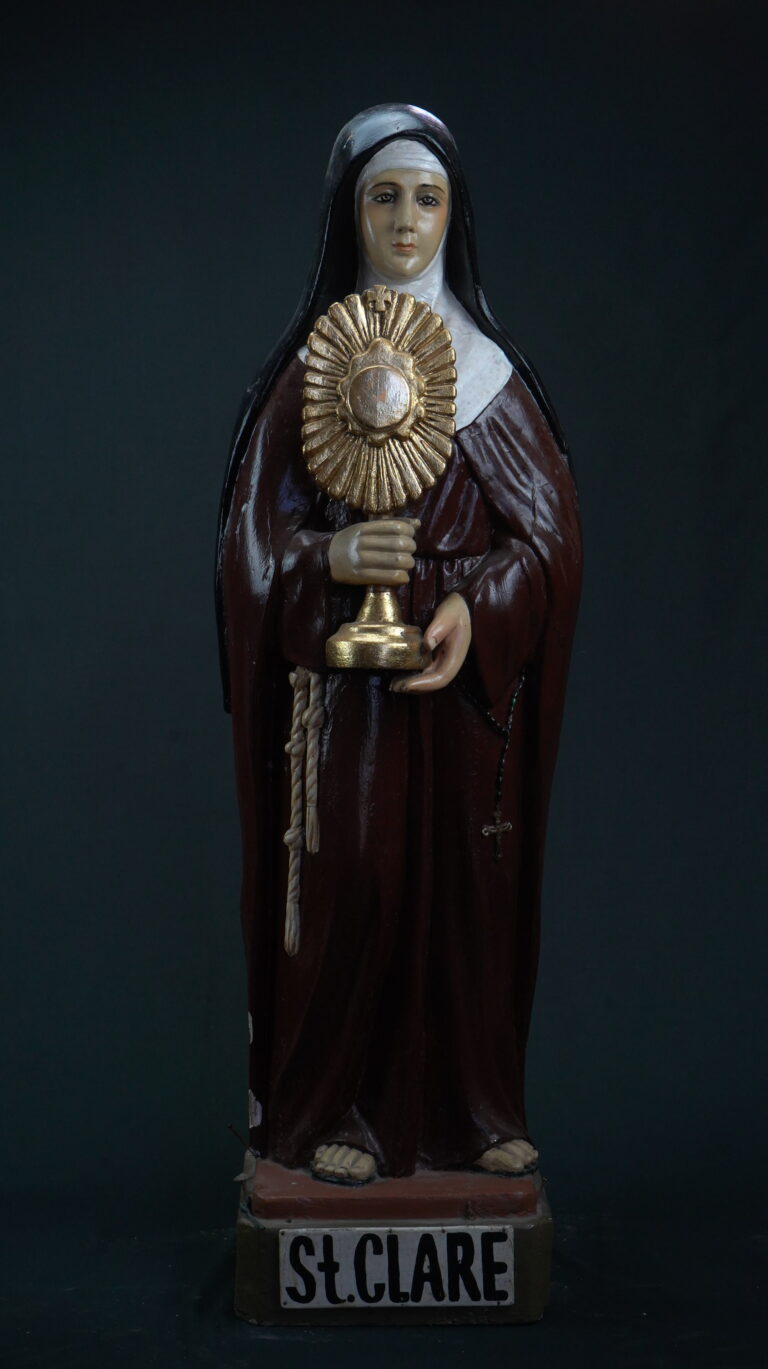
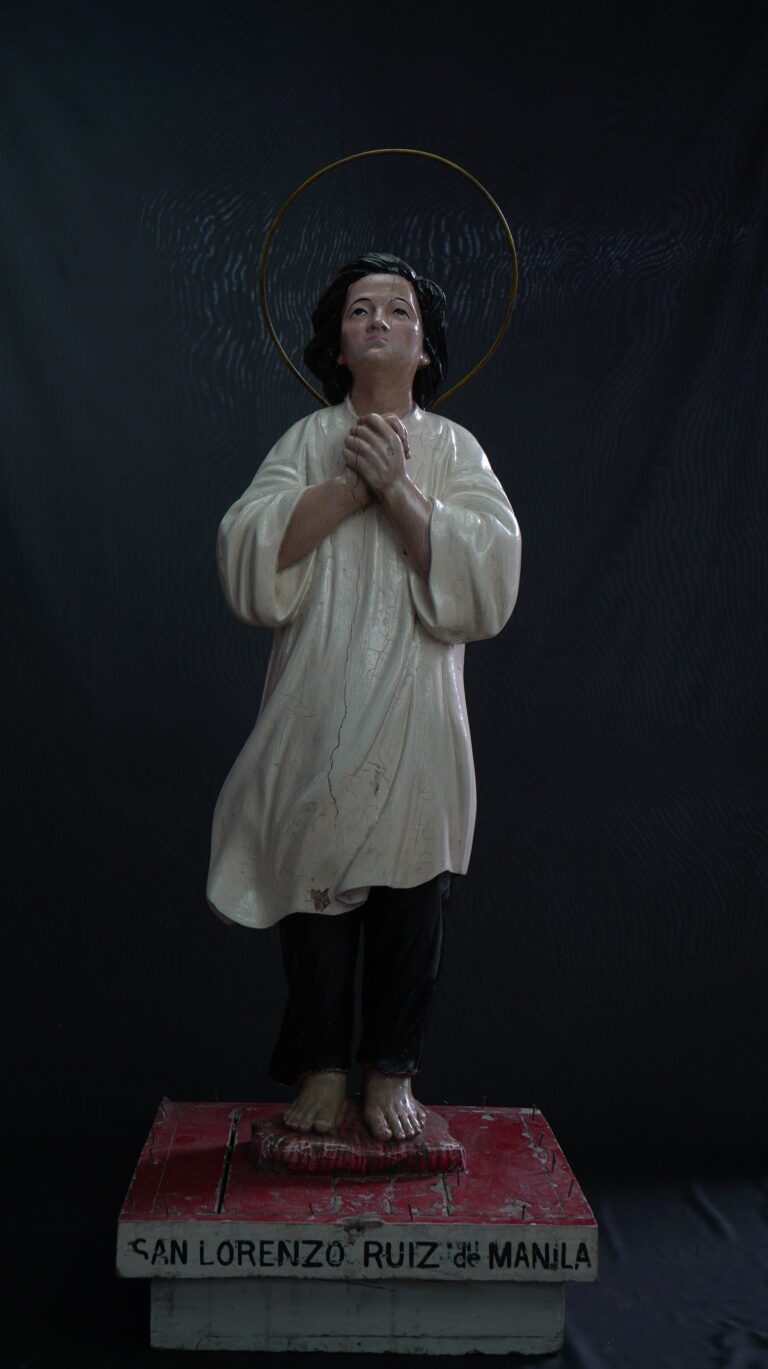
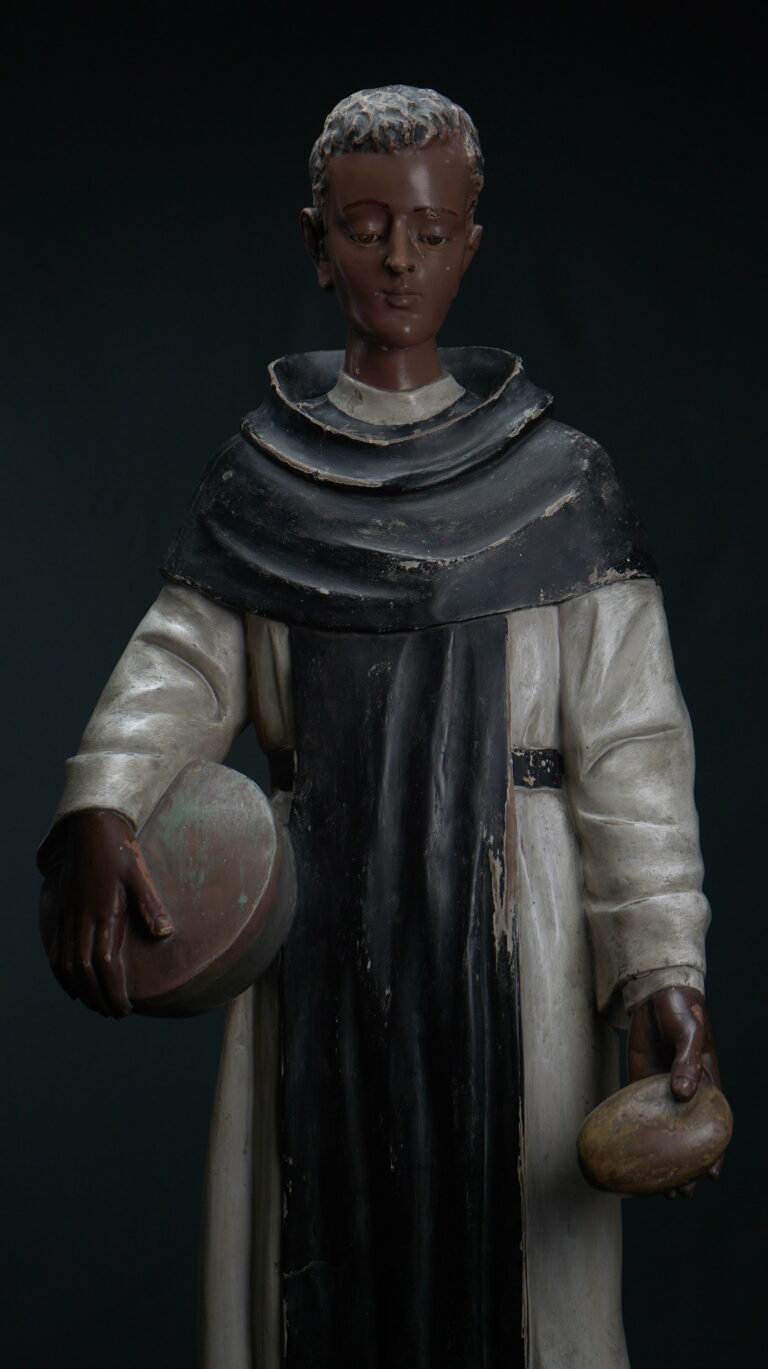
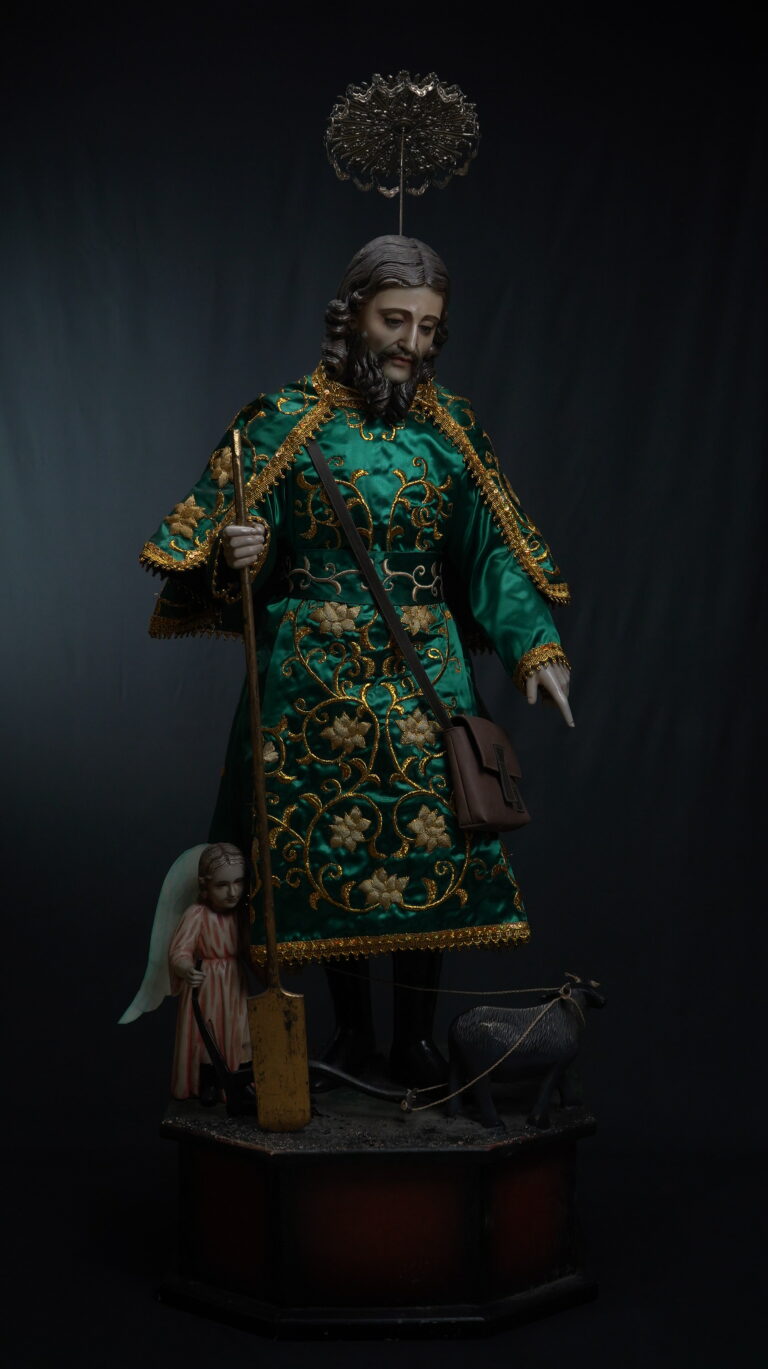
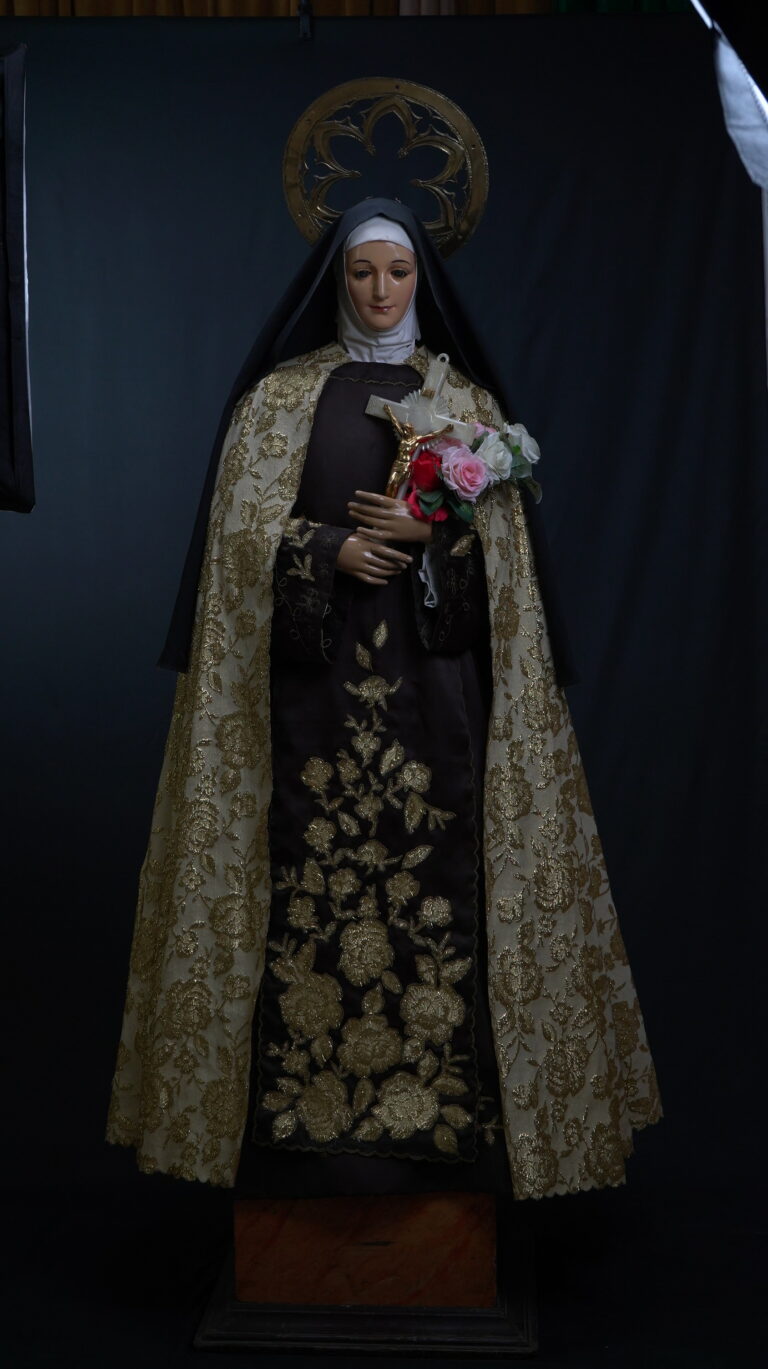
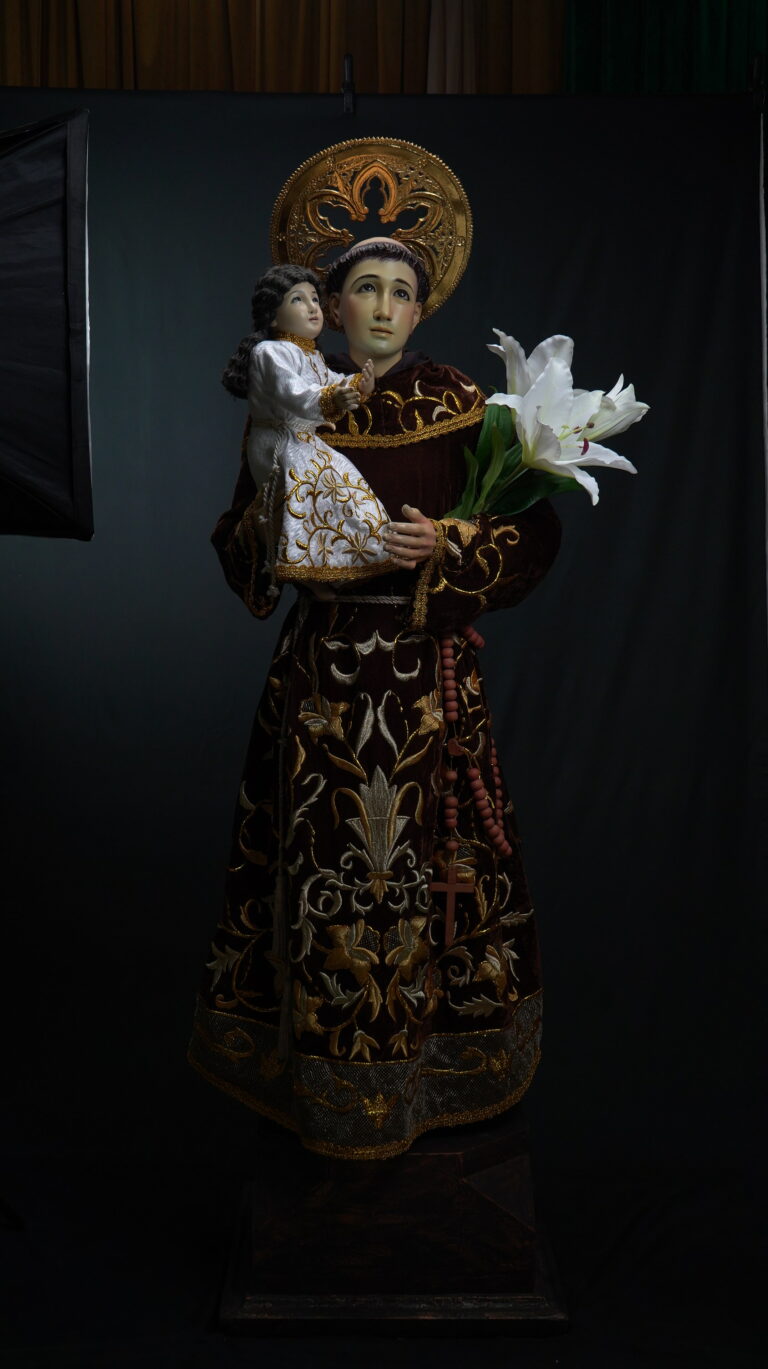
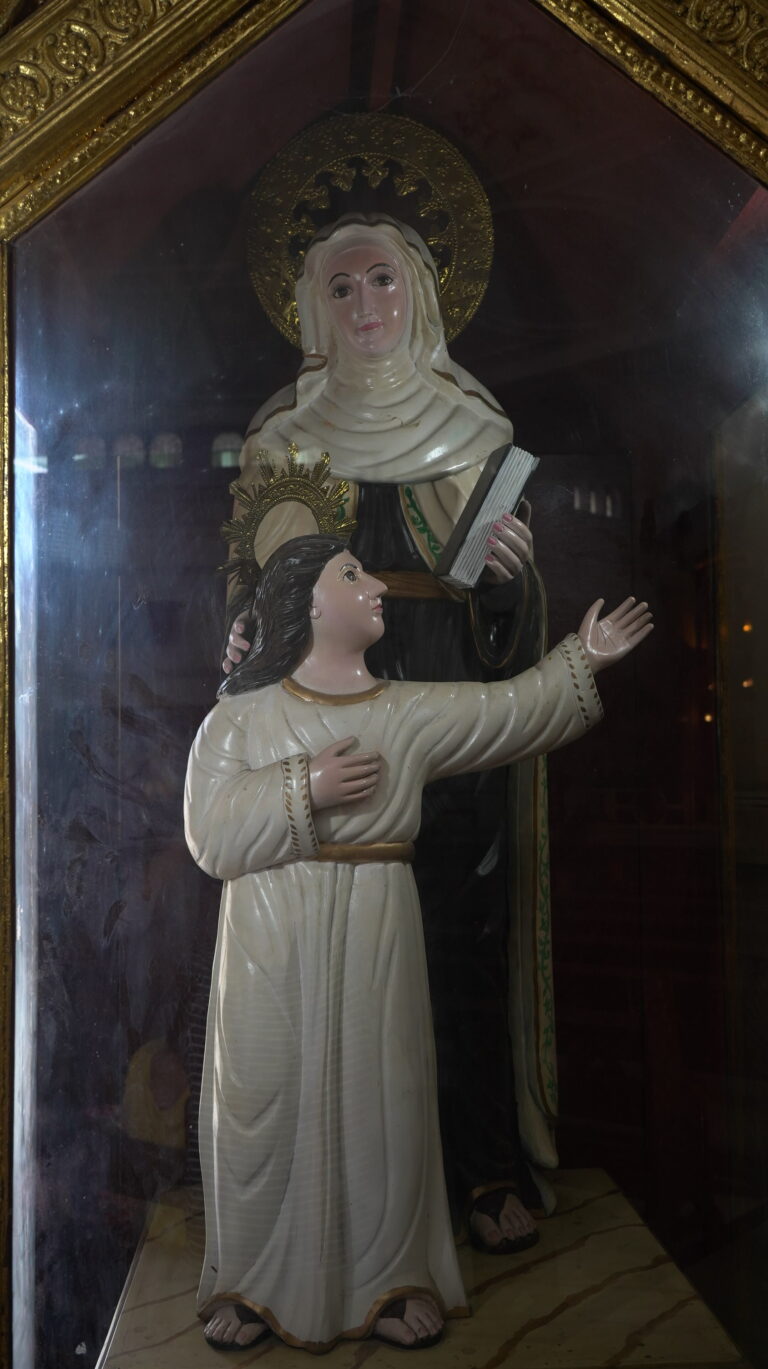
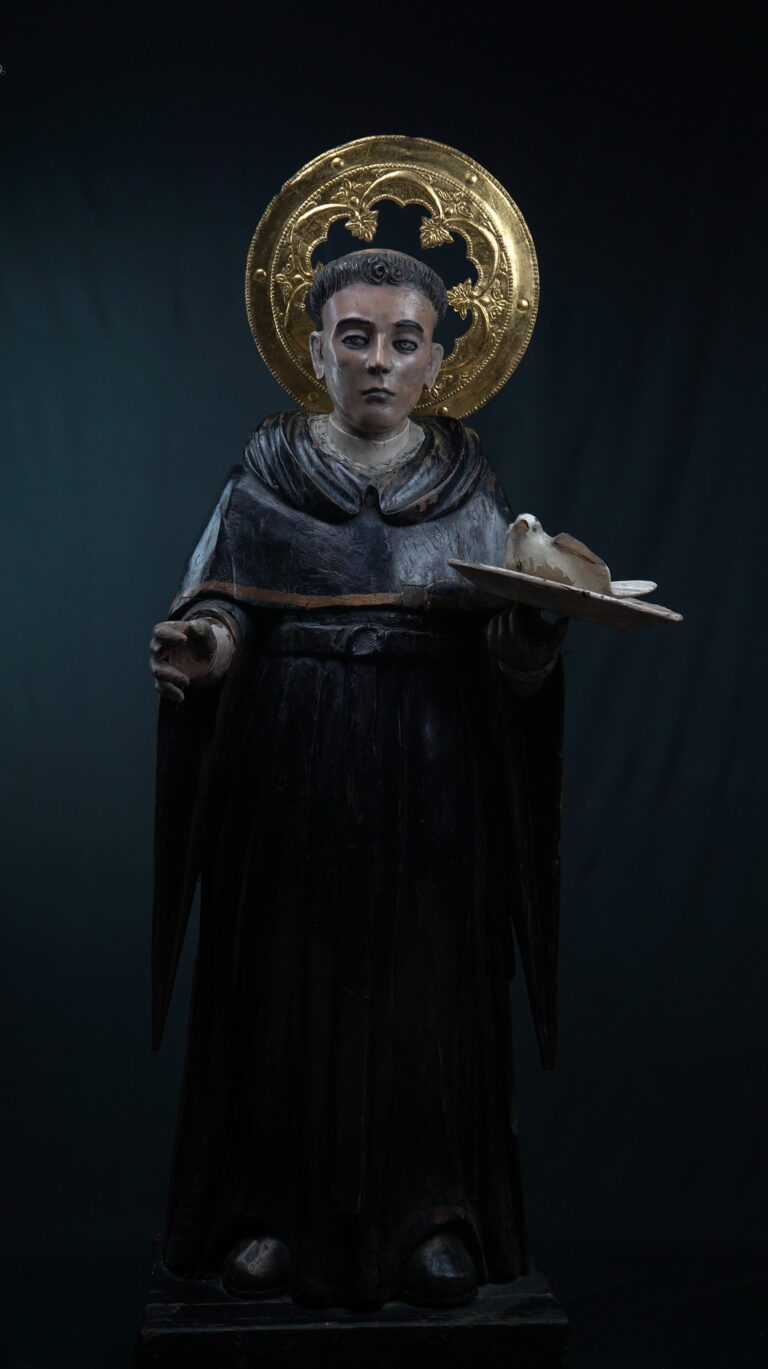
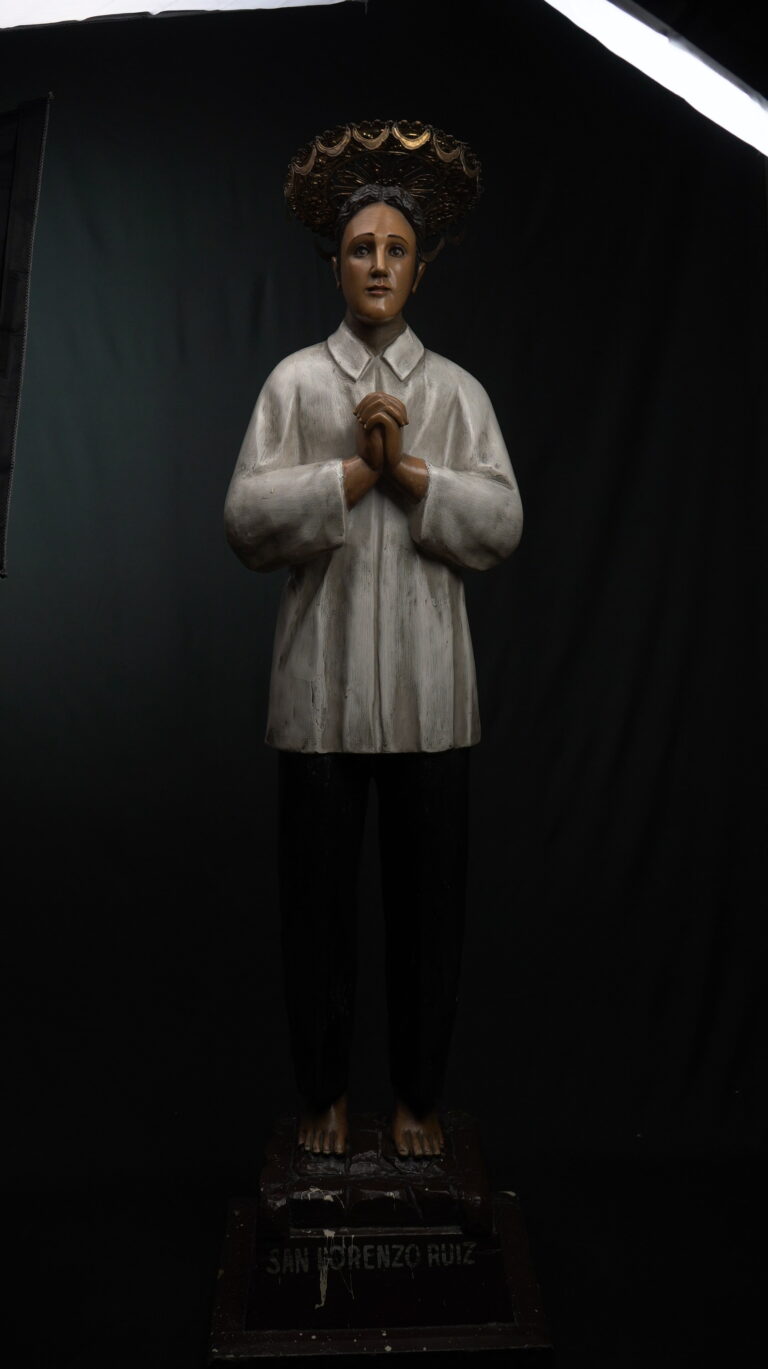
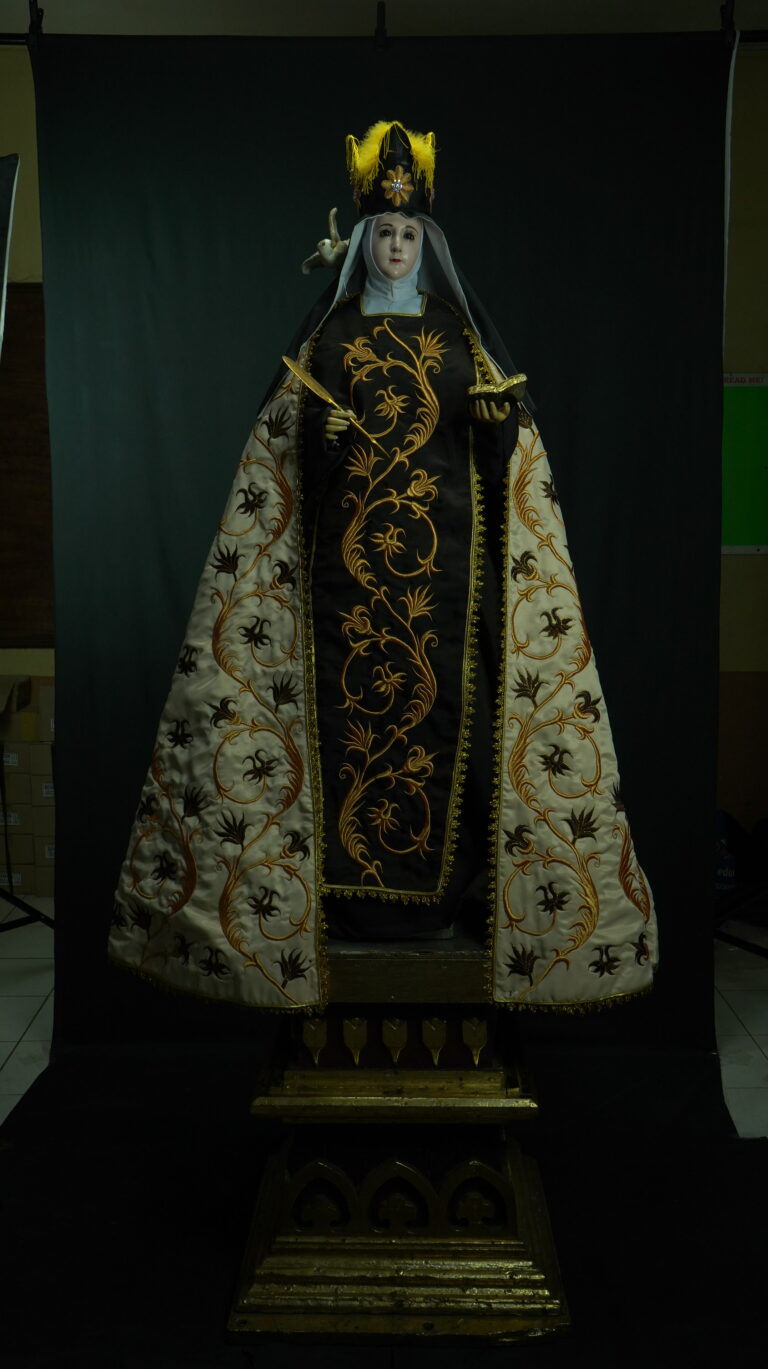
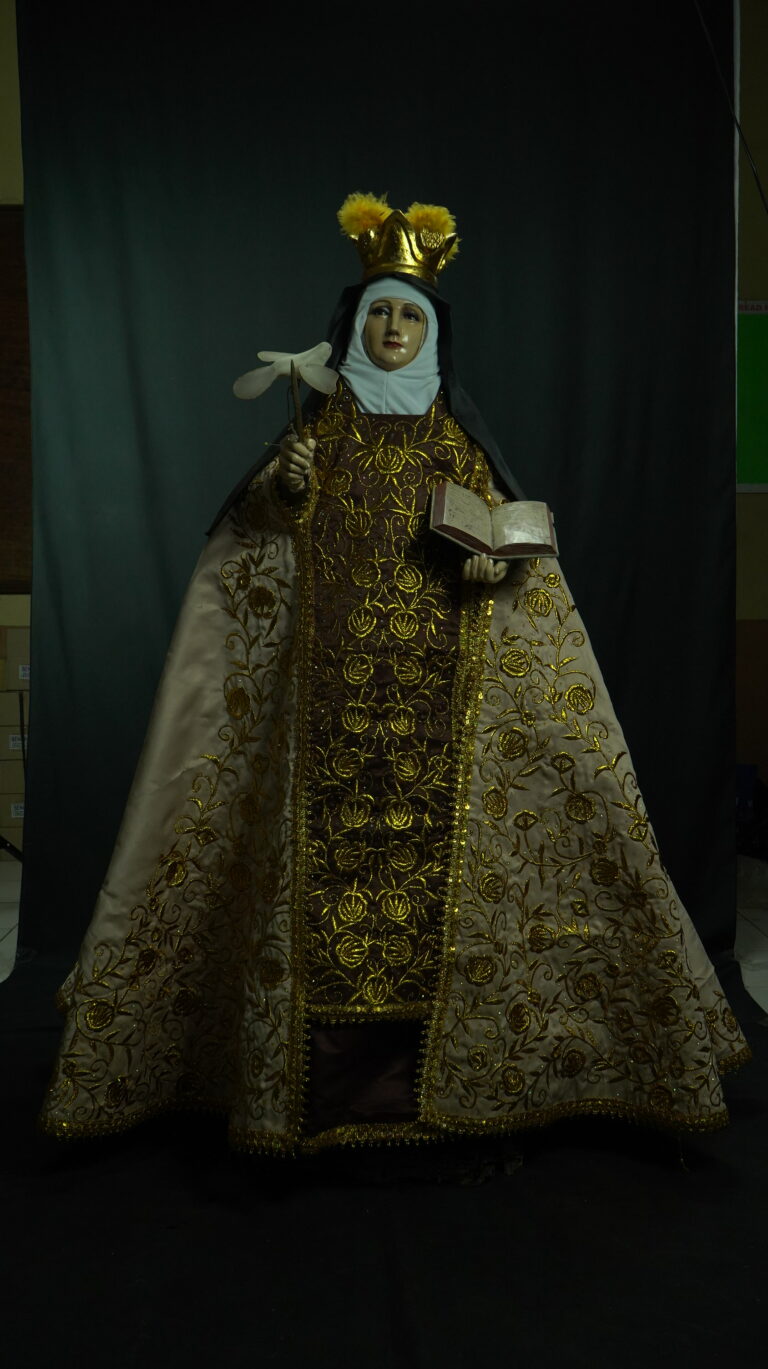
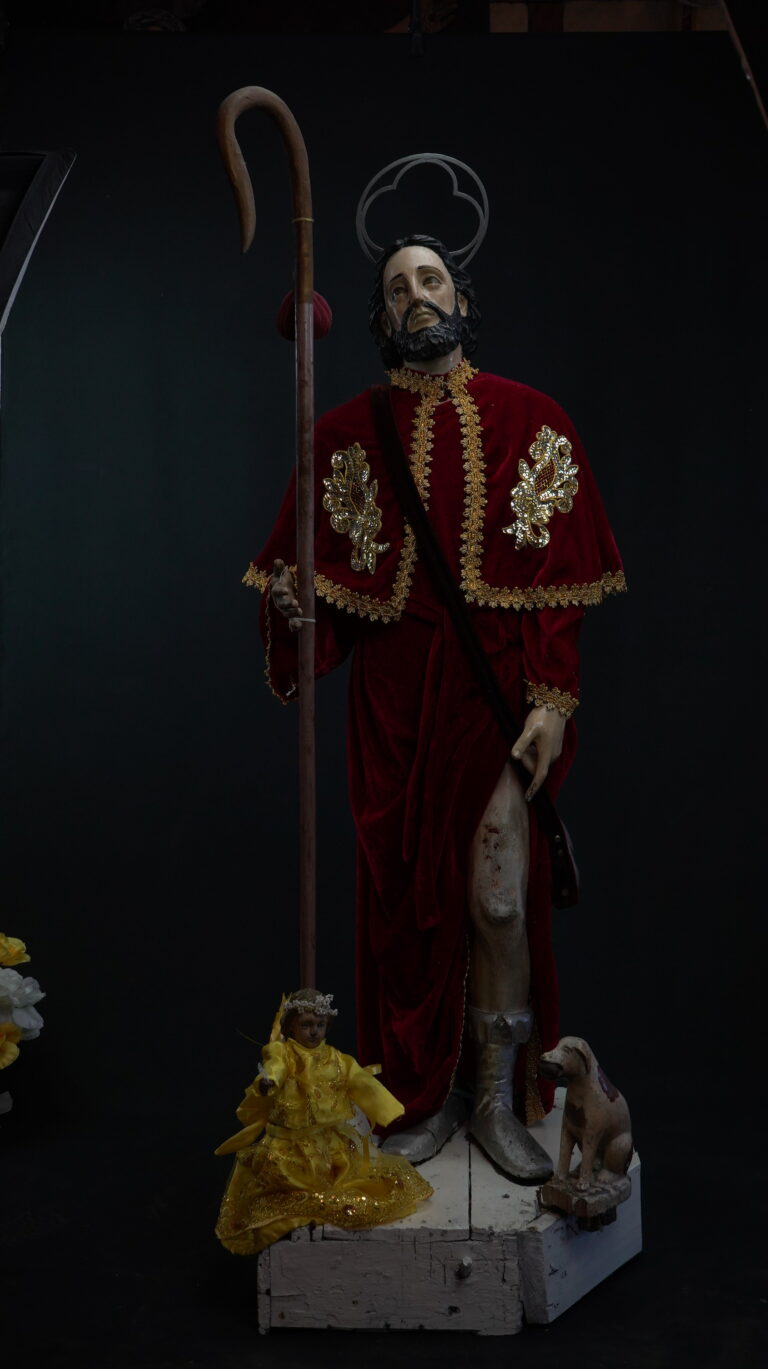
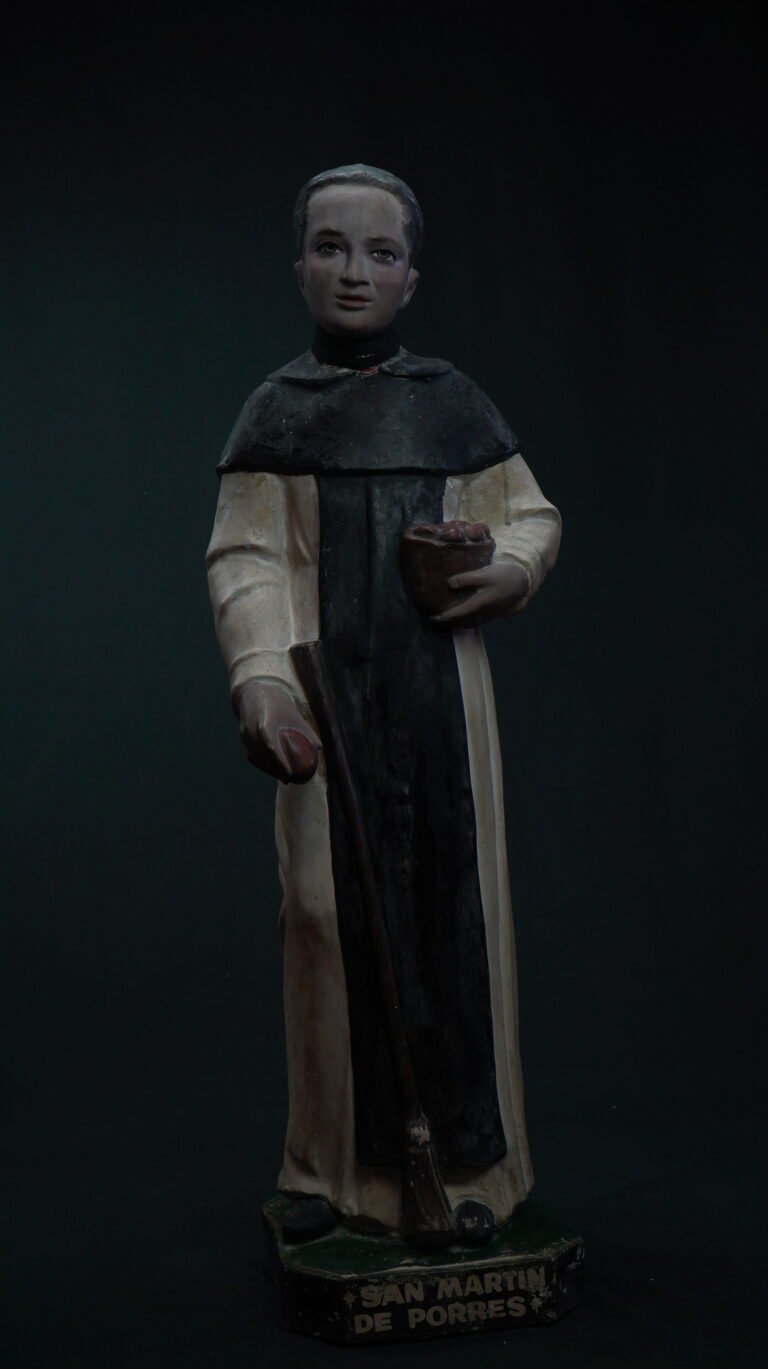
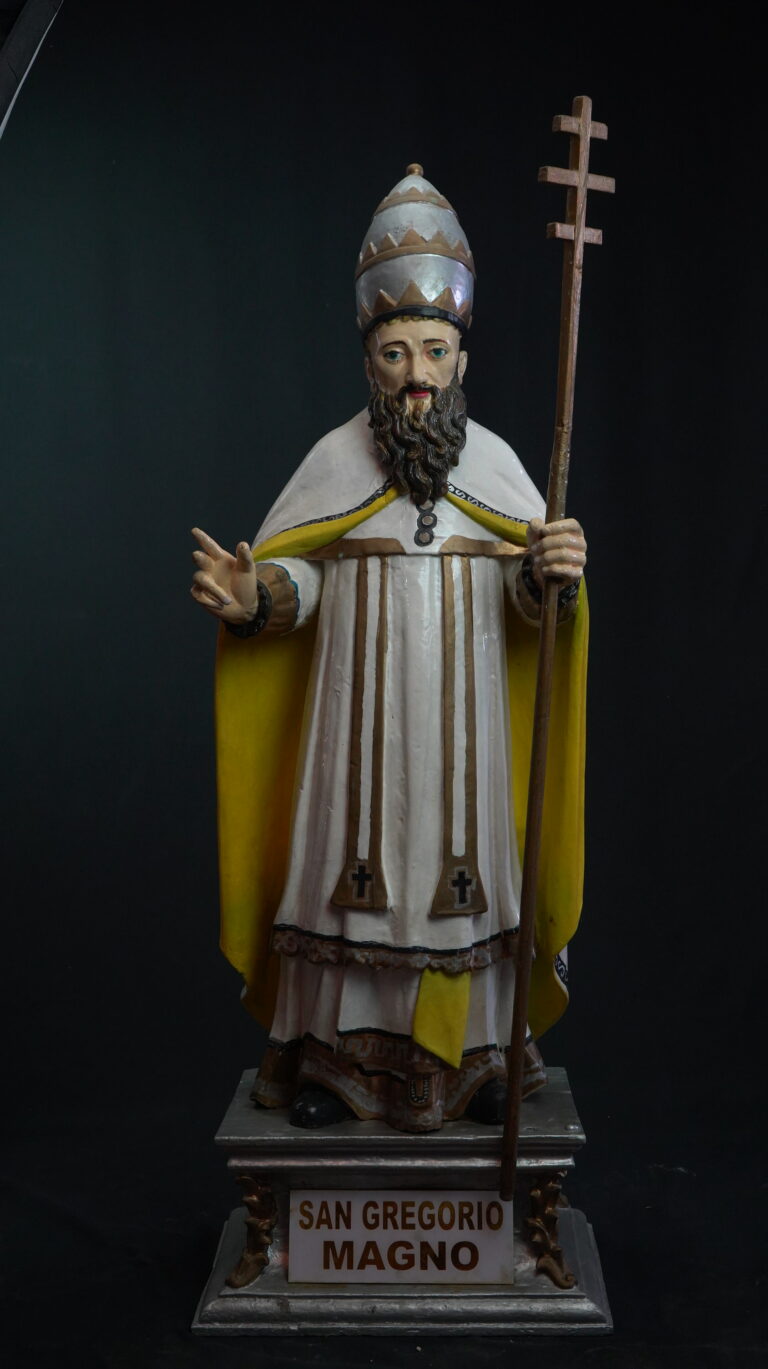
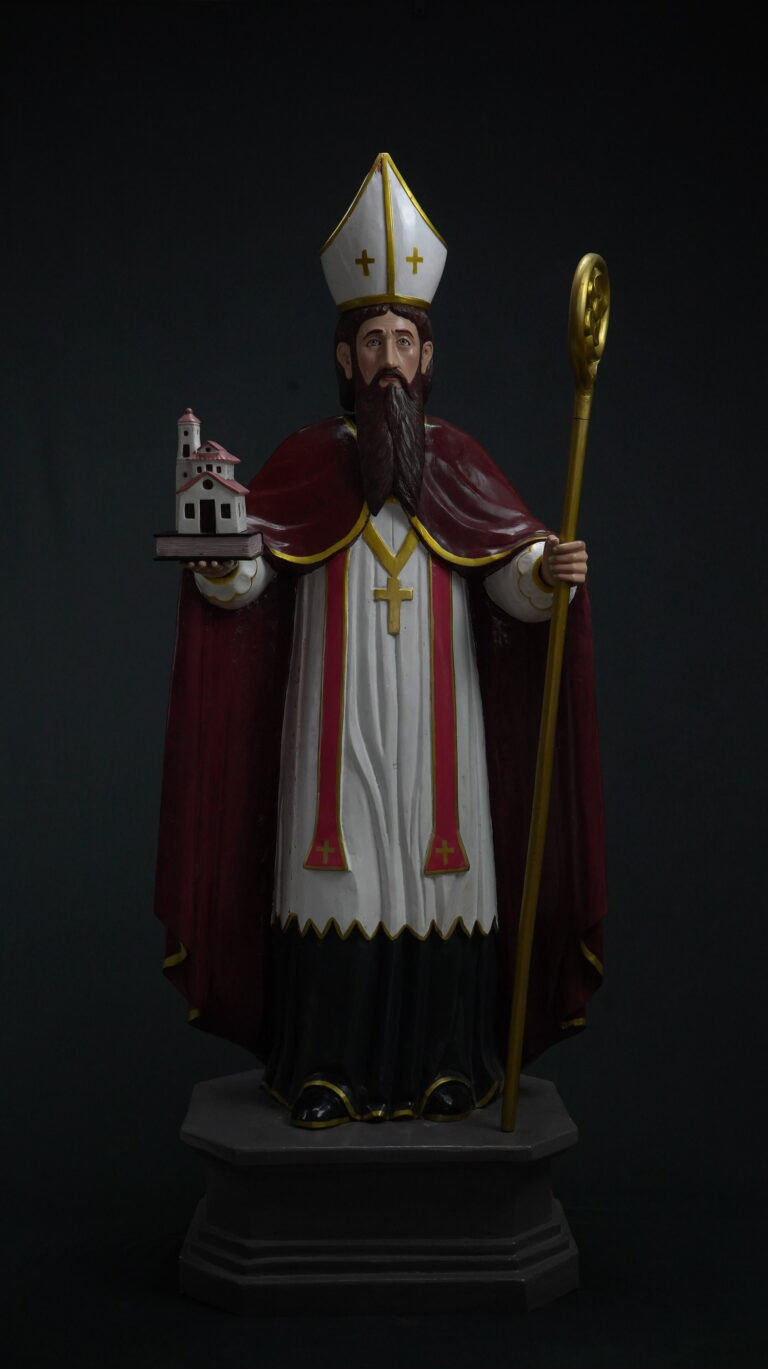
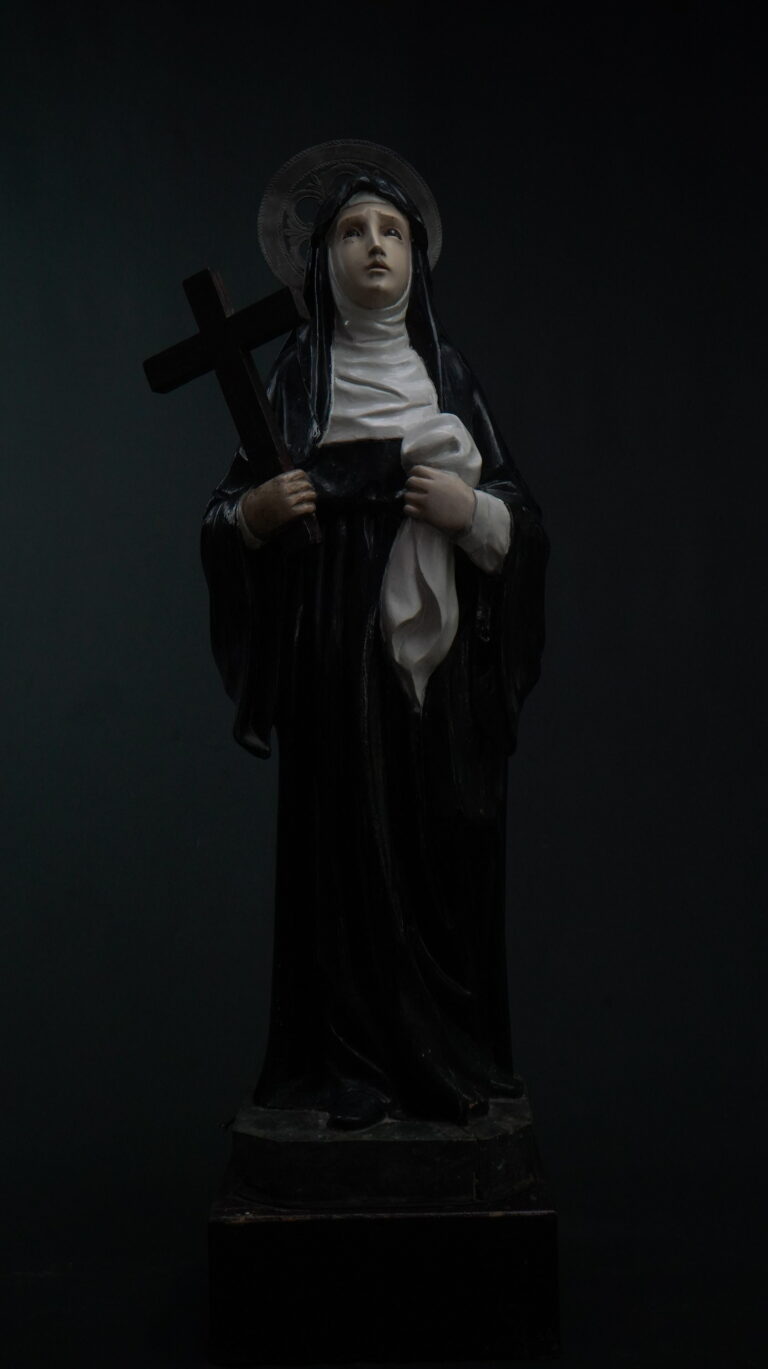
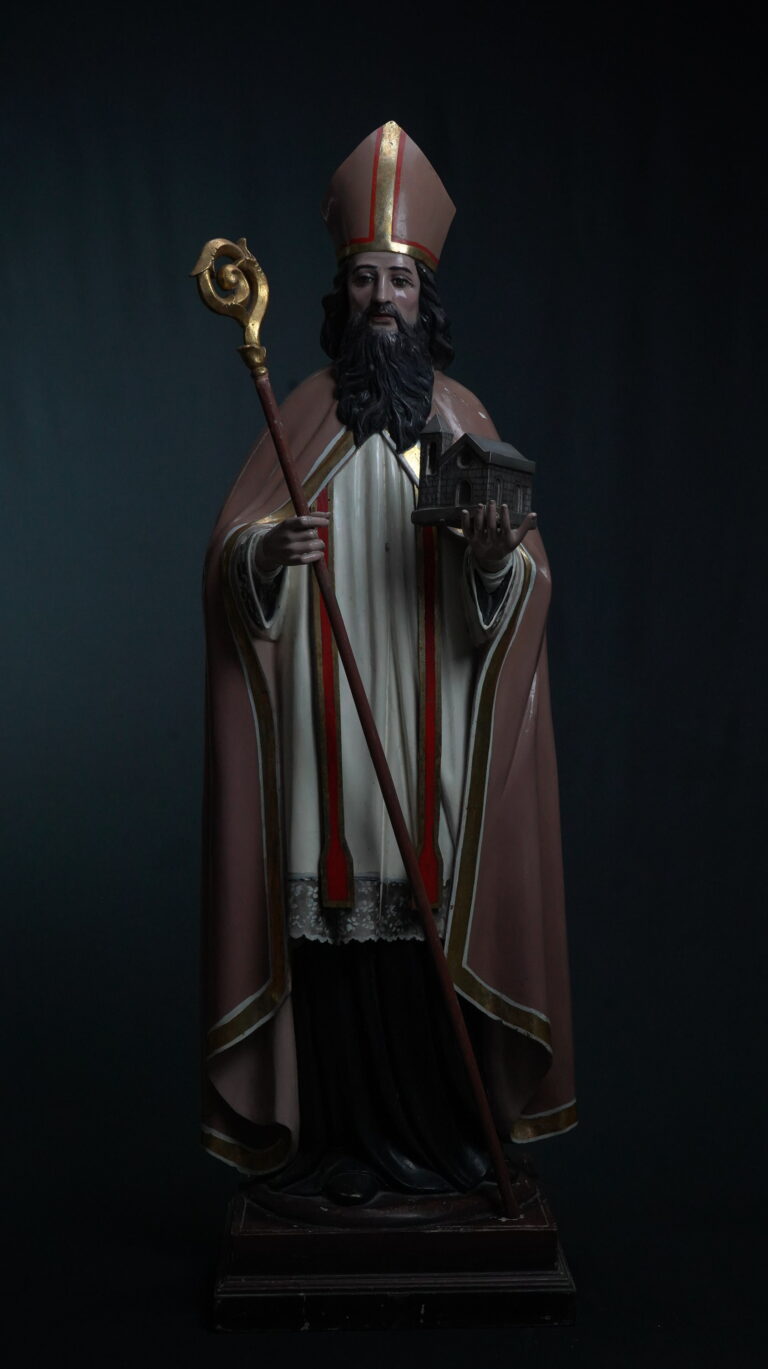
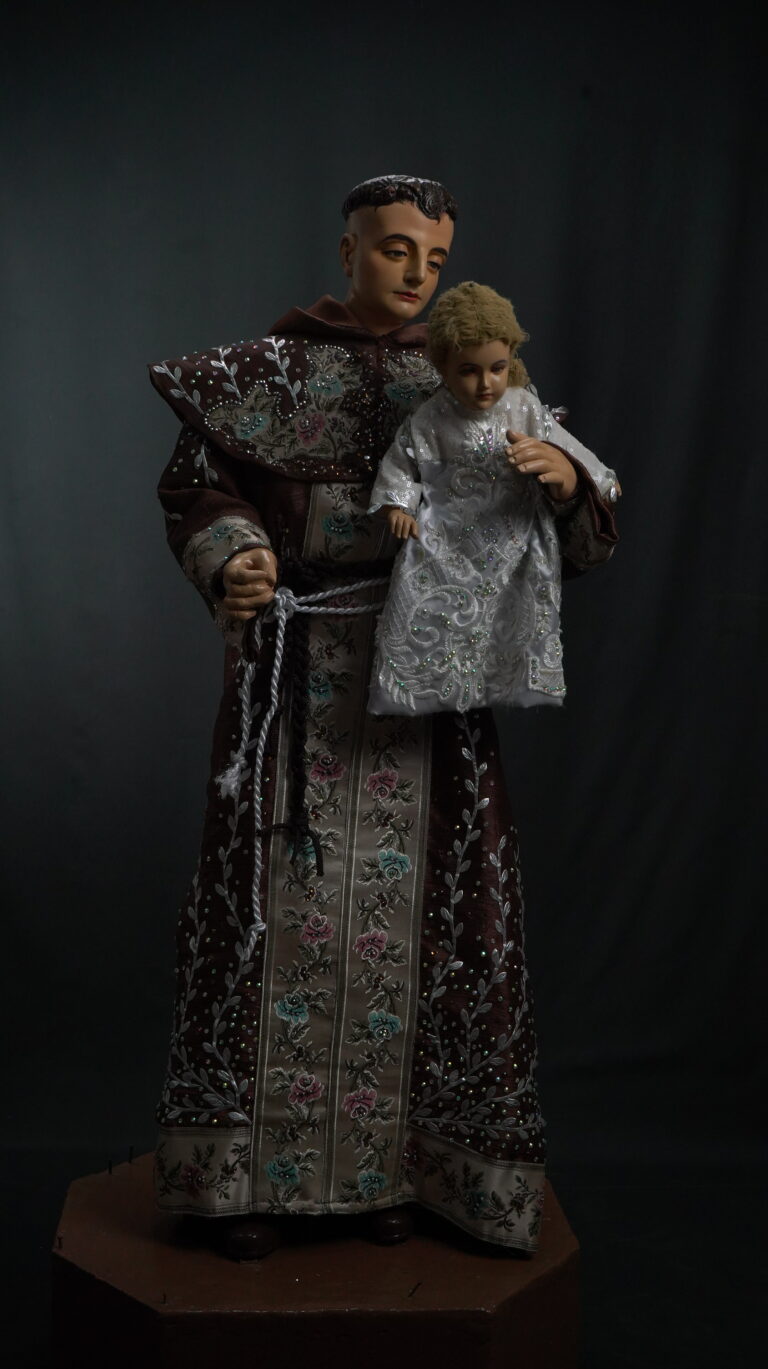
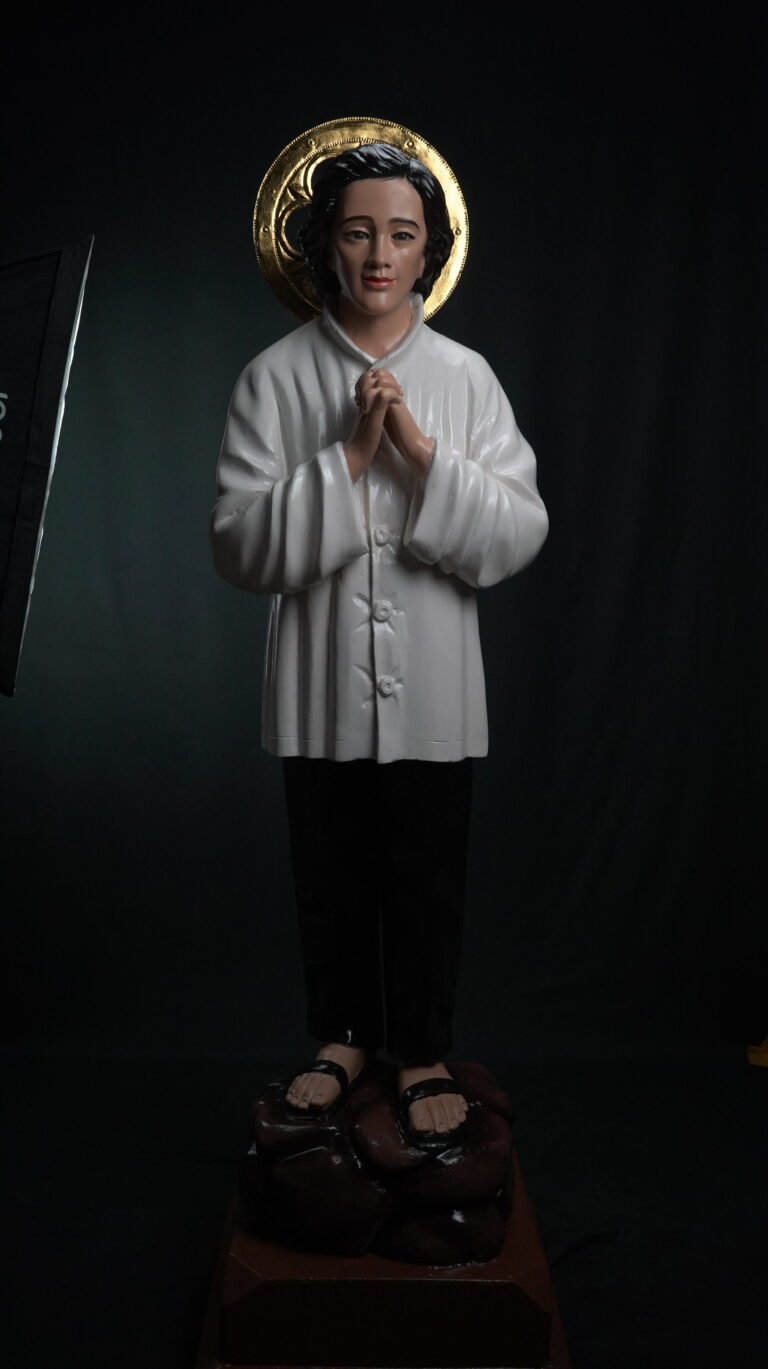
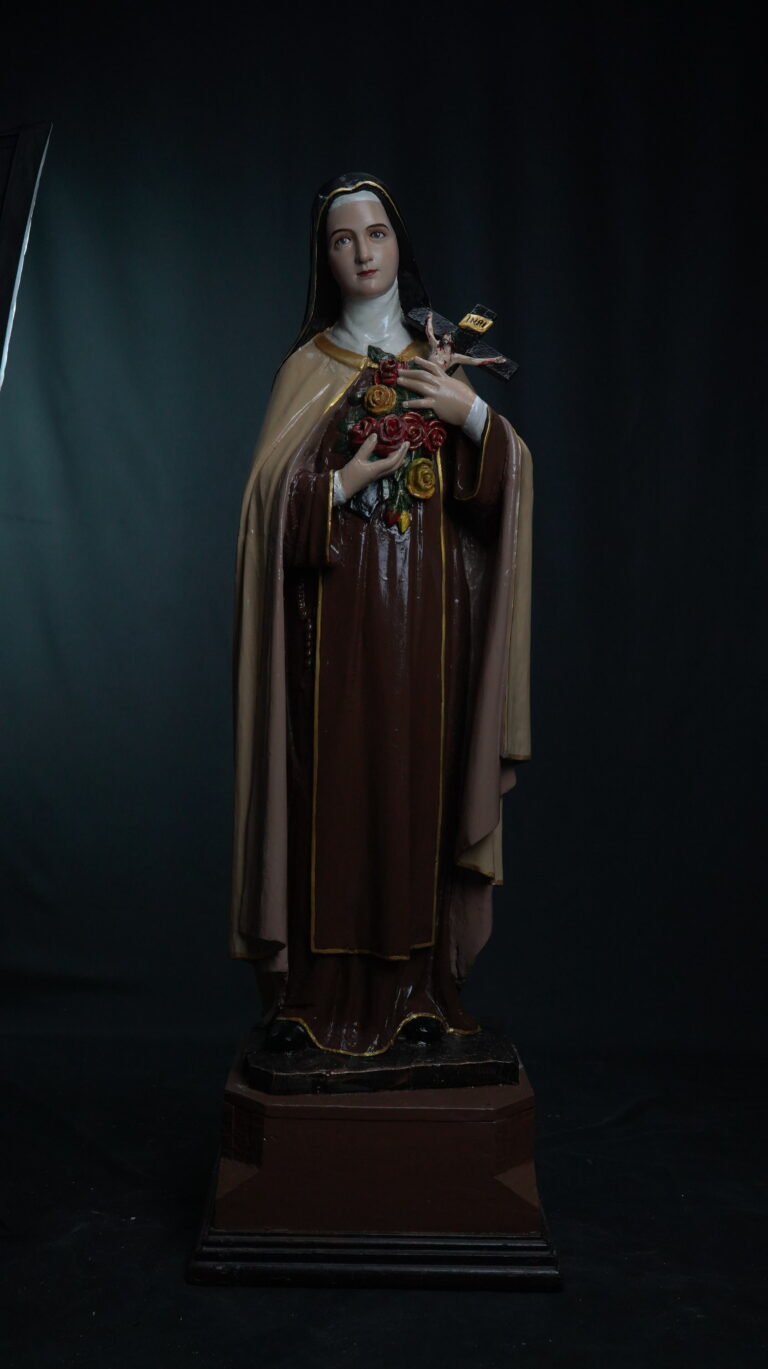
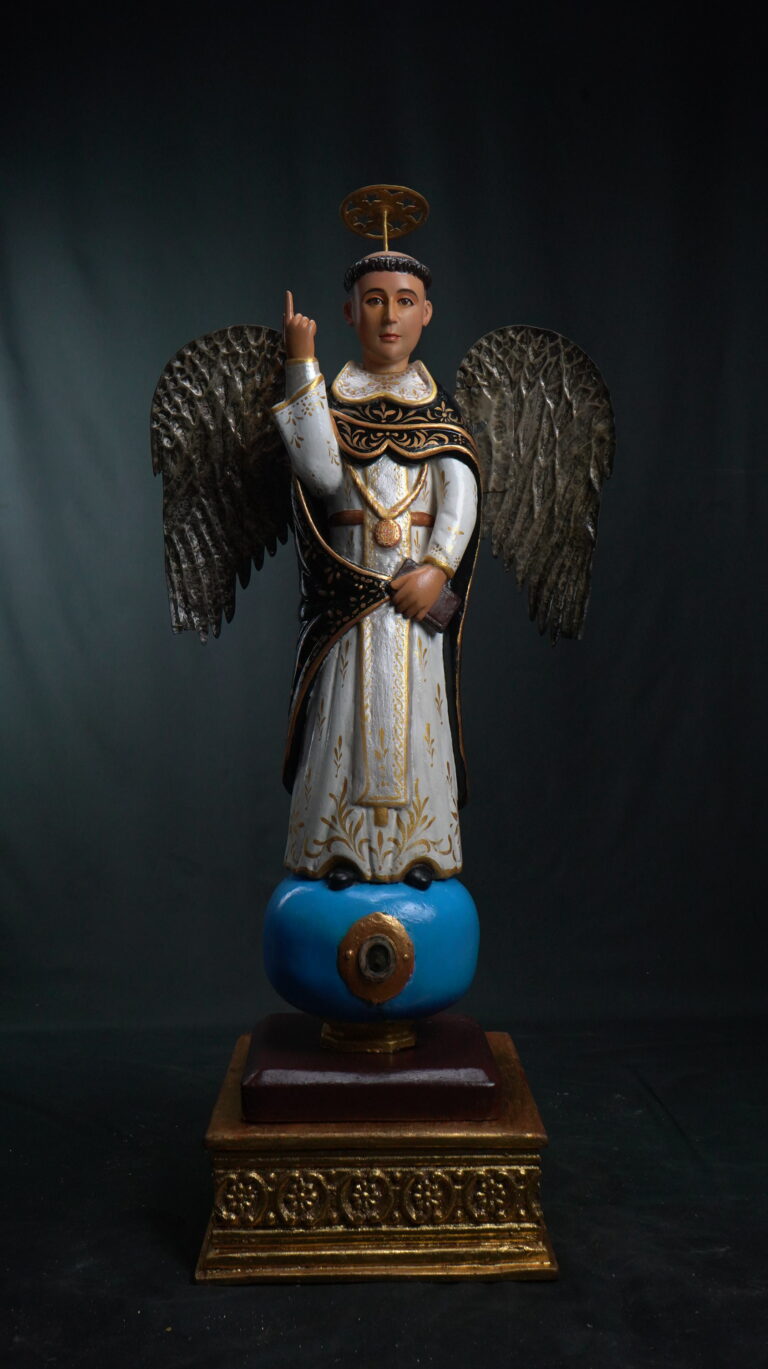
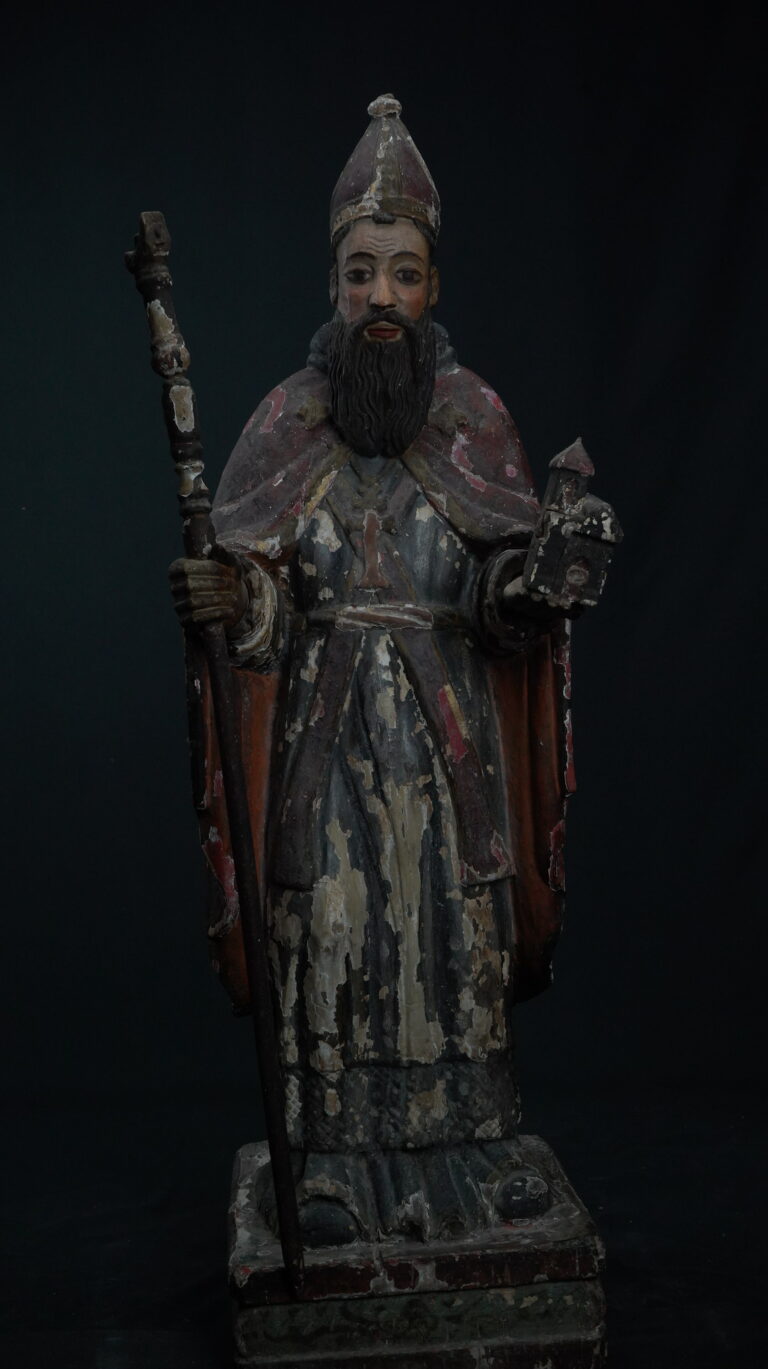
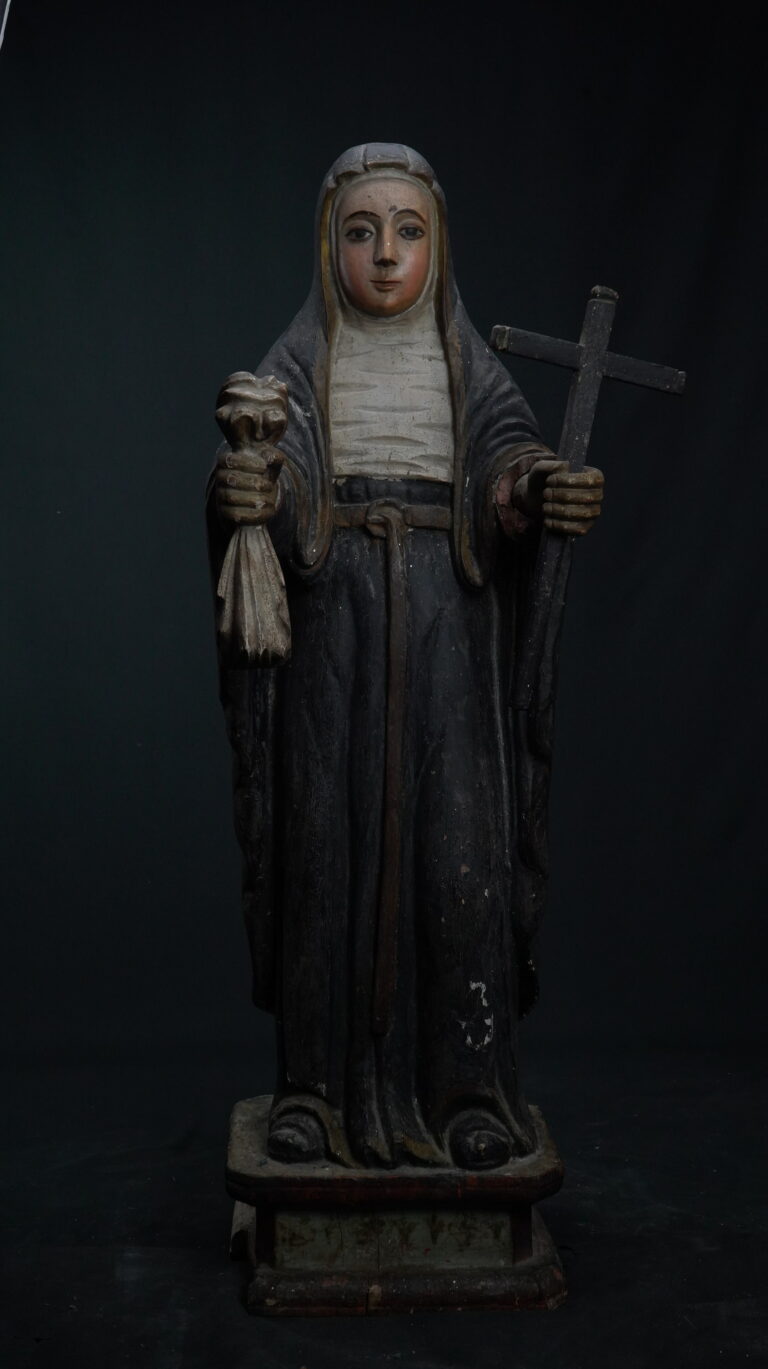
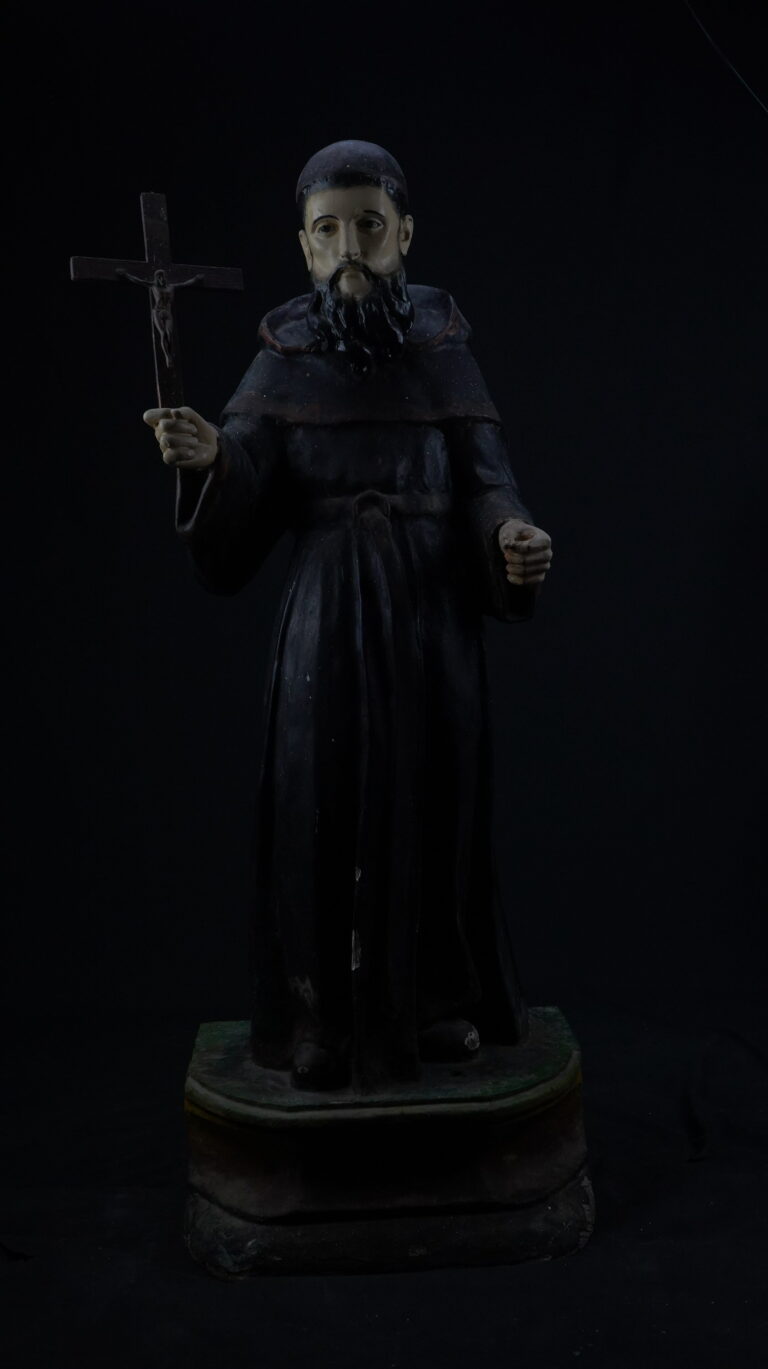
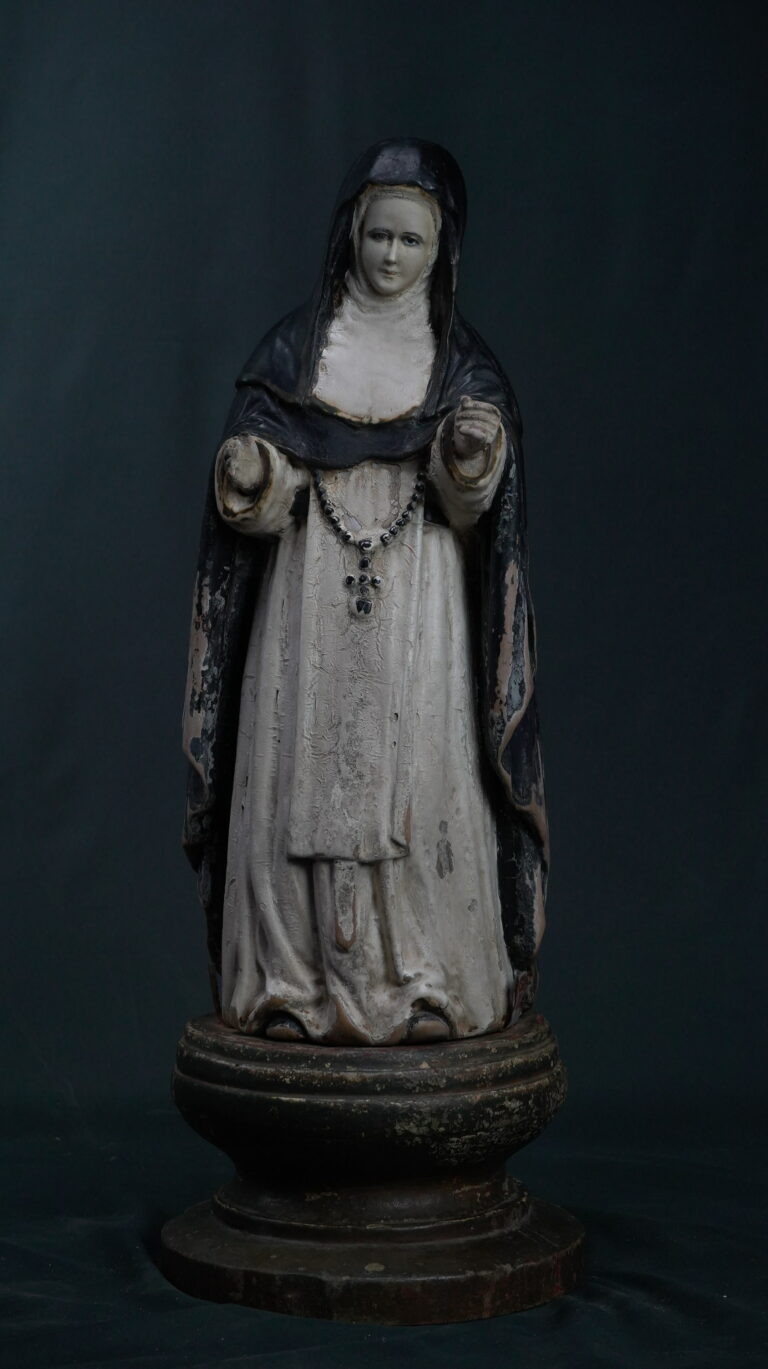
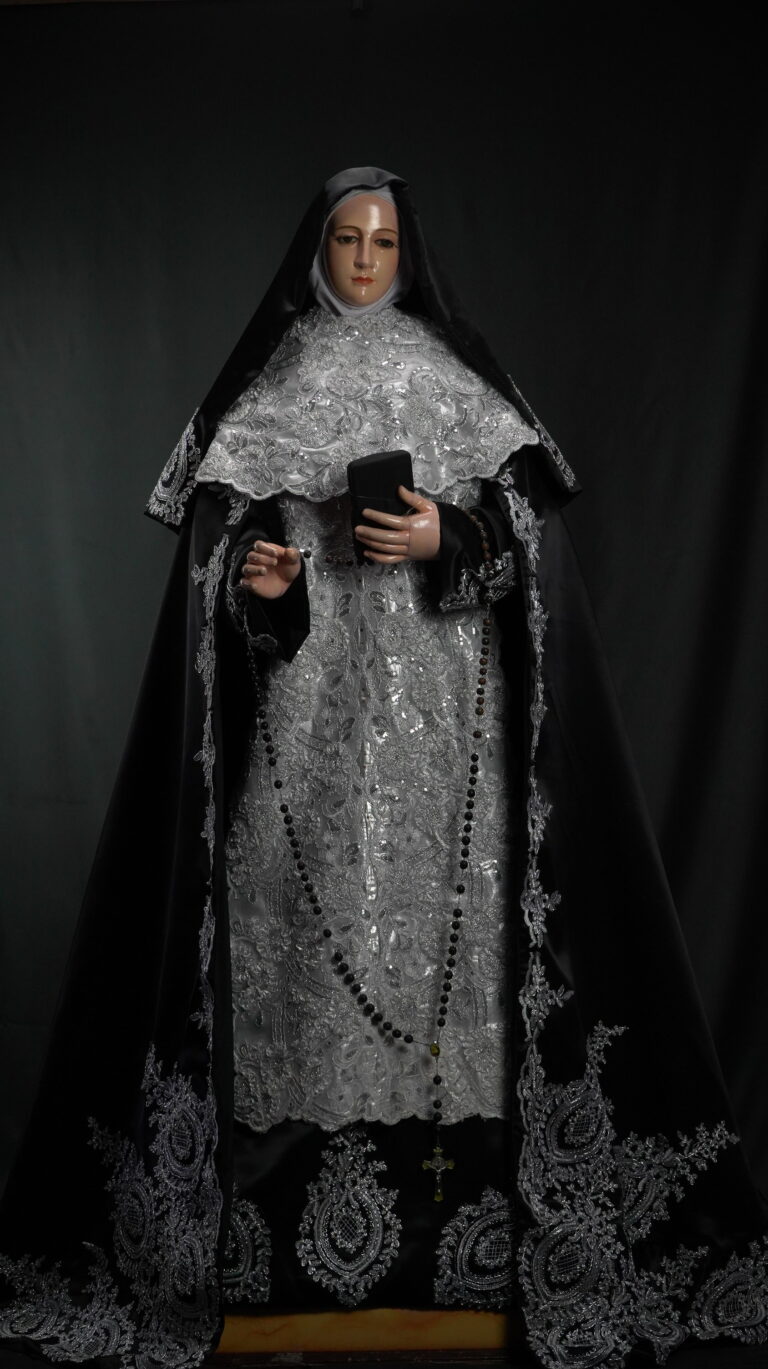
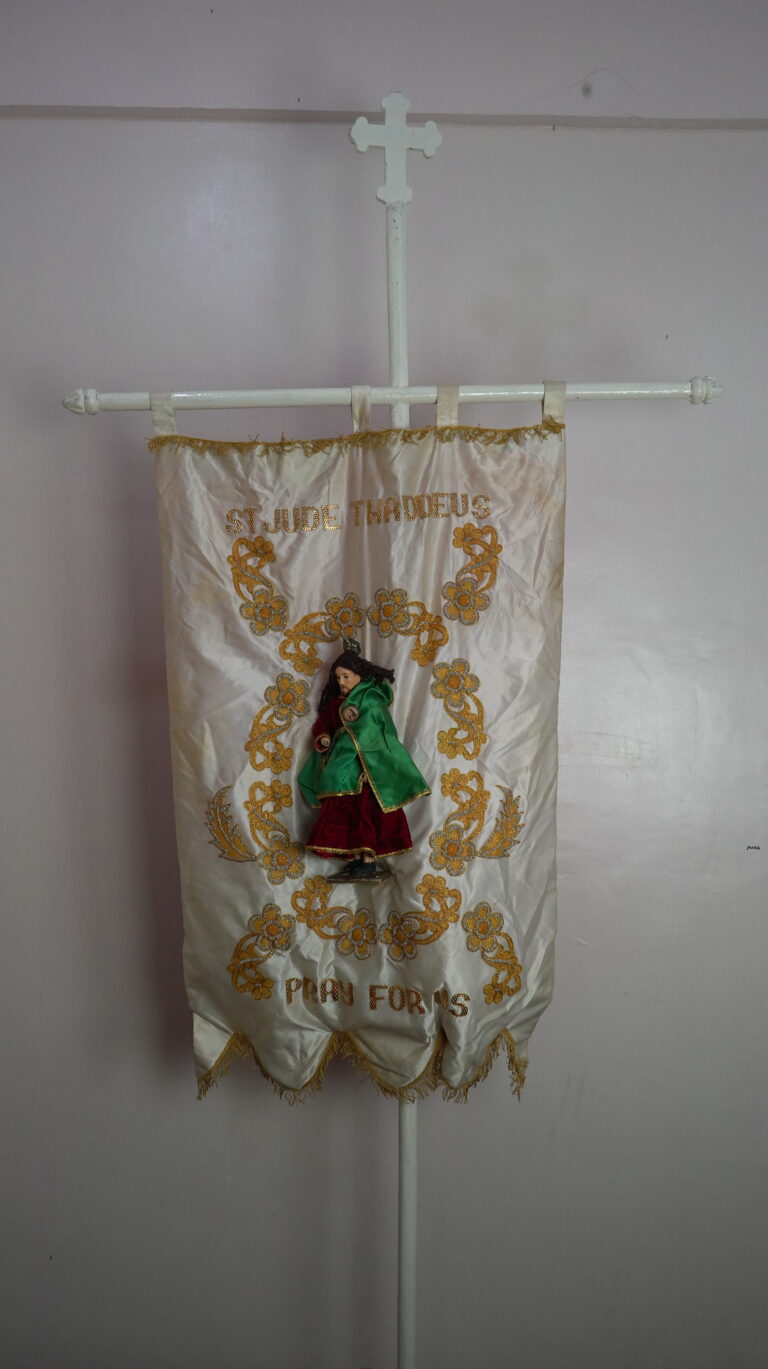
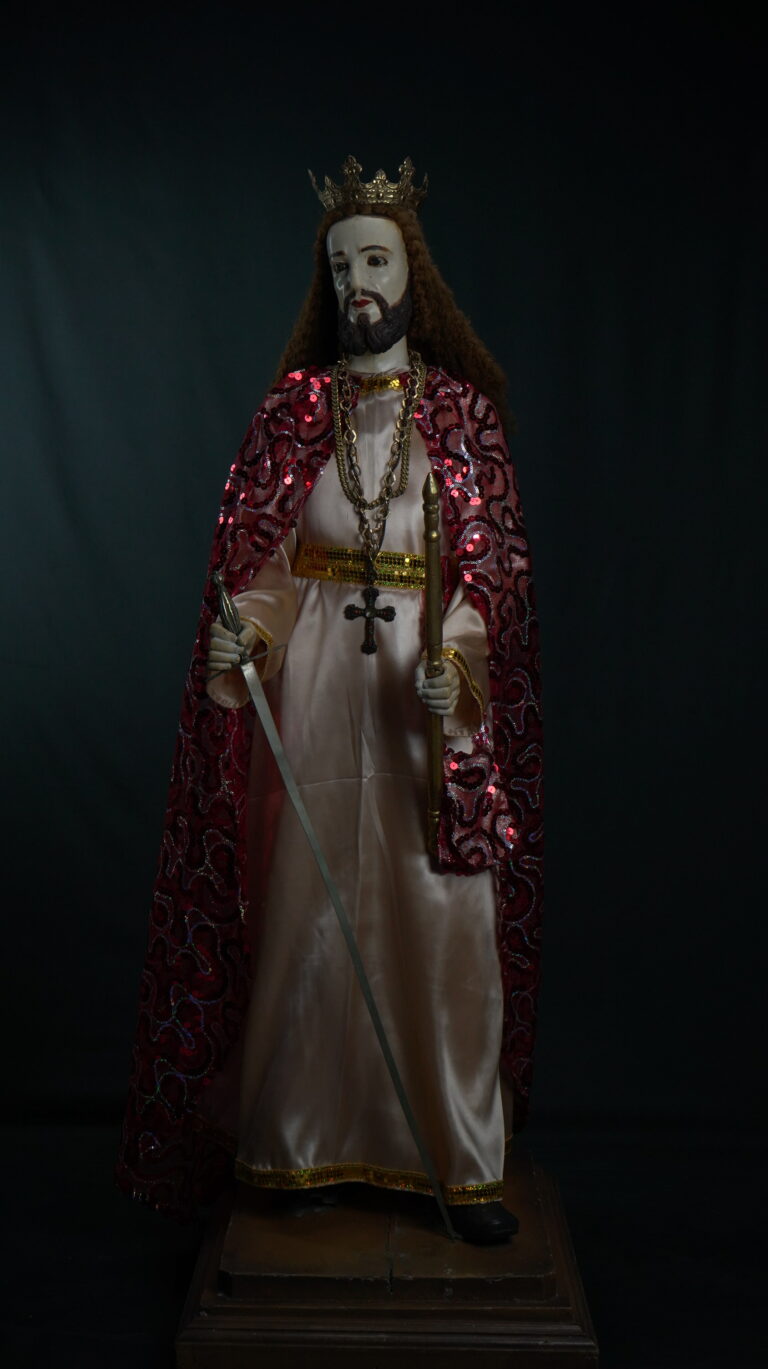
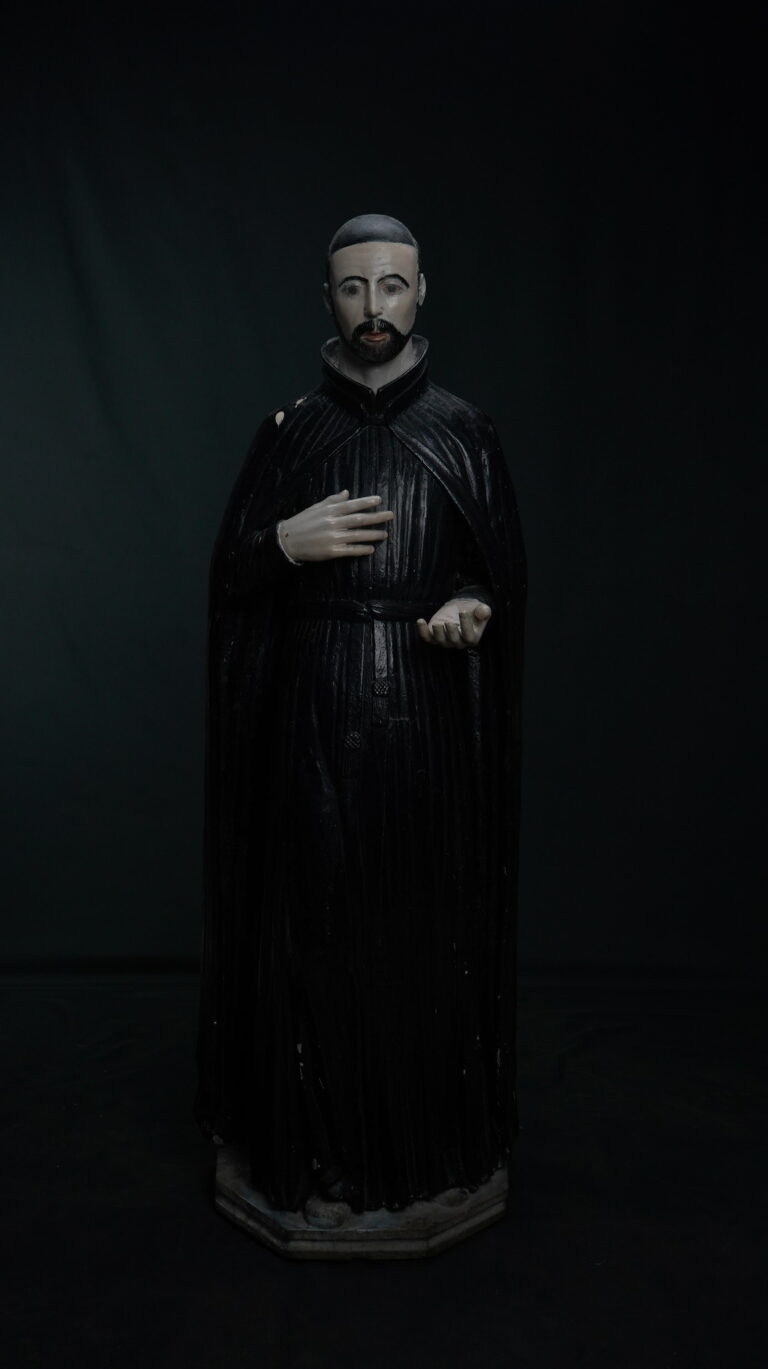
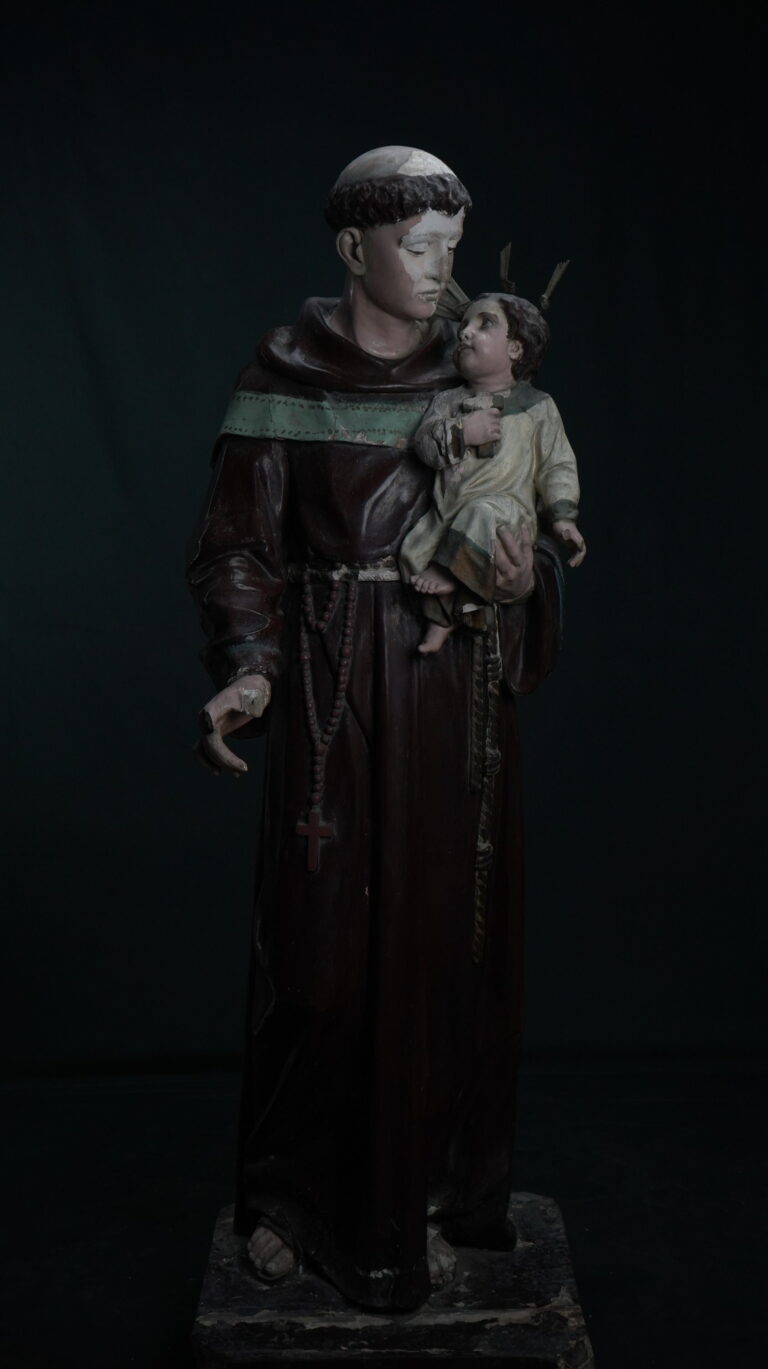
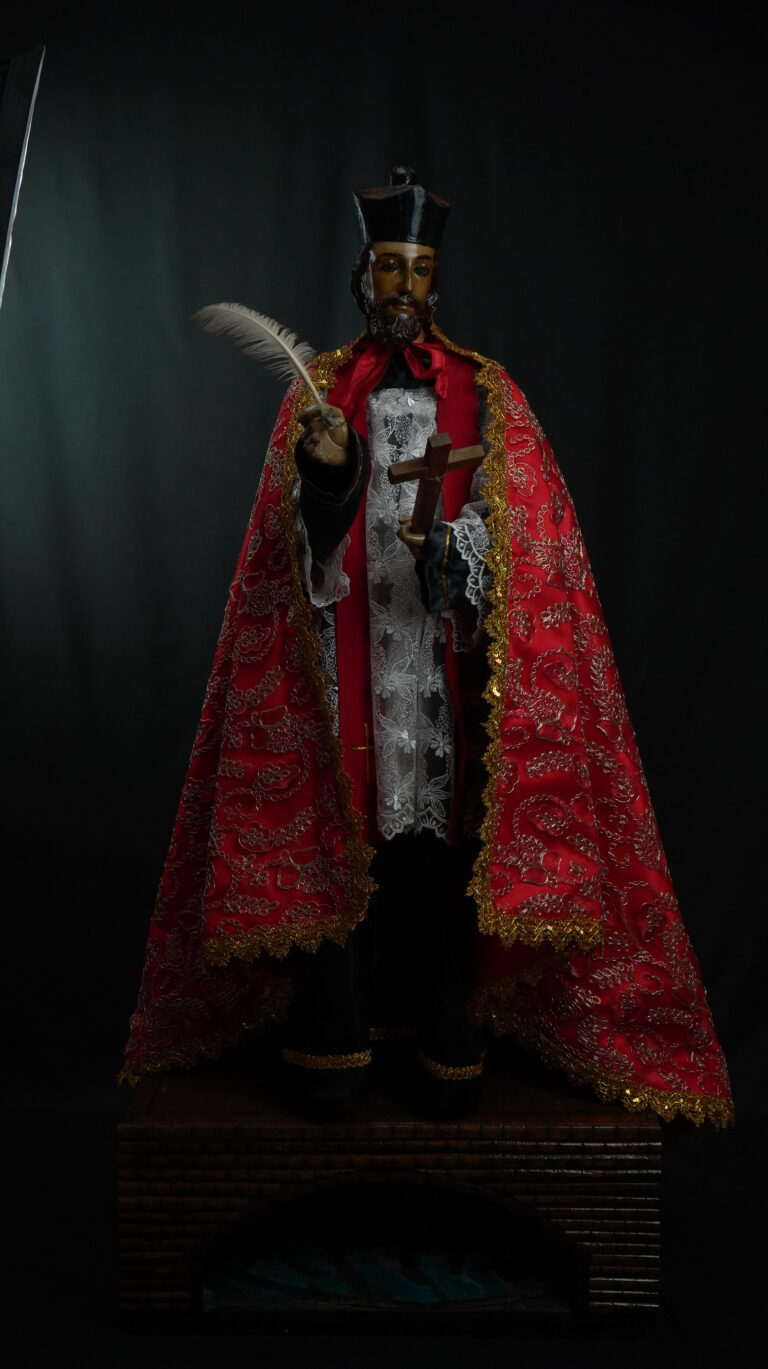
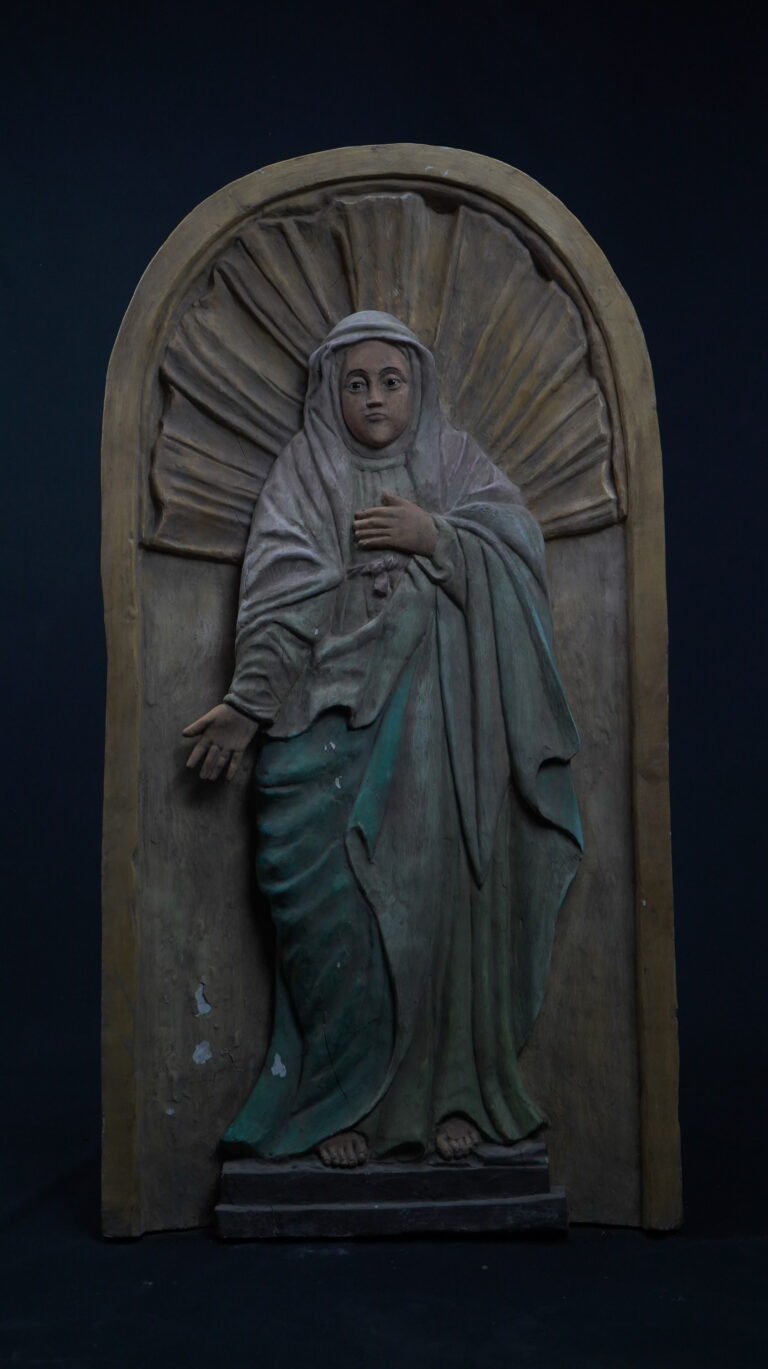
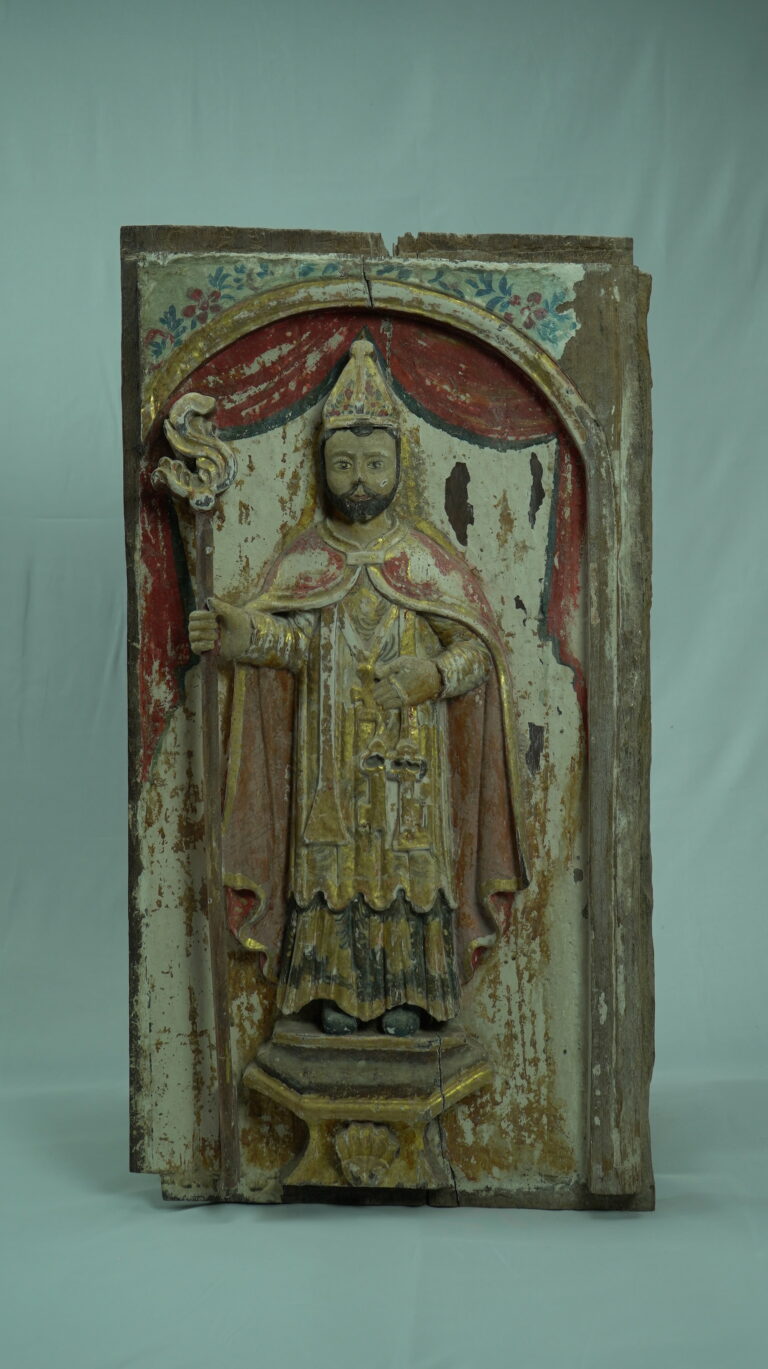
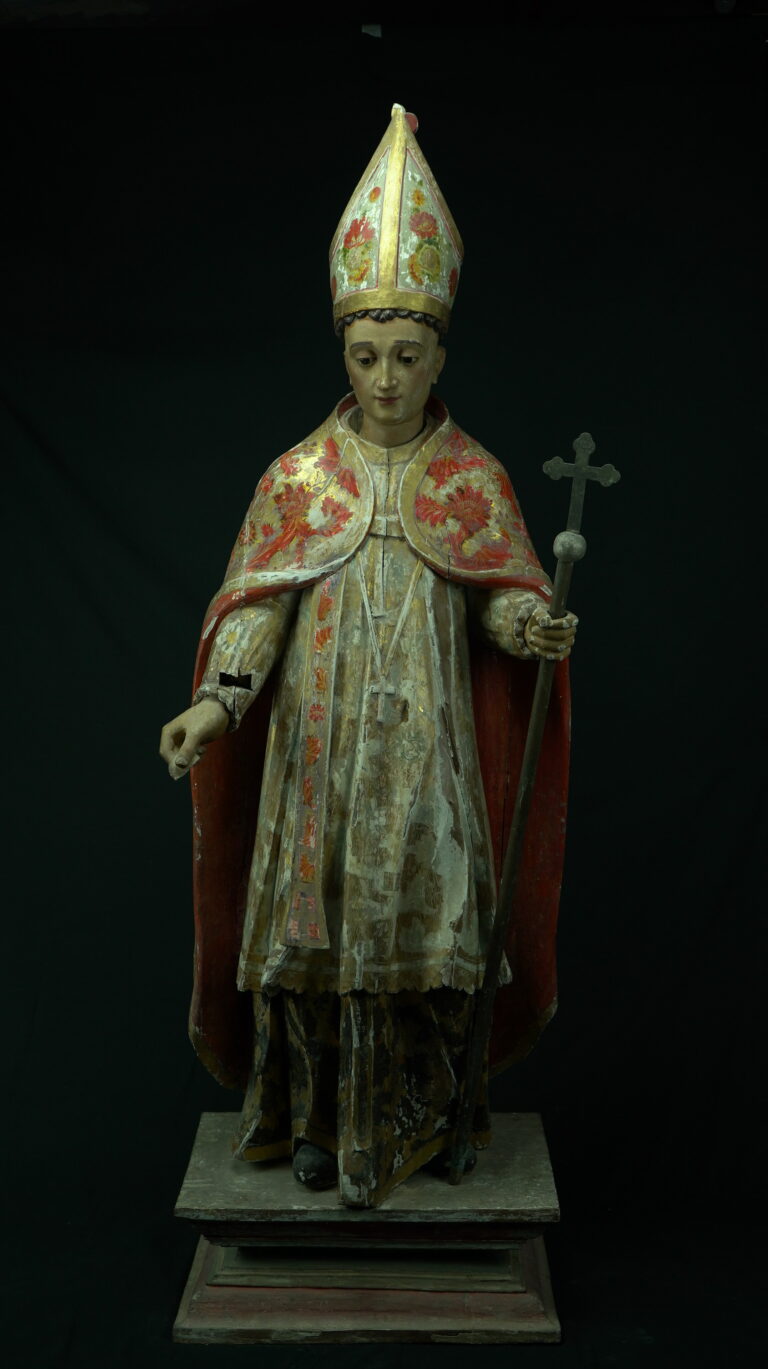
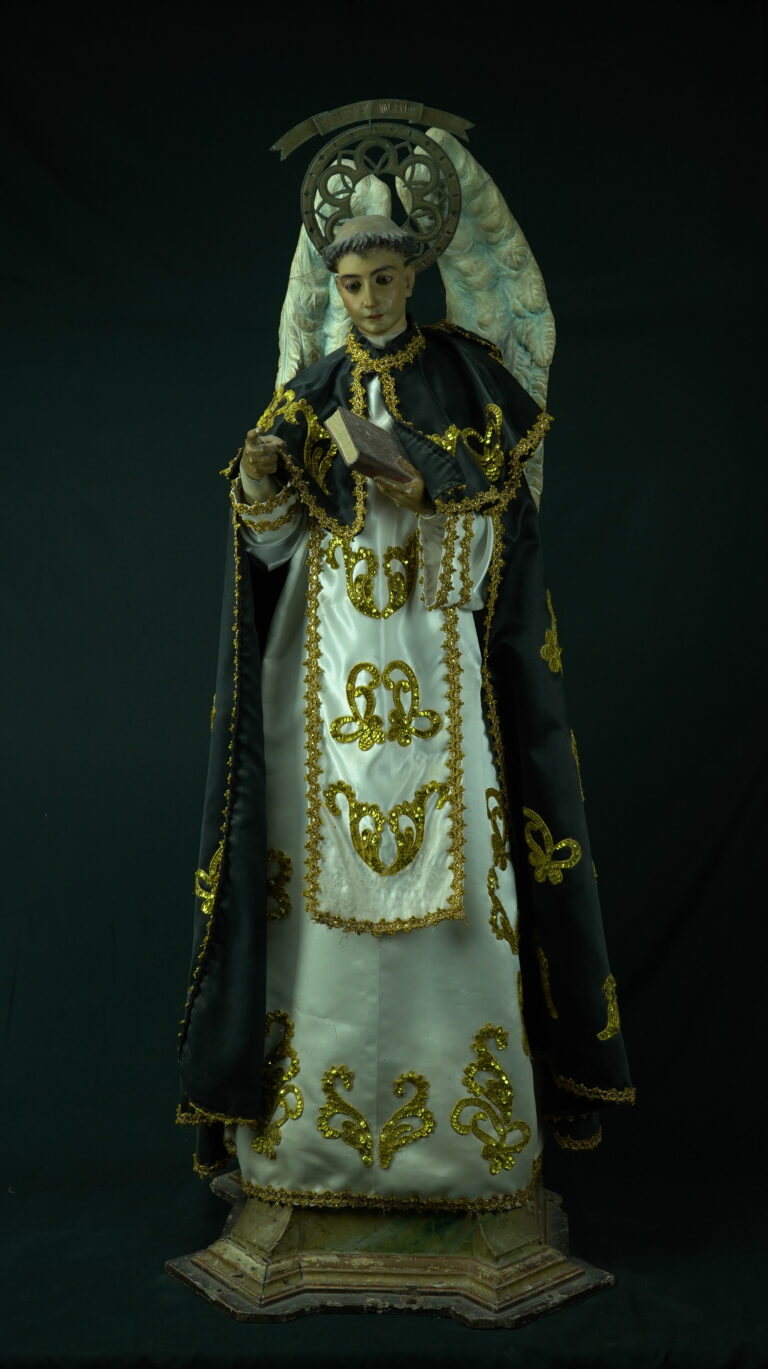
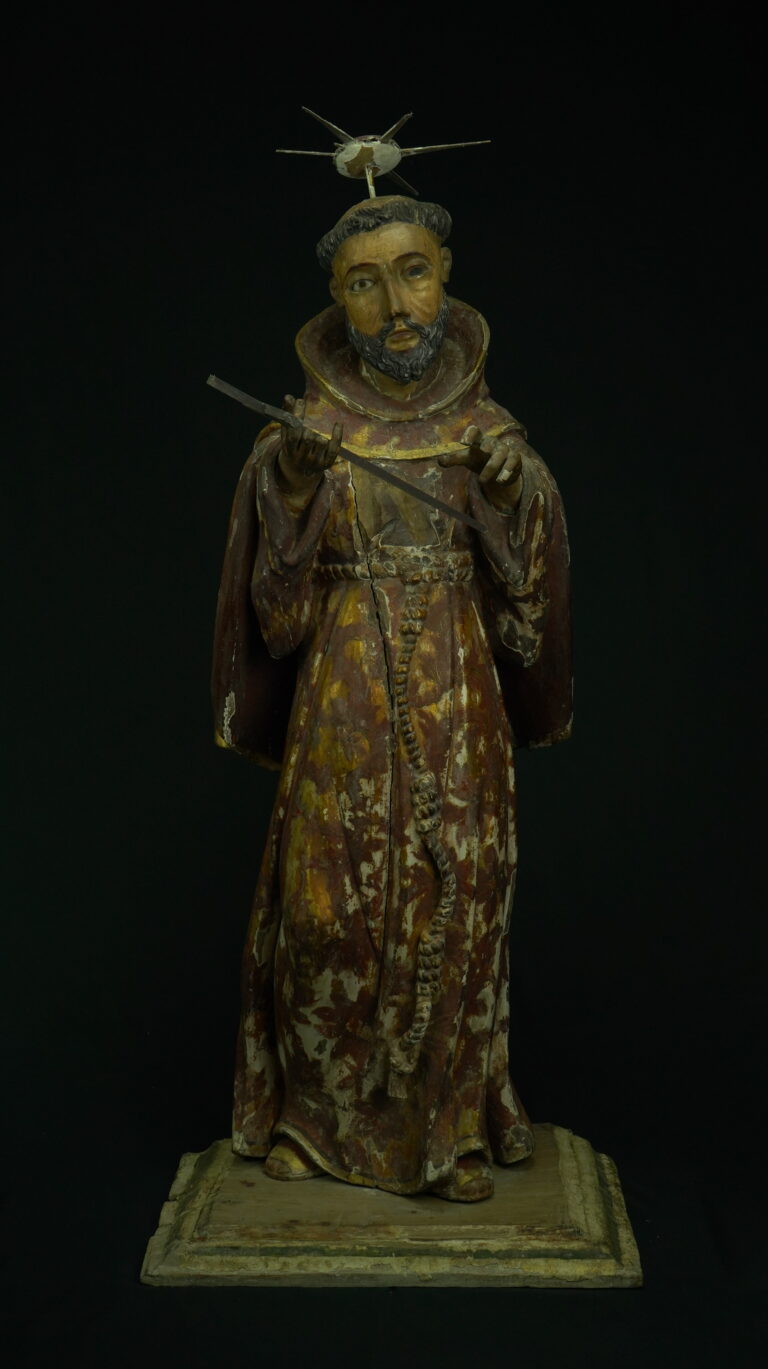
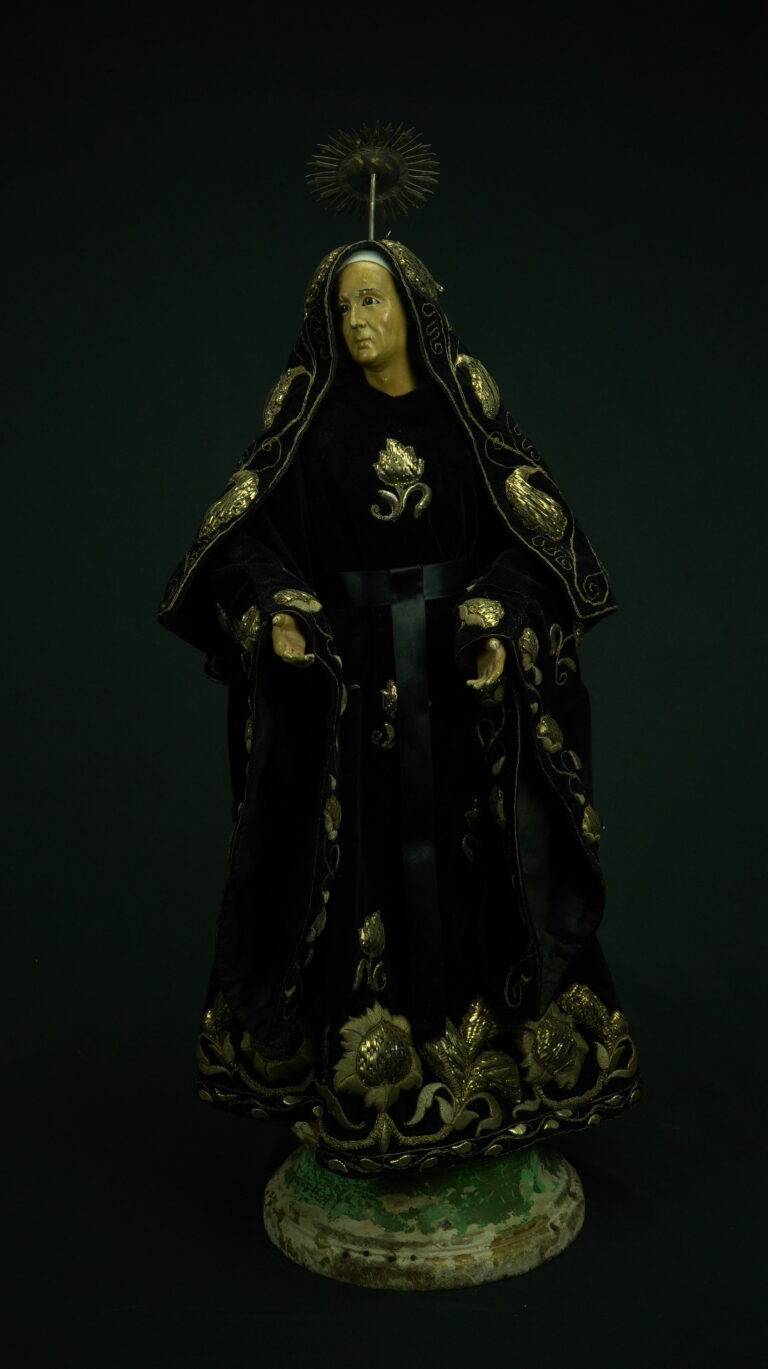
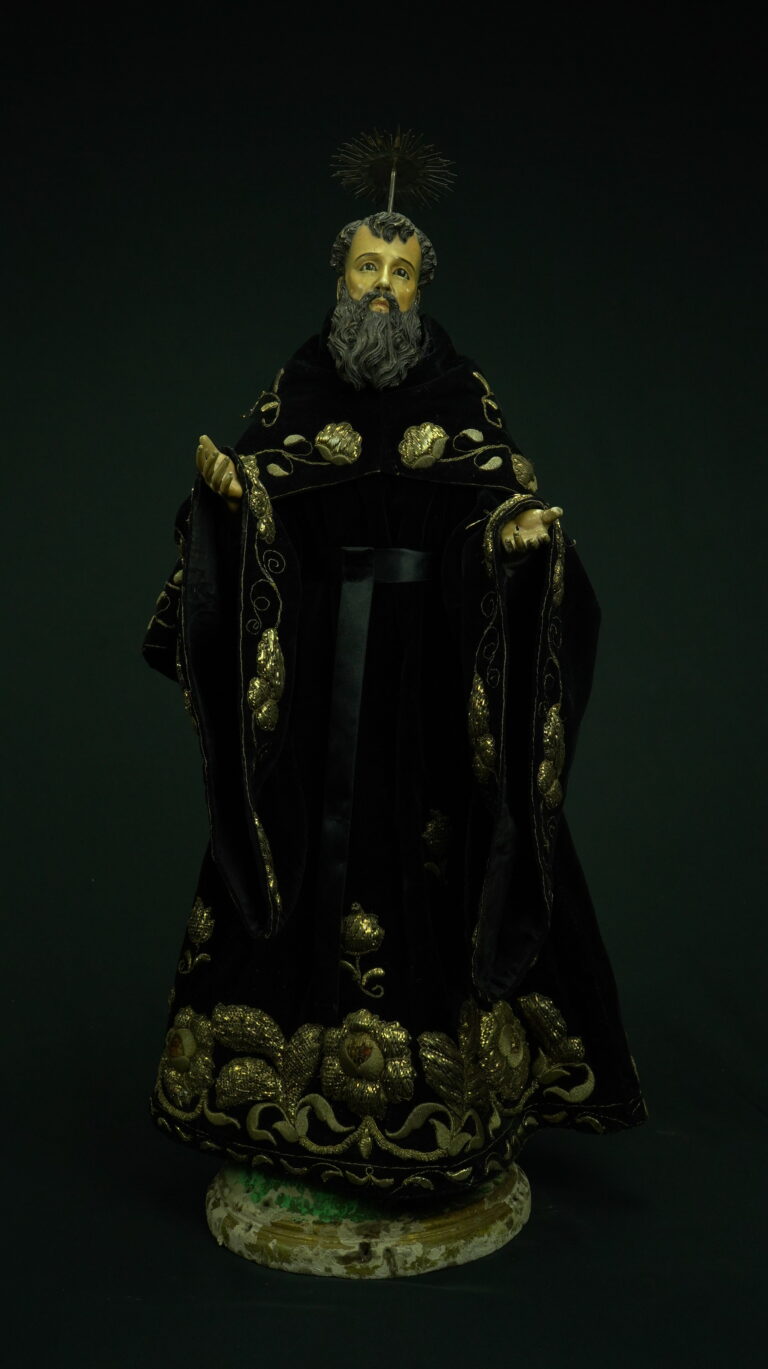
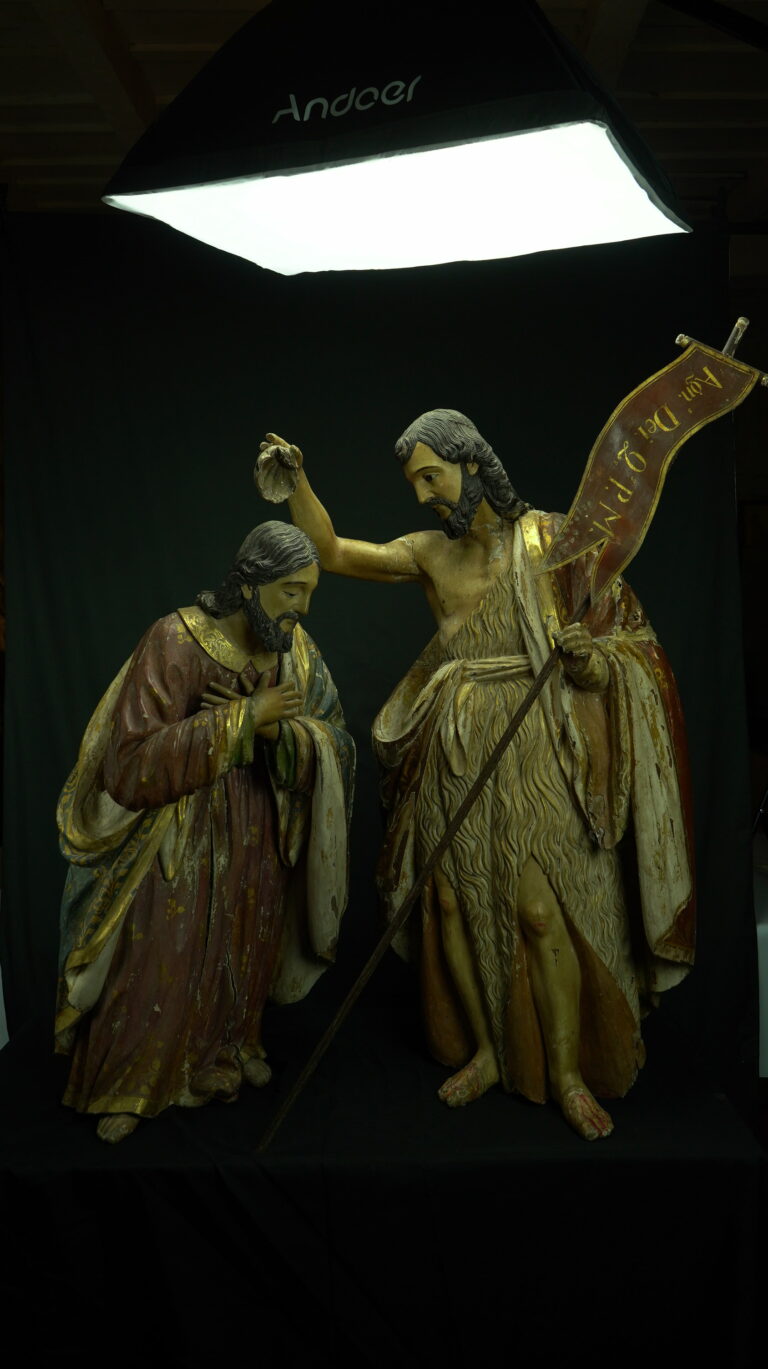
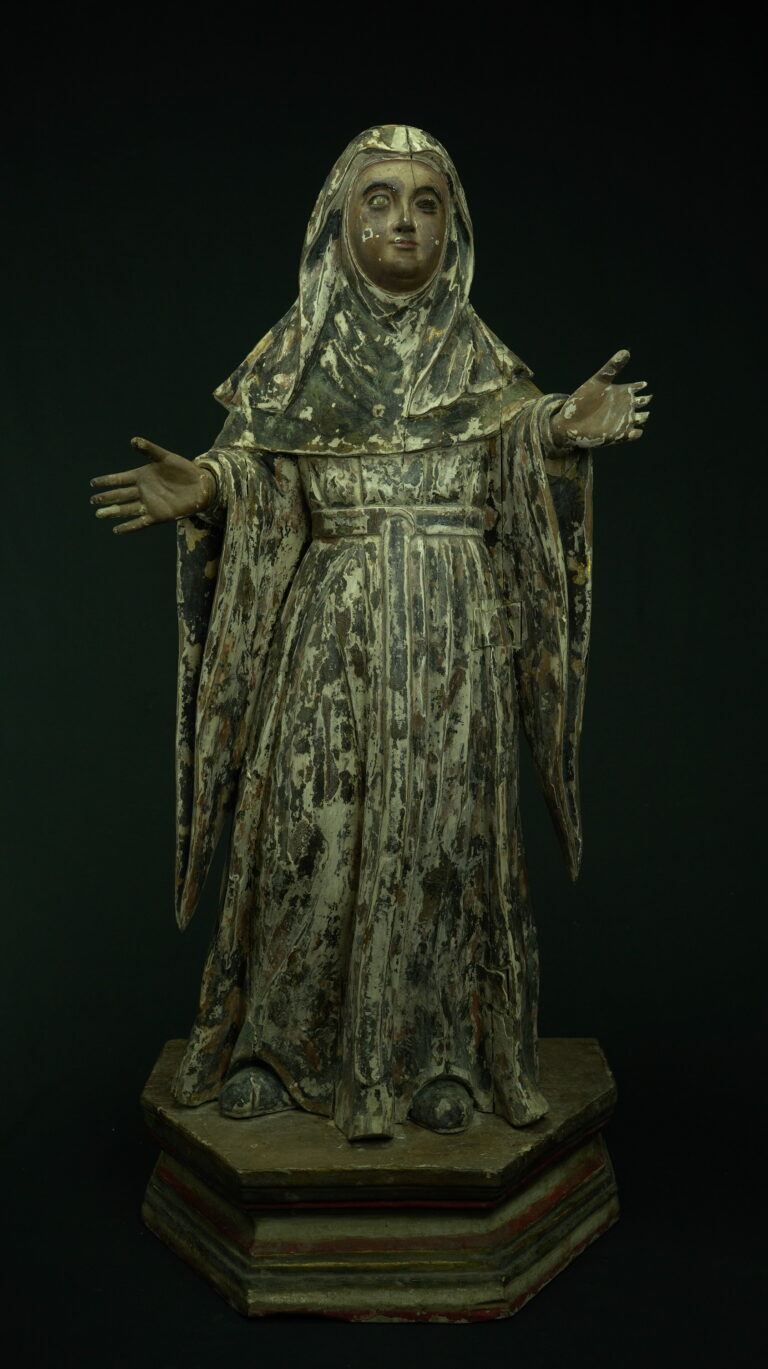
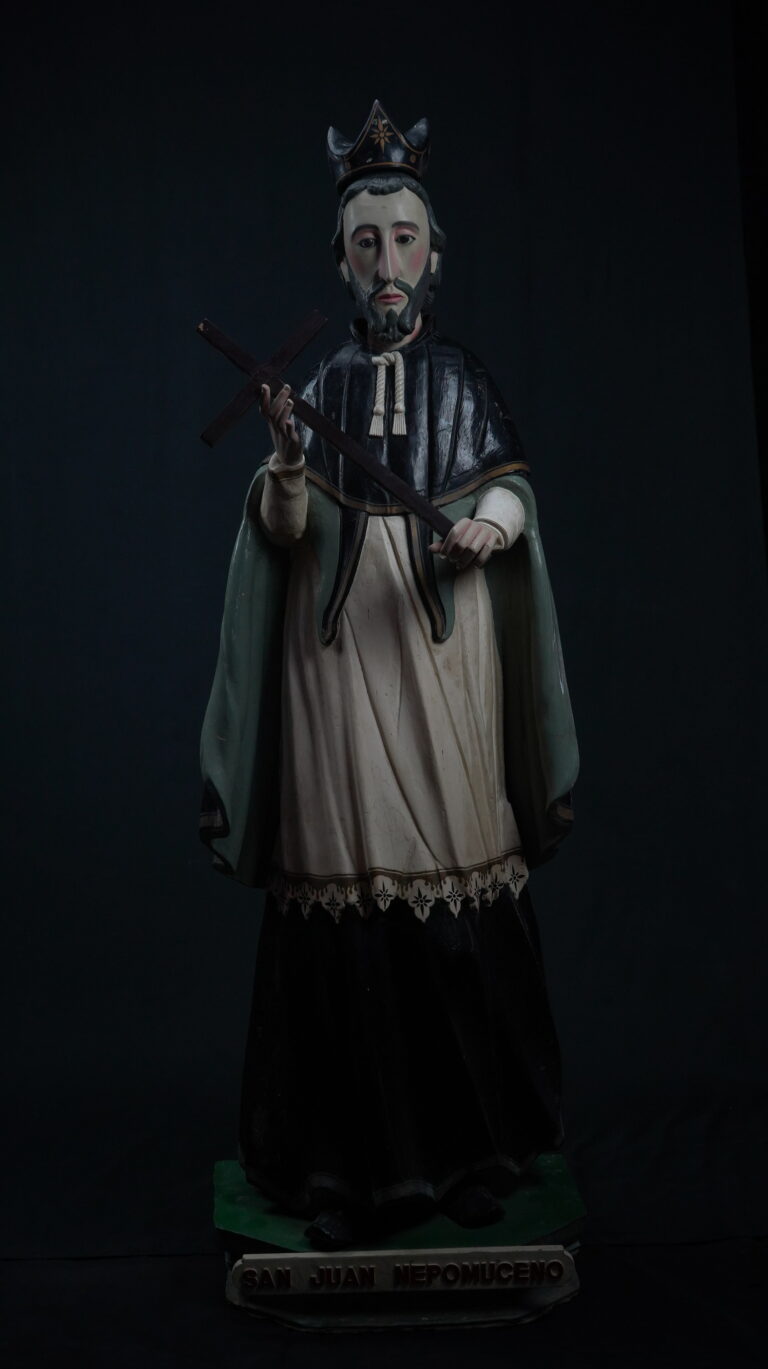
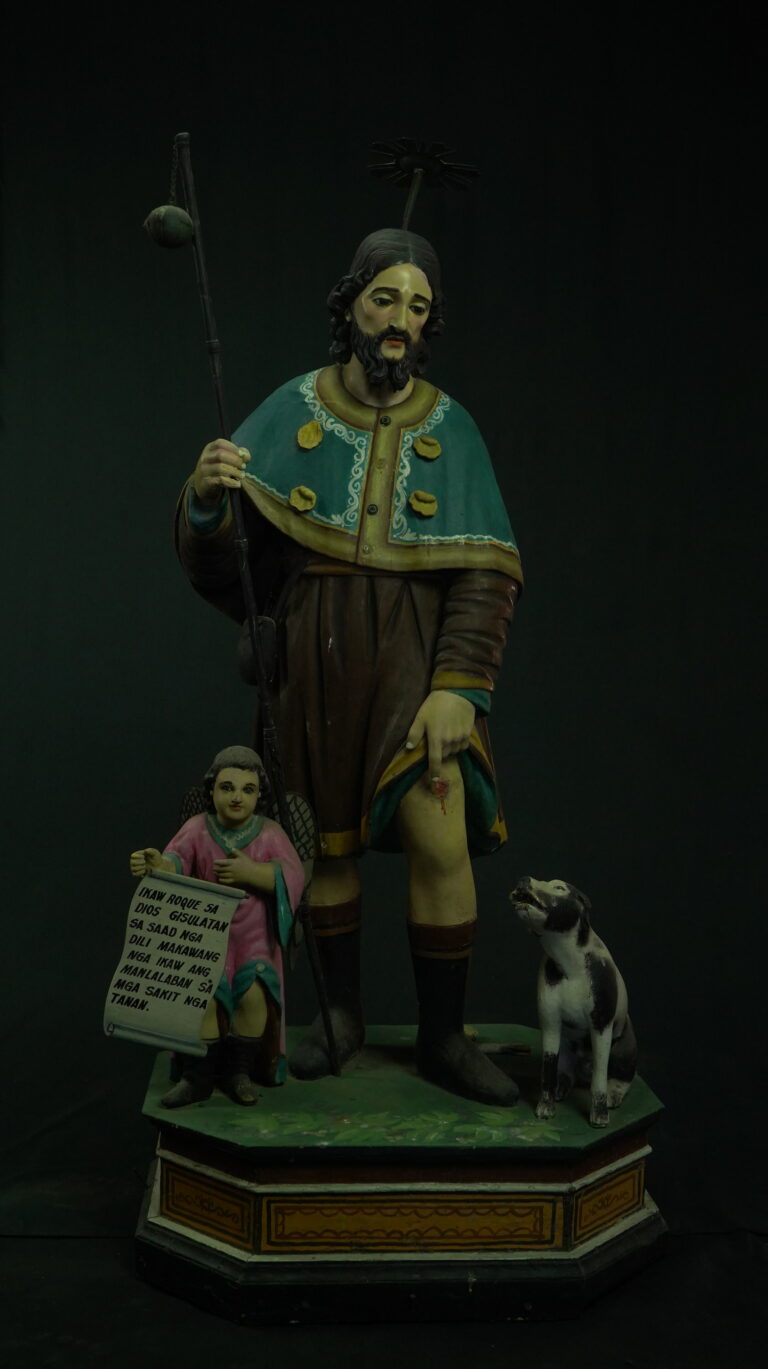
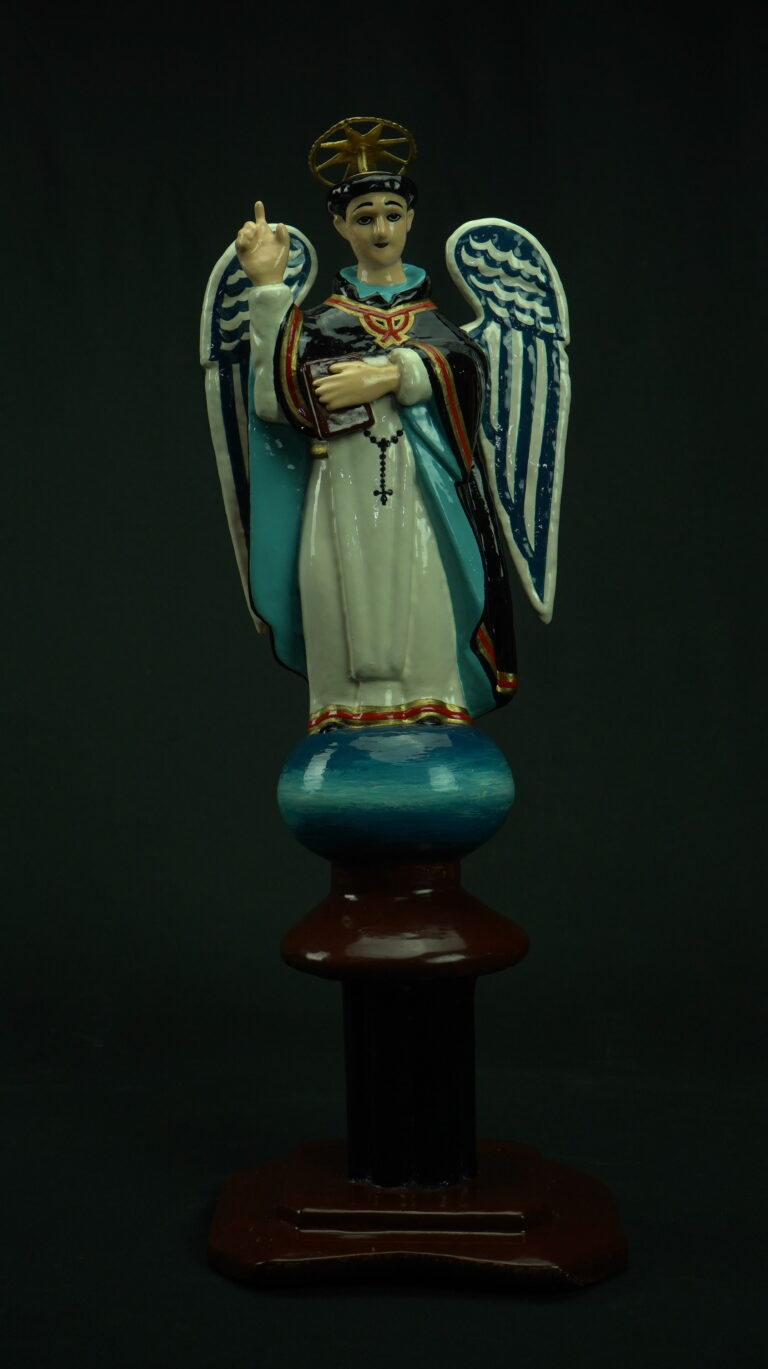
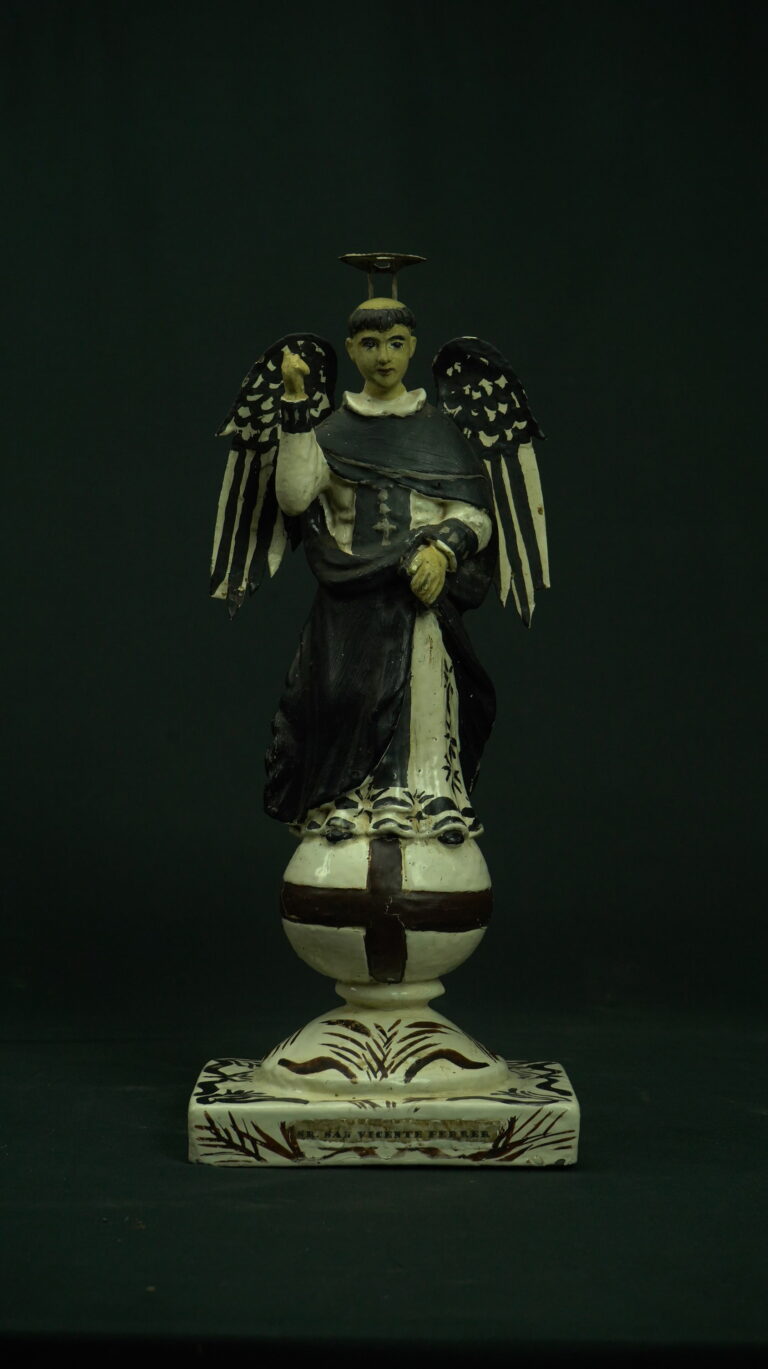
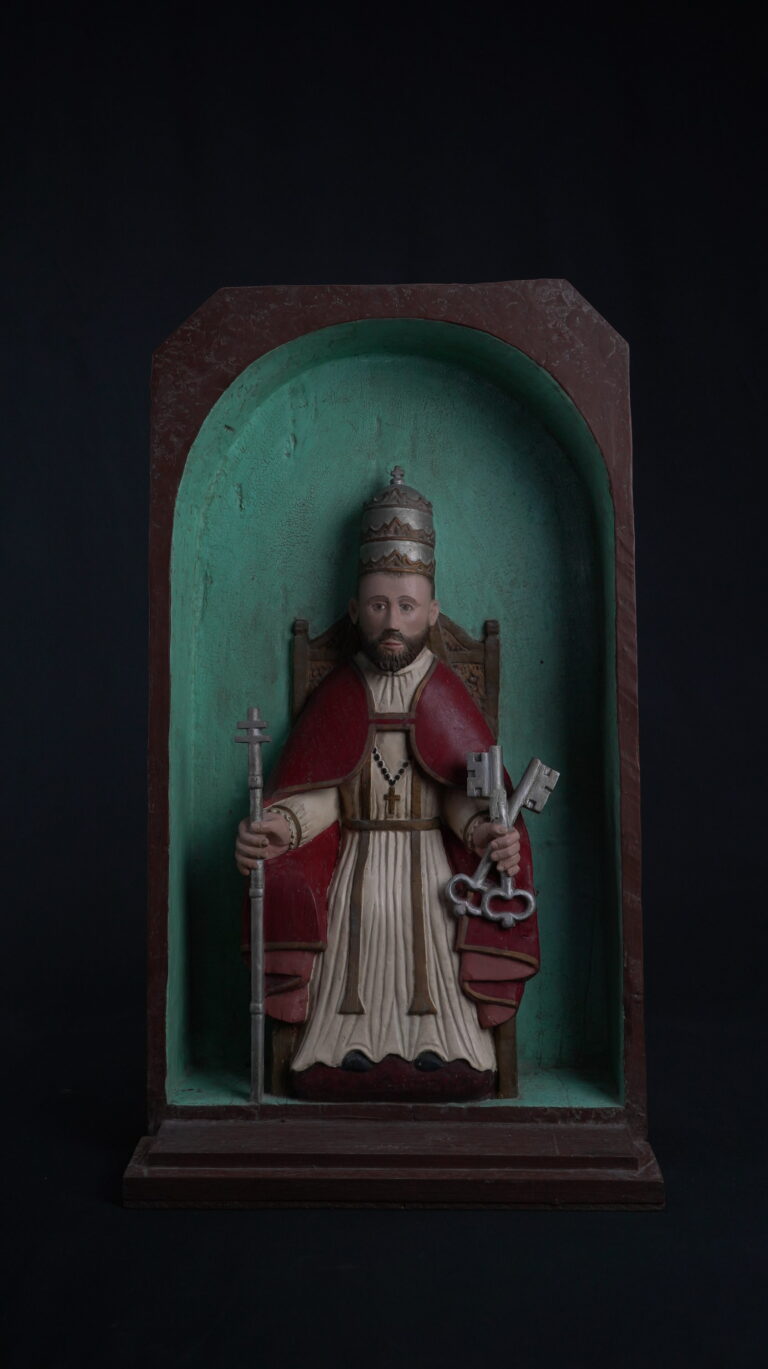
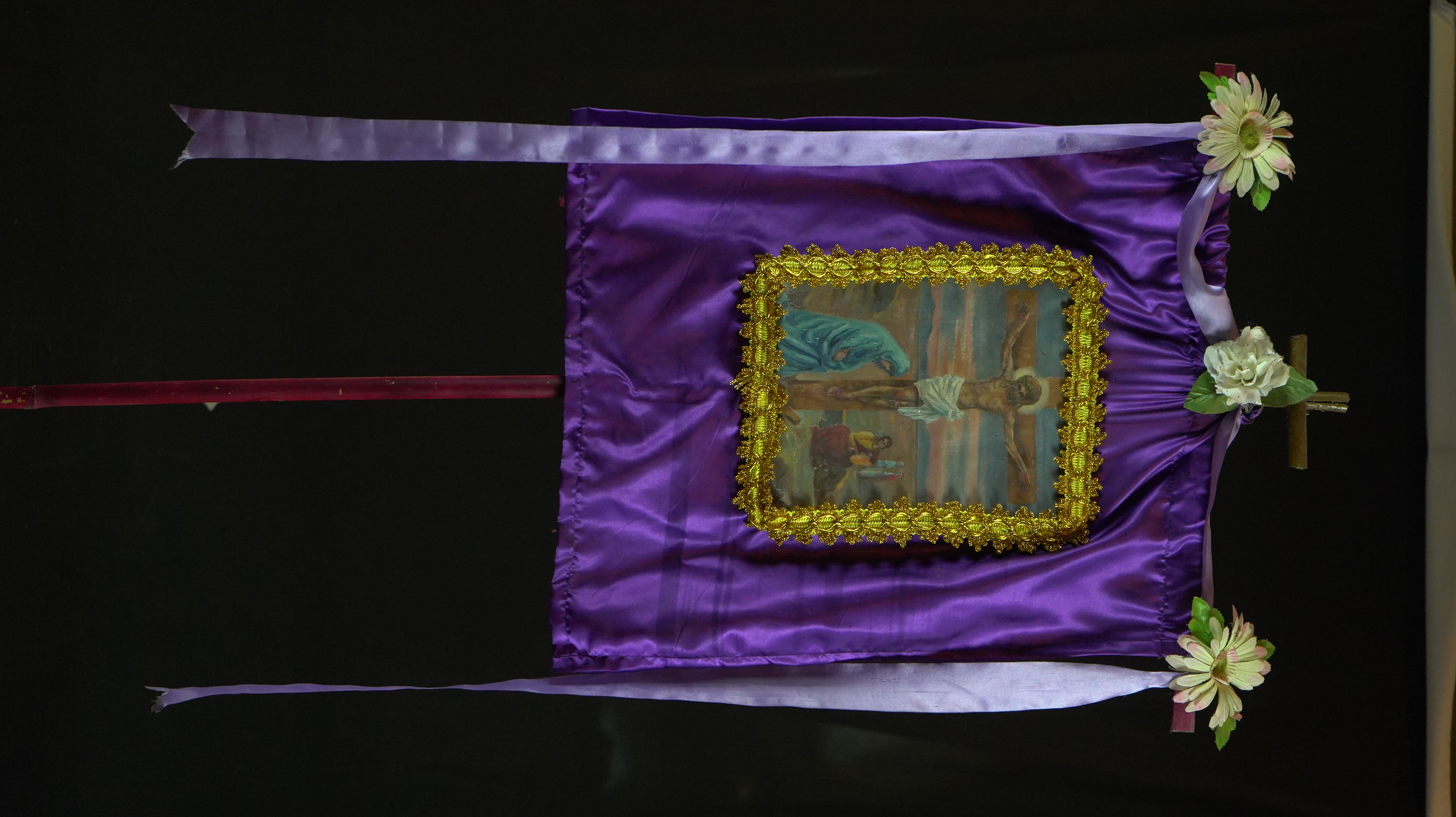
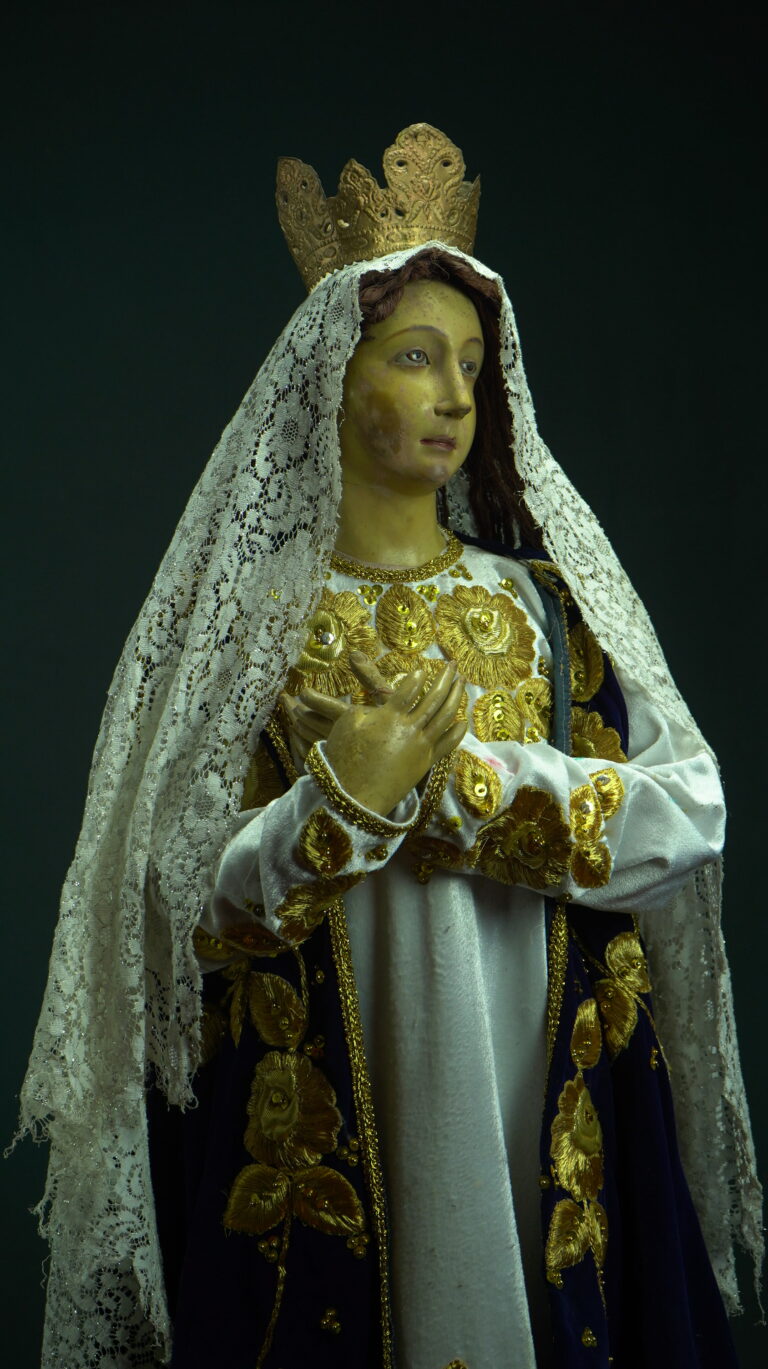
The Catholic Church teaches that the saints, especially those that the church recognizes, are the “witnesses who have preceded us into the kingdom”. As such, the virgins, martyrs, doctors, and patrons of our Church are also, aside from Jesus, Mary and Joseph, “our models of prayer”.
In an interview, Baldwin Navarro, devotee from Boljoon, pinpoints to a revered role with which we regard the saints, something that we have always been taught about them: “ang atong mga santos nga (gi)deboto matod pa sa among katigulangan maoy mangabogado alang kanato inig-abot sa gingharian sa langit.” (The saints who we show devotion to, according to our ancestors, will advocate for us when the kingdom of heaven comes.)
It is this teaching about the saints as our advocates and intercessors that we get to know them. Throughout the archdiocese the research team for this project documented testimonies of miracles attributed to the patron saints and faith experiences fostered through their intercession.
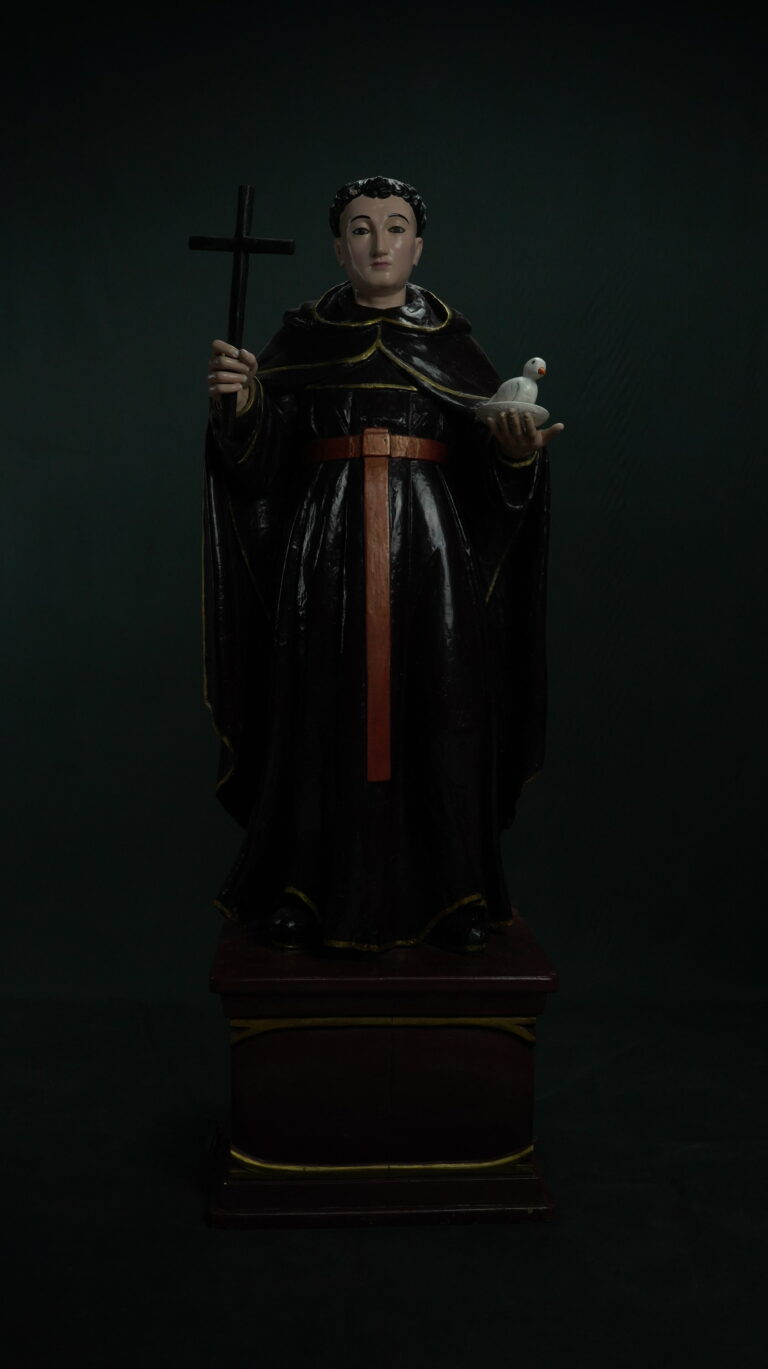
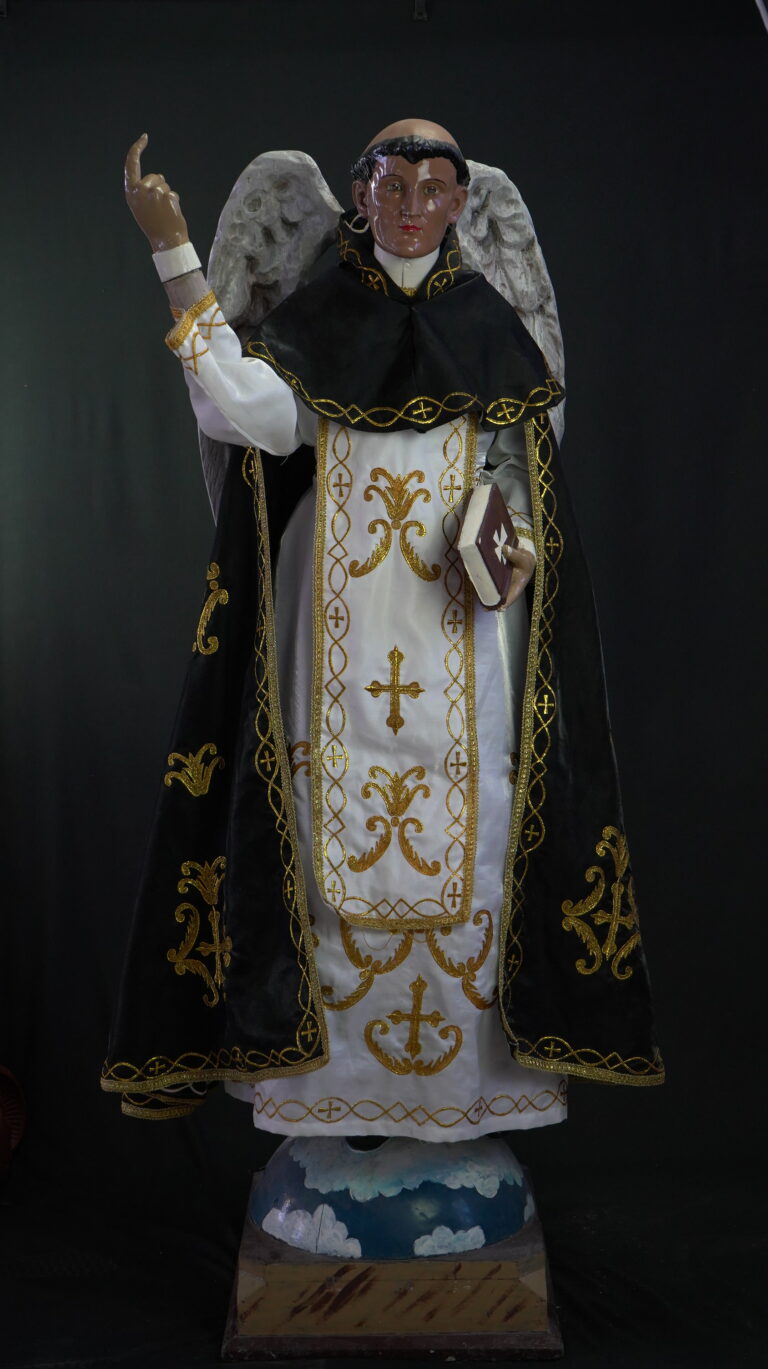
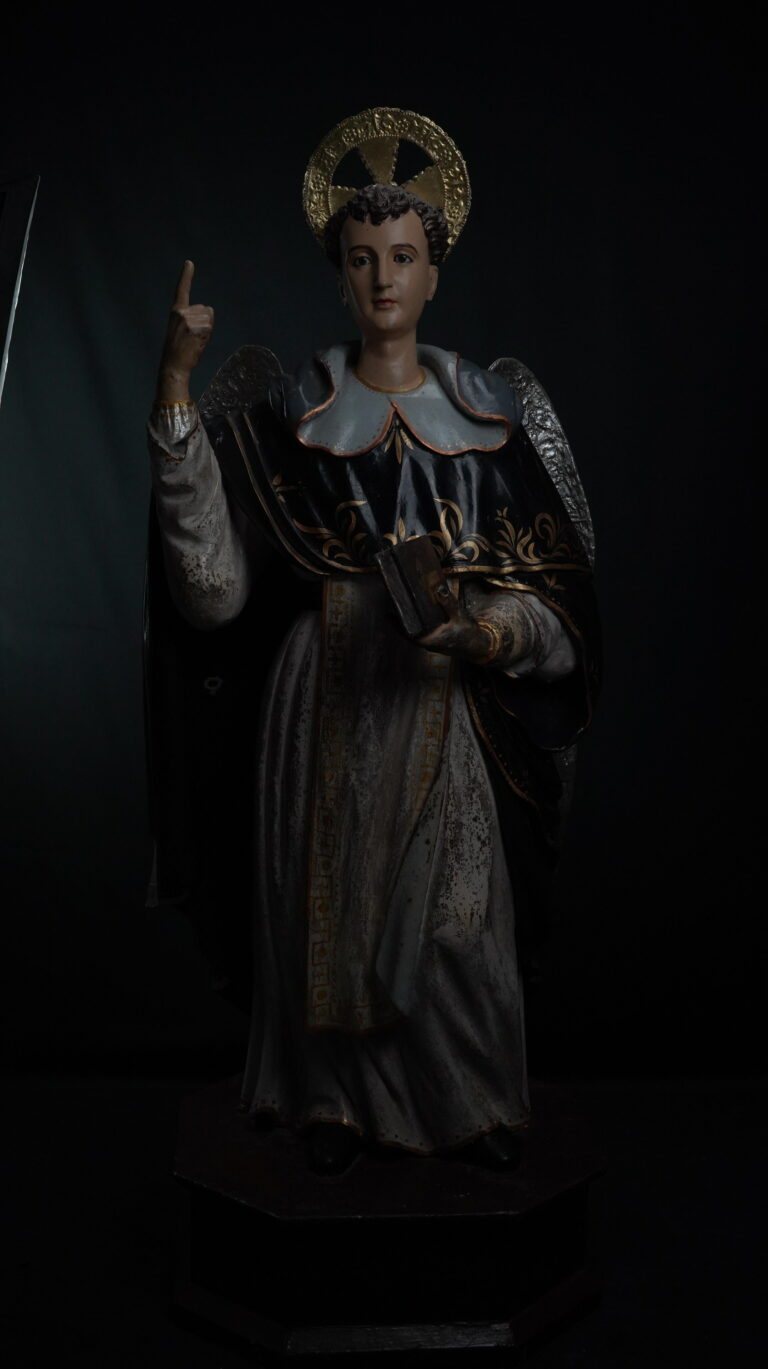
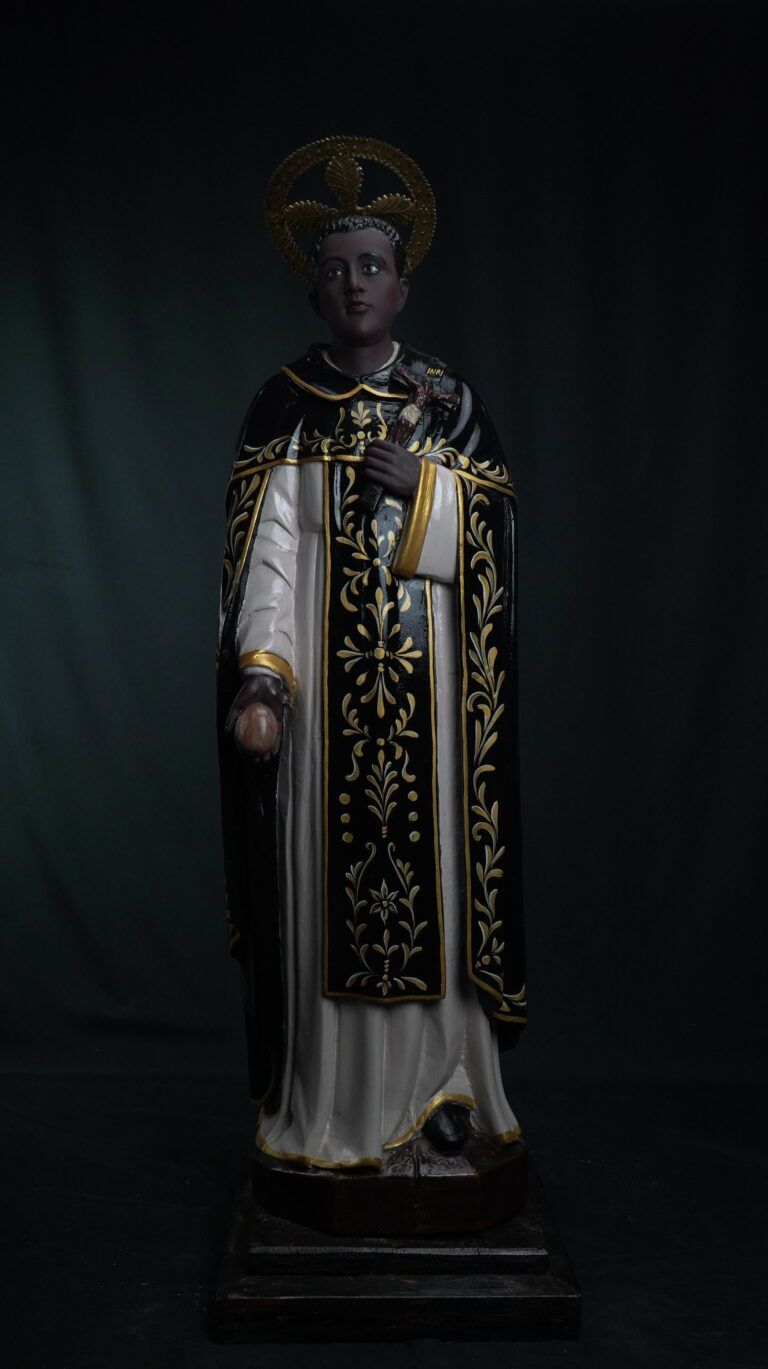
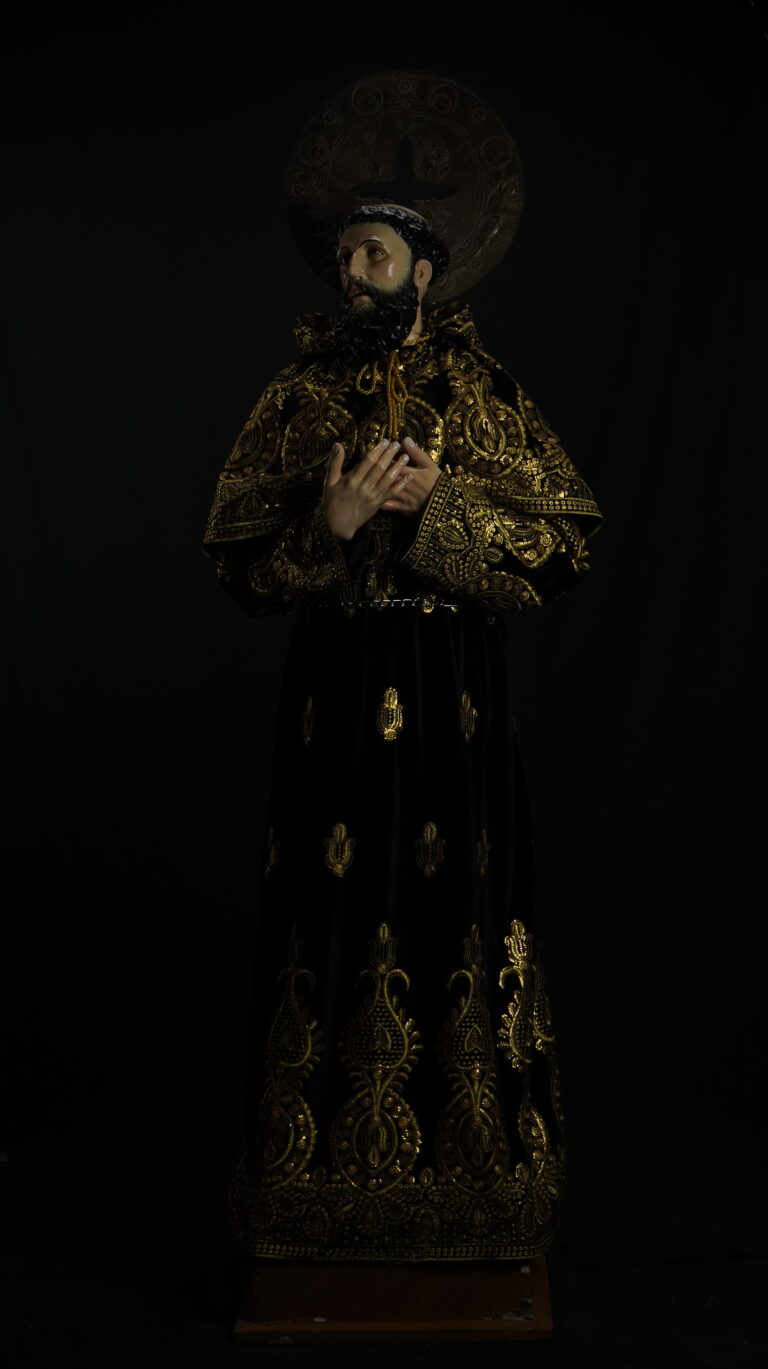
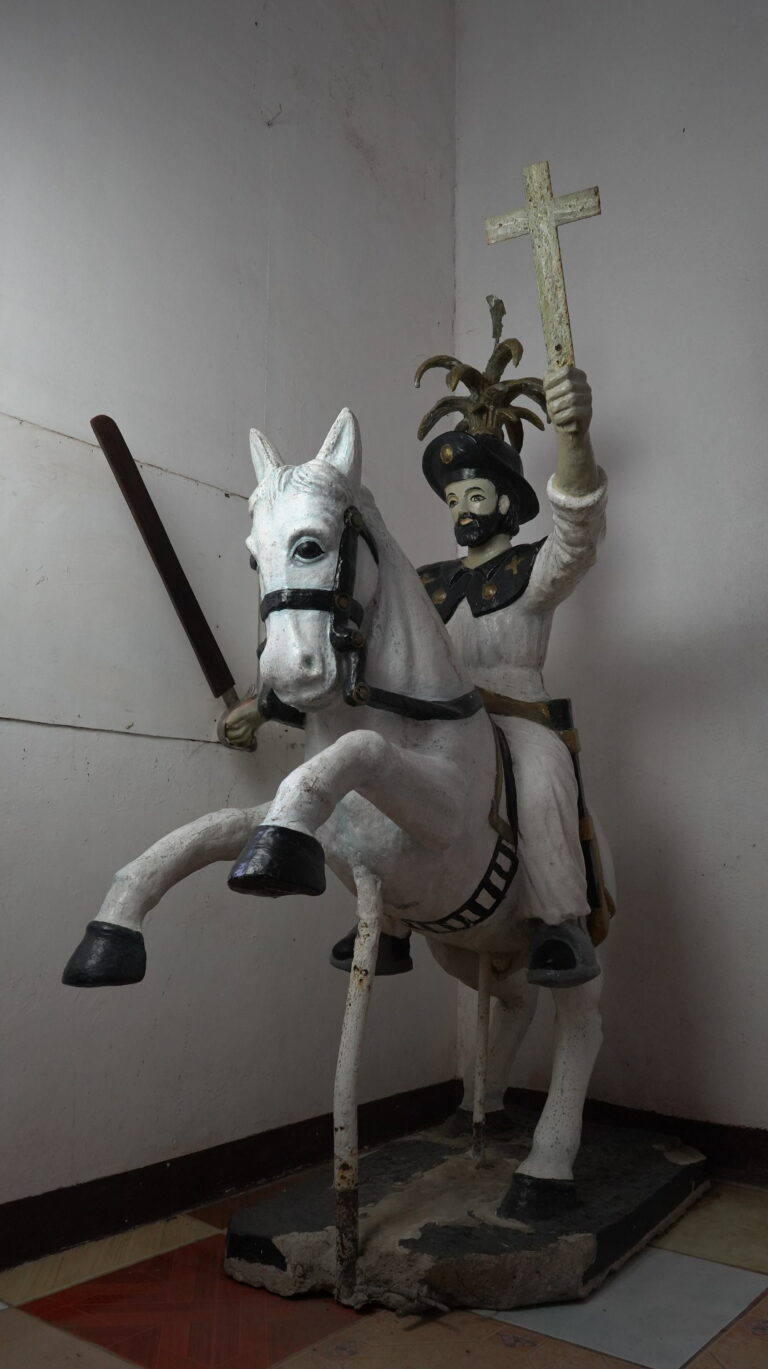
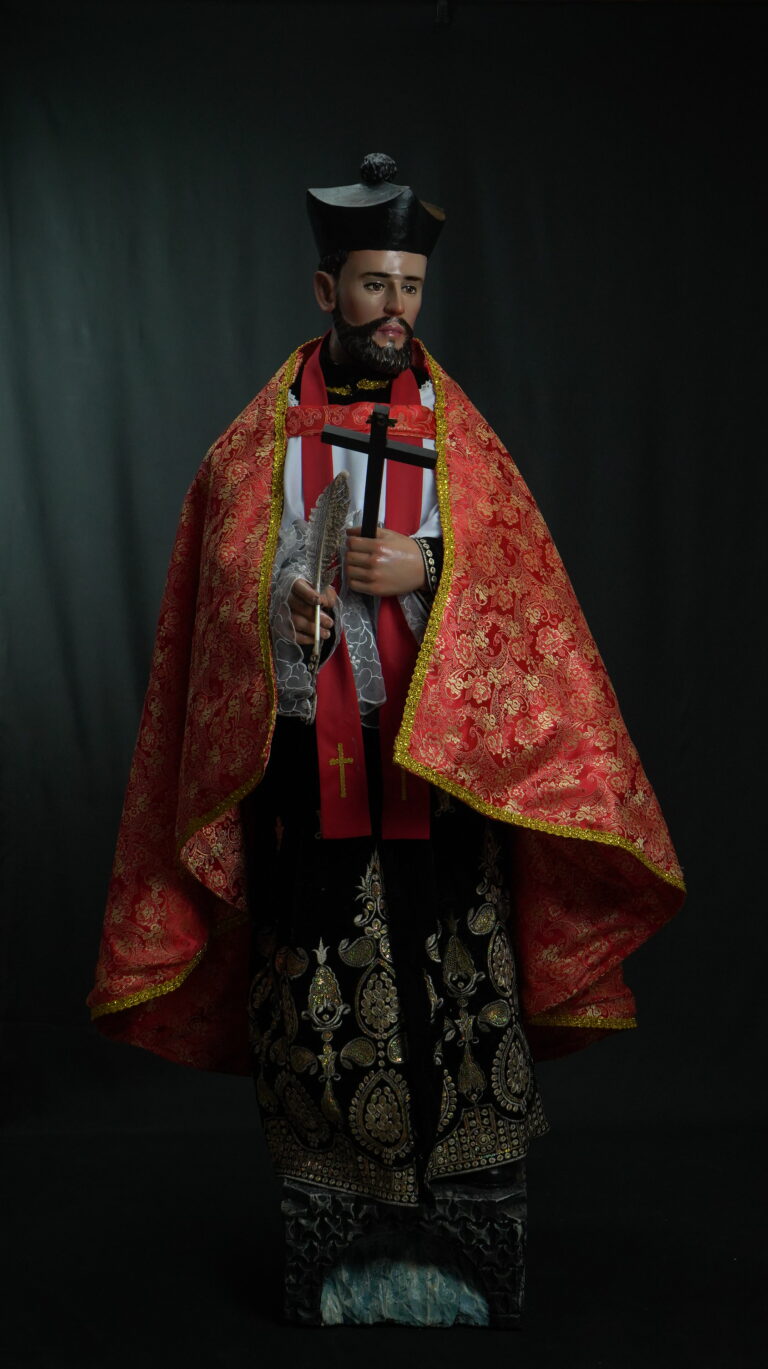
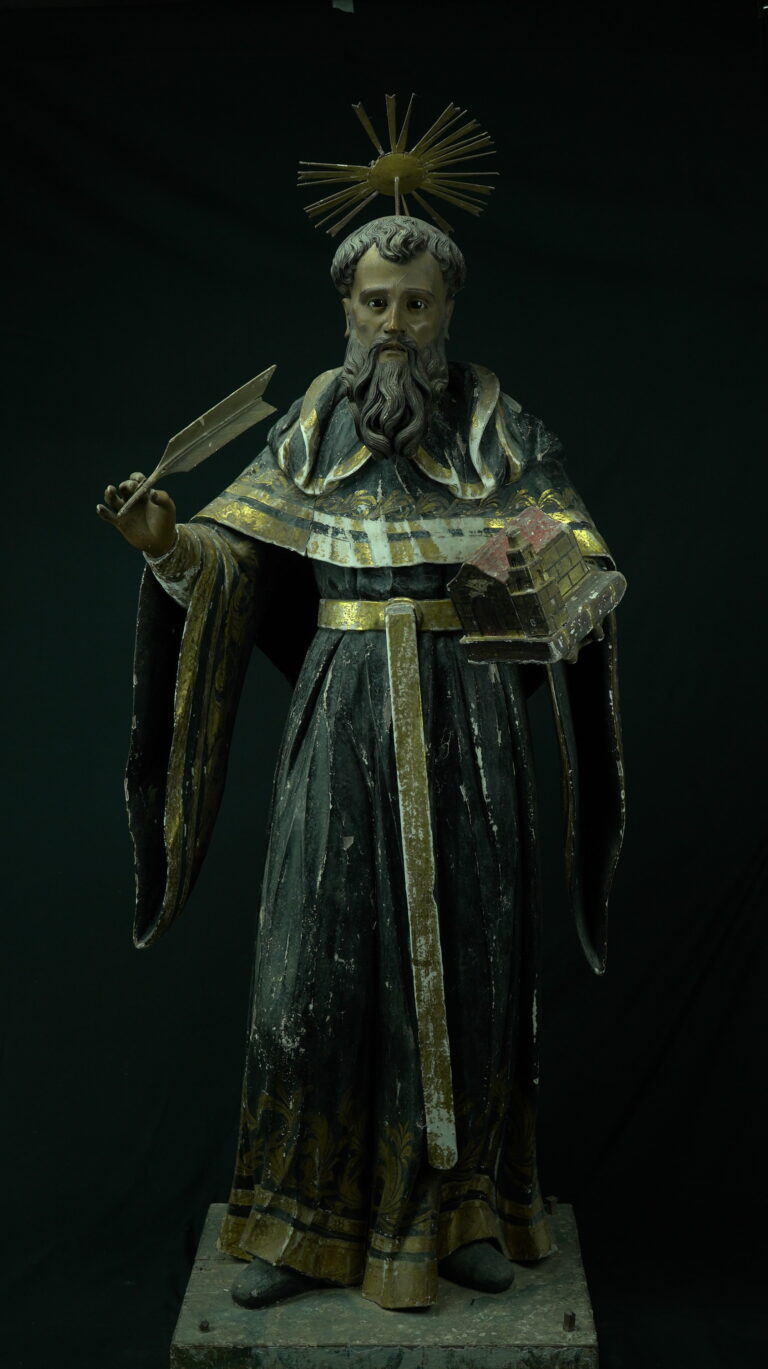
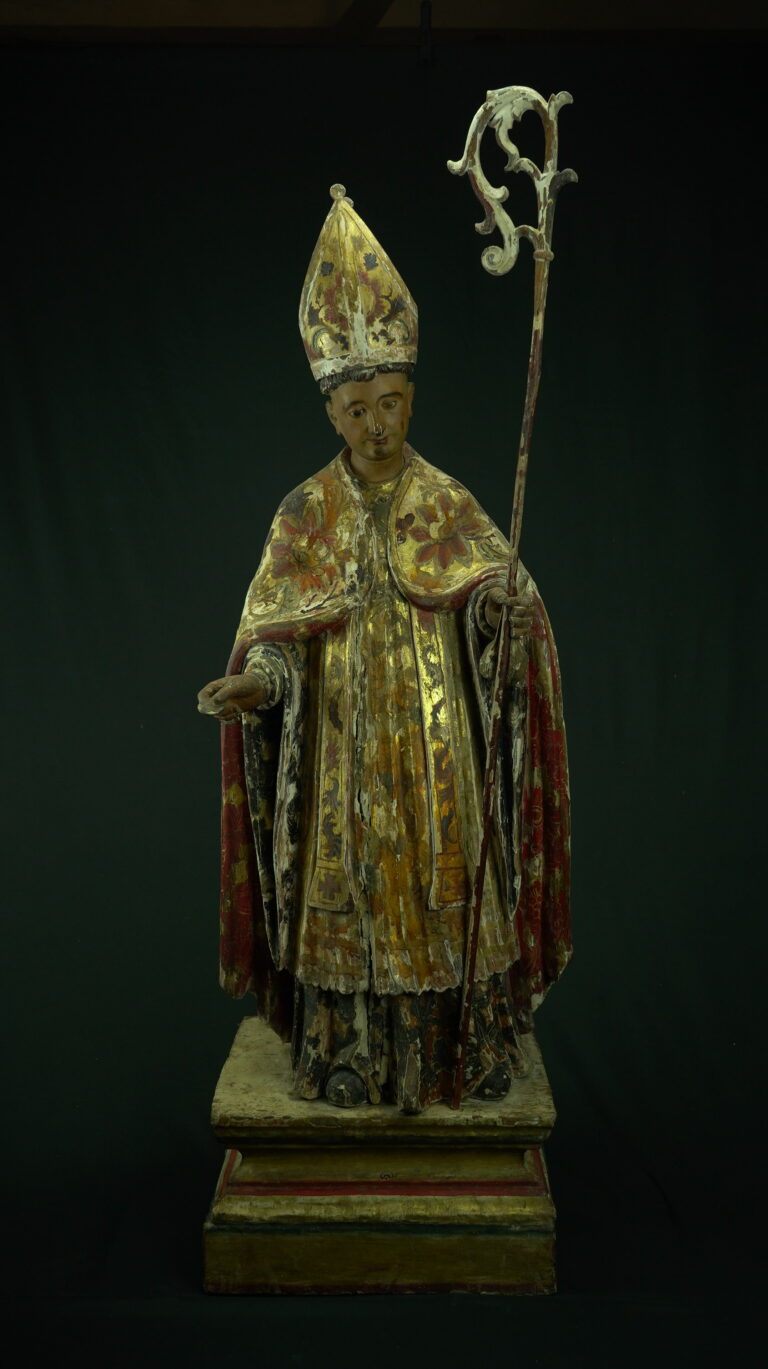
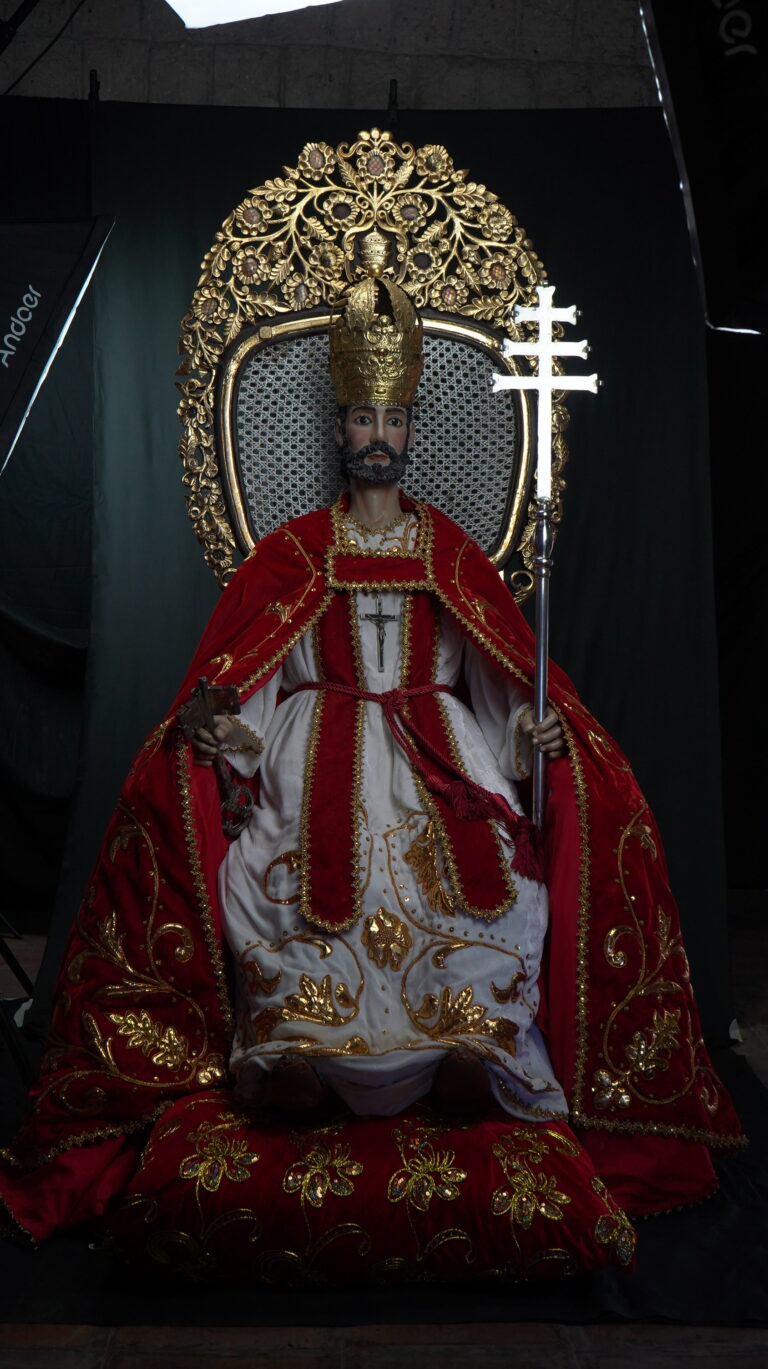
San Guillermo de Aquitania, patron saint of Dalaguete, has figured in the folk imagination as stories of his image thwarting a moro raid are still being told to this day. John Philip Lenares retells this story: “Makit-an kuno nila sa belfry namo nga si San Guillermo nagdala og canyon nga nagtuyok-tuyok sa babaw sa kampanaryo, sa among belfry. So mura siya pod ang great protector gyod sa amoang church diri sa Dalaguete.” (They said they could see San Guillermo bringing a canyon and going around the top of the belltower. So it seems that he is a great protector of our church and here in Dalaguete.)
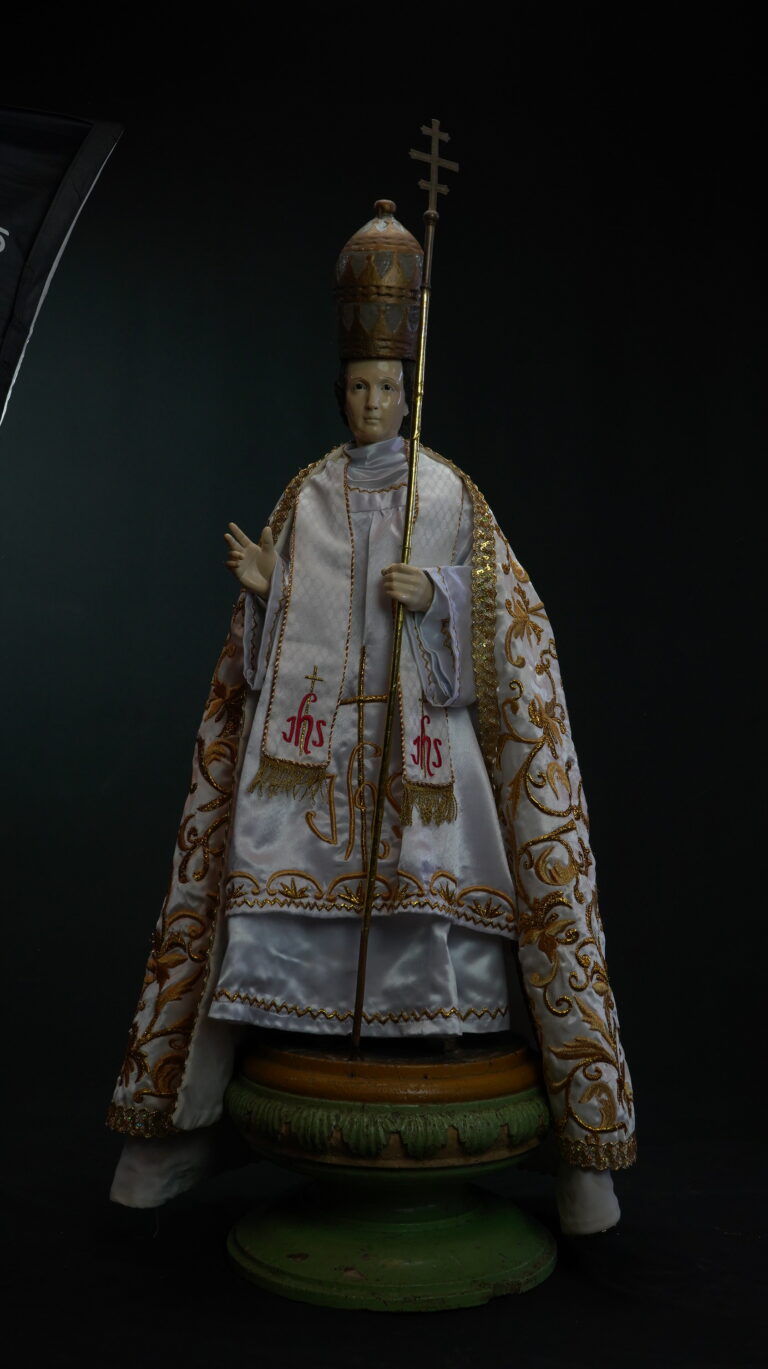
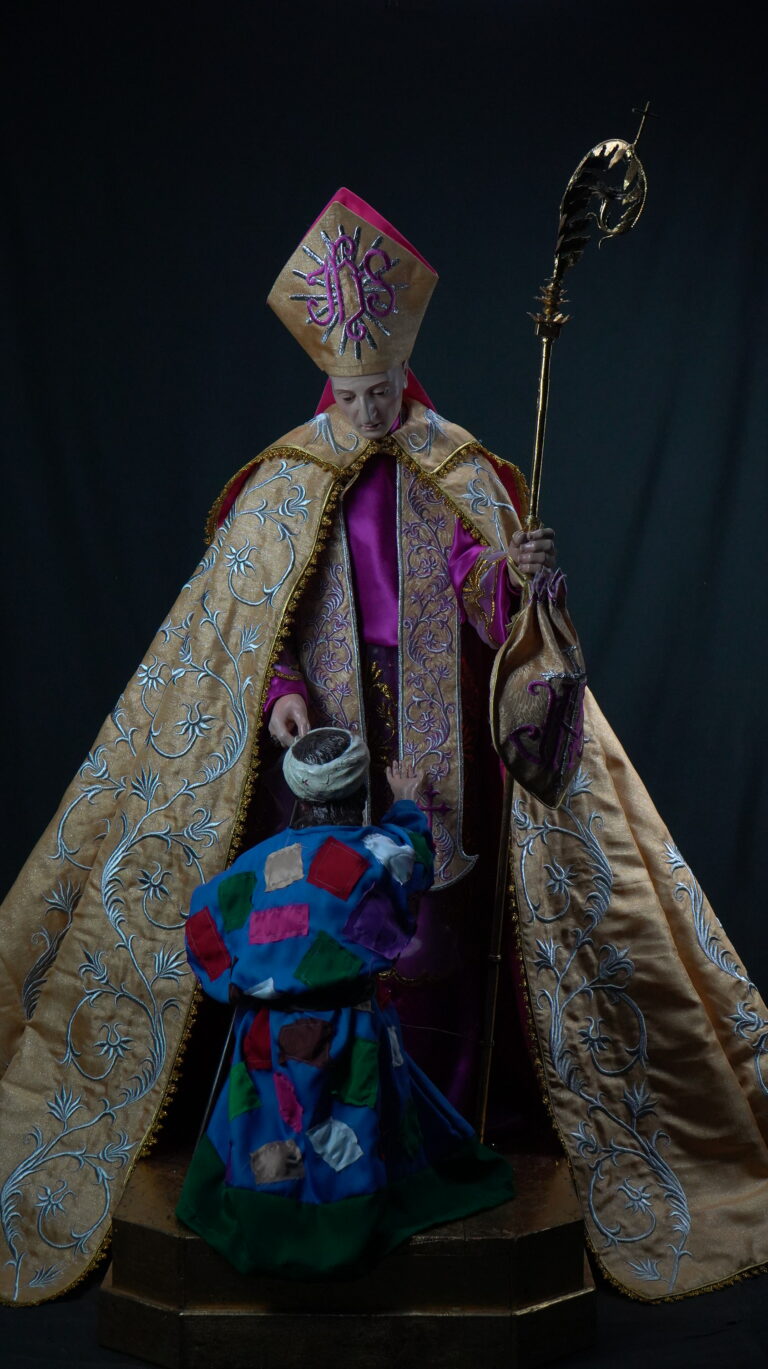
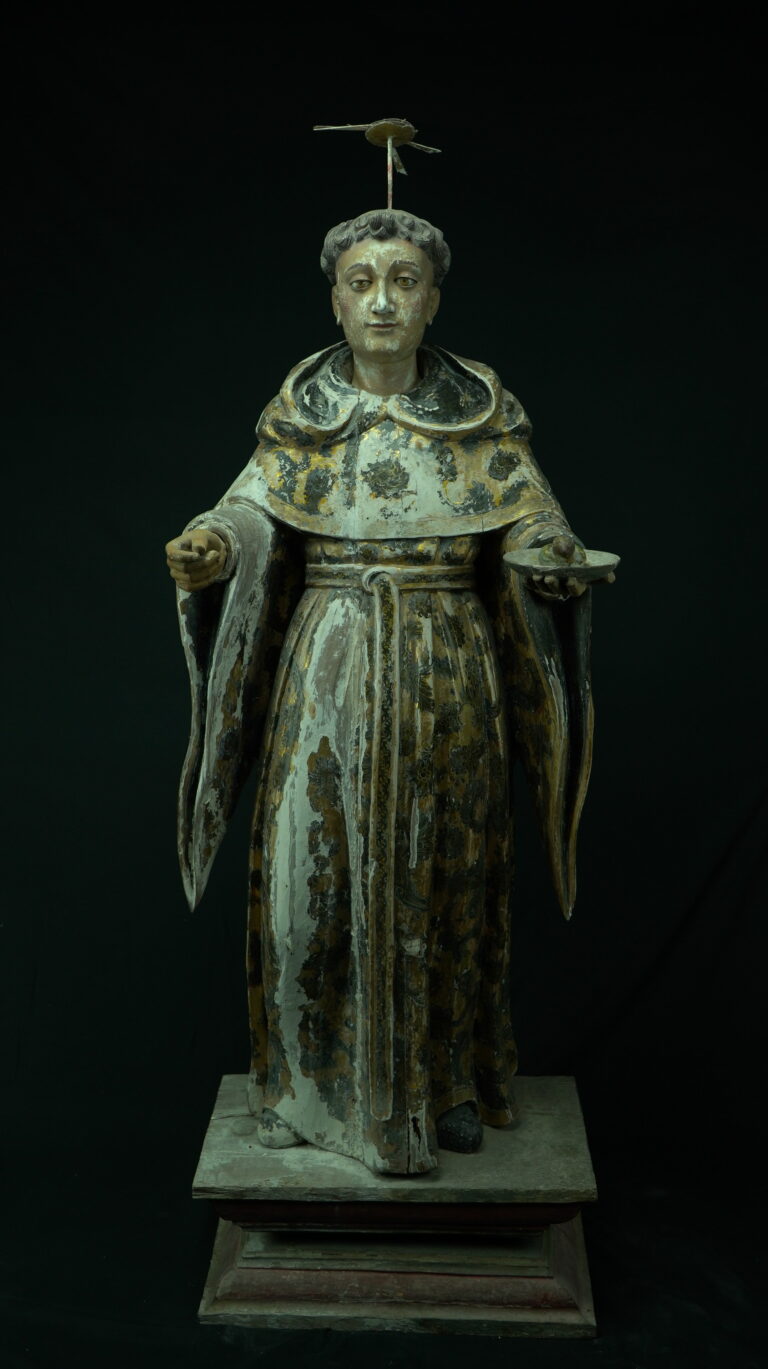
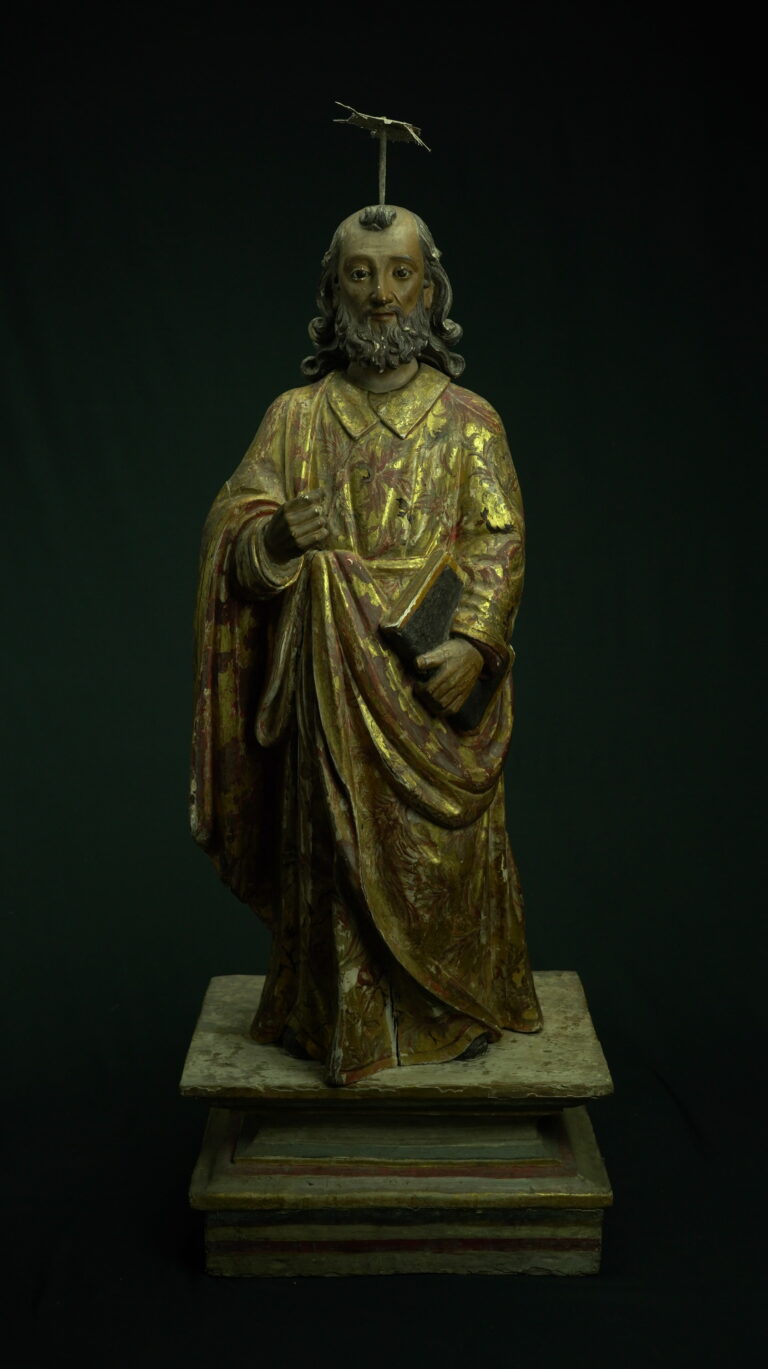
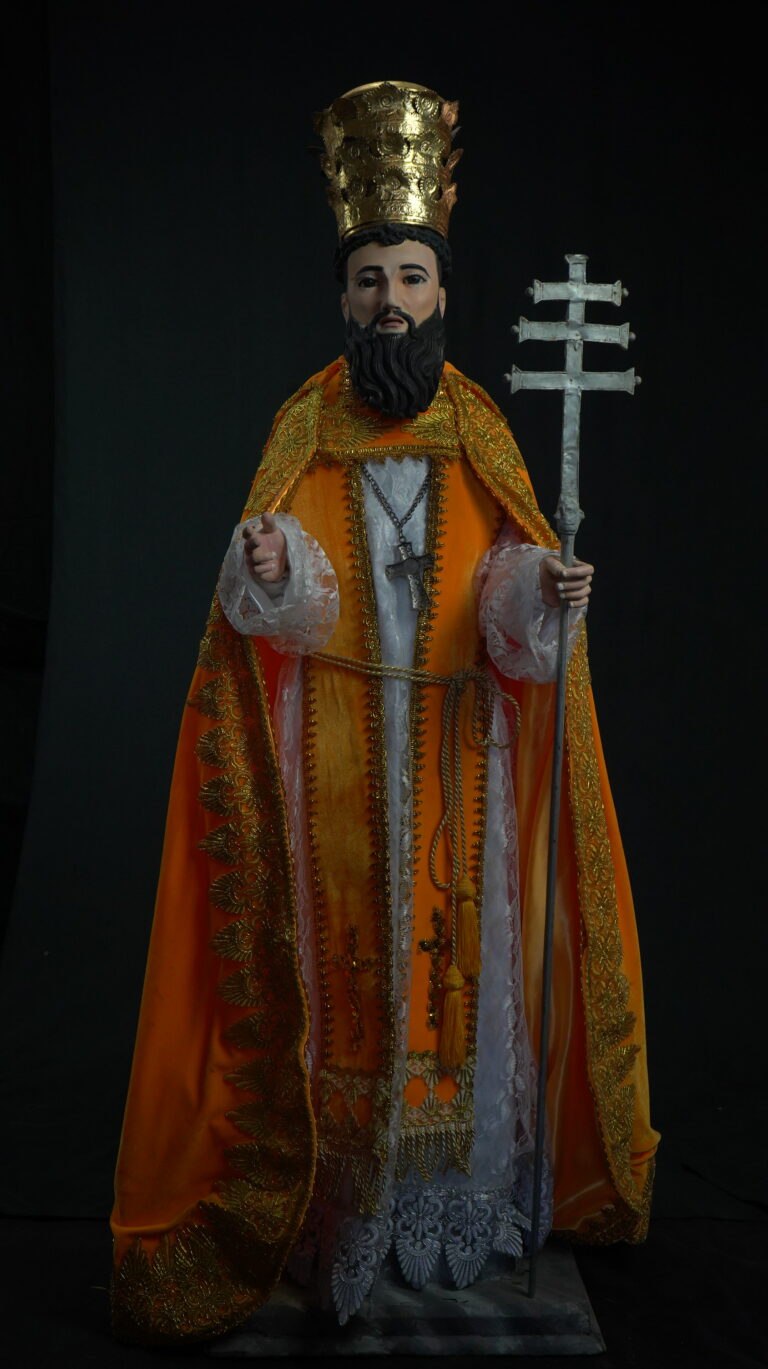
Santo Tomas de Villanueva’s image in Danao City is also regarded as miraculous and is attributed with these miracles: a storm surge did not affect the church where his image is placed at the façade and all the patients afflicted with a local diarrhea outbreak were healed when his image was brought around the source of water and the local hospital.
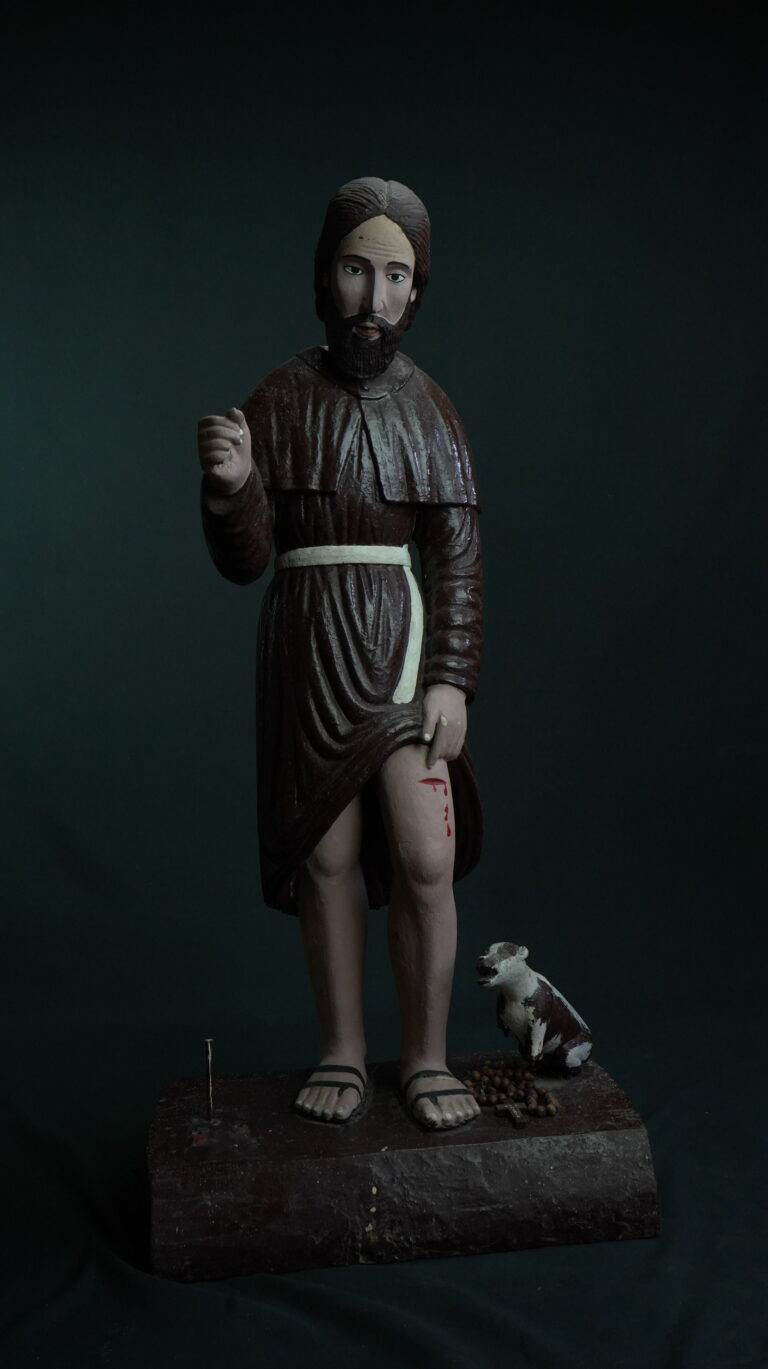
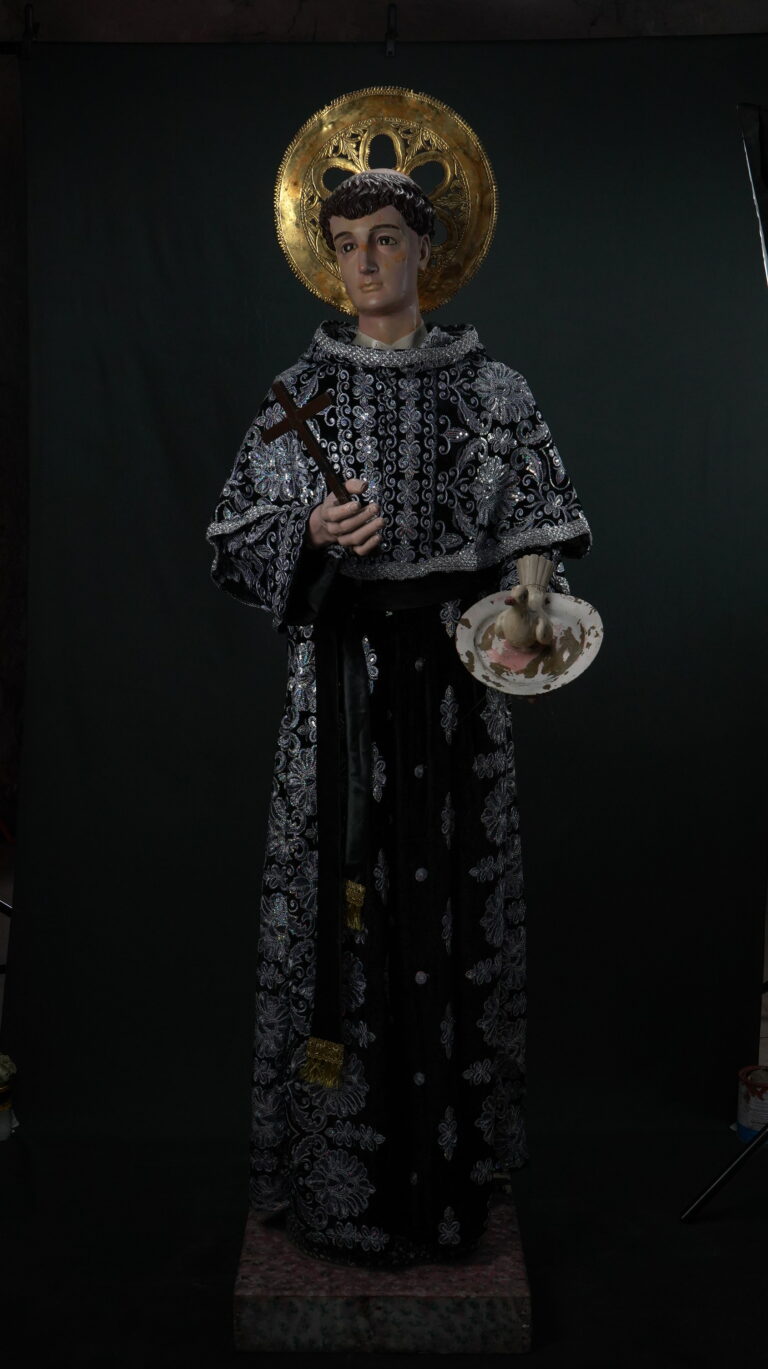
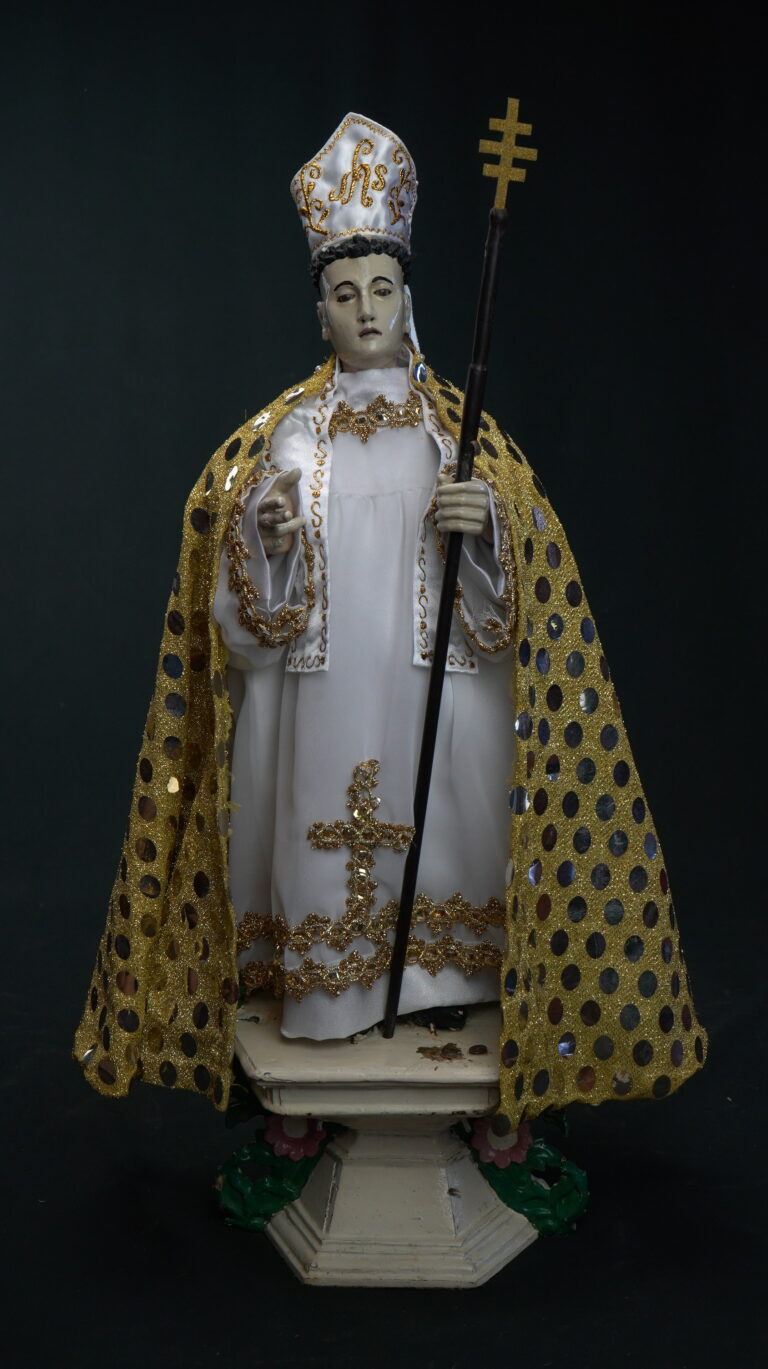
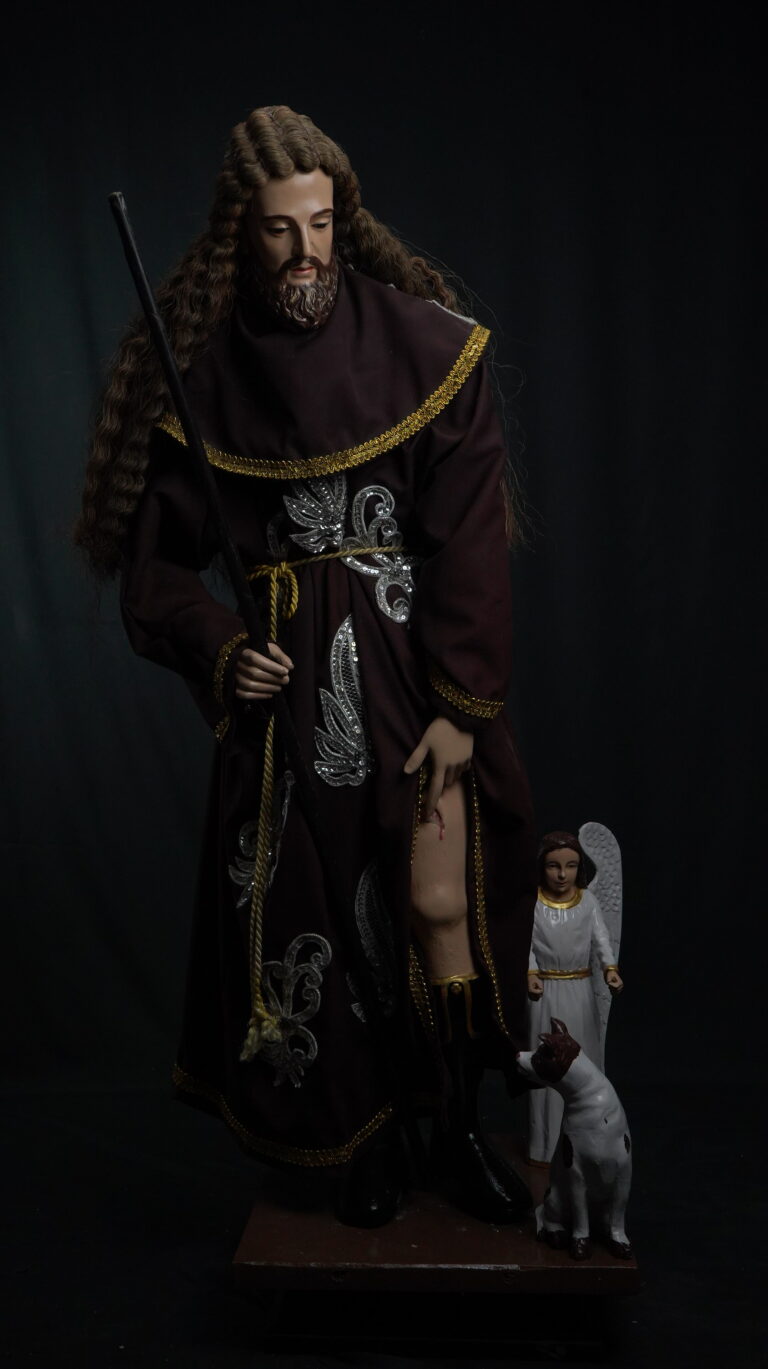
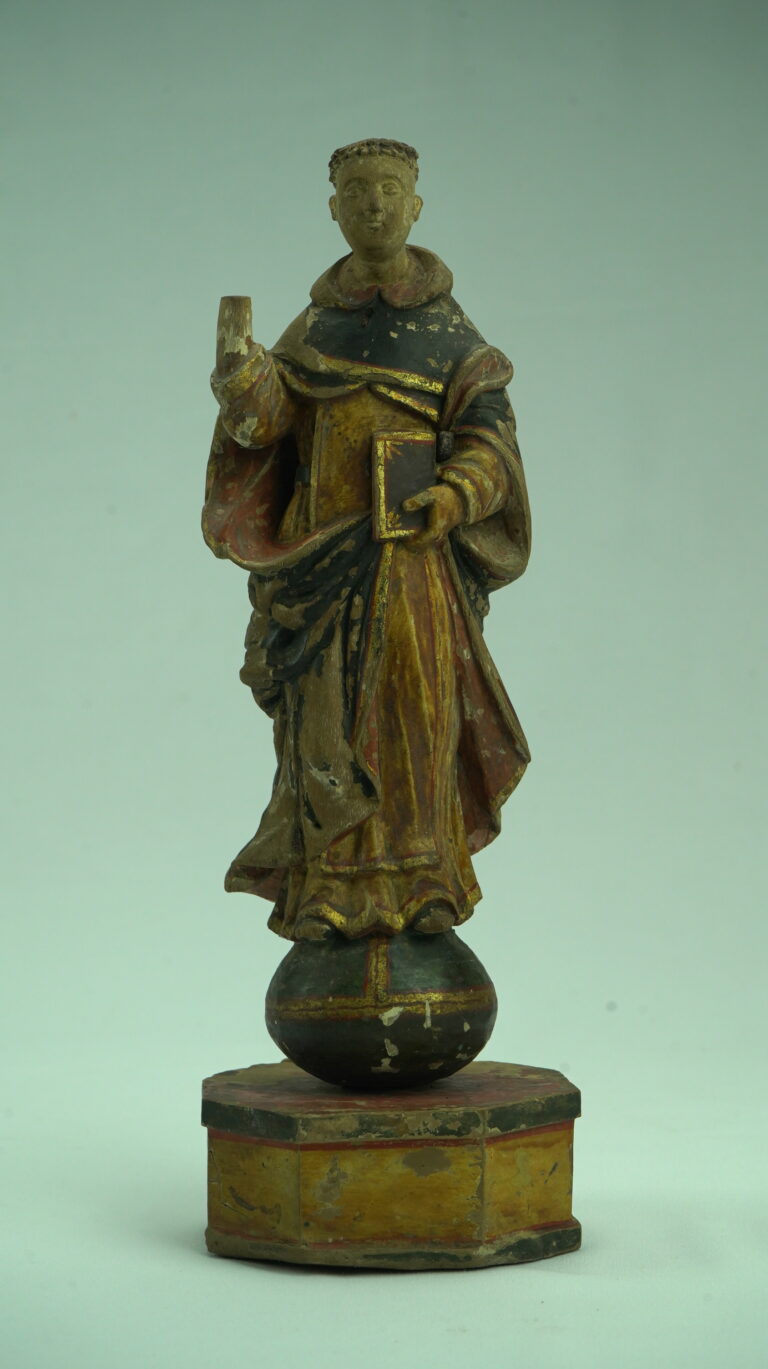
Michael Bacus, Sacristan Mayor of San Nicolas de Tolentino Parish of Cebu City, says the image of San Nicolas de Tolentino is what he truly treasures. He witnessed the faith experiences of San Nicolas devotees and had himself experienced a miracle when his child, who was already in dengue shock, was healed through San Nicolas’s intercession.
Amidst these extraordinary narratives are stories of ordinary acts of devotion – how the whole town came out to wait for the arrival of the image of their patroness, how devotees flock to touch and venerate the processional image of their town’s patron during the fiesta, or how supplicants line up at a chapel patiently waiting for their turn at the patunob.
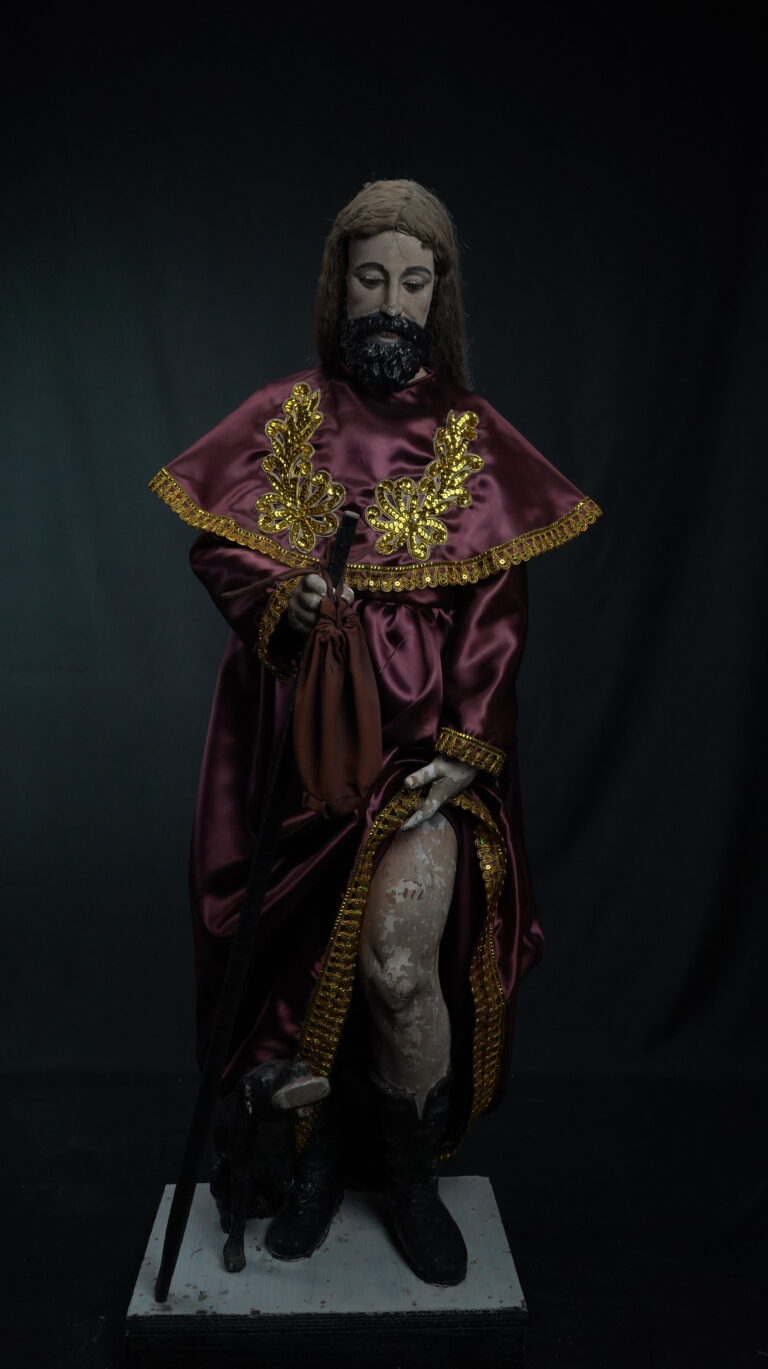
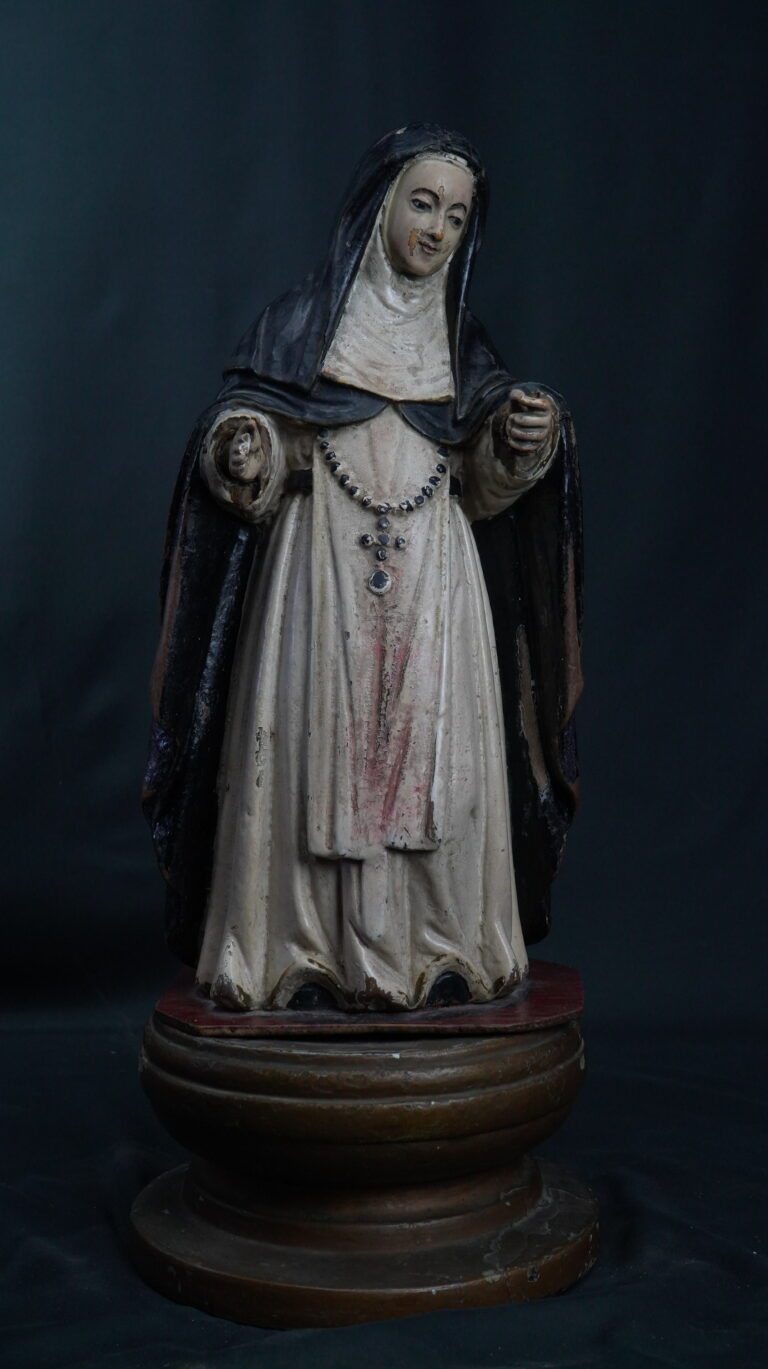
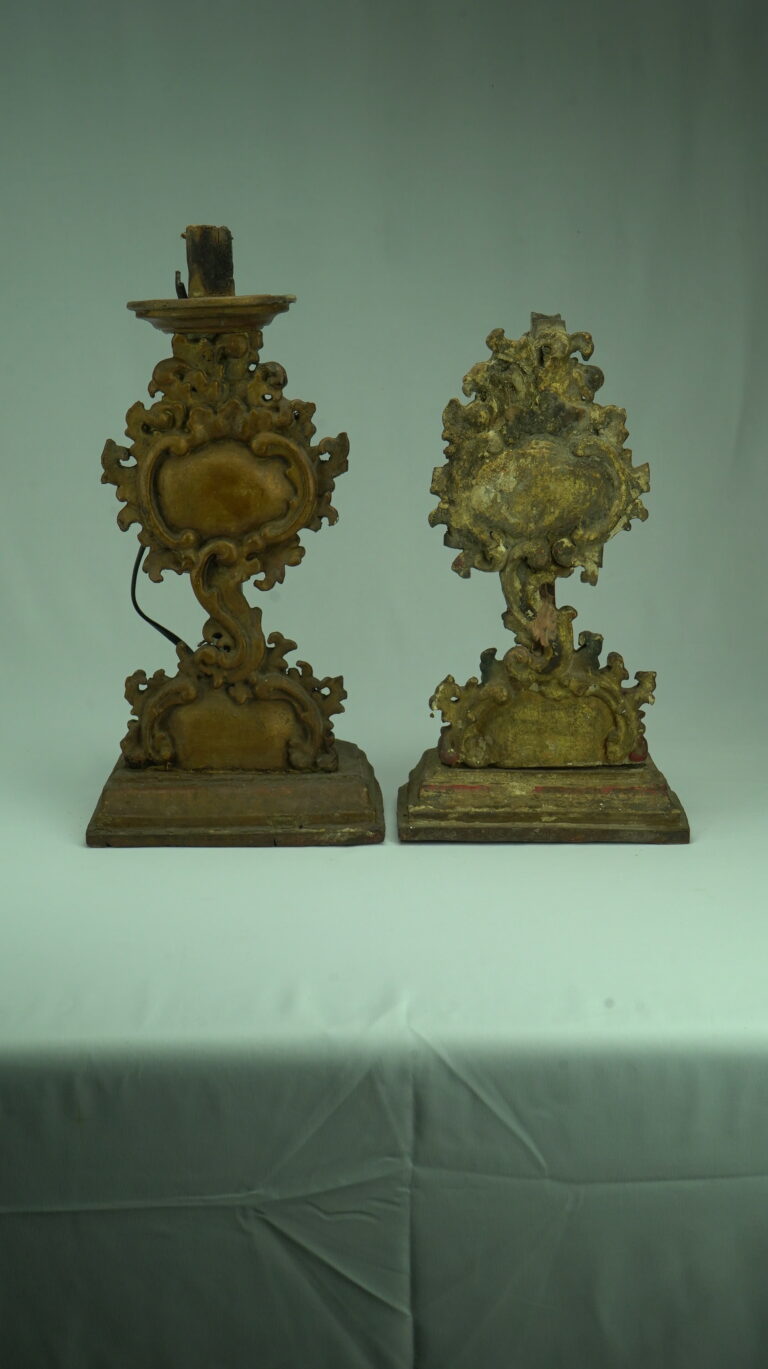
This gallery of the images of the holy men and women of God is ultimately a collection of testimonies of the people and their beloved saints. When asked if the images of the saints should be preserved, Bacus answered: “Yes, kay part man gihapon sa atong Catholic faith, kay ato gyod na, kay sagrado man na sila, unya dili na pwedi nga yama-yamaan. Mao nang ato gyod na siya ibutang sa iyang butanganan kay natural nakita man sa mga tawo, matag tawo, matag pamilya. Mao nga ato gyod nang limpyohan, ato gyod na siyang gamon kay sagrado man, kay pinaagi anang imahen nadugtong atong pagtuo ni Kristo.” (Yes, because it is still part of our Catholic faith, because it is ours, because they are sacred, and they cannot be desecrated. That is why we should put him in his proper place because people see it naturally, every person, every family. That is why we are going to clean it, we should take care of it because it is sacred, because through that image our faith is connected to Christ.)