GALLERY / iN LOVE WITH MARY
In Love with Mary
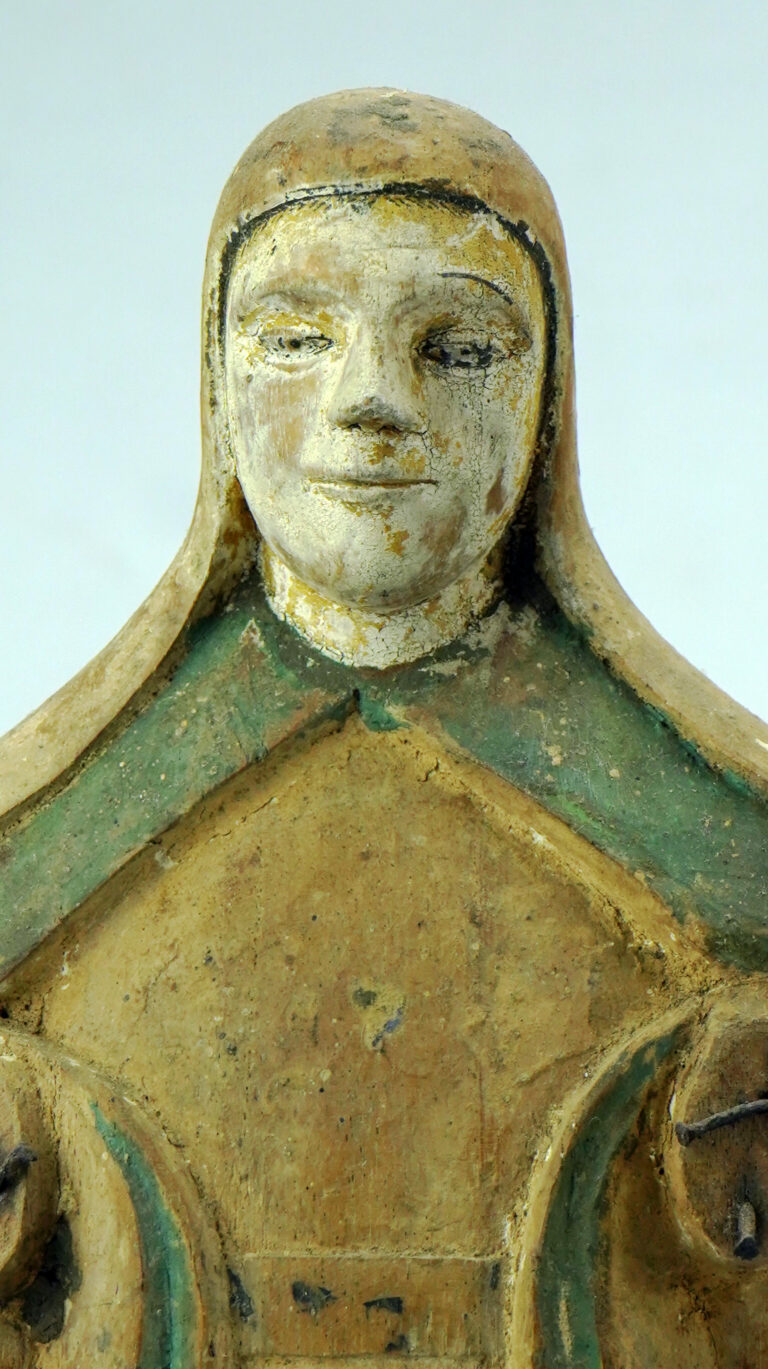
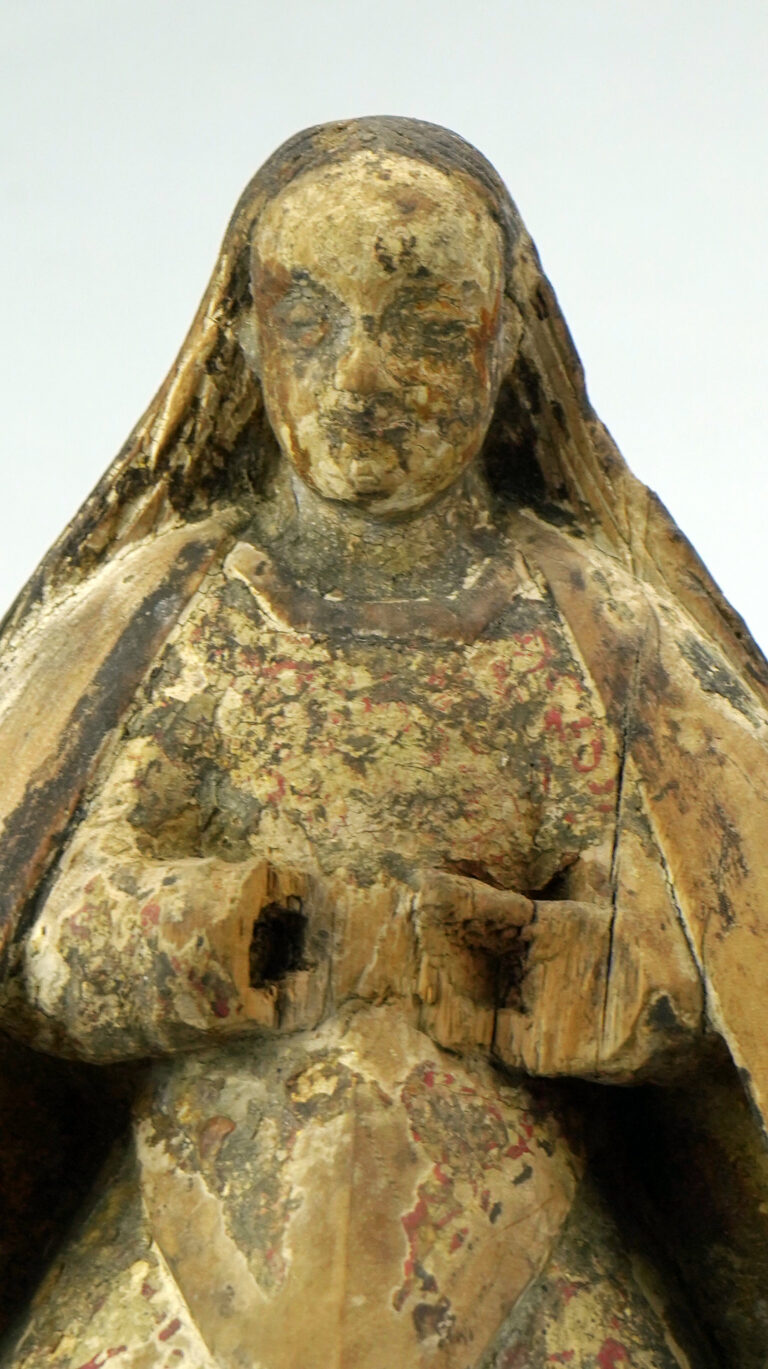
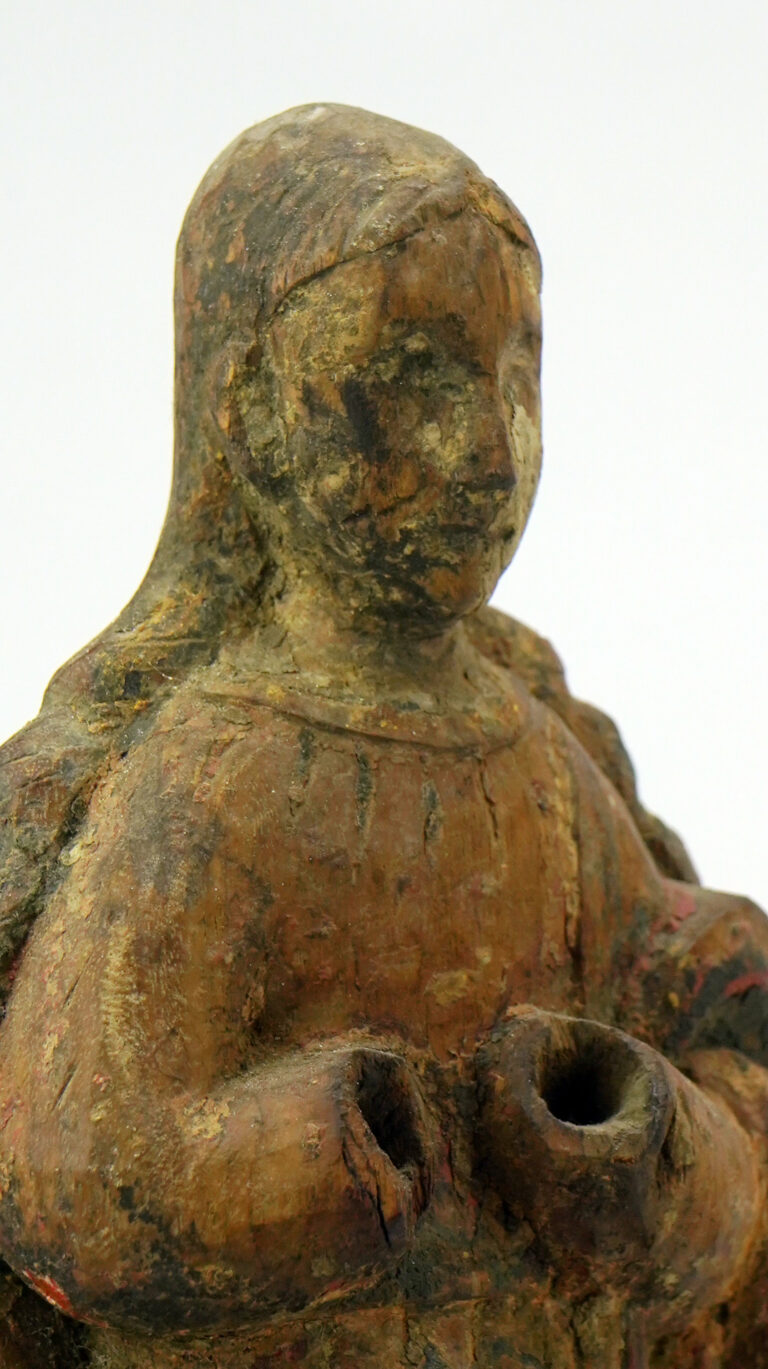
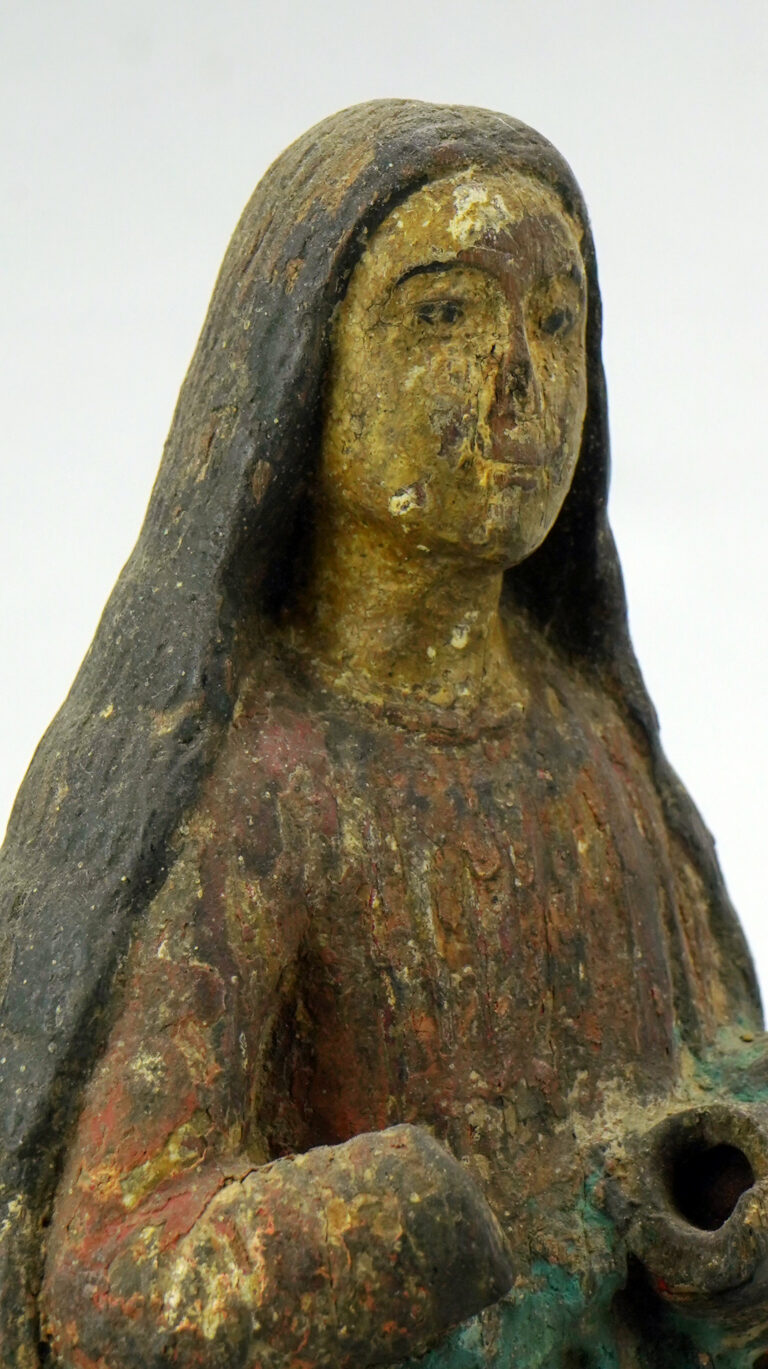
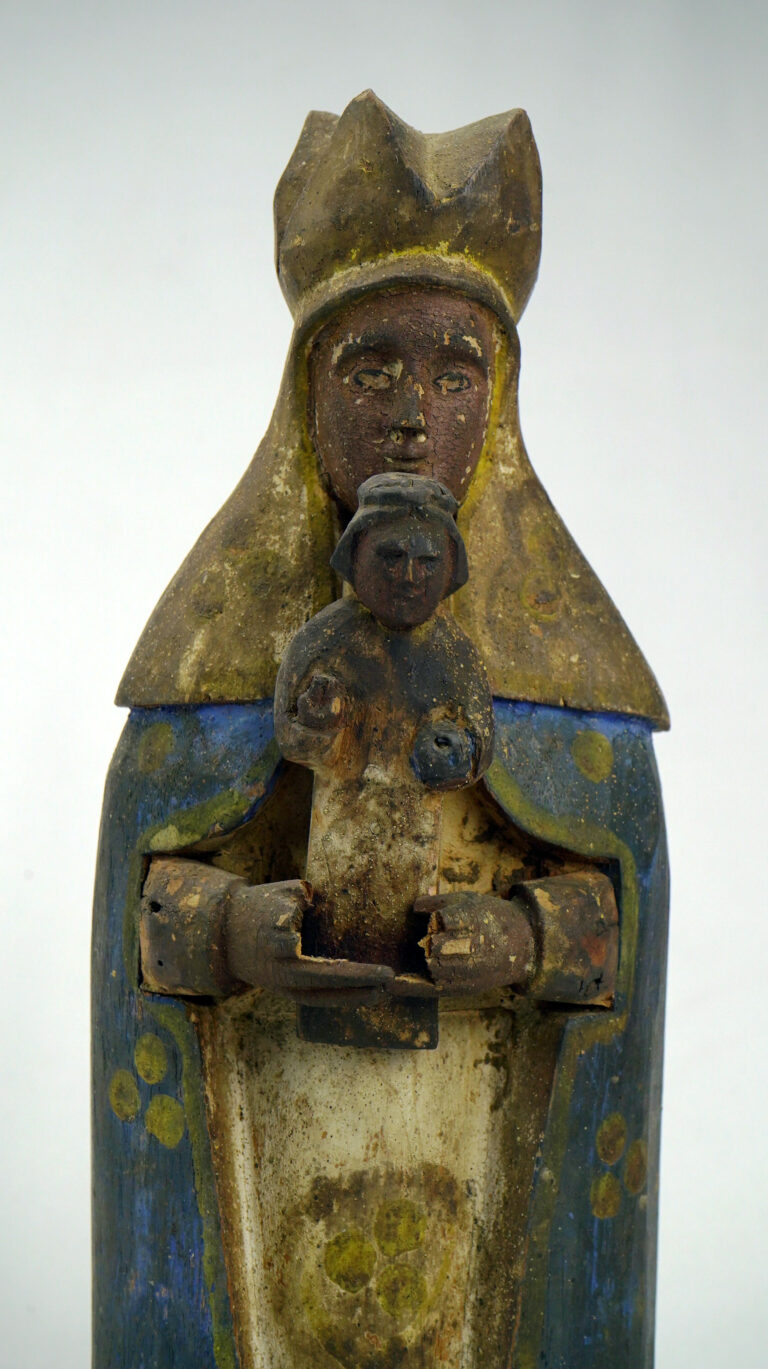
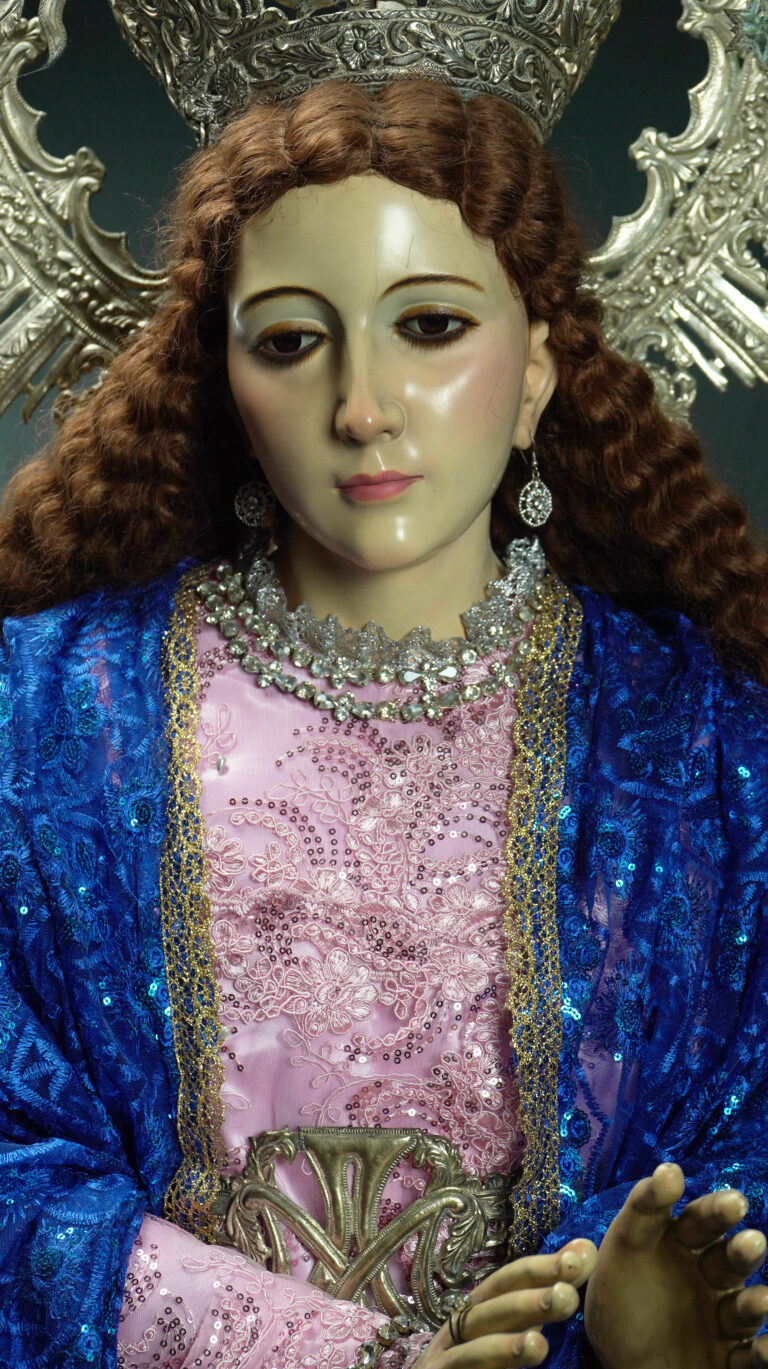
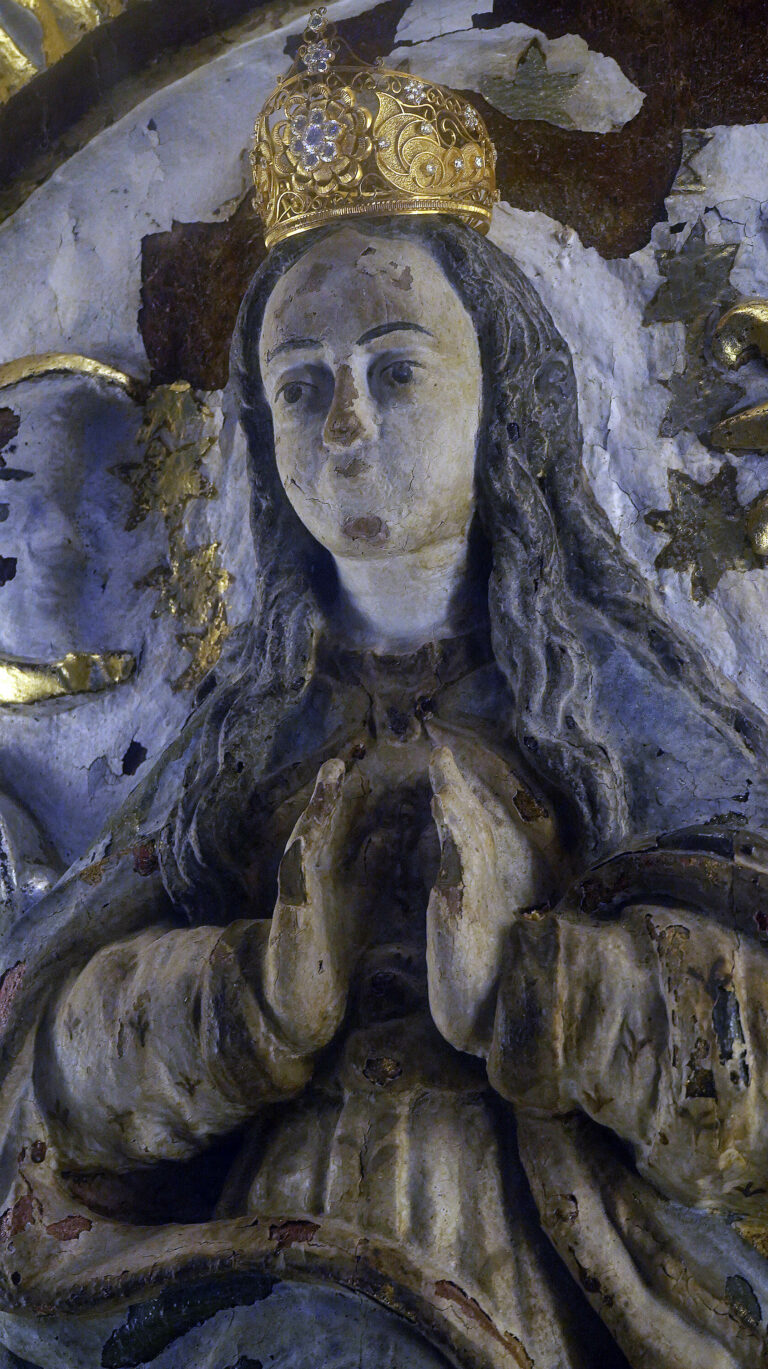
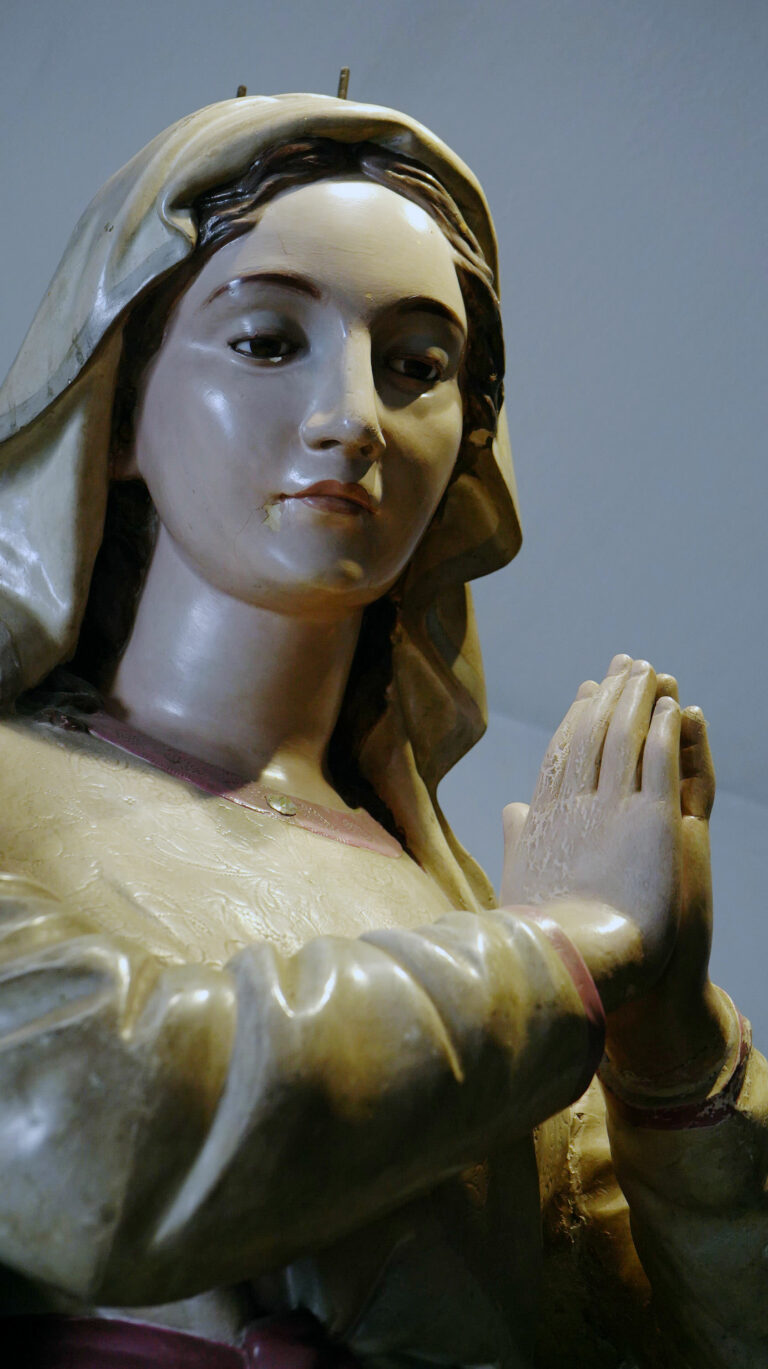
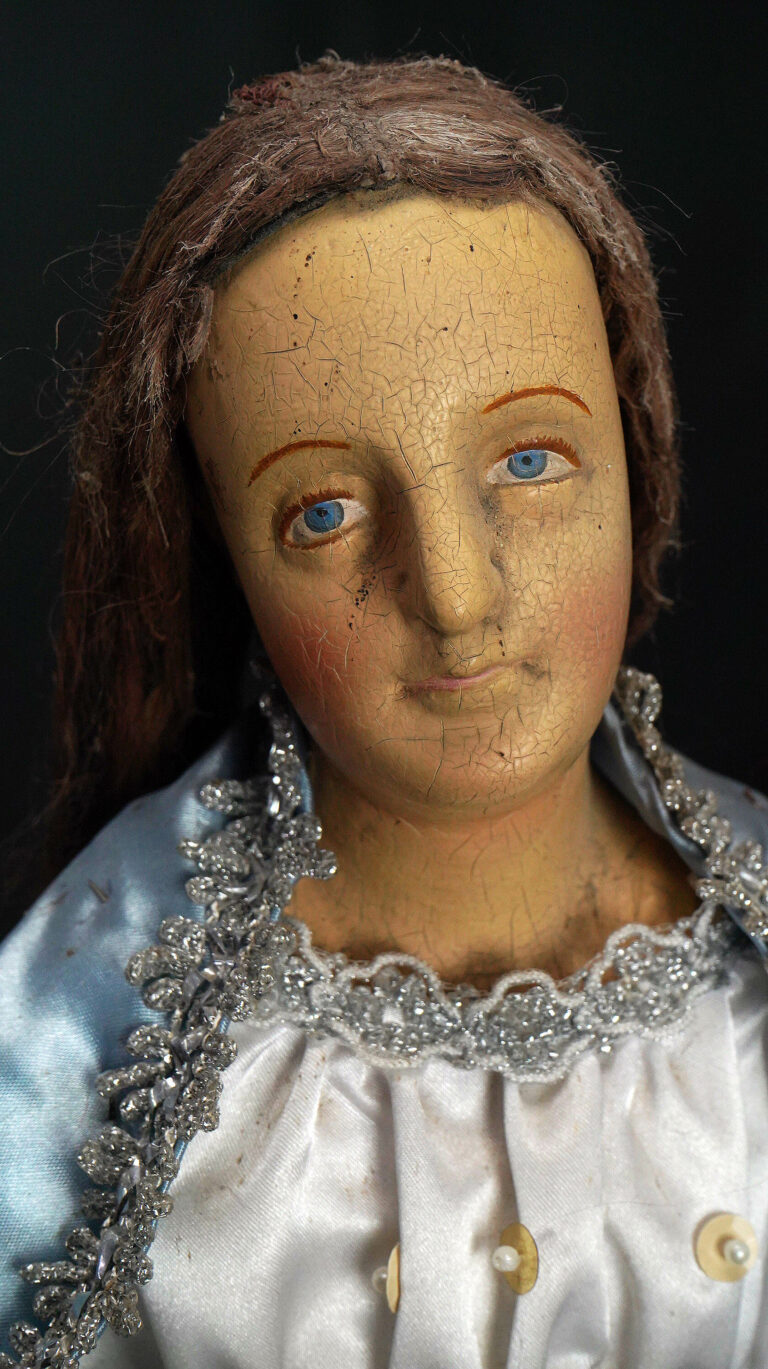
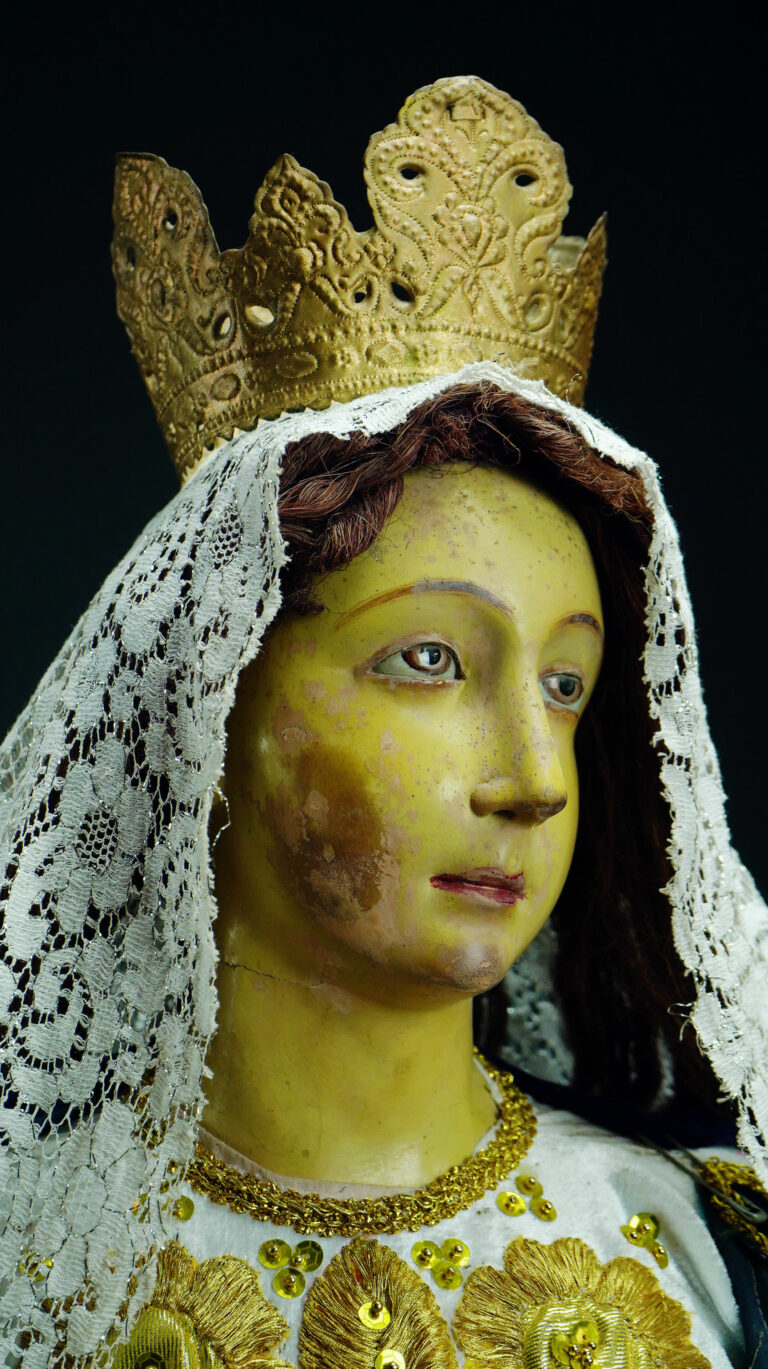
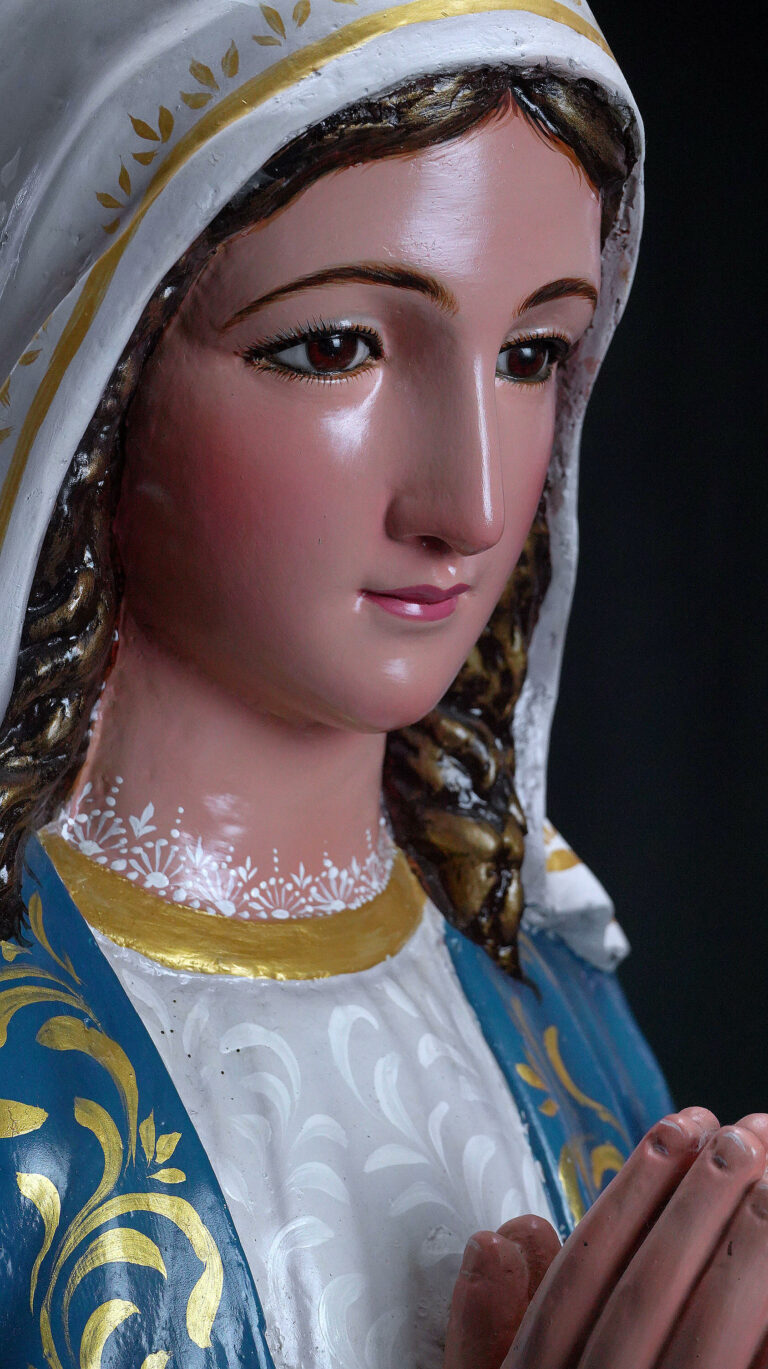
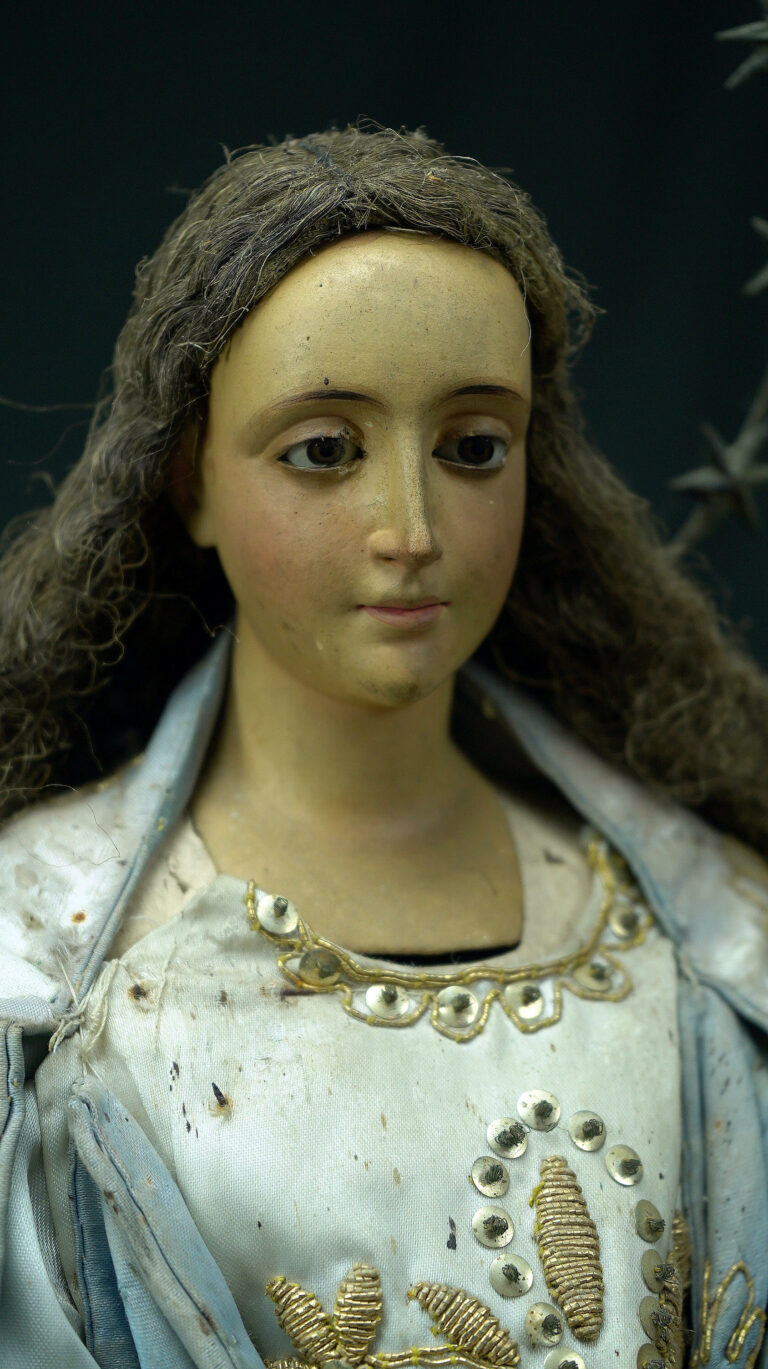
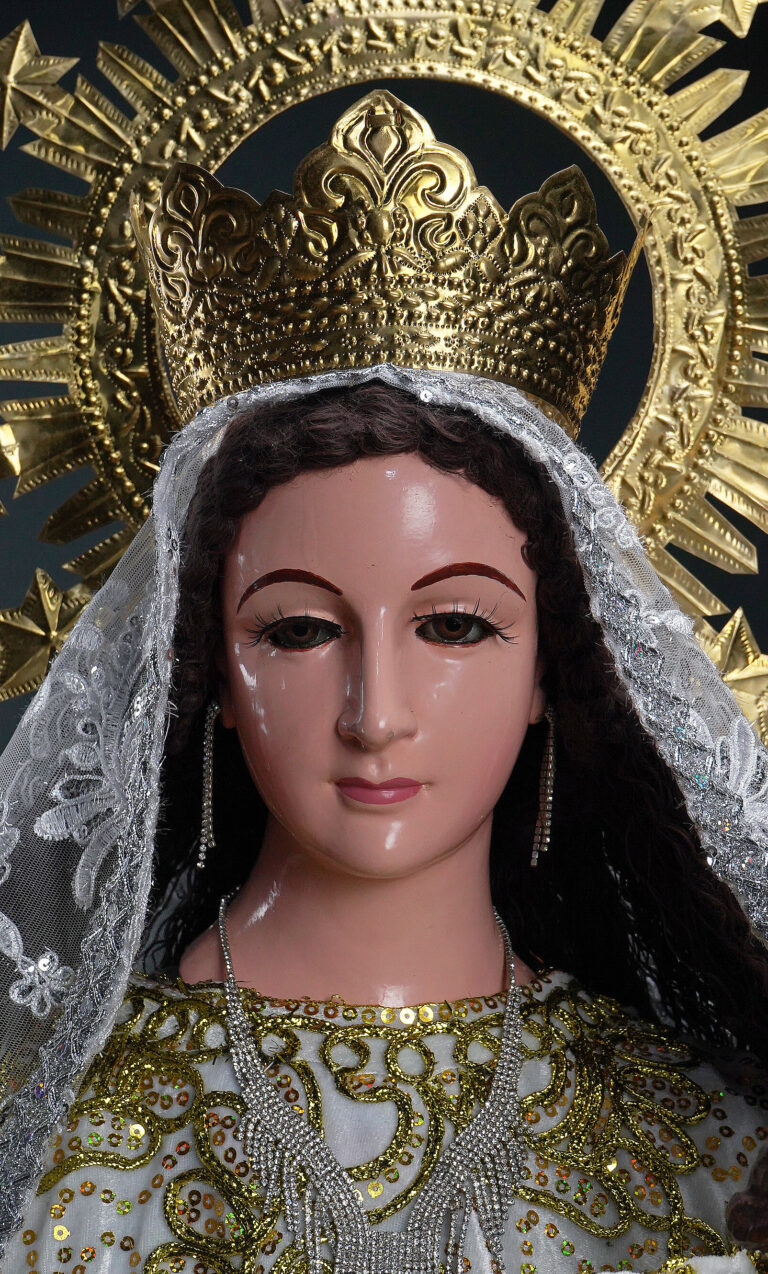
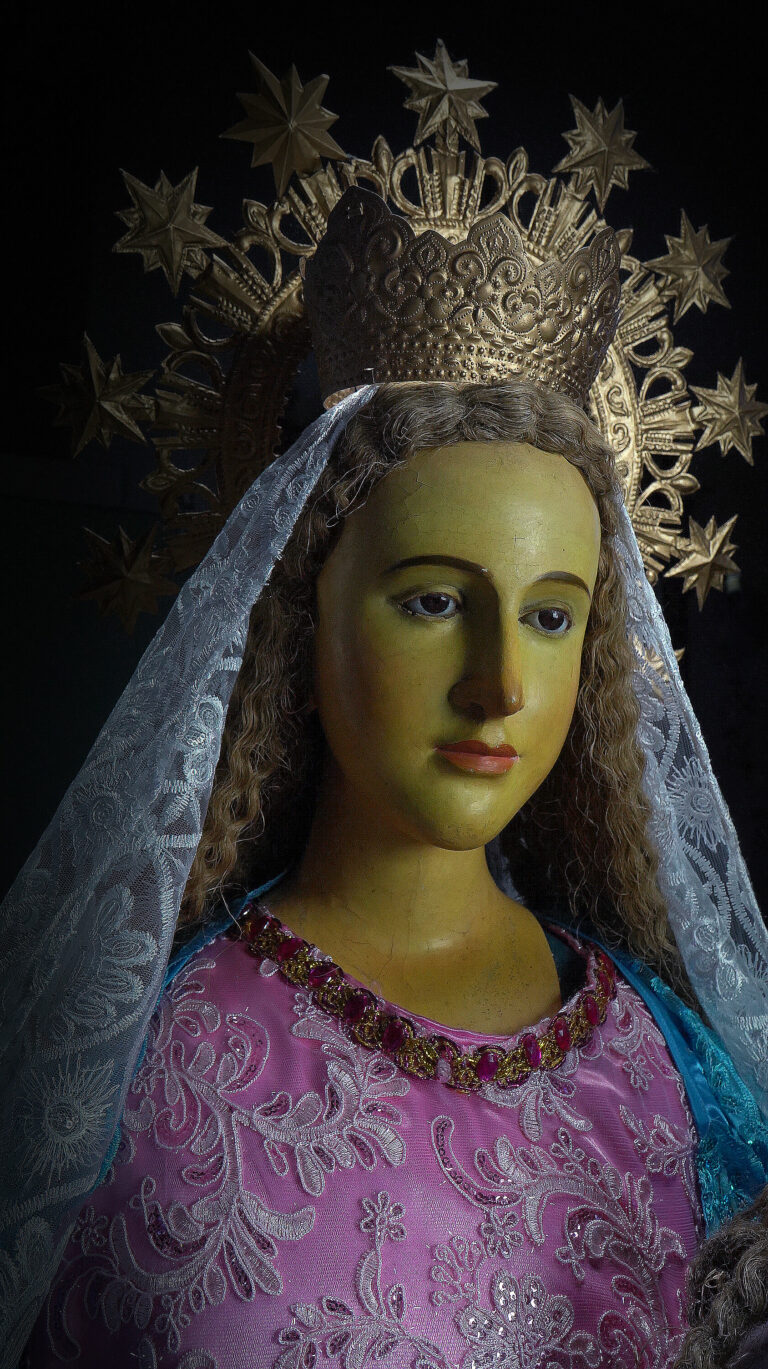
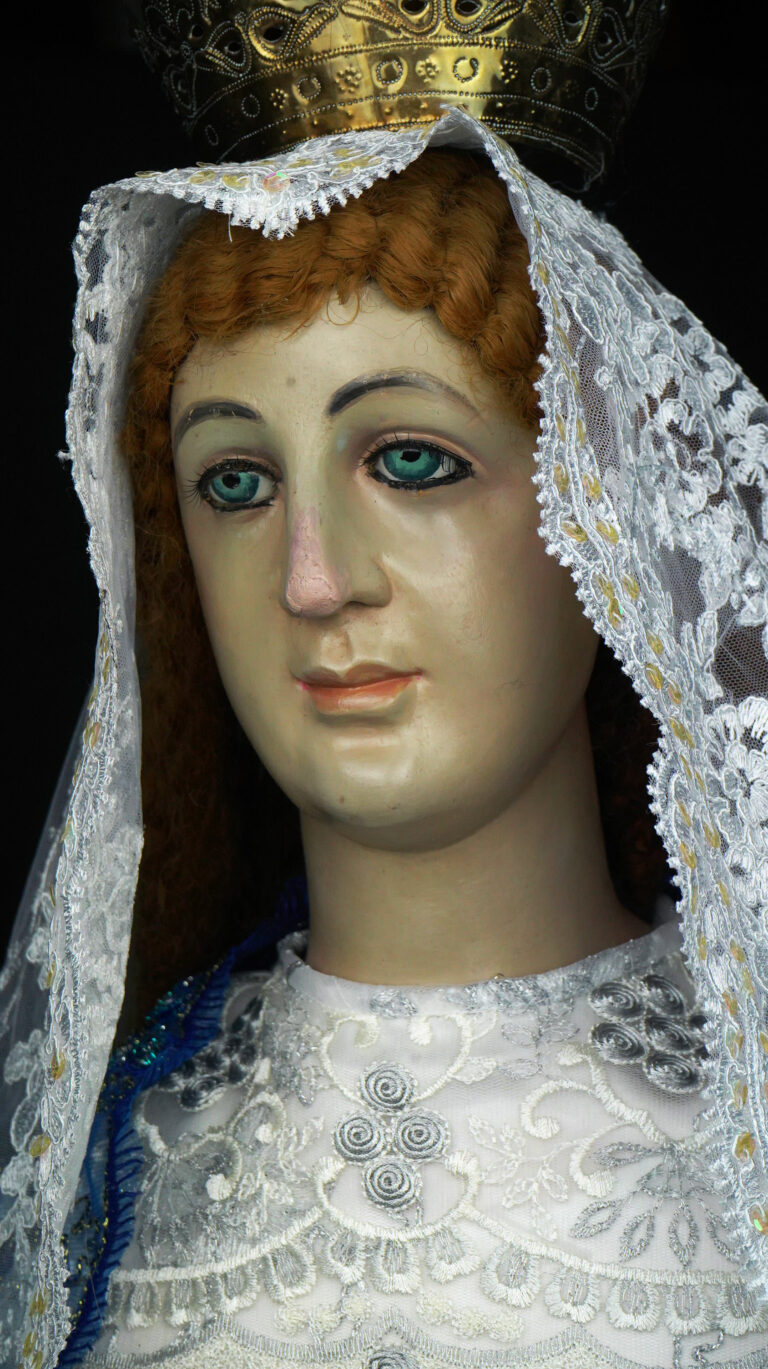
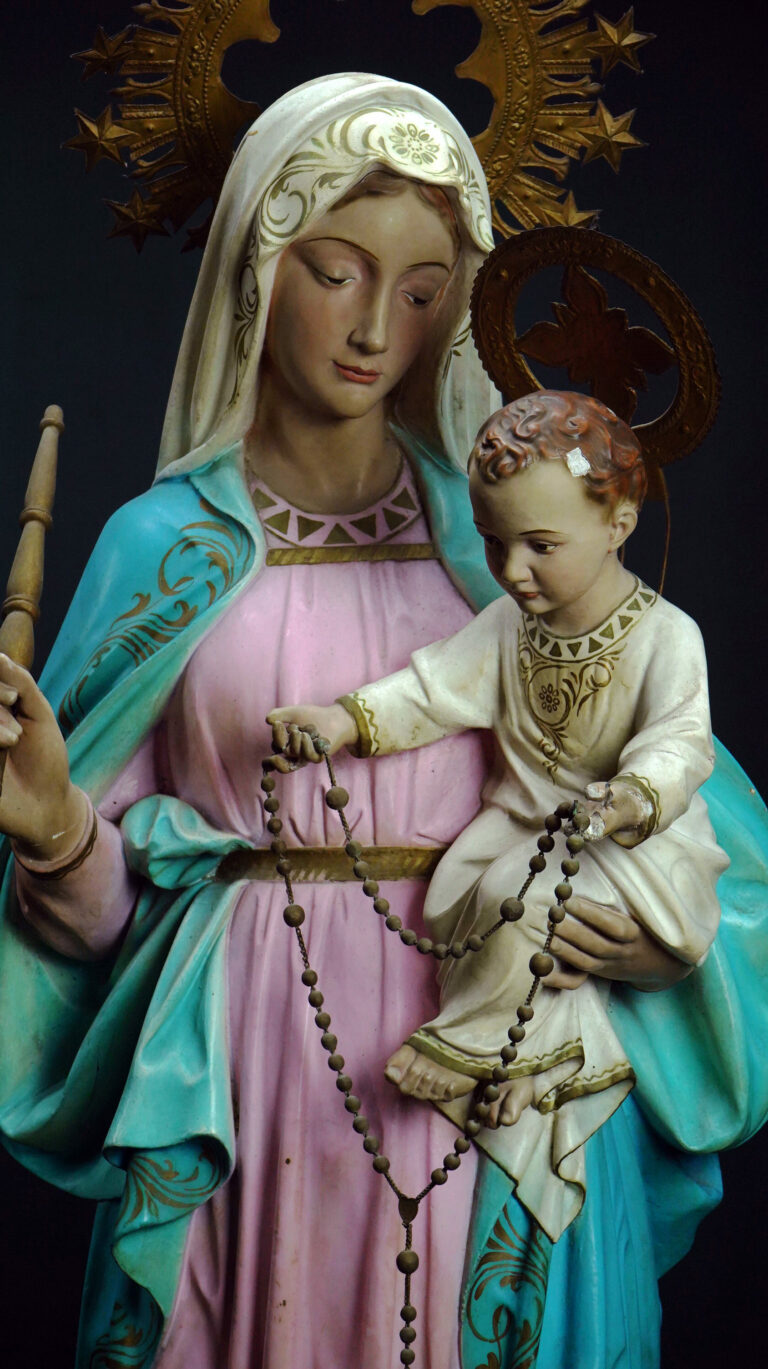
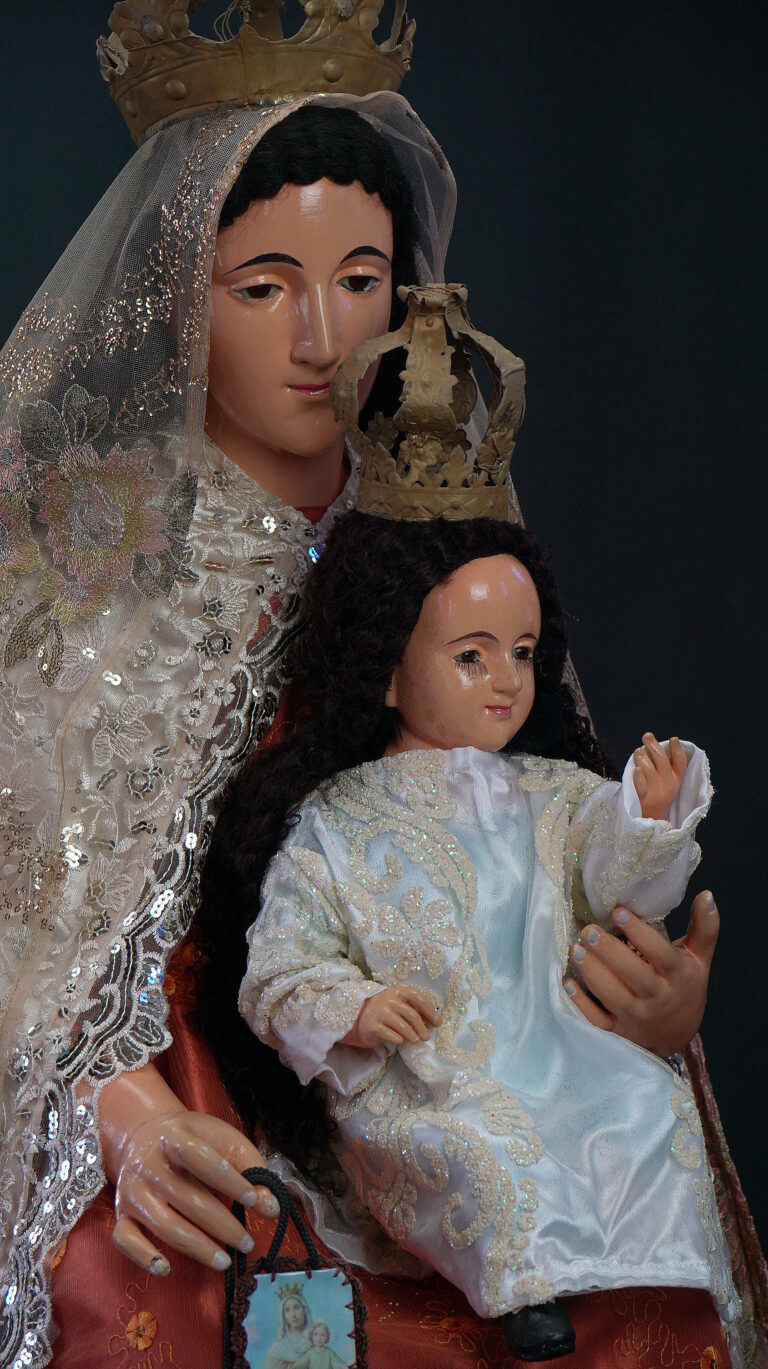
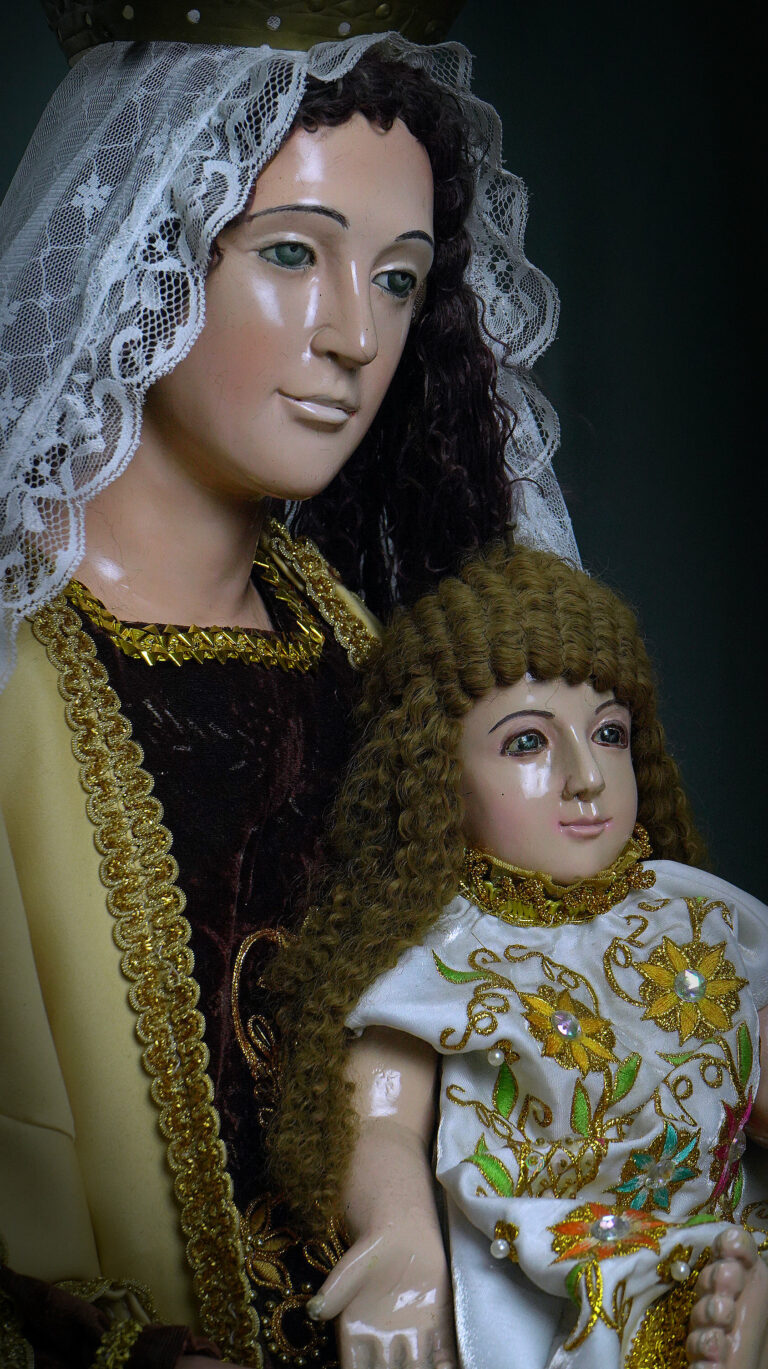
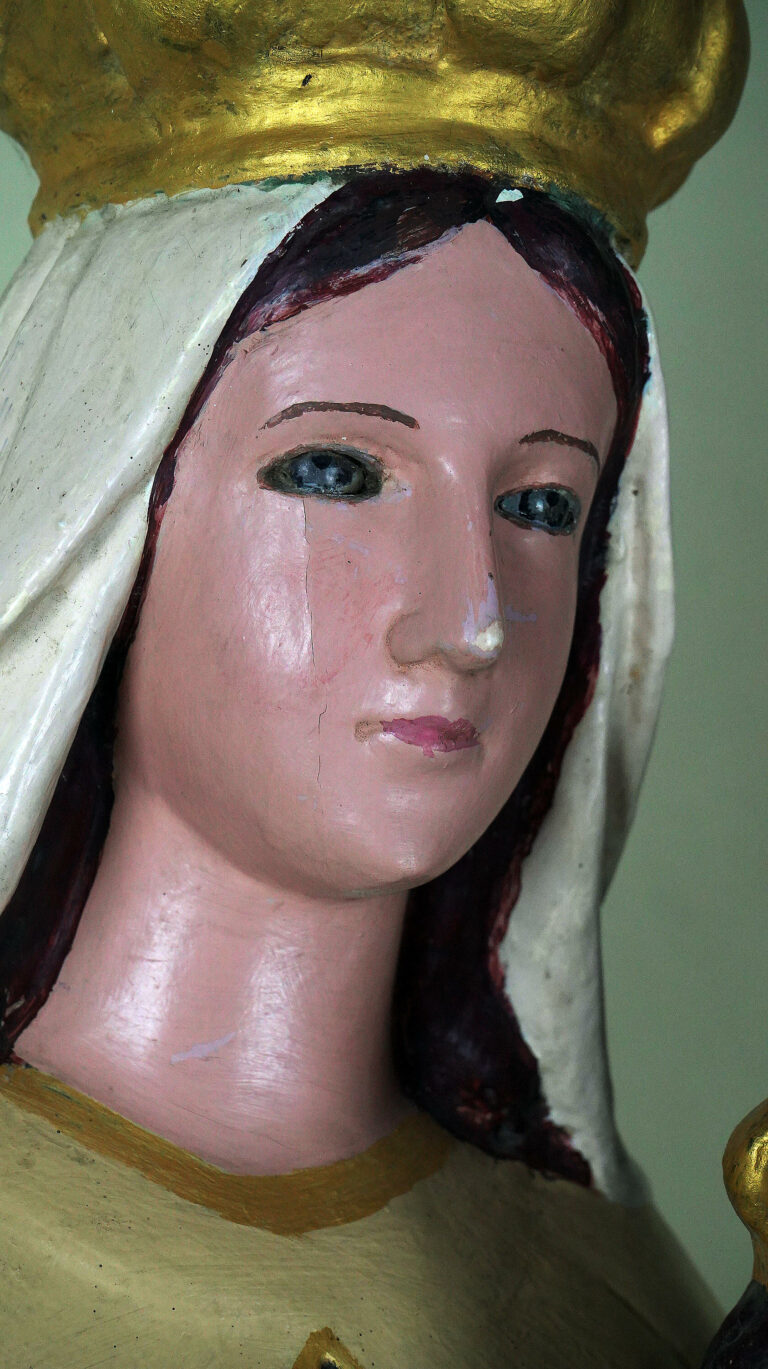
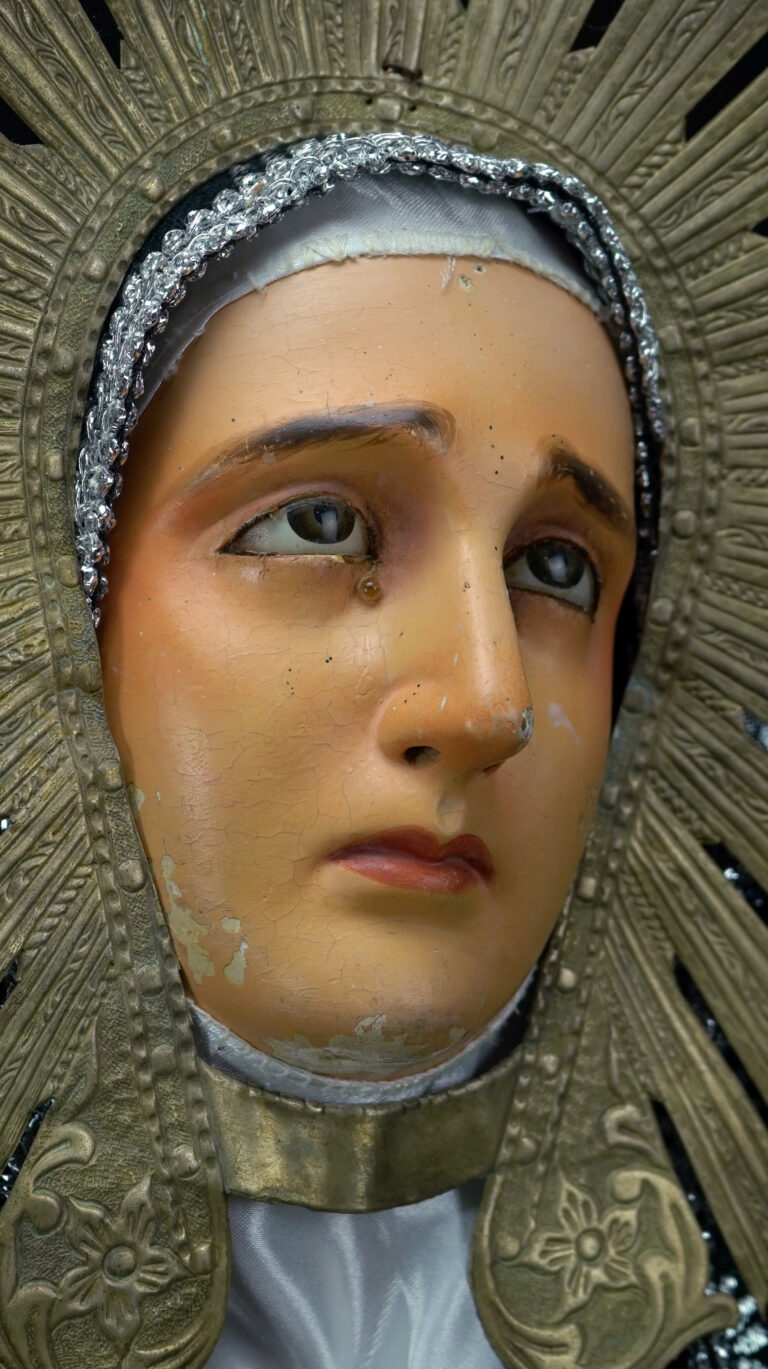
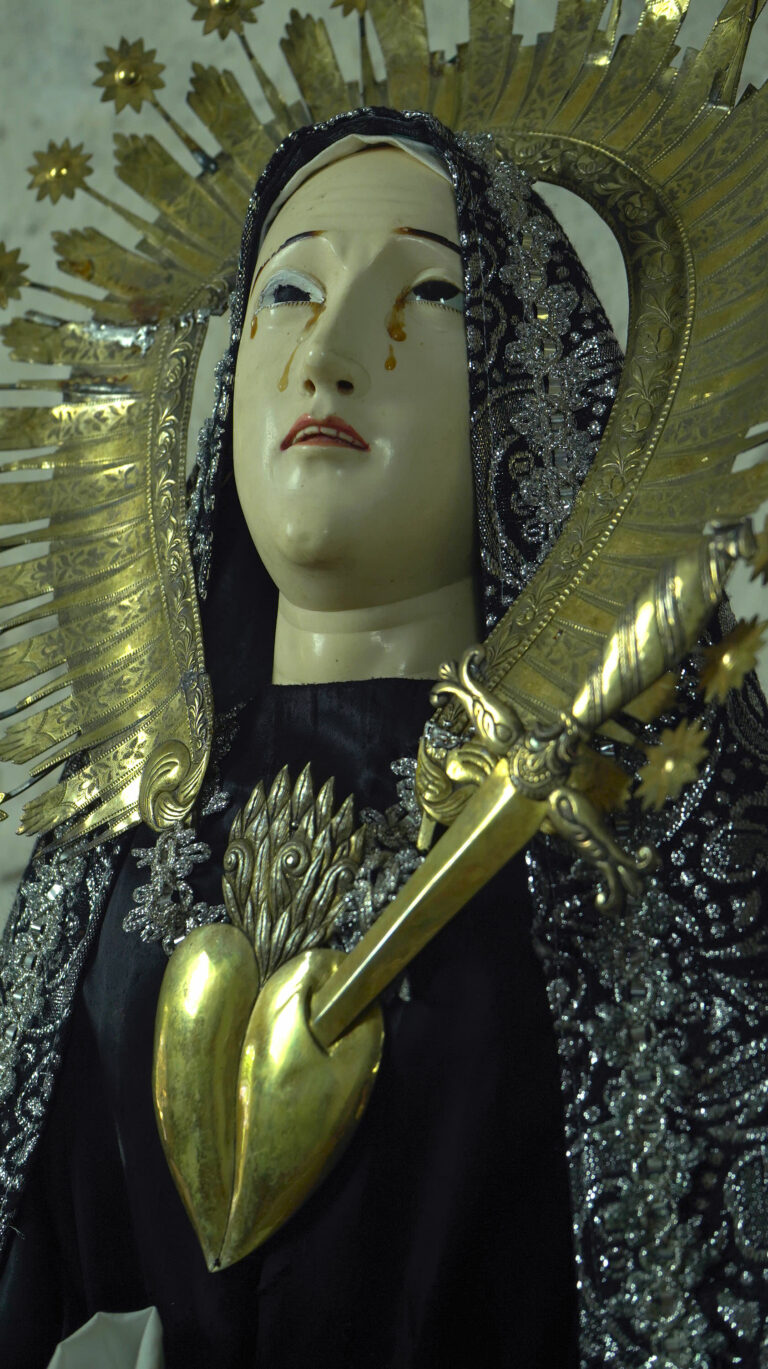
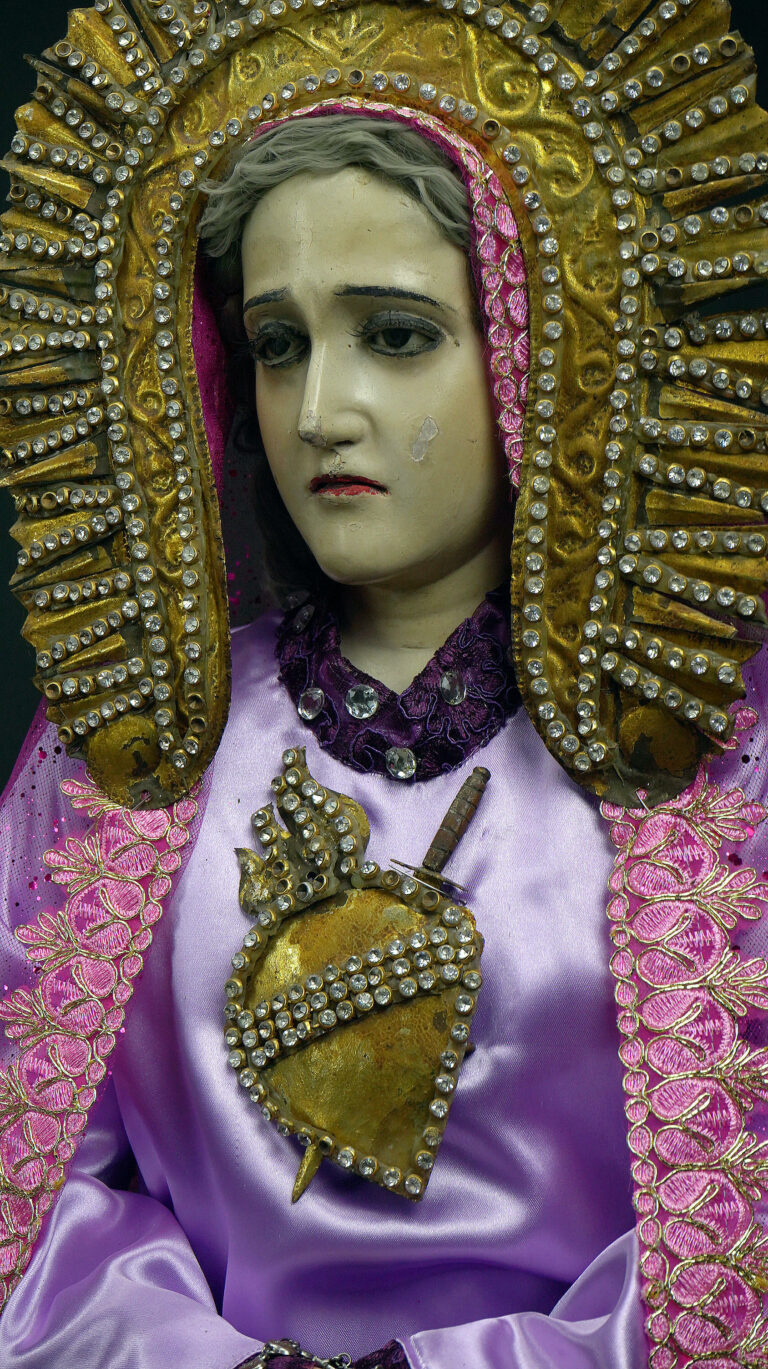
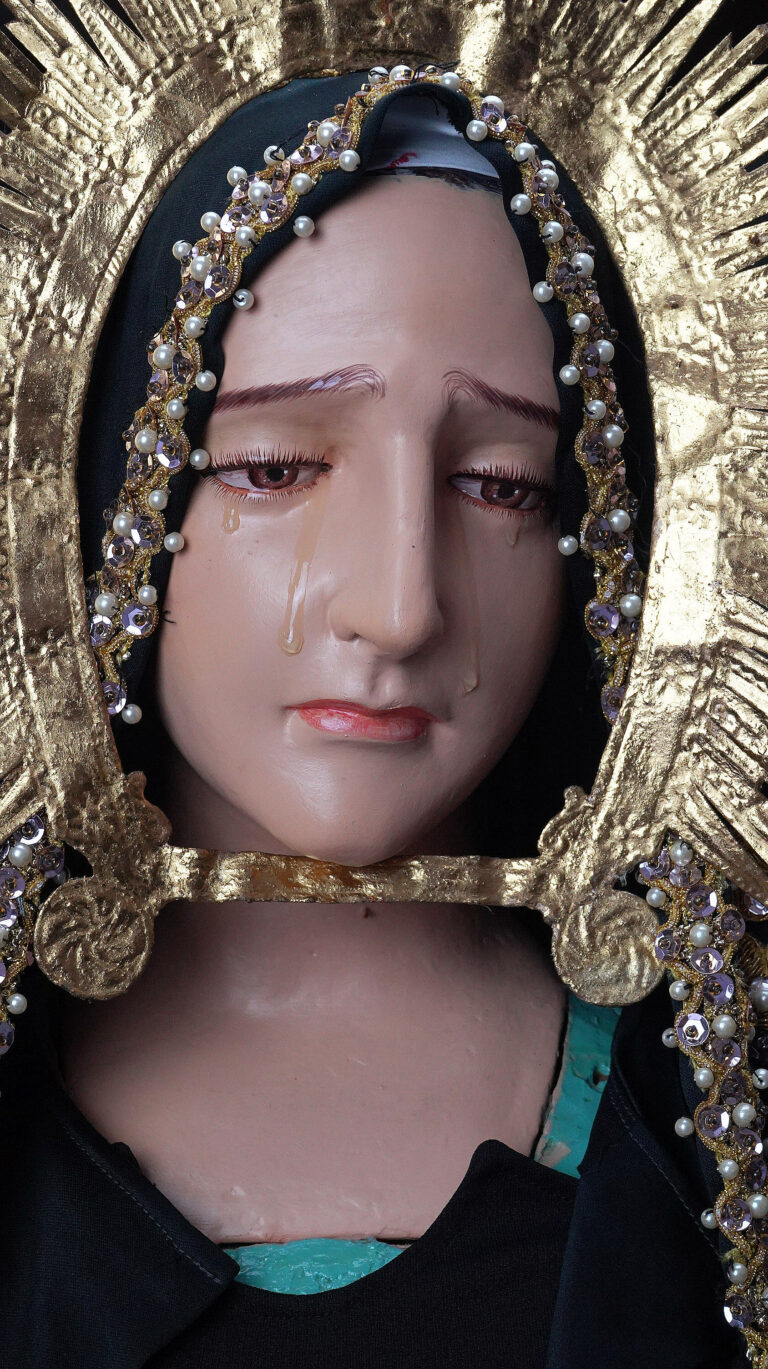
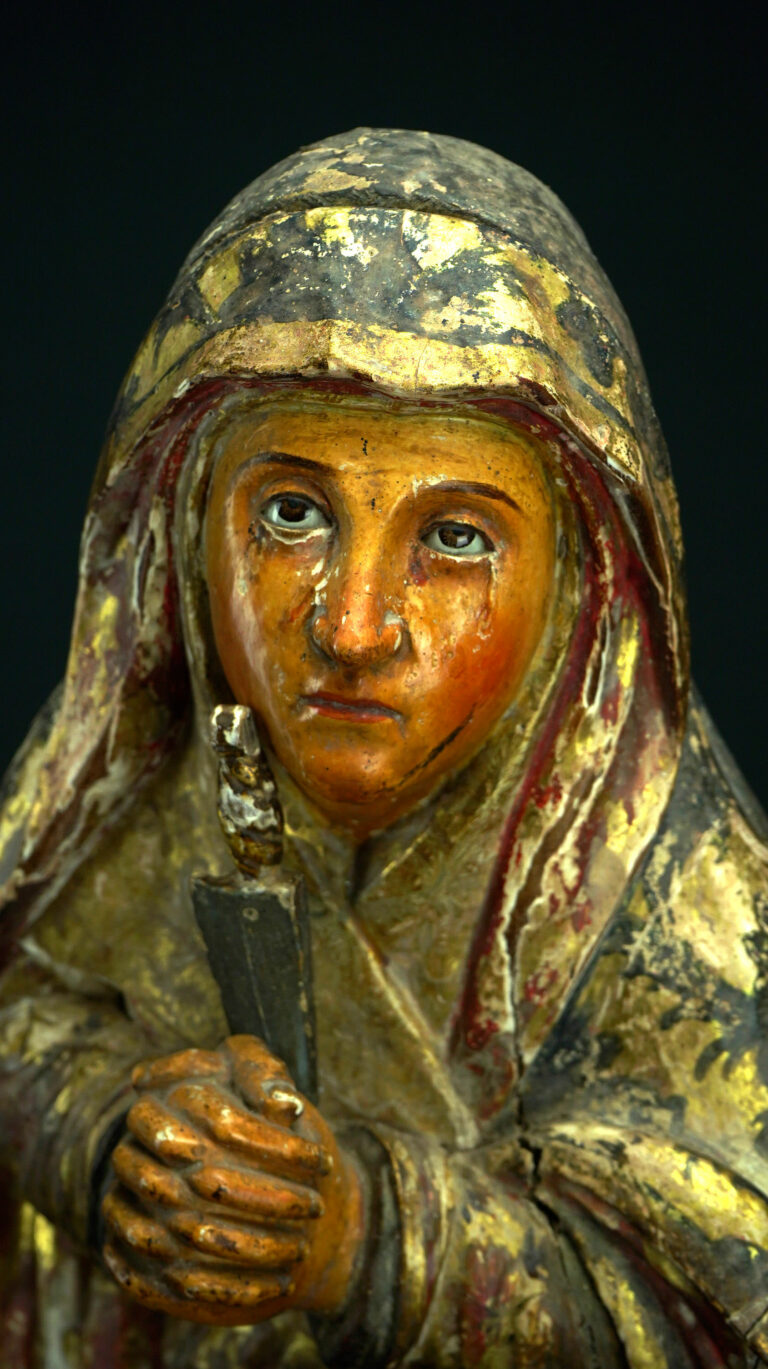
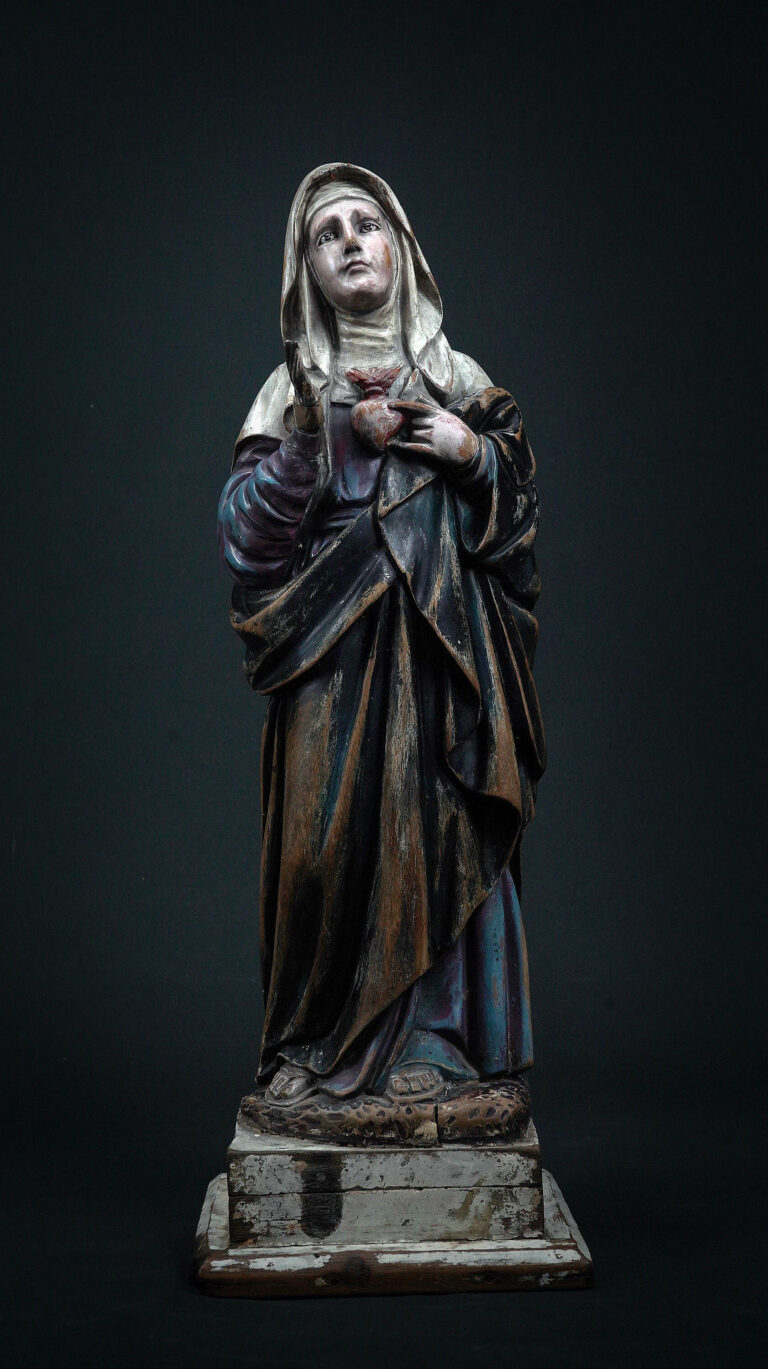
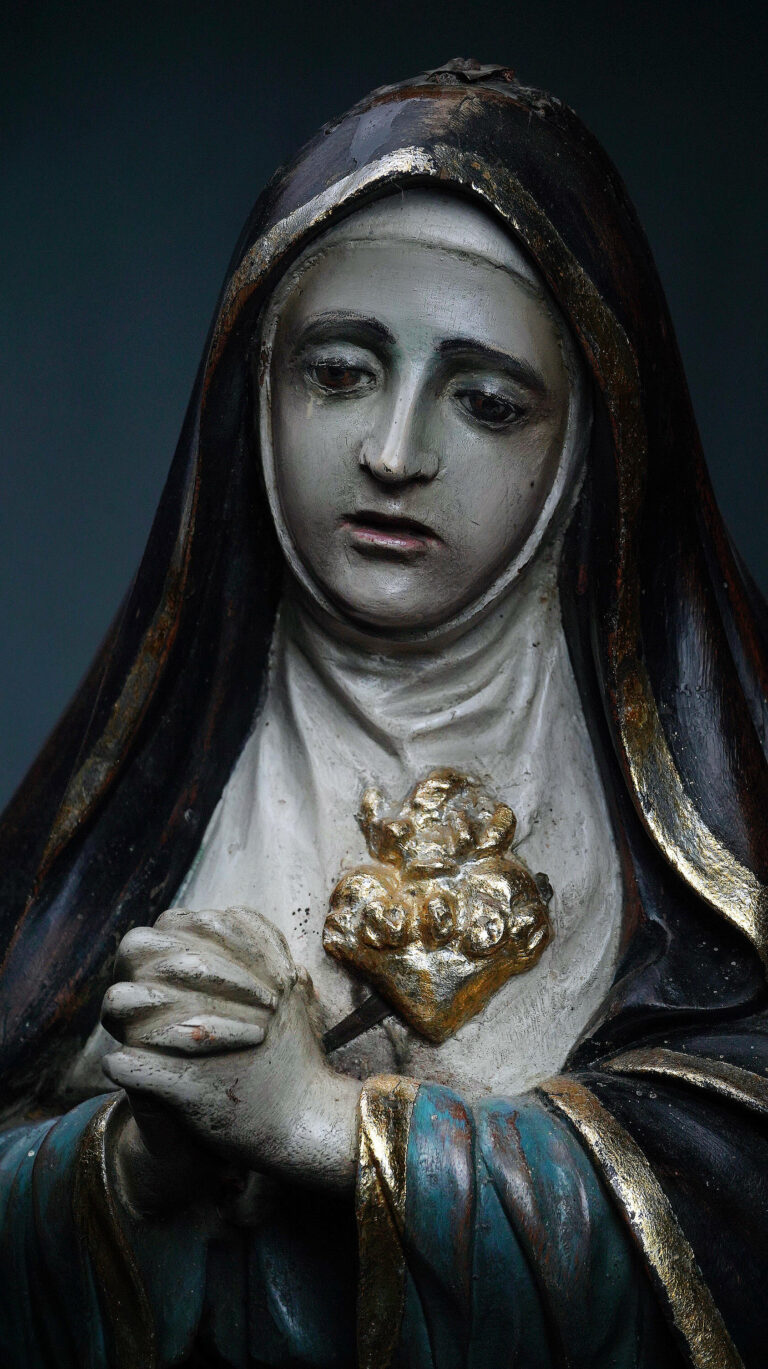
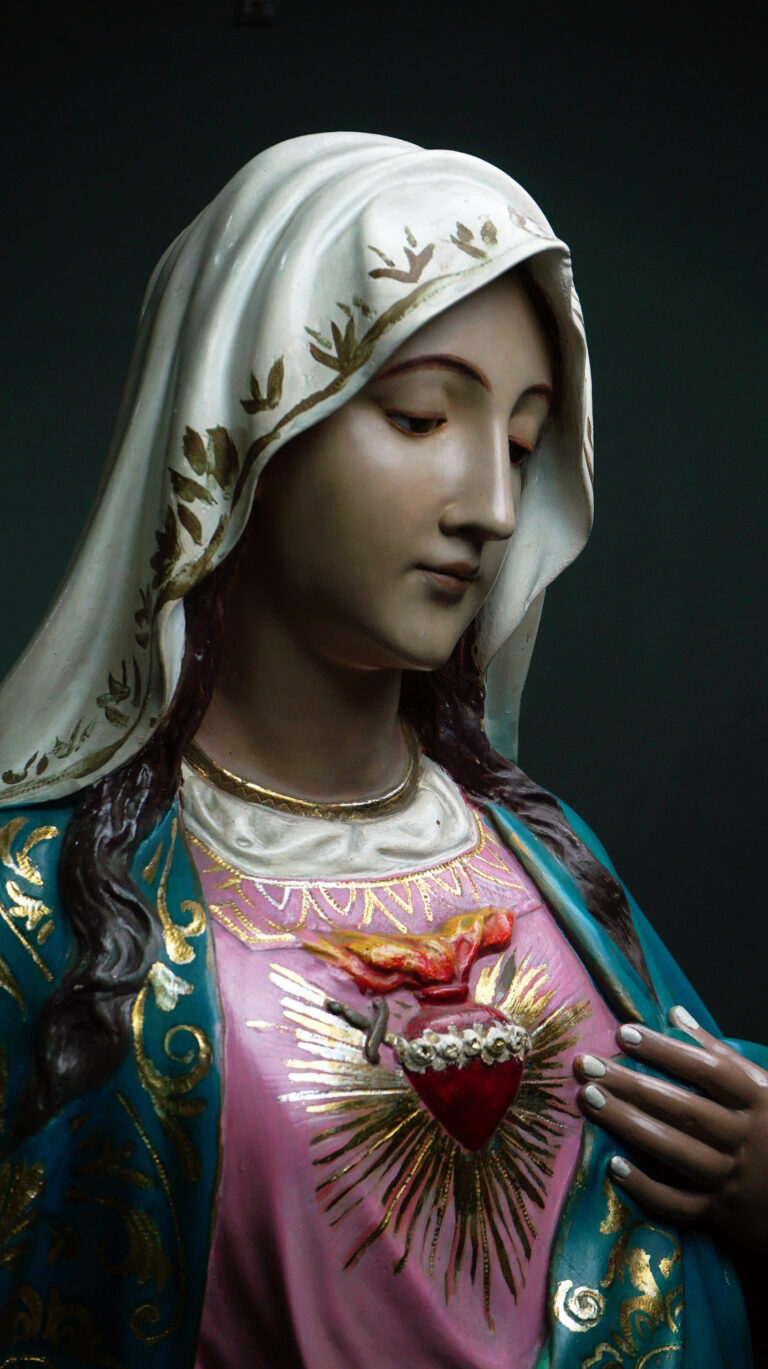
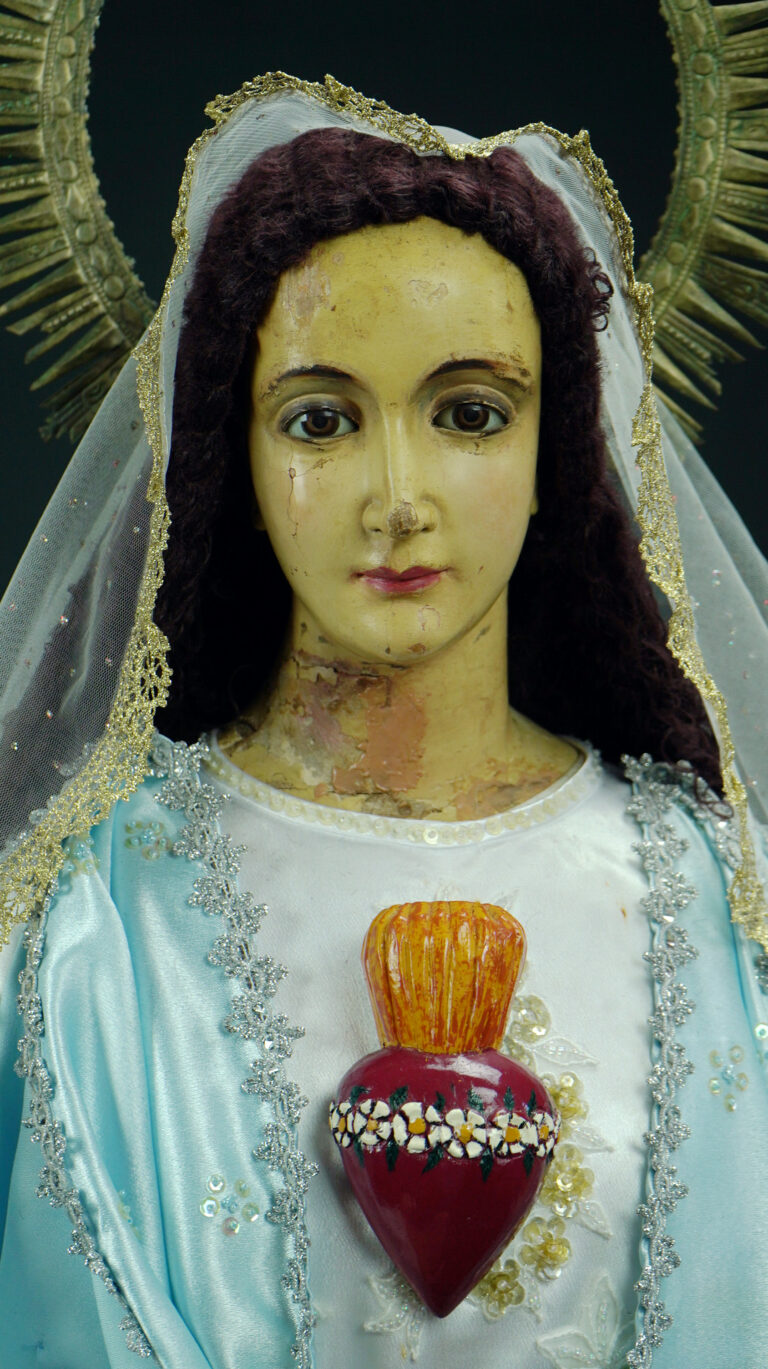
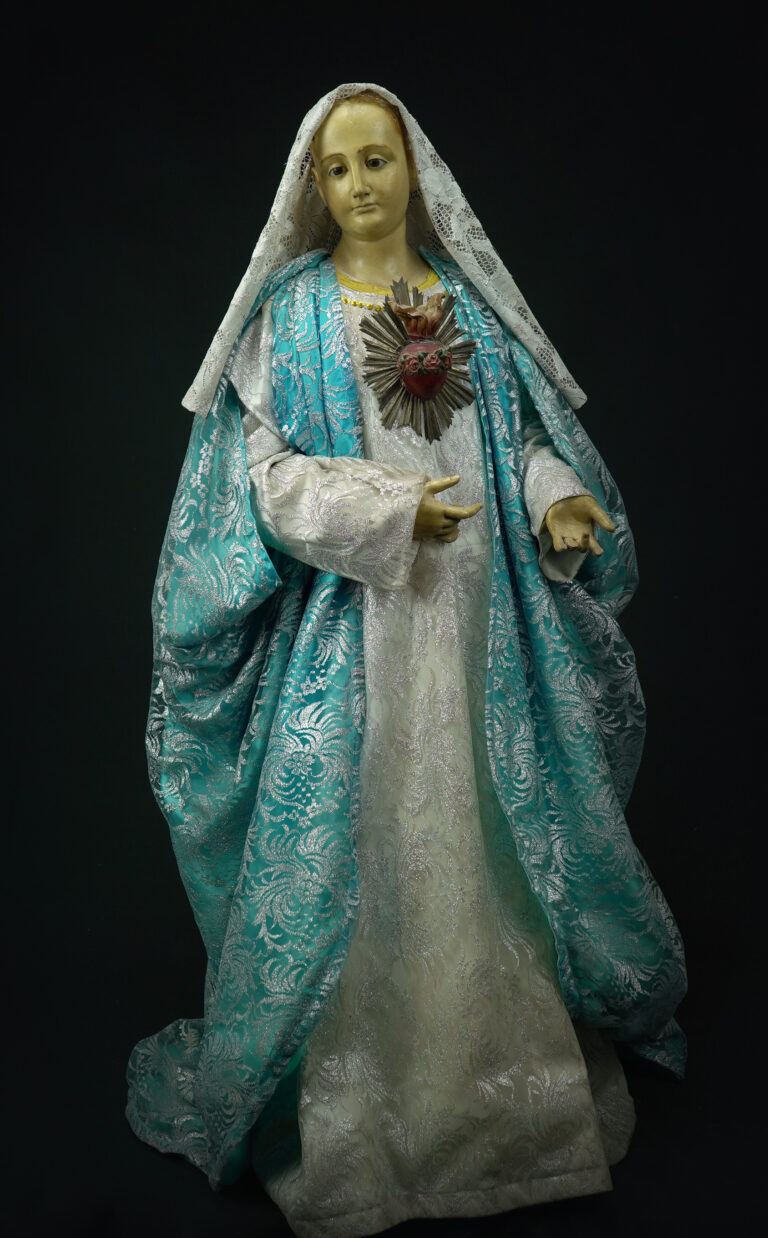
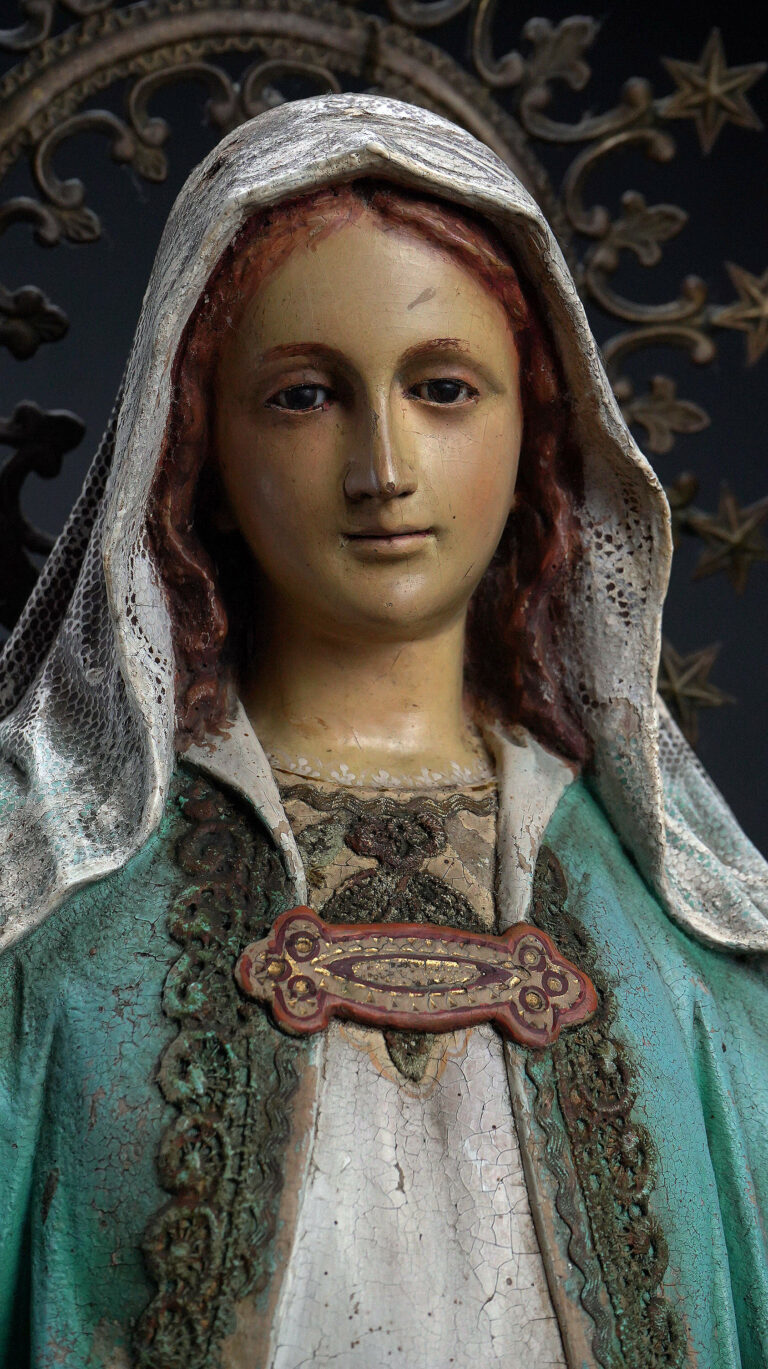
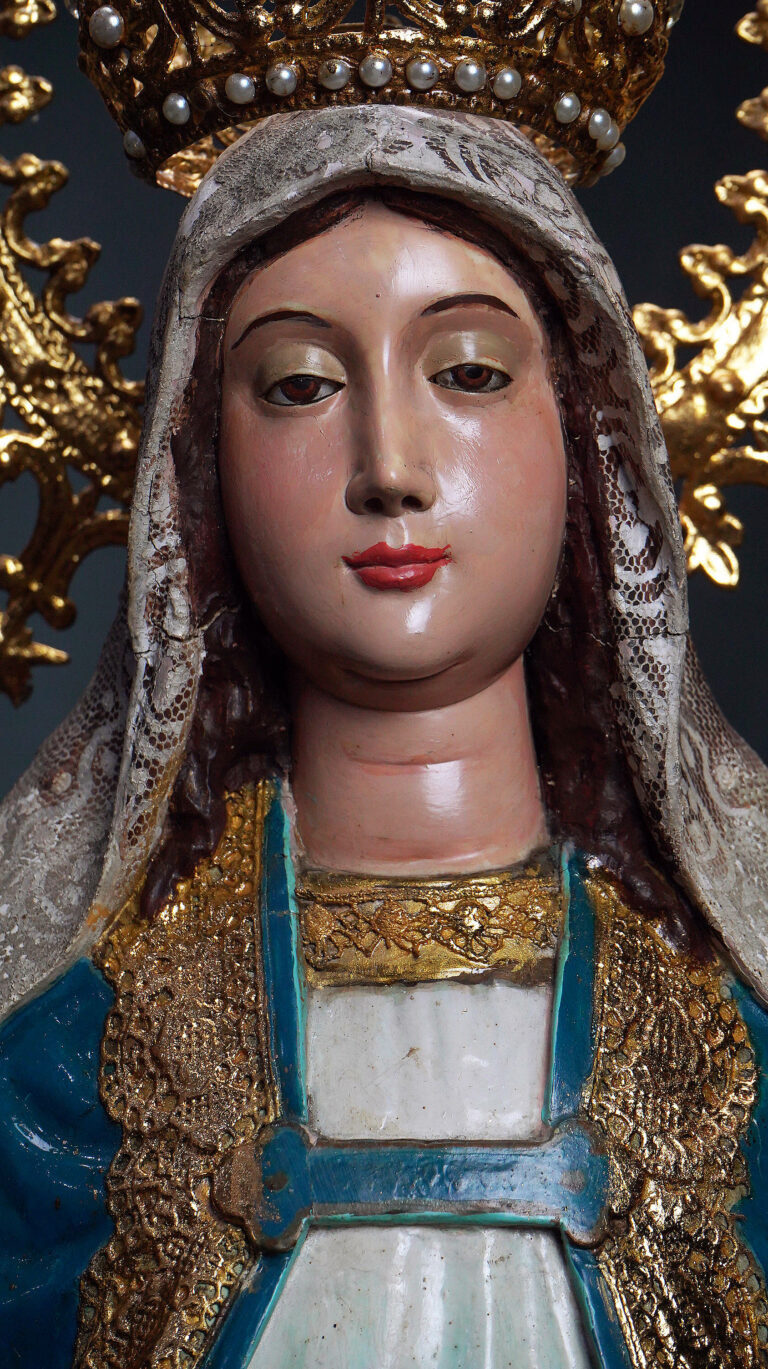
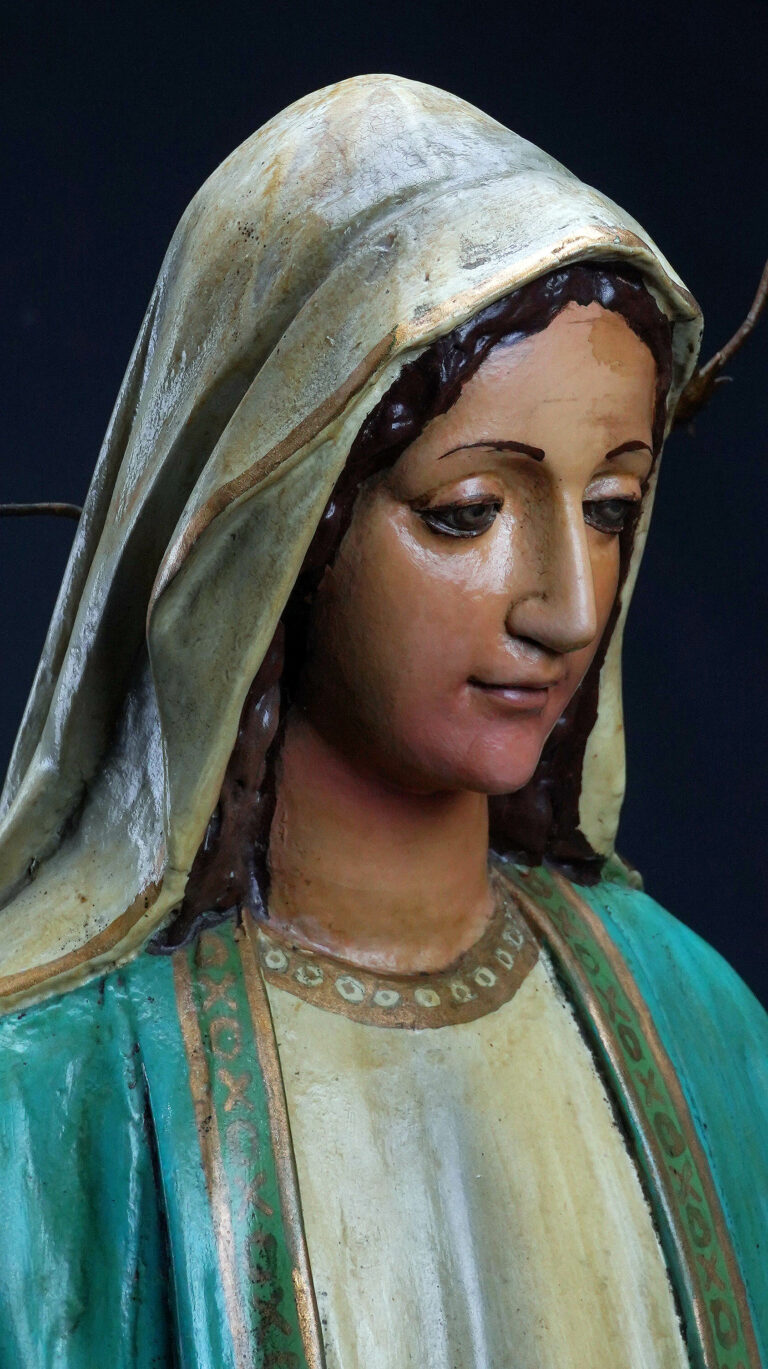
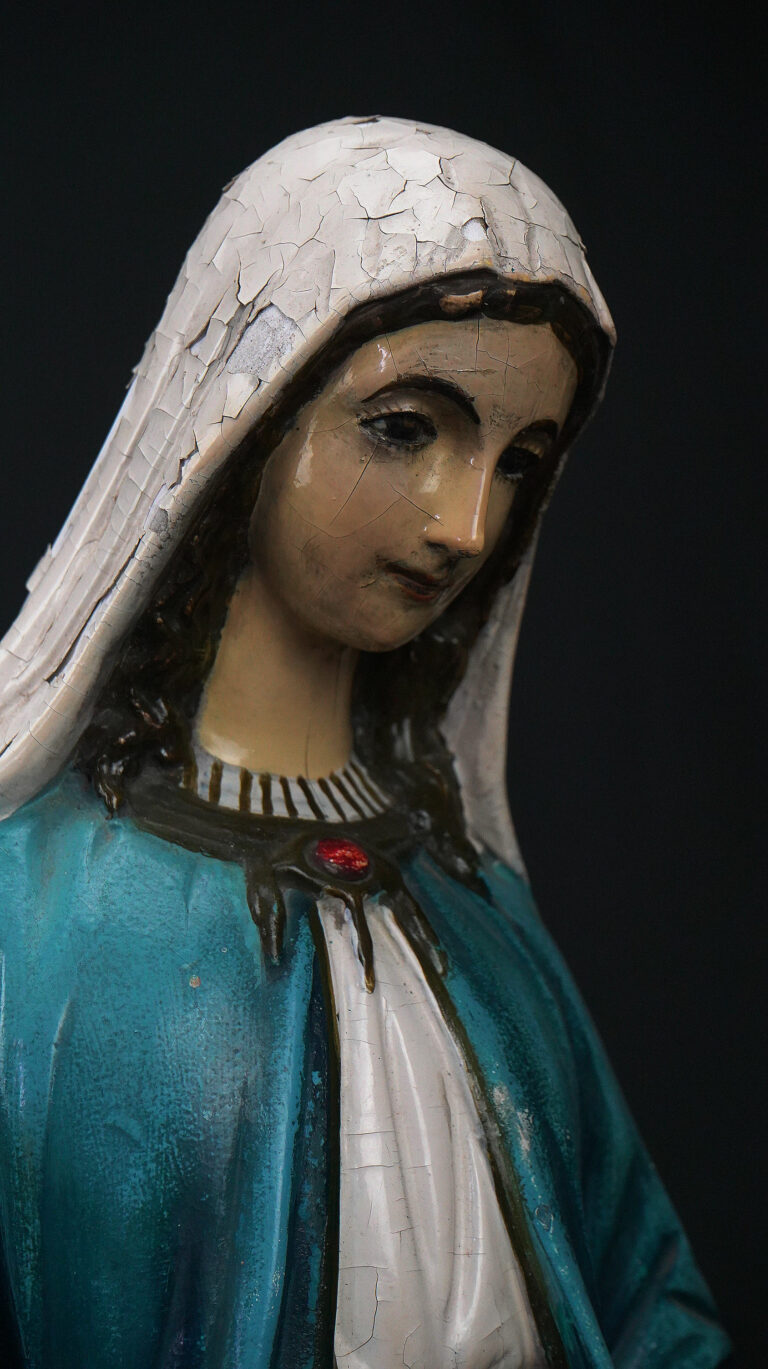
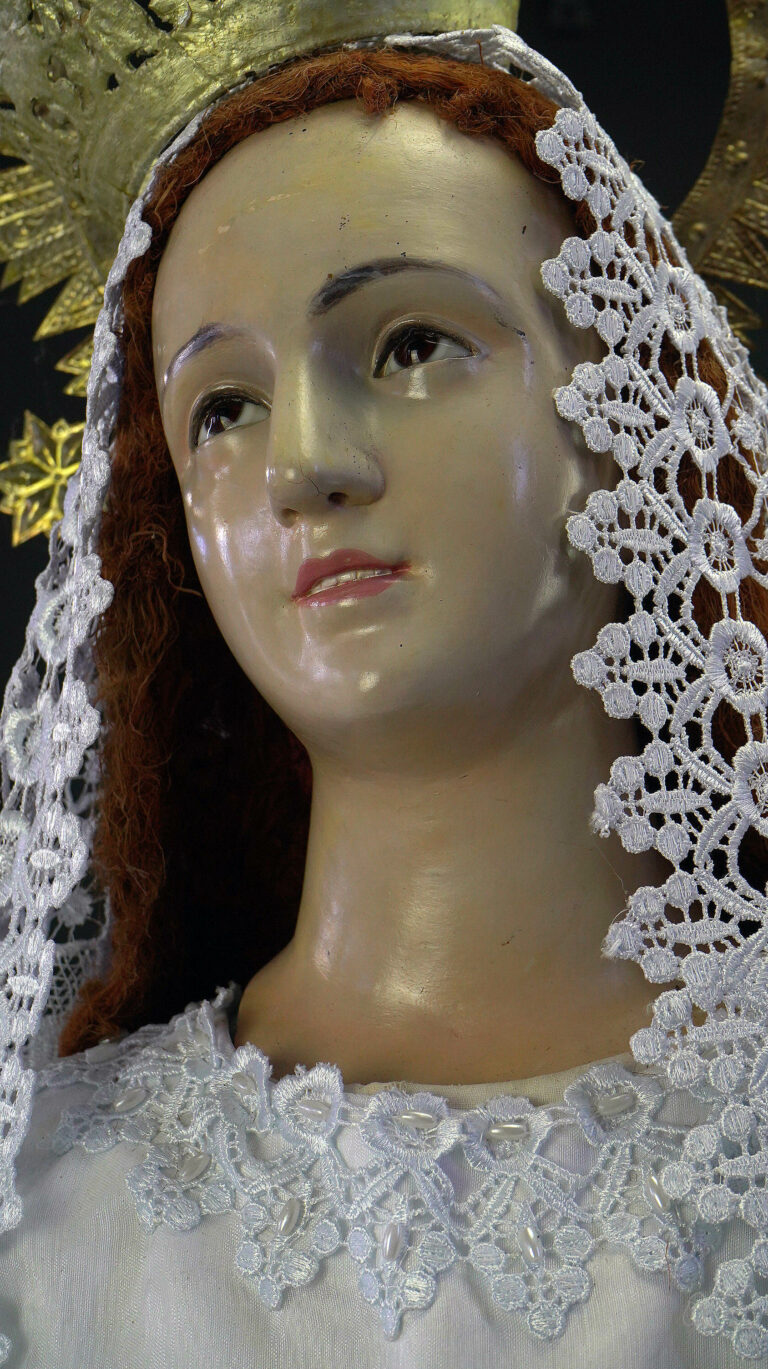
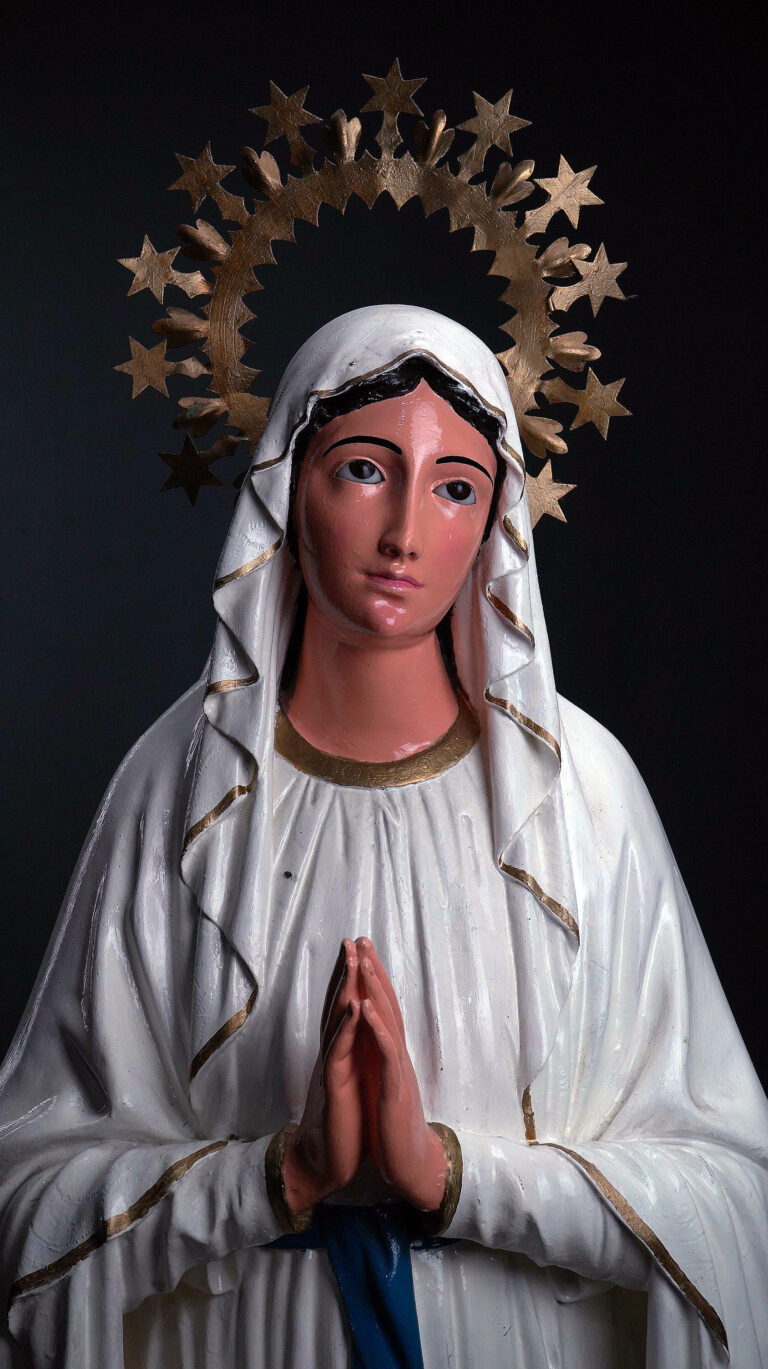
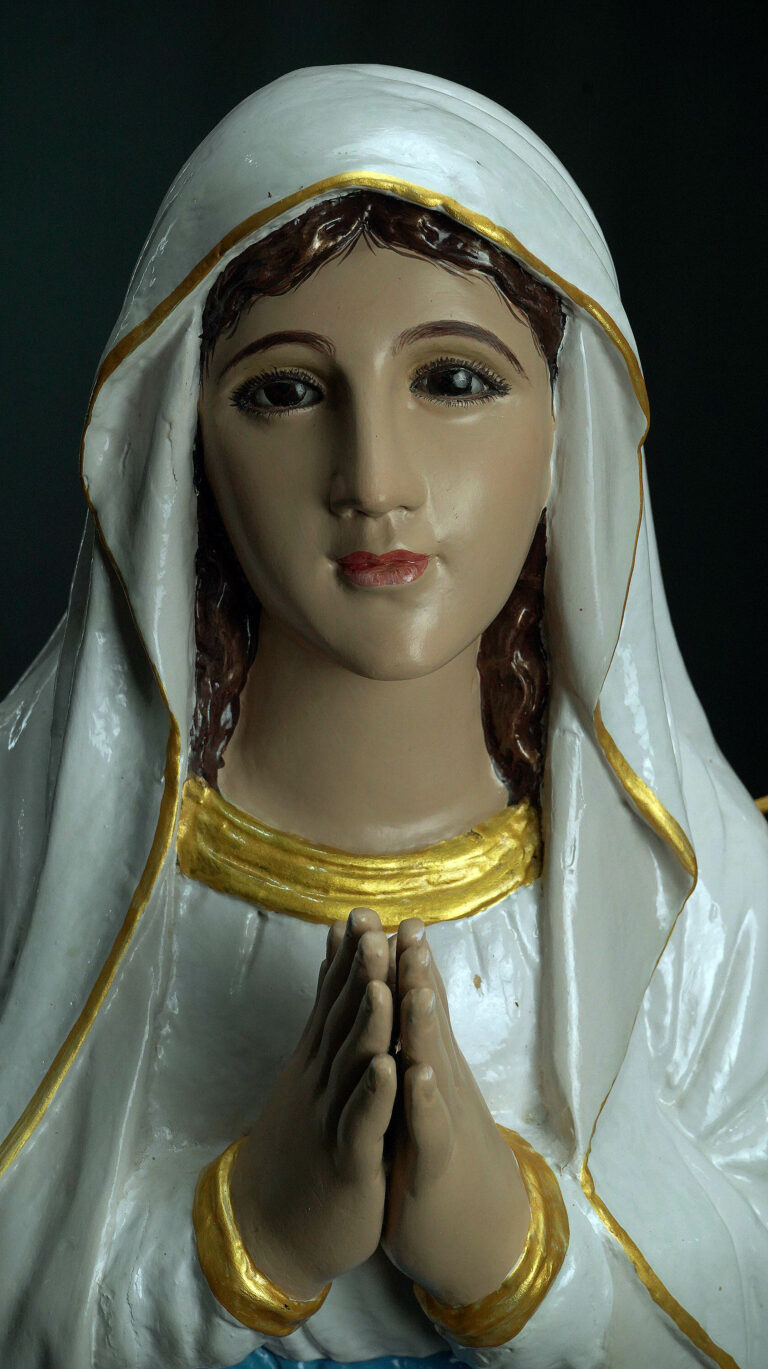
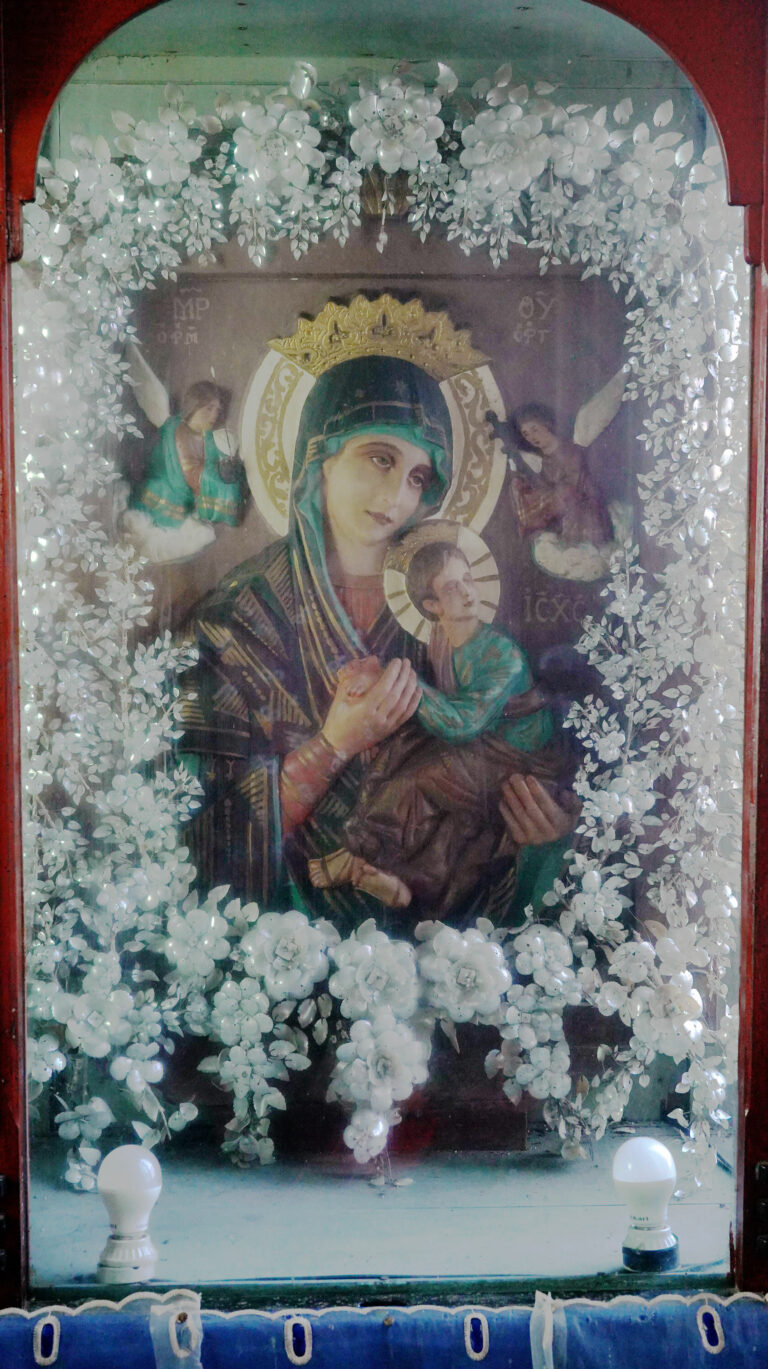
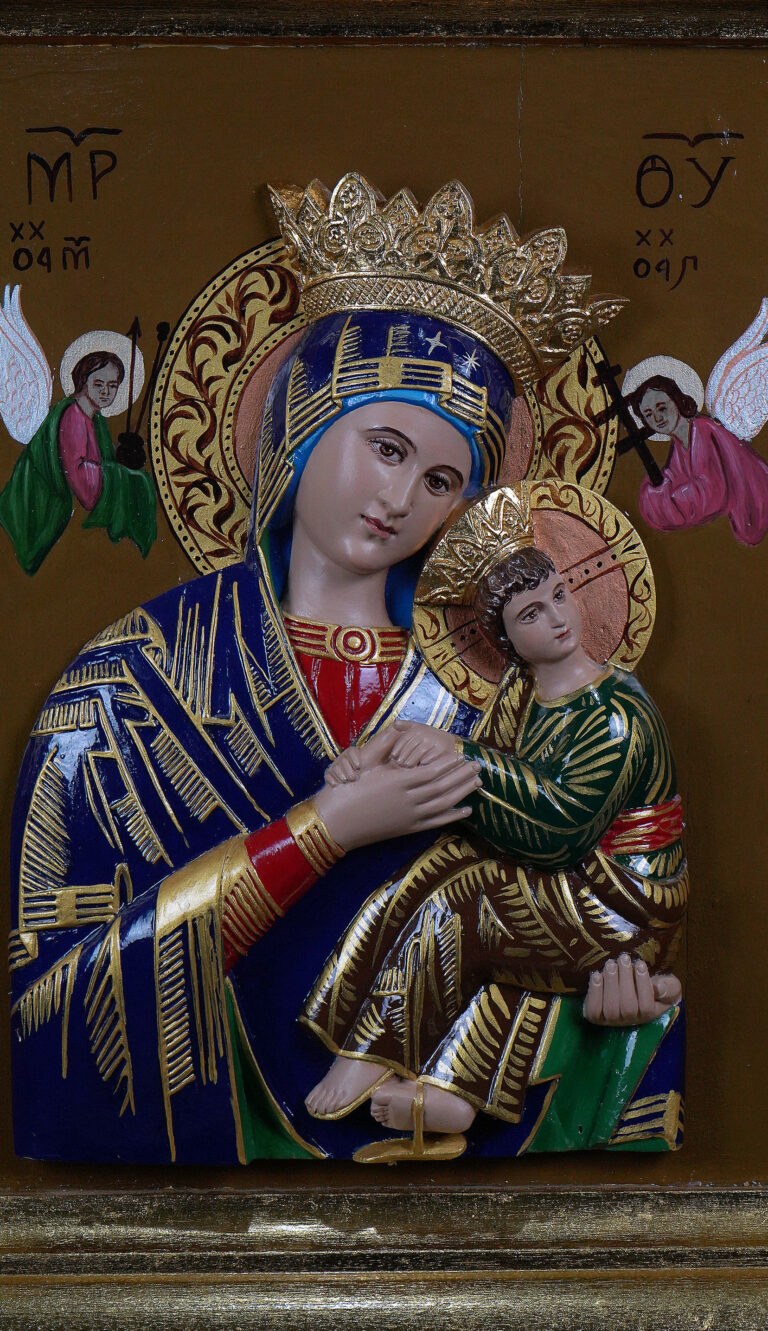
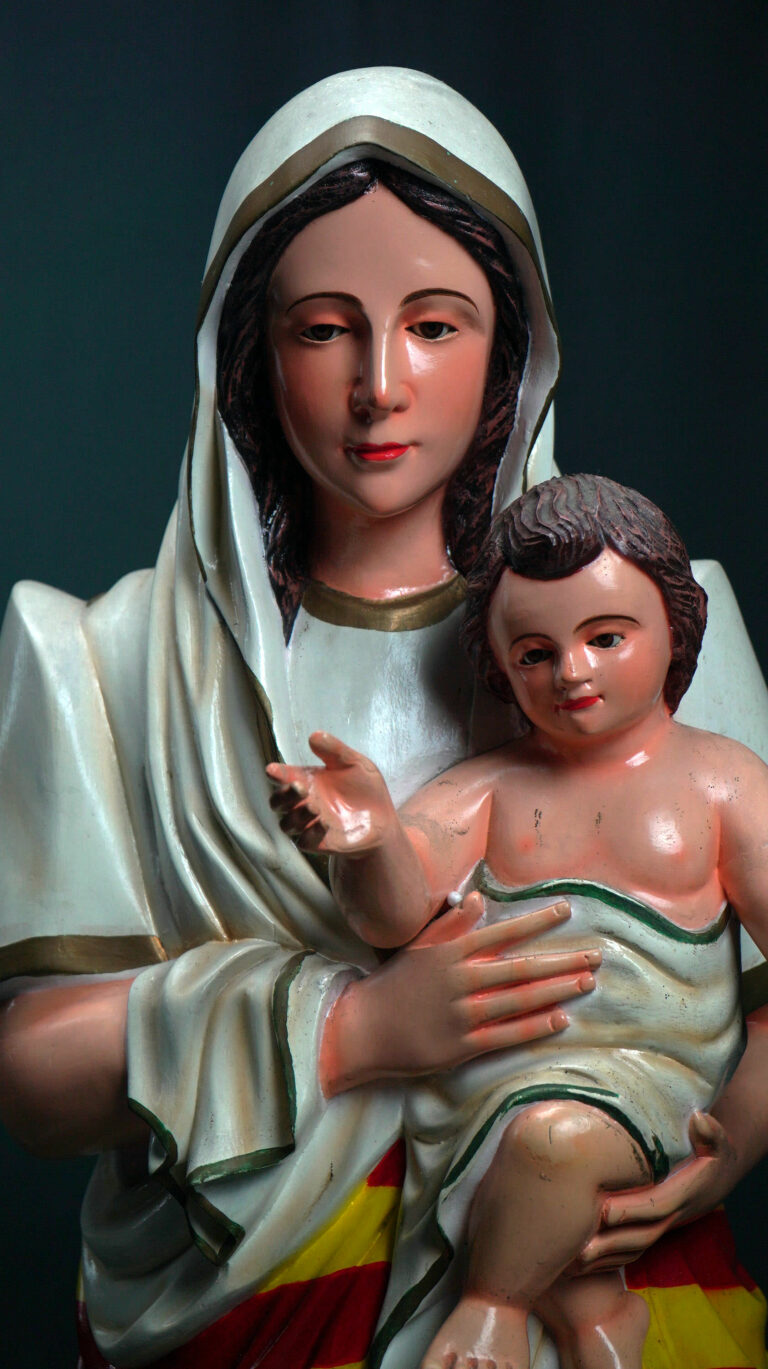
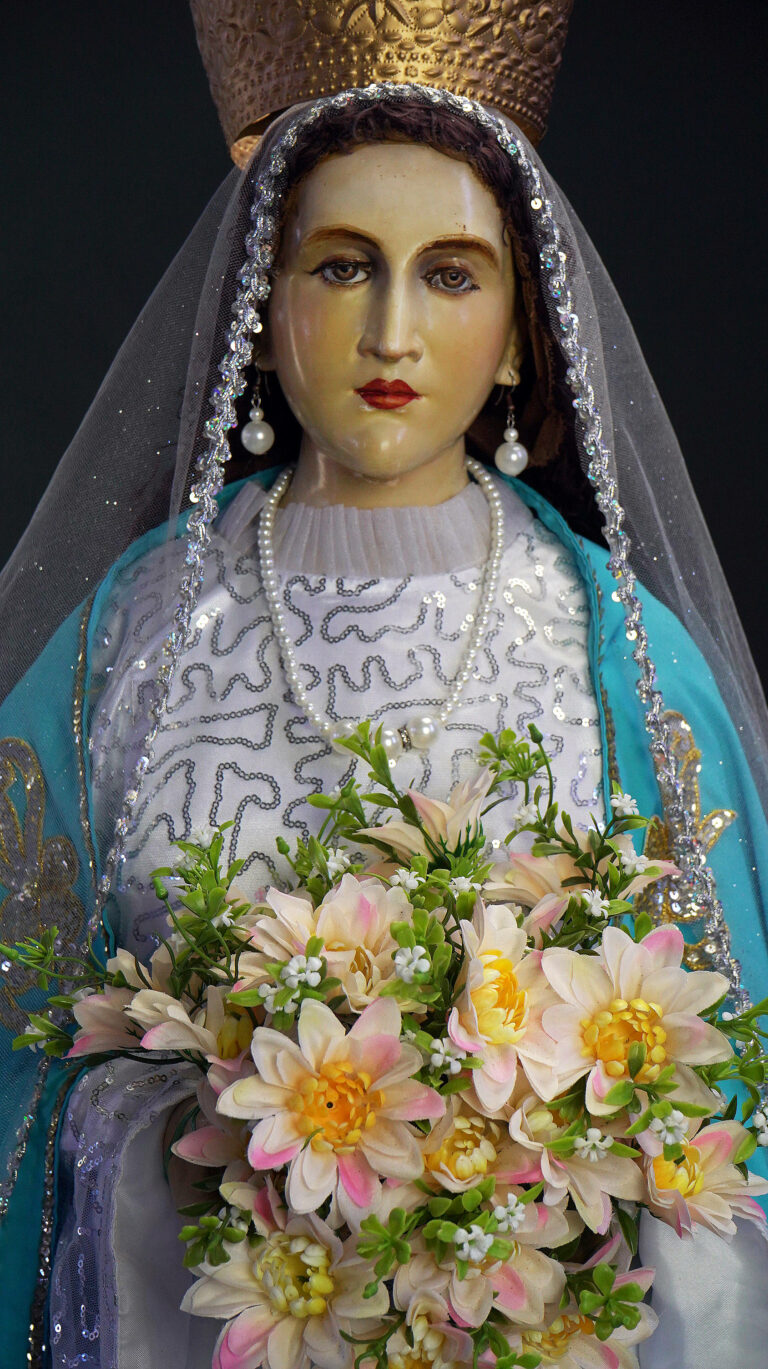
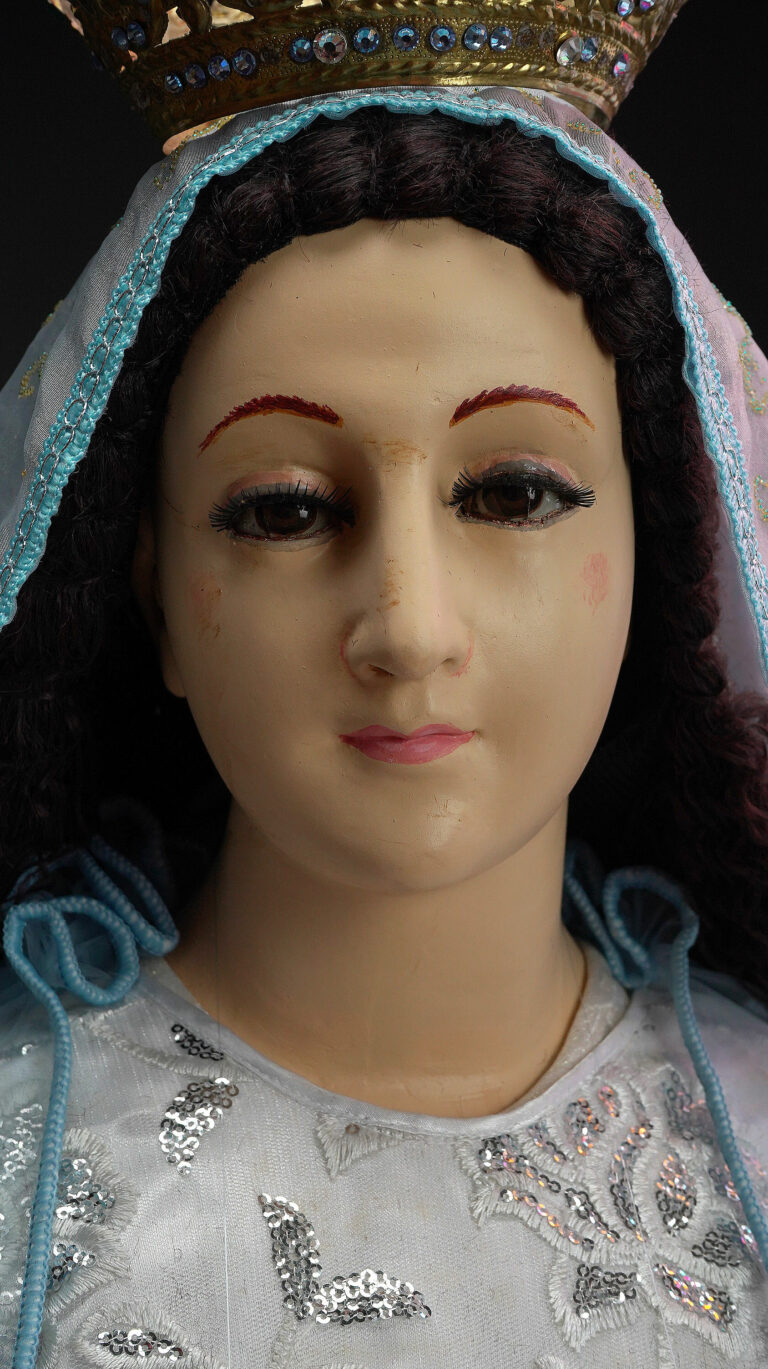
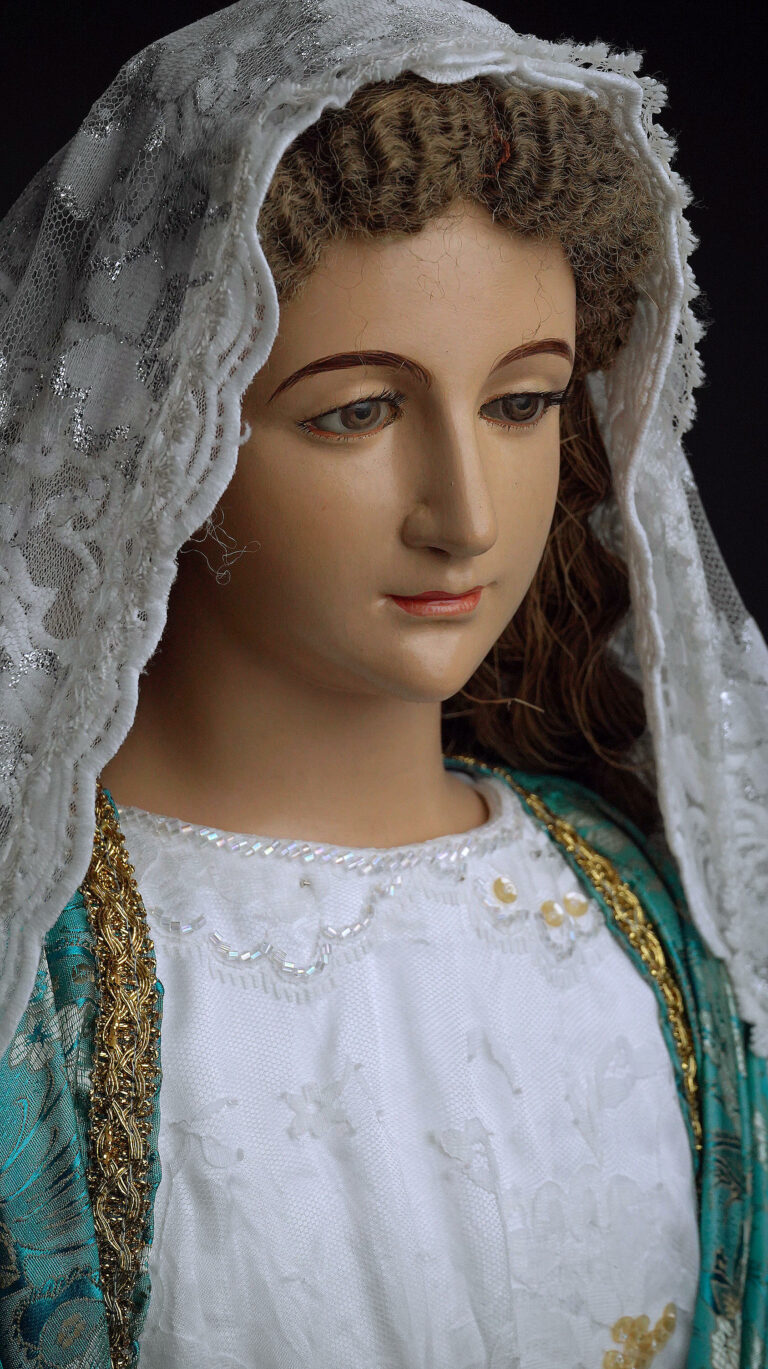
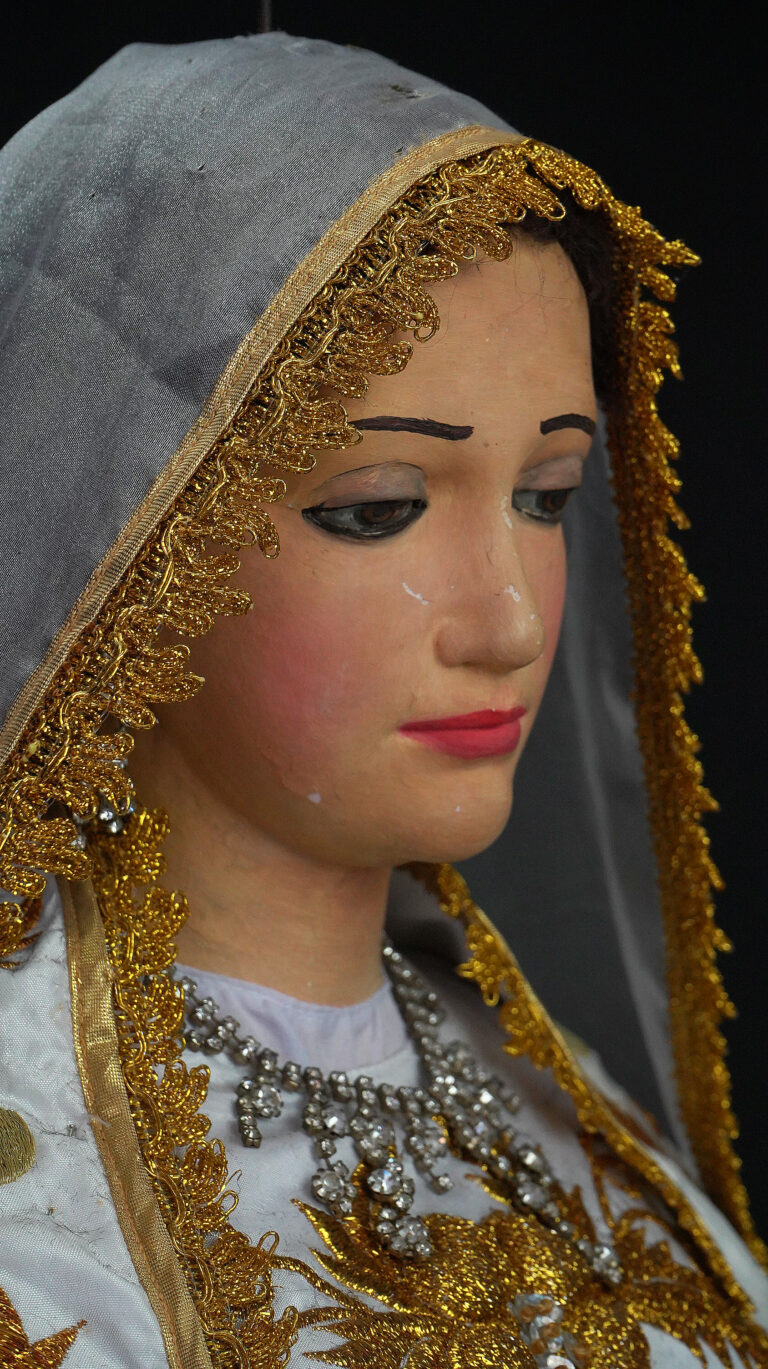
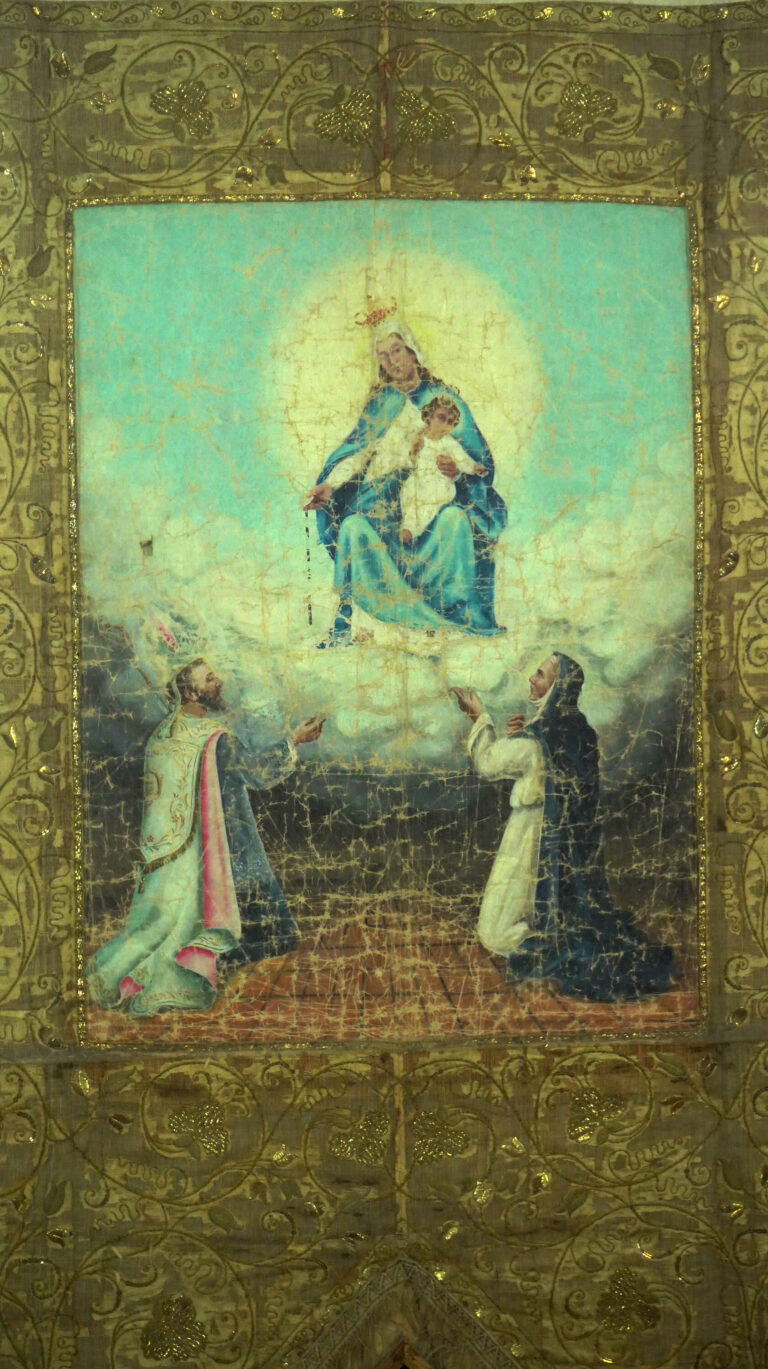
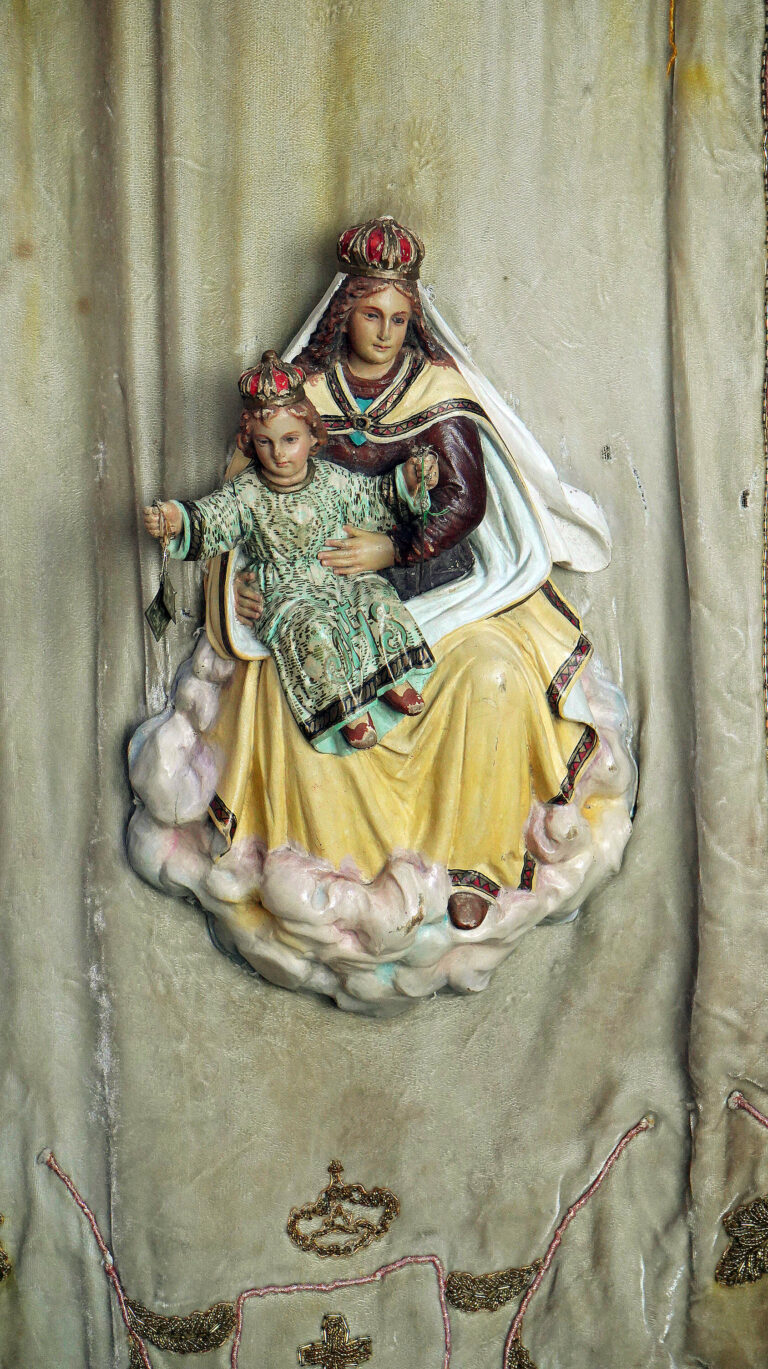
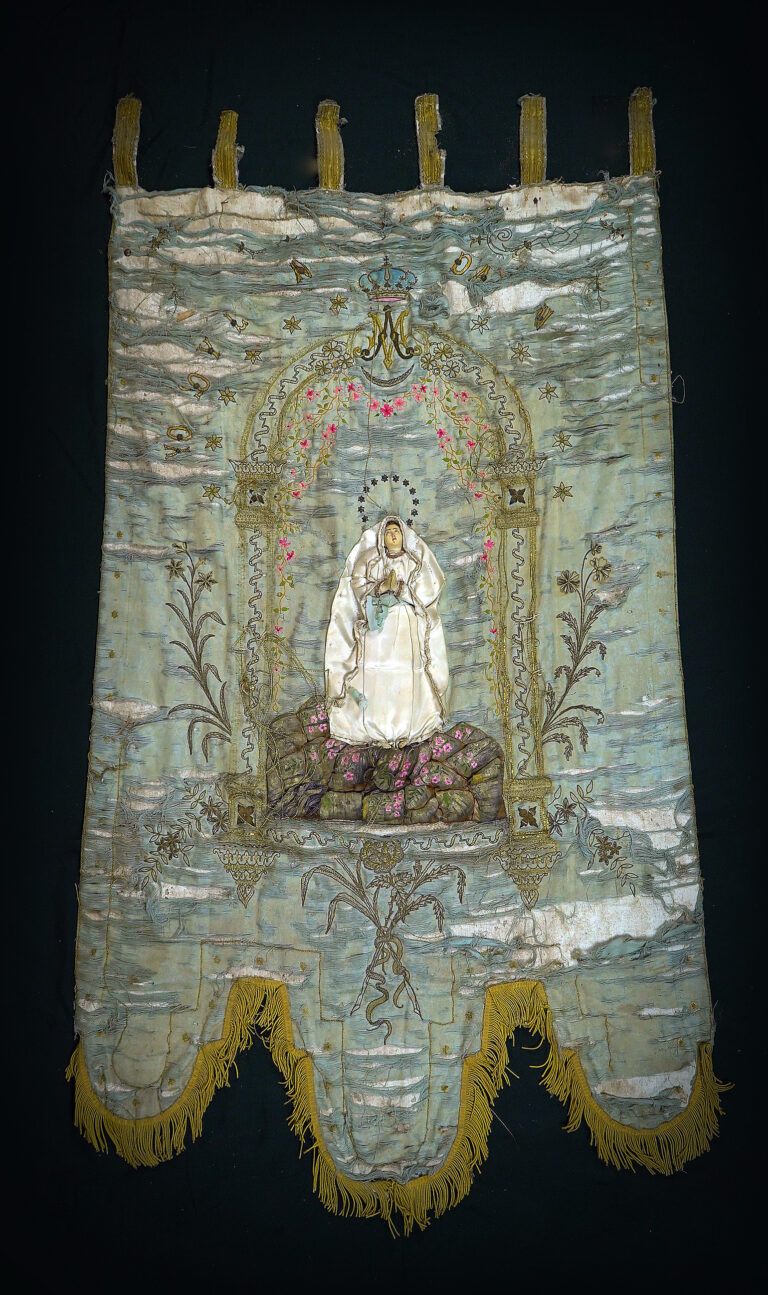
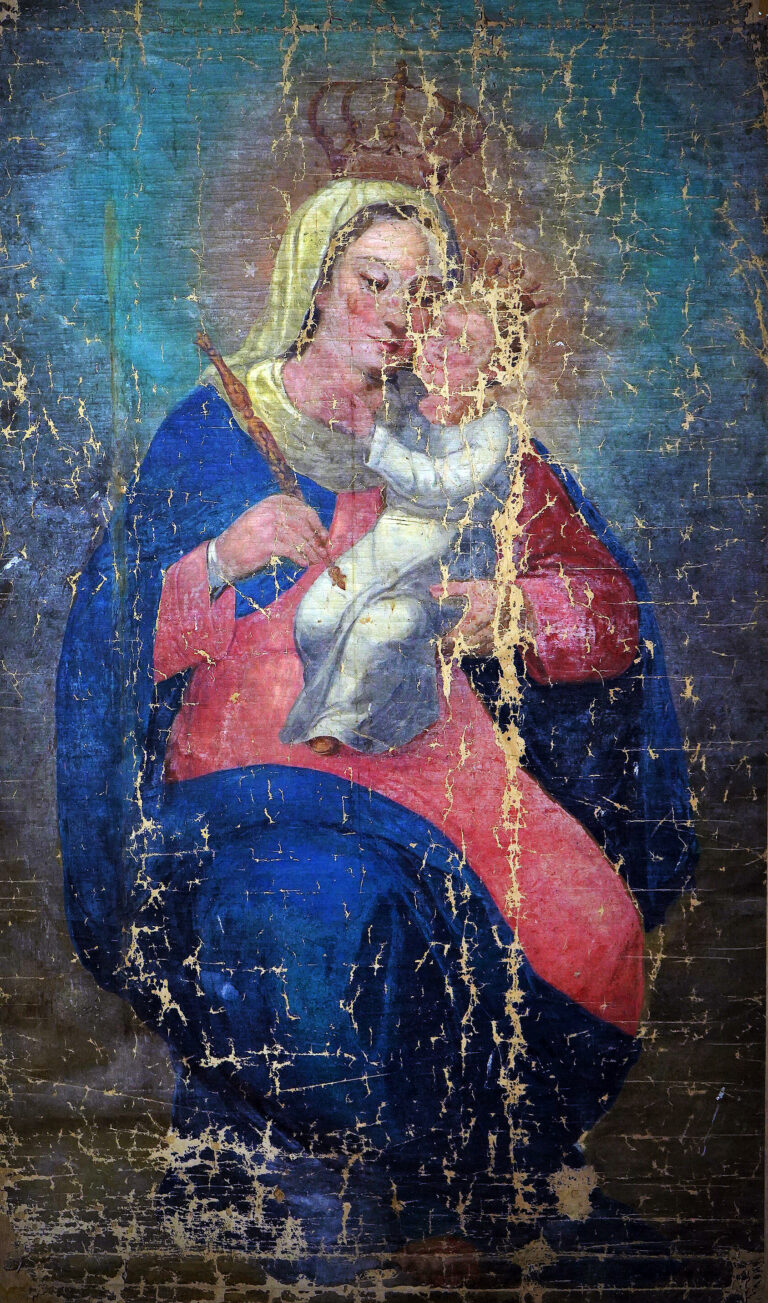
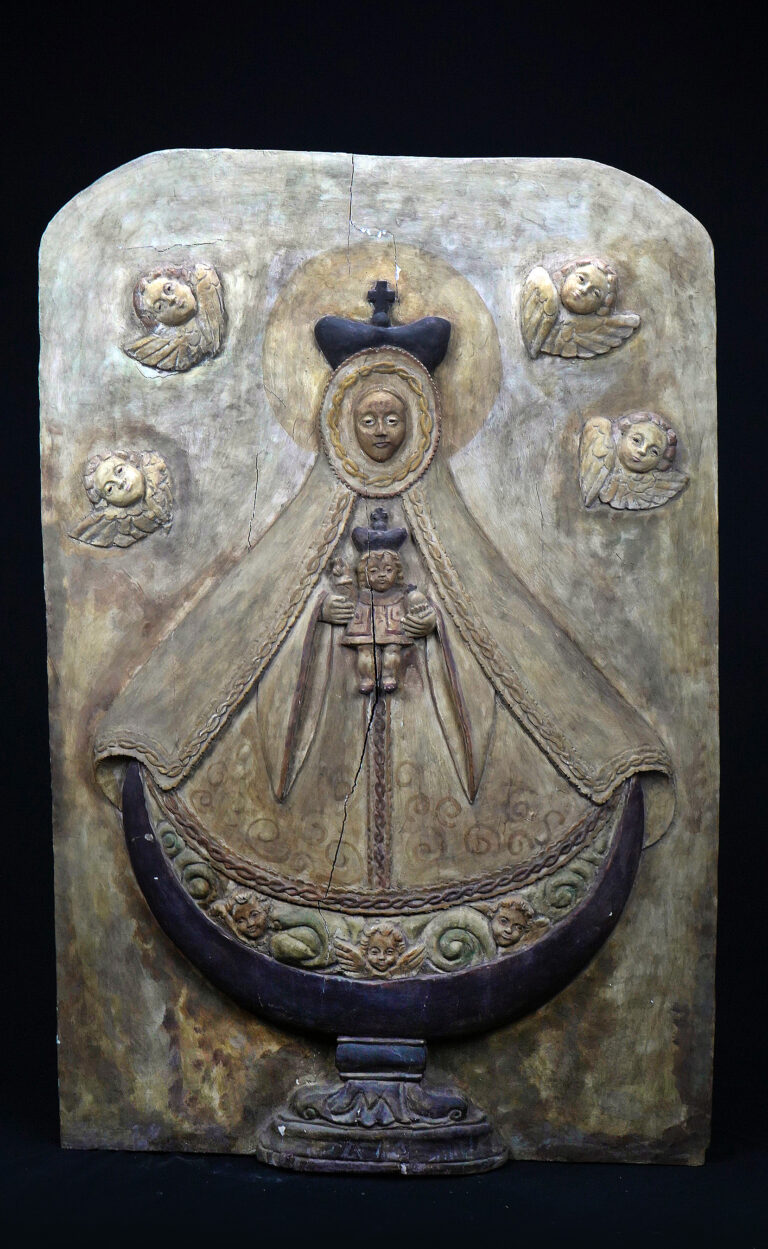
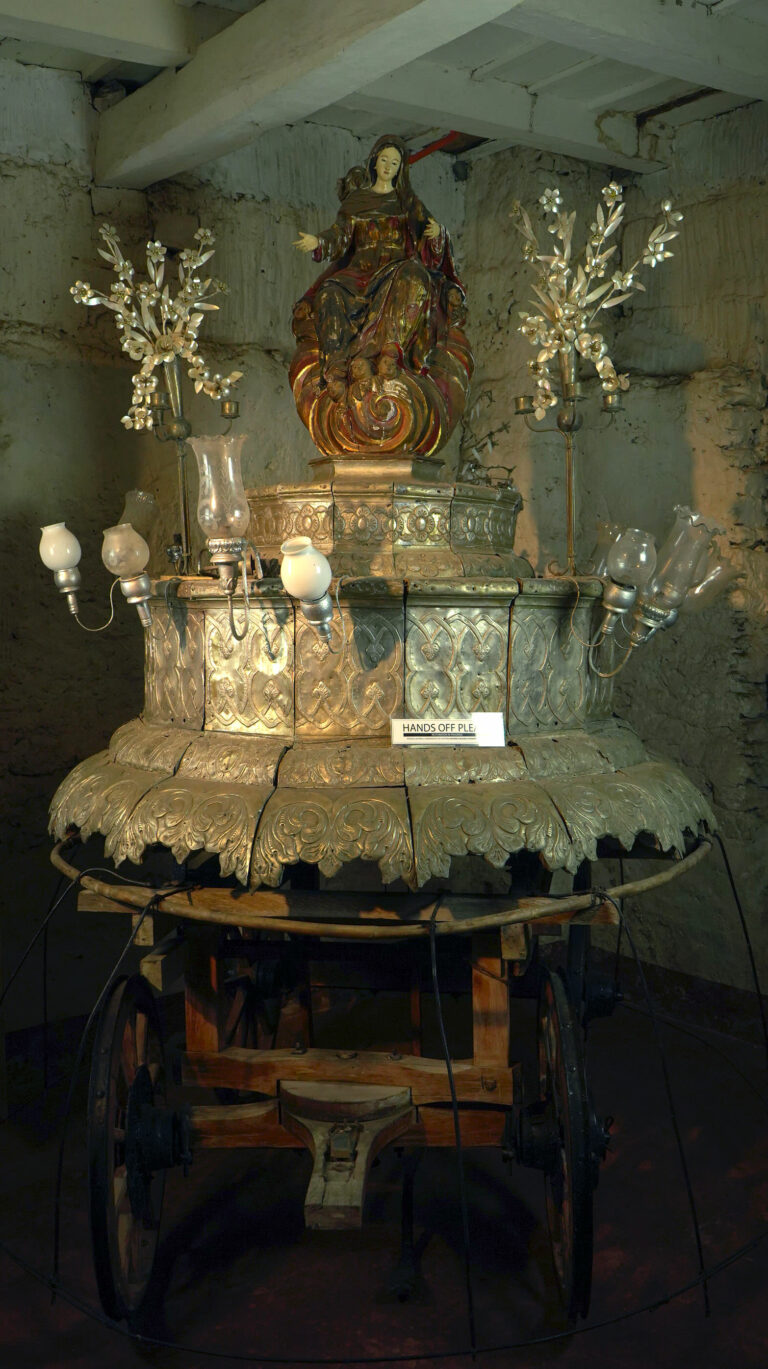
This gallery has one of the largest collections, attesting to how strongly Marian Filipino Catholicism is. Many titles of the Blessed Virgin Mary are celebrated in the Philippines; some popular Marian devotions include Our Lady of Consolation (for which most parishes seemed to own), Our Lady of the Immaculate Conception, Our Lady of the Miraculous Medal, Our Lady of Mount Carmel, and Our Lady of the Holy Rosary.
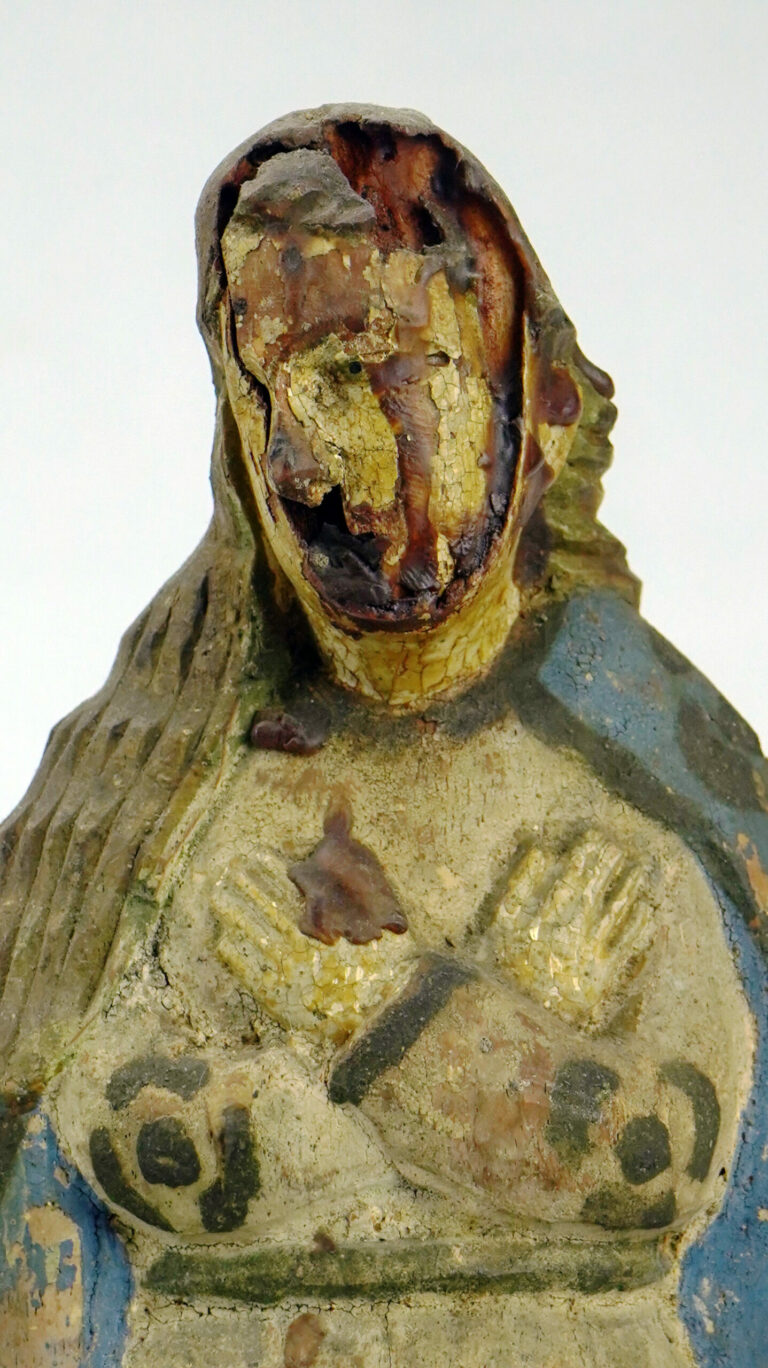
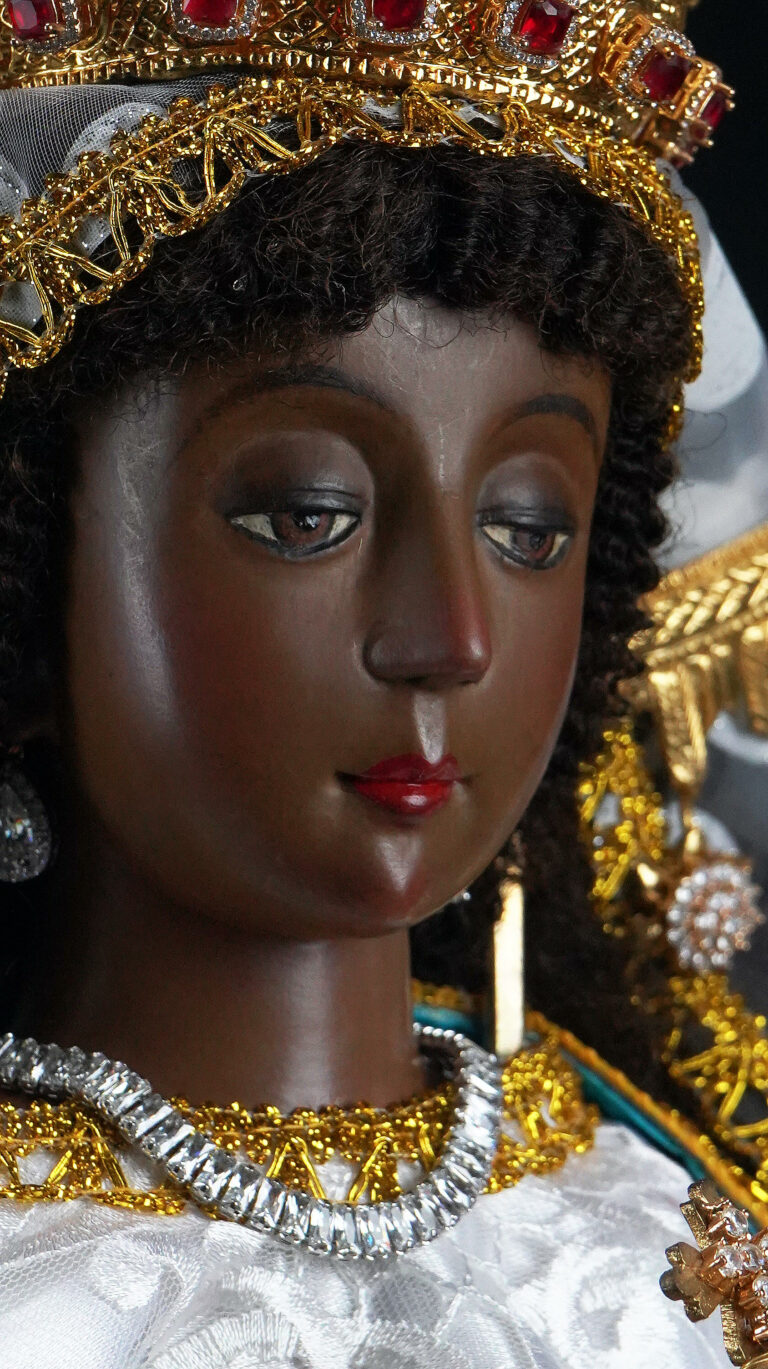
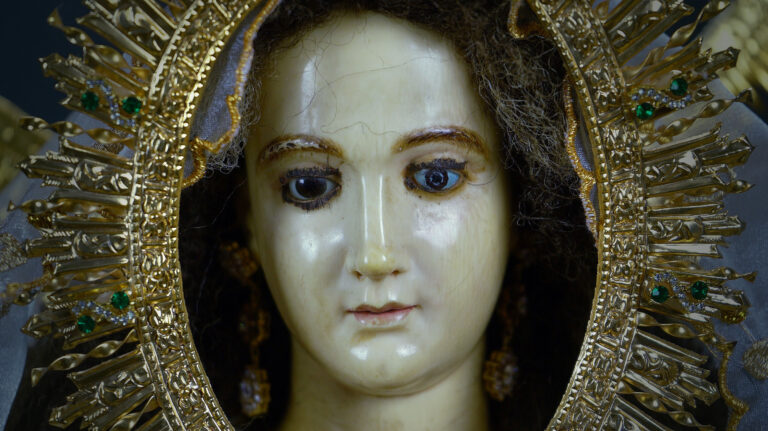
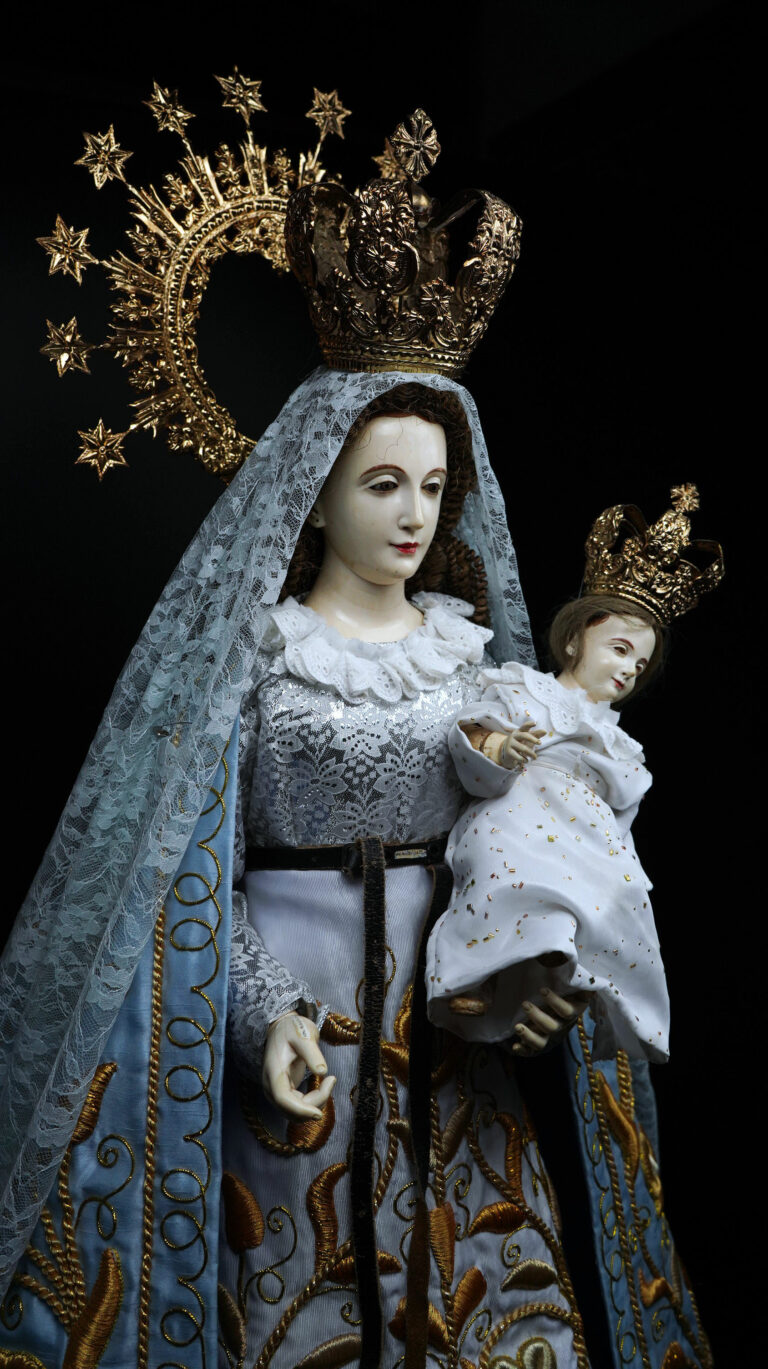
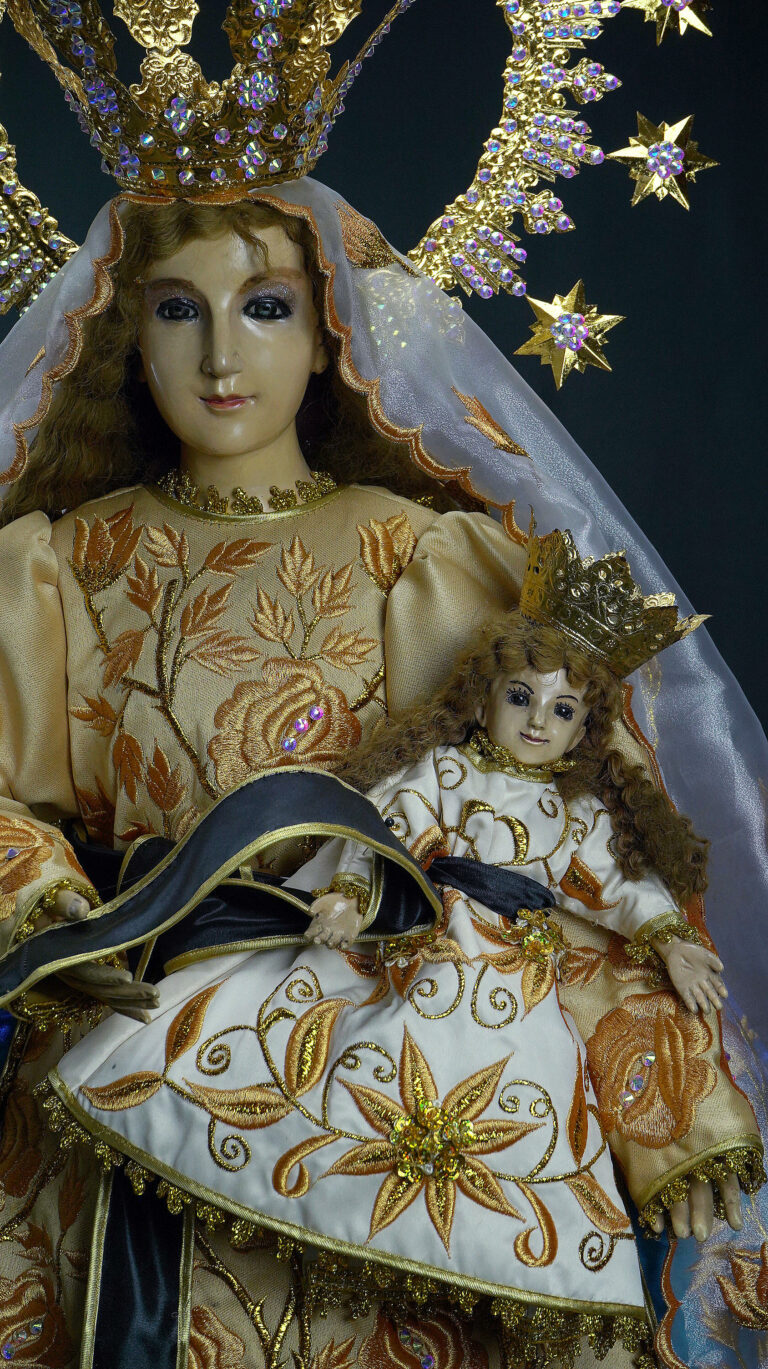
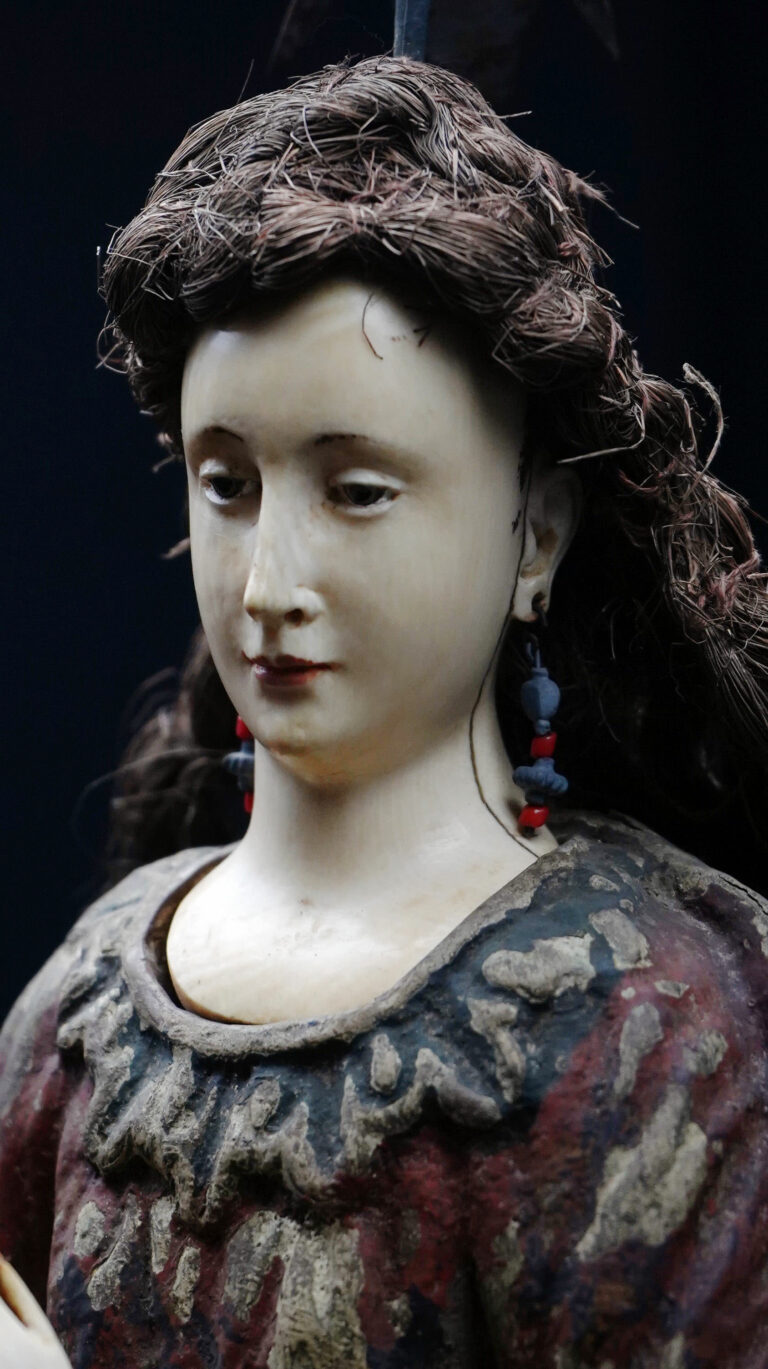
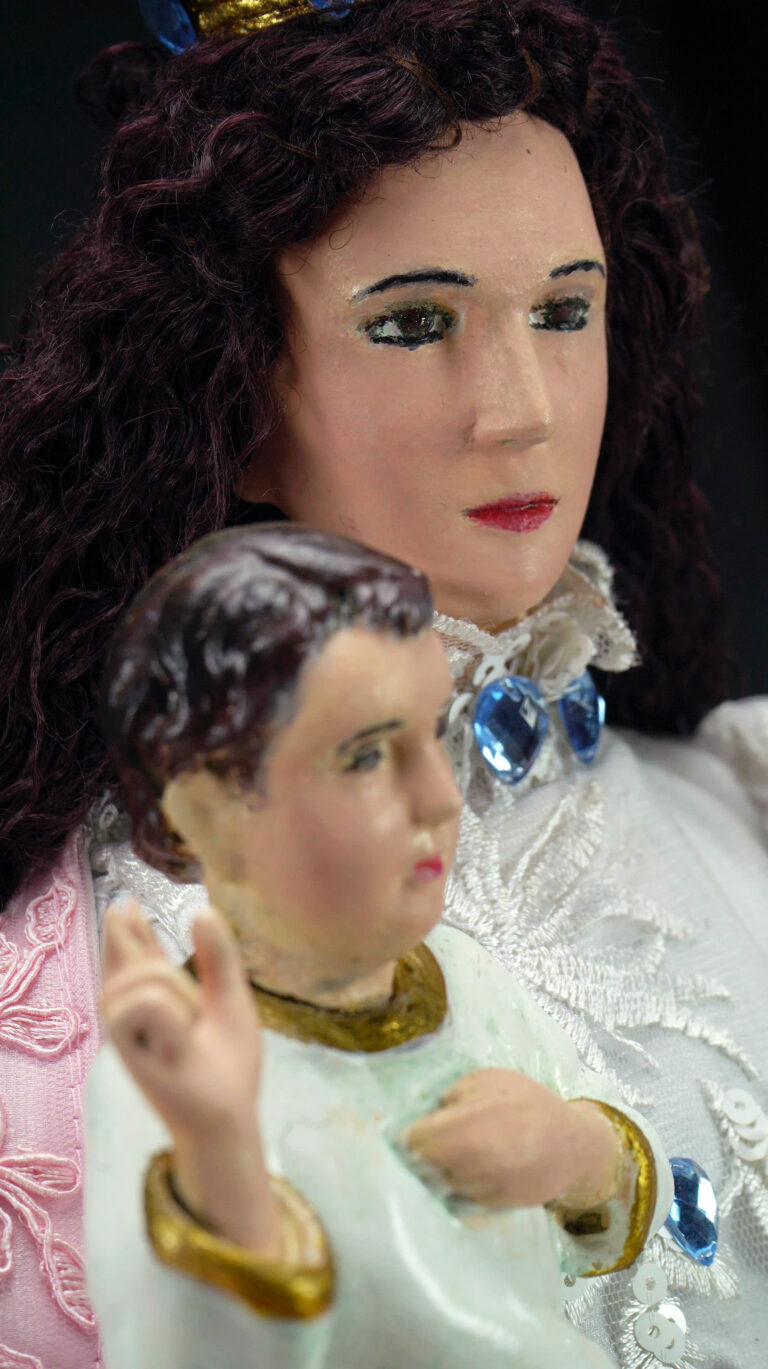
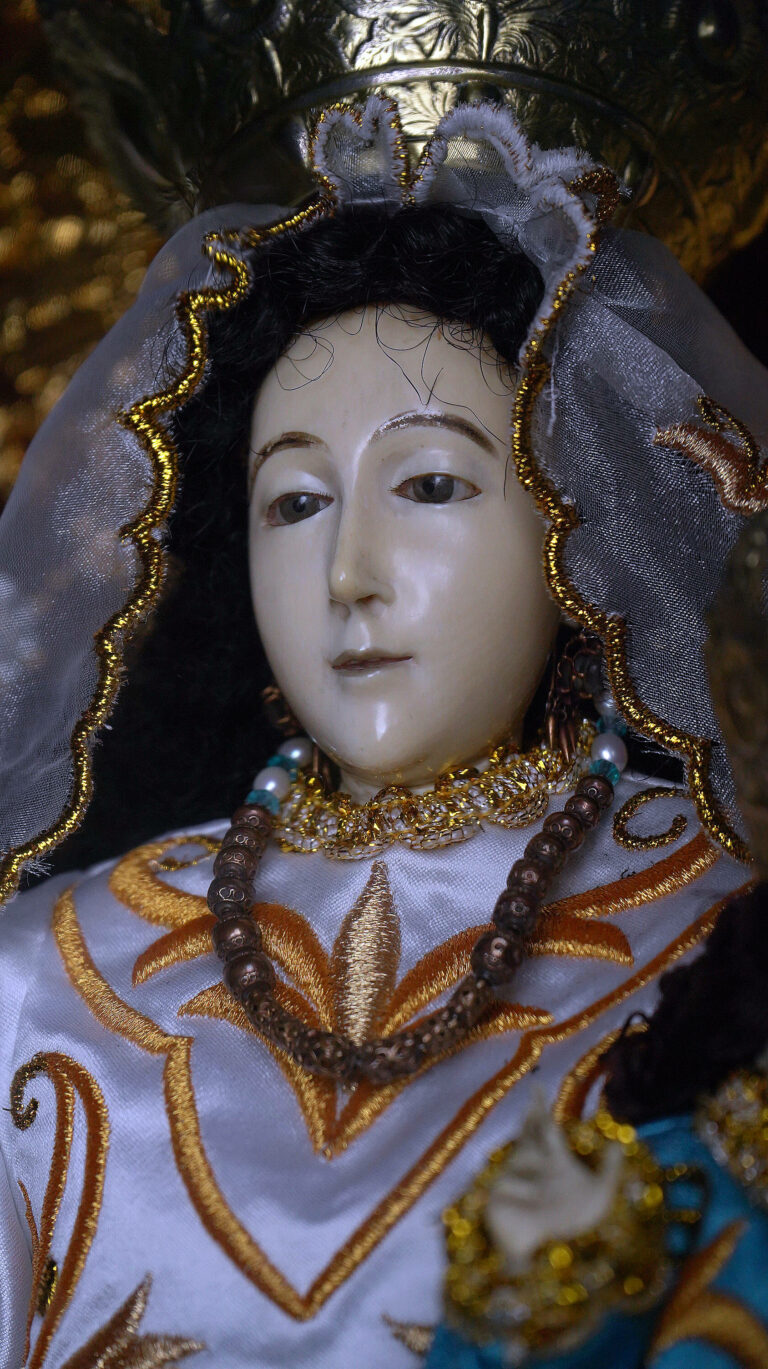
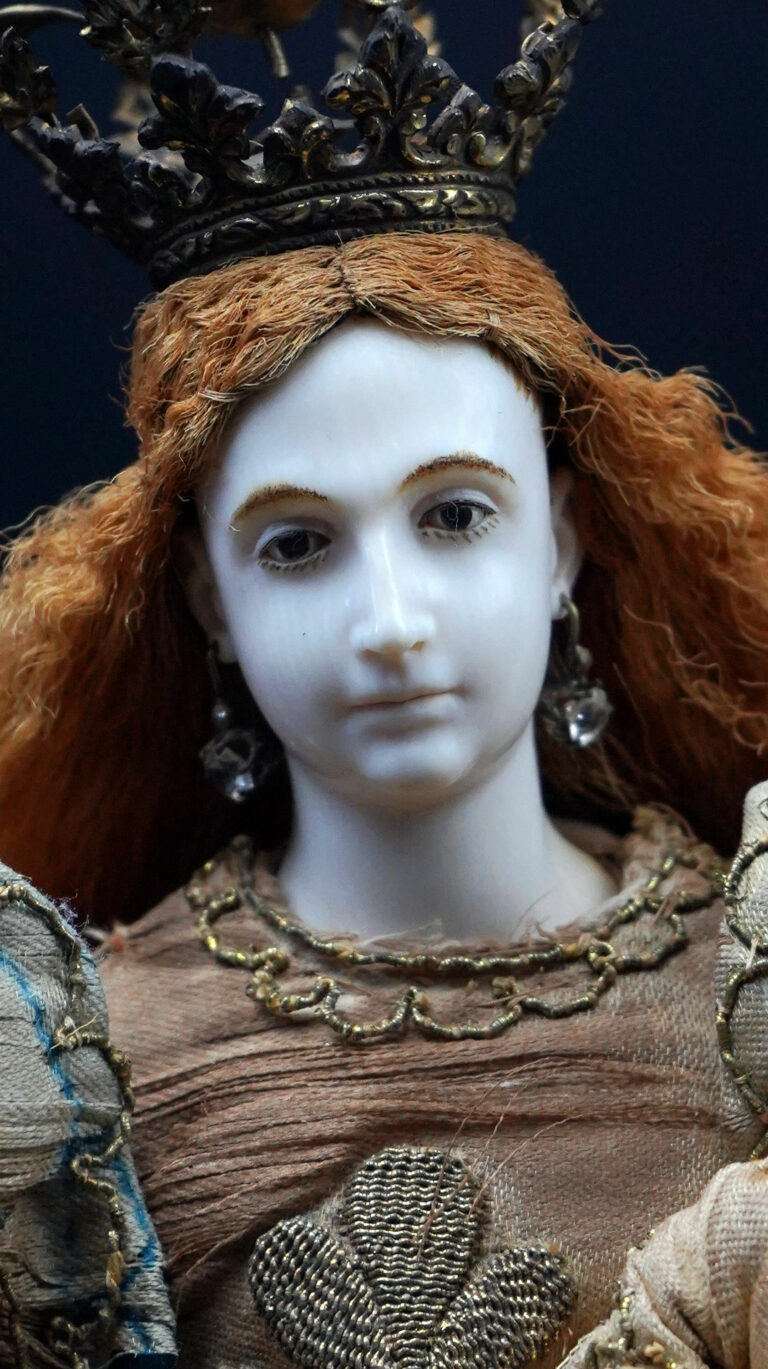
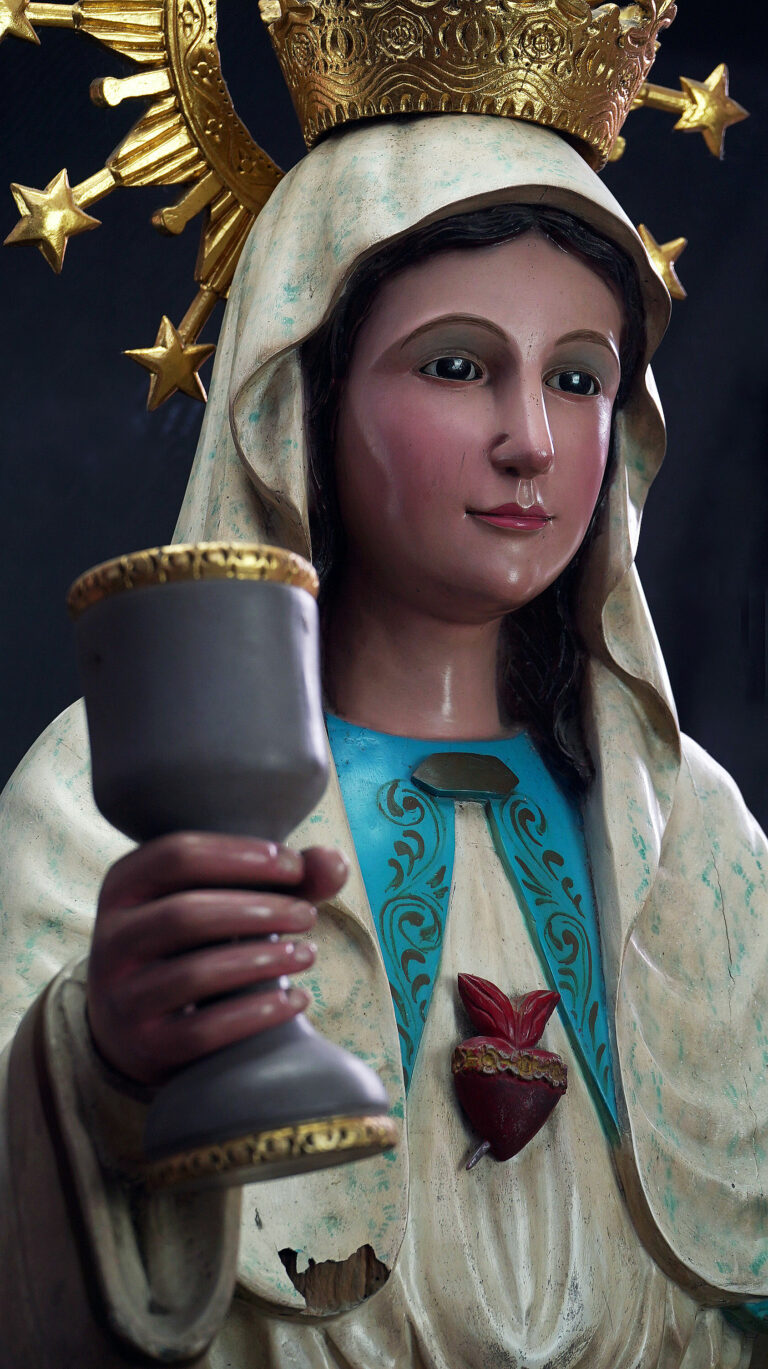
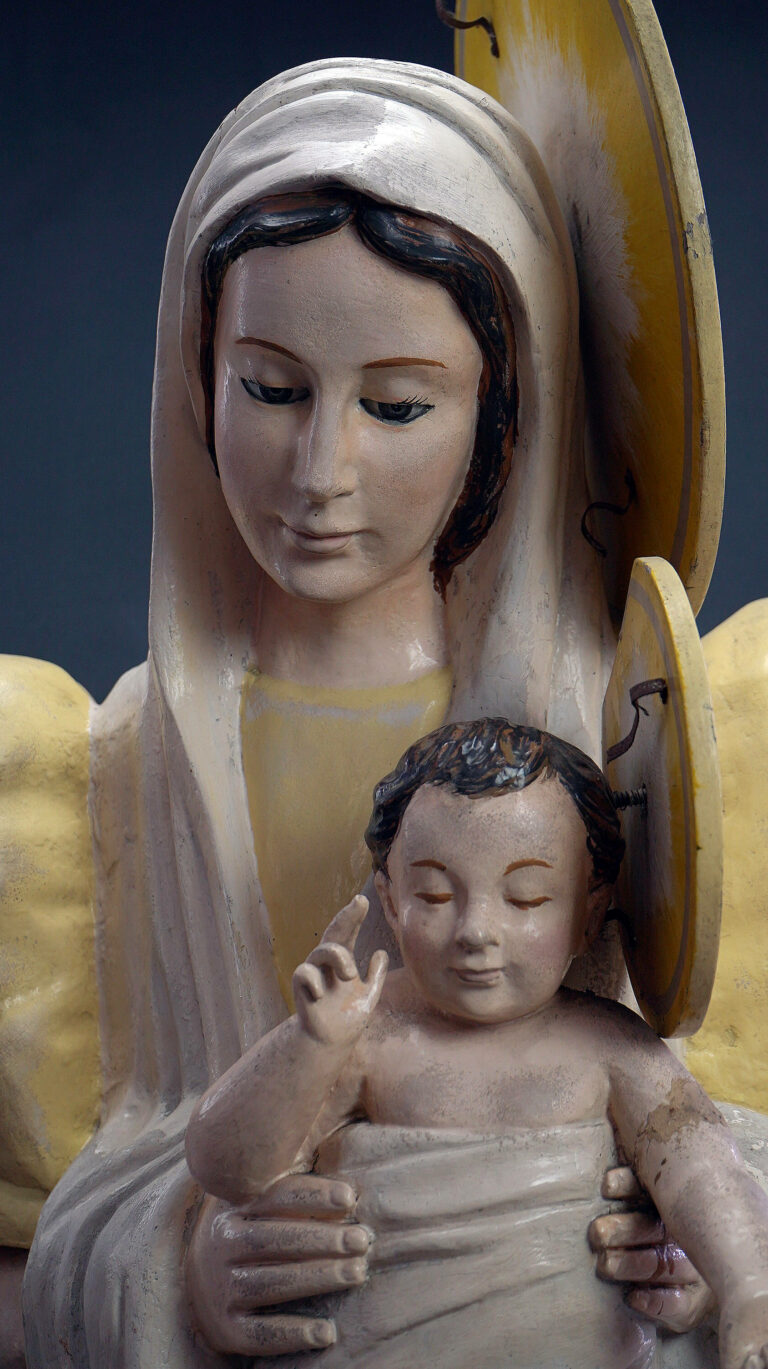
An ivory statue of Our Lady of the Miraculous Medal, fondly called “chinita princess” by the Danao church community, has survived the years and is now under the protection of the youth of the parish. John Mecca of Danao whose uncle is a maker/carver of statues talks about the “chinita princess” and the devotion to the Lady of the Miraculous Medal: “Grabe gyod and devotion sa Miraculous Medal among Children of Mary sa una, mga 500 members gyod. Siya pa ang nag-una kay mao man iyang sudlanan medal gyod. Ara ra na siya gi-sud hangtod karon mao nang makuyawan mi kay public ra kaayo si Chinita namo. Ivory gyod siya, mao to nga naghinayhinay og pakpak iyang pintal, makit-an na nga ivory gyod. Mao nang gi-protect namo. Kami ra man mga batan-on gyod ang naglihok sa pag-preserve; kami nay gi-ingnan sa pari nga ikaw nay bahala dira. Kami na lang gyoy naninguha.” (Before, the devotion to the Miraculous Medal among the Children of Mary was really popular, about 500 members. This image is first because its container is shaped like a medal. She has always been inside that container, so we are scared because our chinita is in a very public area. It is really ivory. The paint is slowly coming off; you can see that it is really ivory. That’s why we are protecting it. Only the young people are working to preserve these objects. The (parish) priest told us that we should take care of it. We are trying our best.)
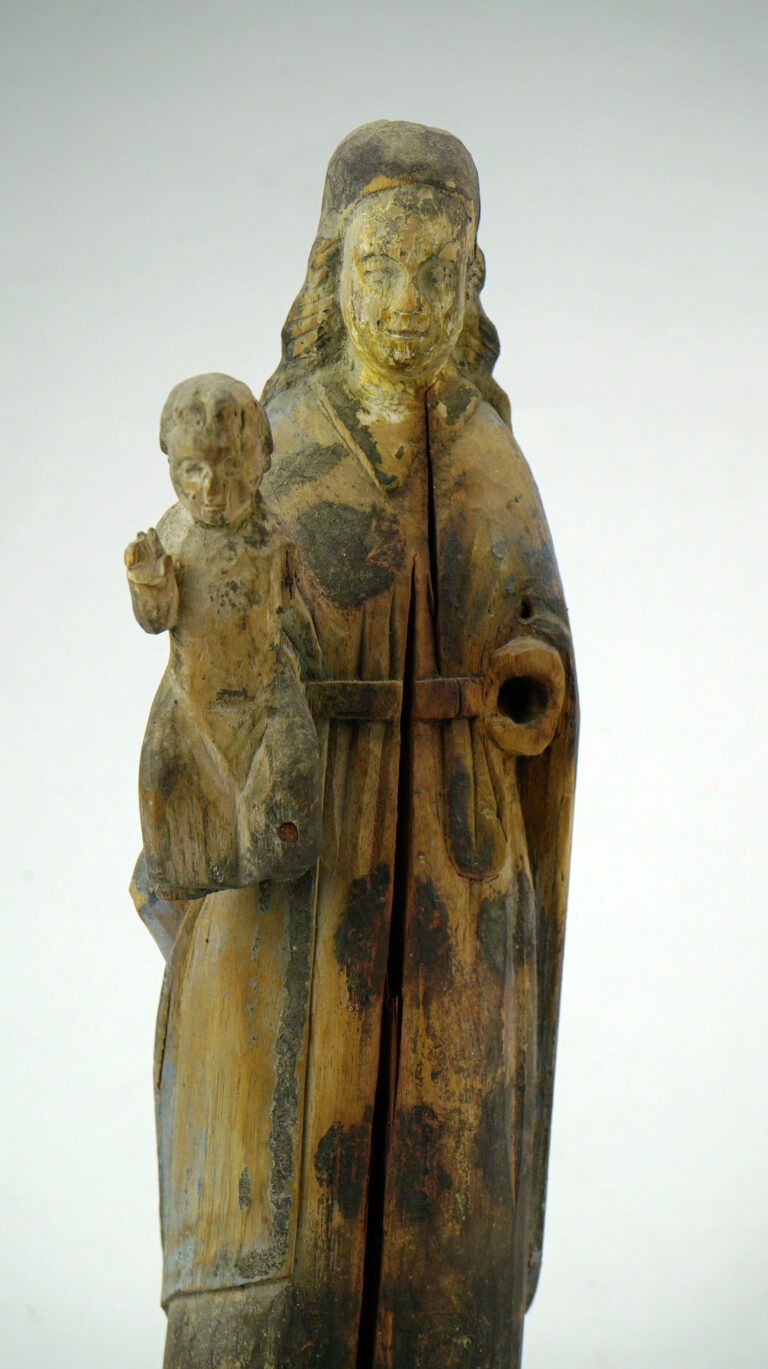
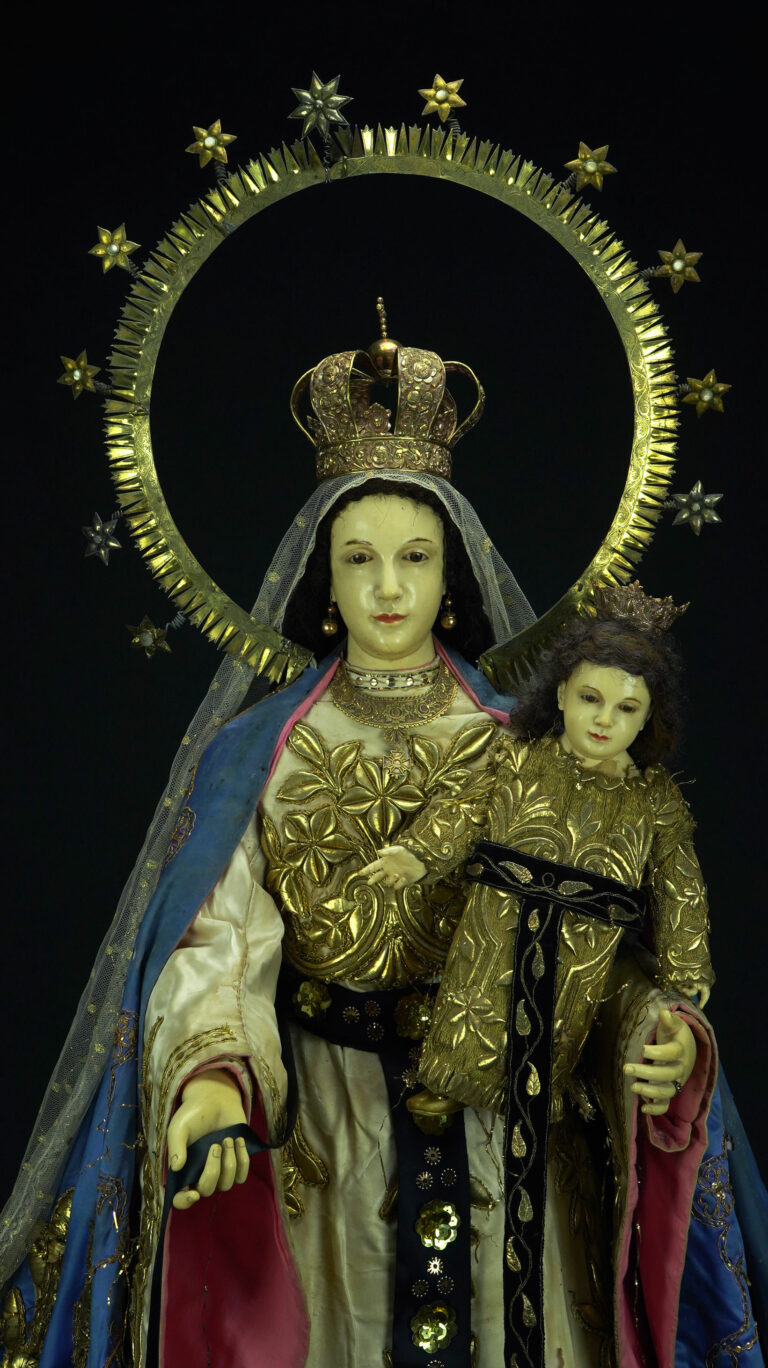
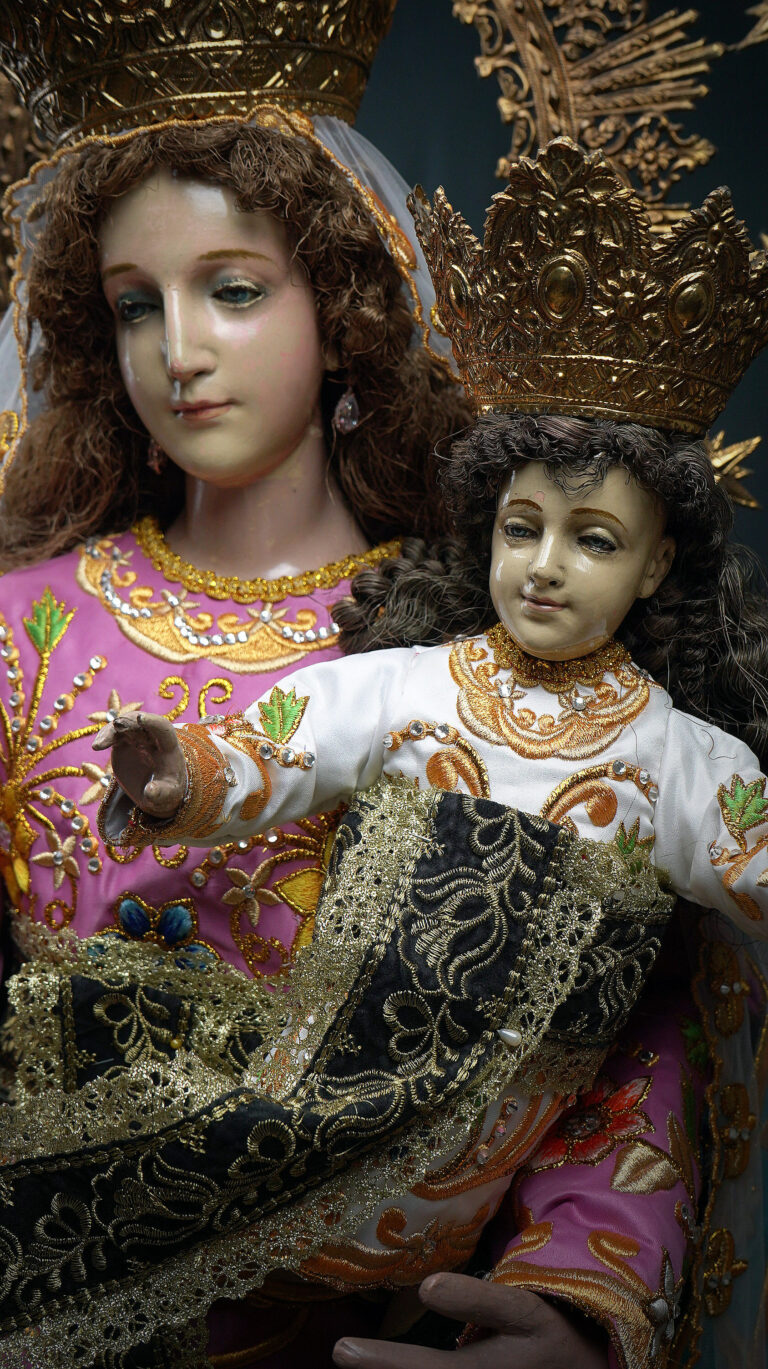
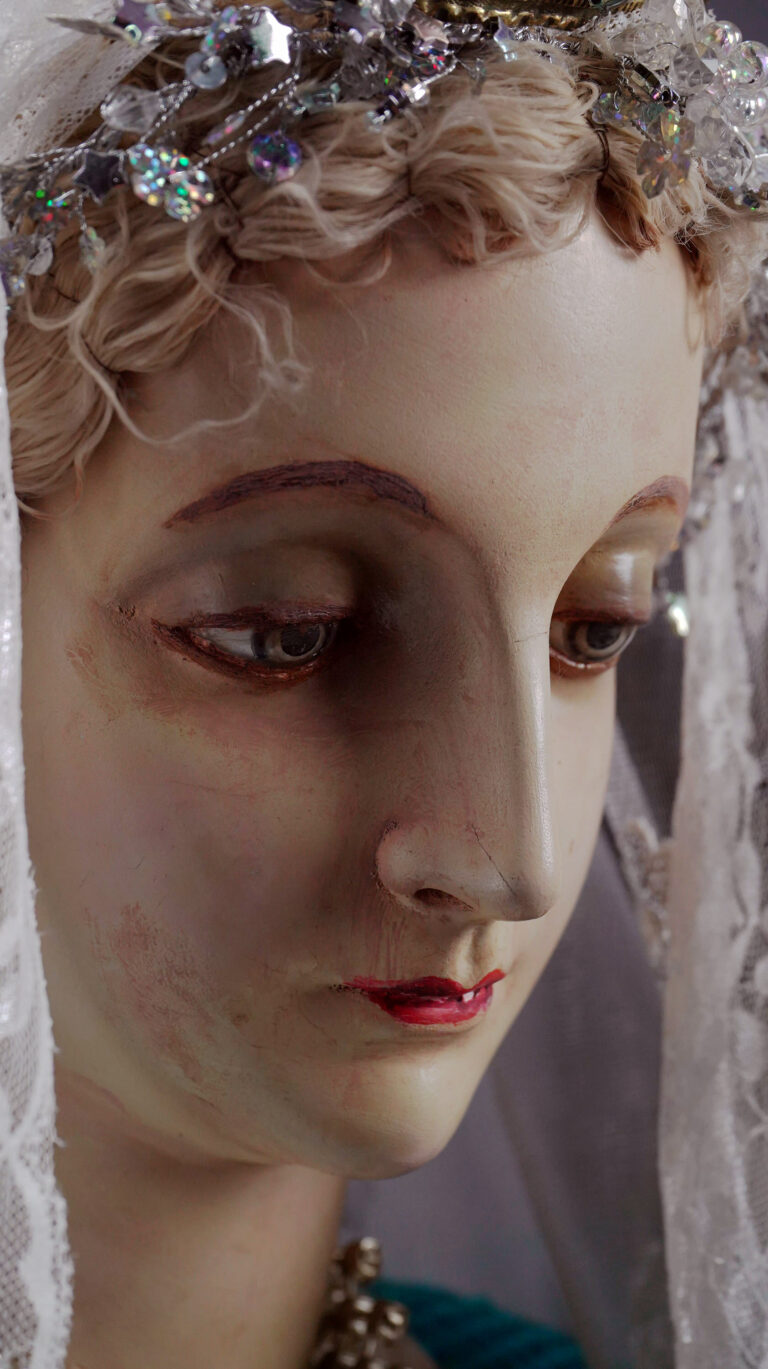
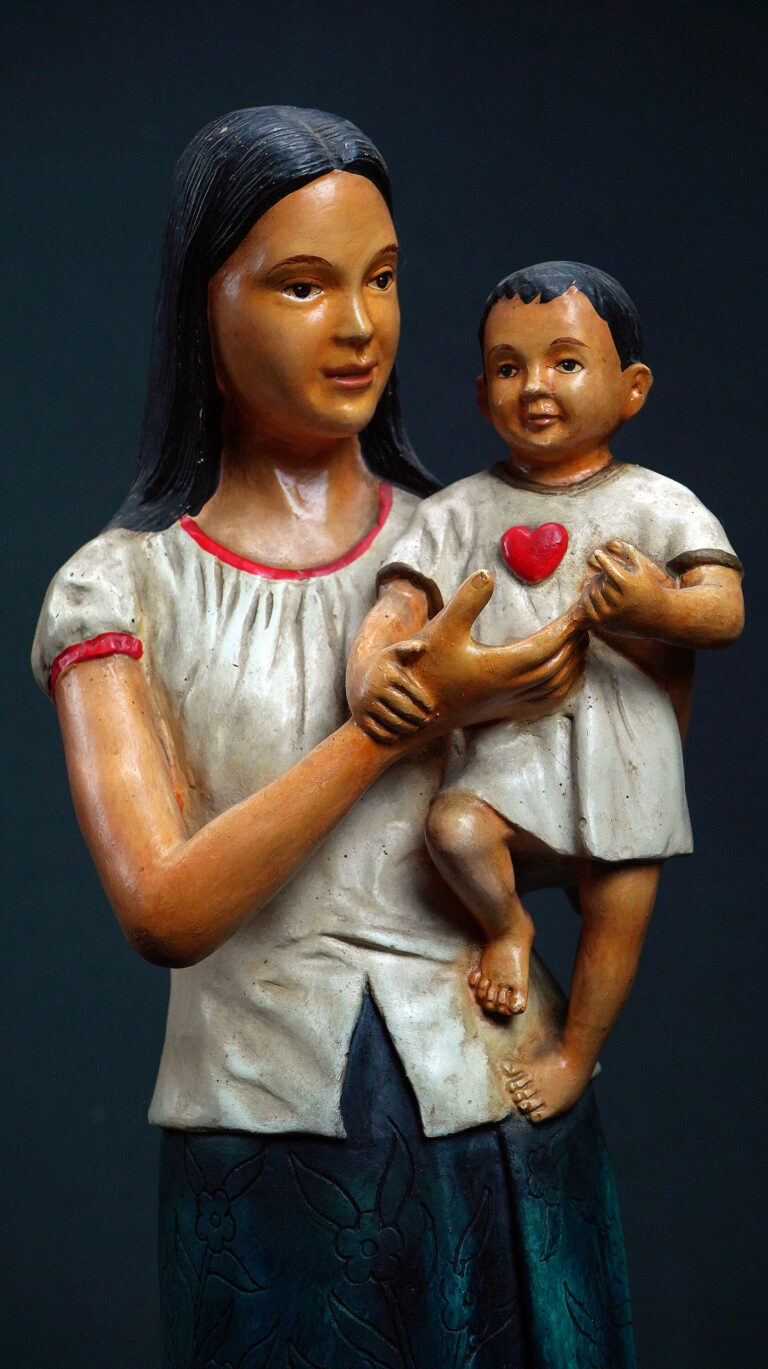
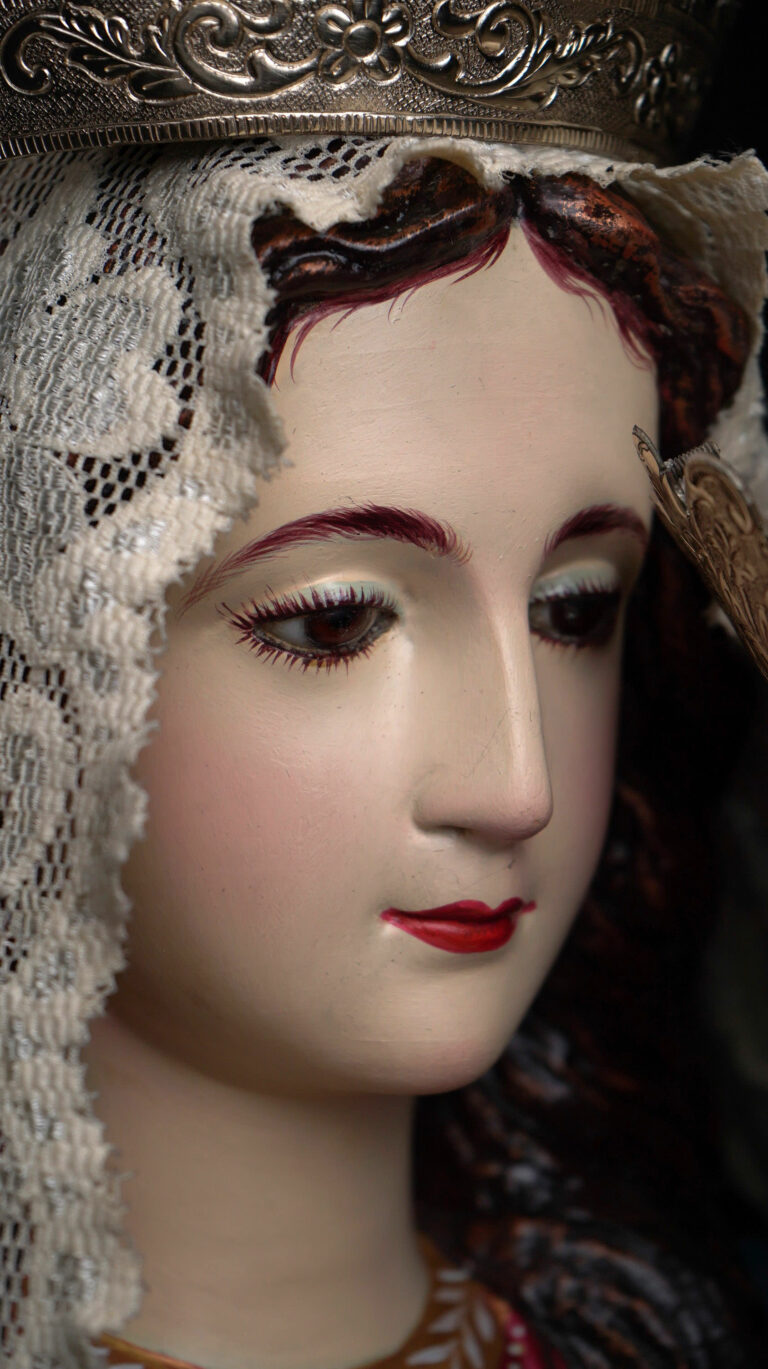
Some similar images, like the image of the Birhen sa Kalipay of the Talisay Parish, are not so lucky. Edward Alesna, Barangay Captain of Barangay Poblacion, Talisay, talks about the image of Birhen sa Kalipay as one of the oldest in the Talisay Church. He narrates how their parish Marian devotion lives on despite the desecration of the image. “Mga 1974 to 1976 man tingali to nga nahitabo nga fiesta. Gikawat na ang ulo ni Mahal nga Birhen sa Kalipay. Wala nay ulo, hasta ang ulo sa bata kana iyang gikugos wala na, hasta ang mga kamot kay ivory man to. Unya nawala na siya panahon pa sa among padre kura, si Padre Veronico Salvador. Unya mao to usa sa pamilya dinhi sa Talisay, mga adunahan sad nga pamilya, mga Figueroa, nga ang ngan ana niya si Nang Bebeng, pagkadalaga ang apellido Baculpo, naminyo og mga Figueroa. Maoy nigasto para mapulihan ang ulo sa nawala nga Birhen sa Kalipay, nga na-restore pagbalik. Gipulihan na siya og, gikan sa ivory, karon kahoy na siya. Mahal na man kay ang ivory, unya humok kawaton. Mao na nga siya nga kahoy na ang imahen. Pero salamat na lang kay na balik man.” (It happened during a fiesta, around 1974 to 1976. The head of the Blessed Virgin was stolen. There is no head, even the head of the child she is holding was gone, even the hands. They were made of ivory. The theft happened during the time of our priest, Father Veronico Salvador. Then it was someone from a family here in Talisay, a rich family, the Figueroas, whose name was Nang Bebeng, whose maiden name was Baculpo and married to the Figueroas, it was her who spent money to replace the head of the image, which was restored. From ivory, it was replaced now with wood. Ivory is expensive, besides it is prone to thefts. That’s why it is now a wooden image. I am grateful that it is restored.)
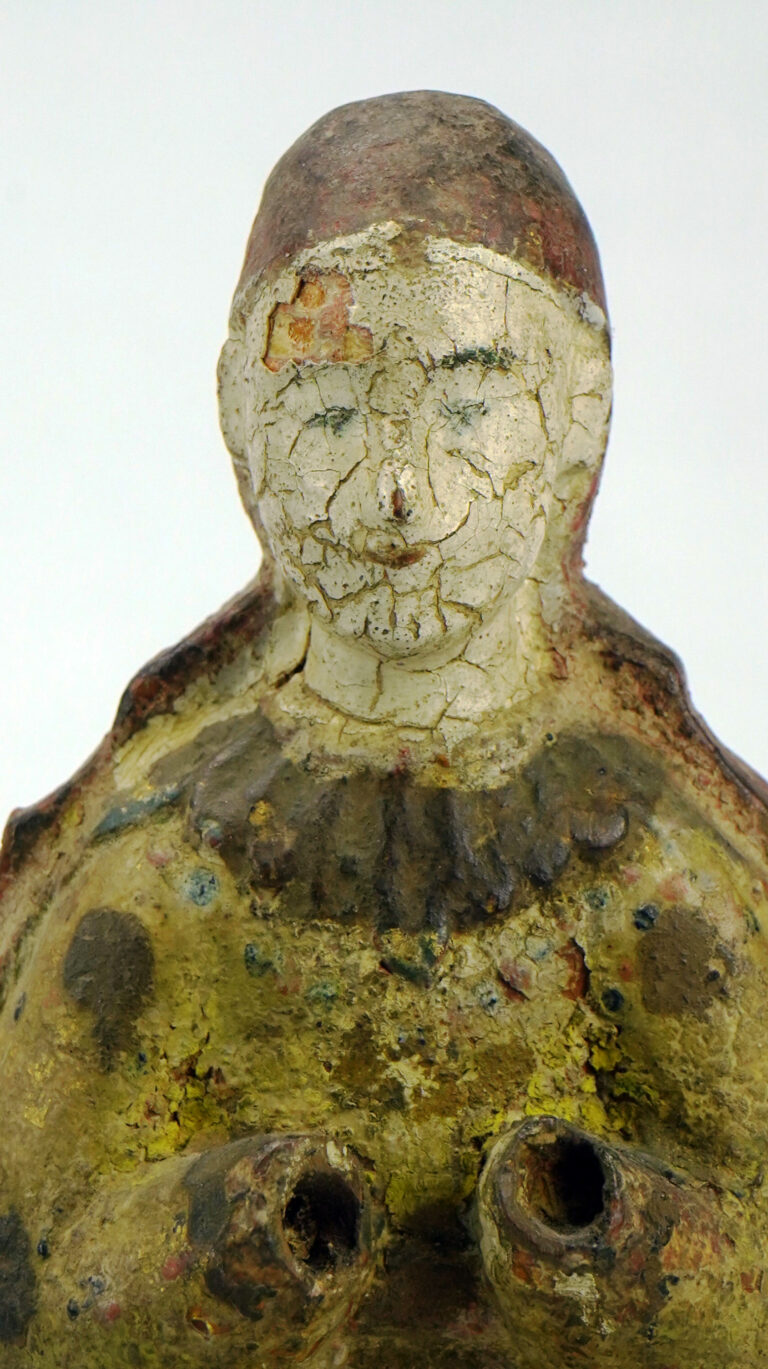
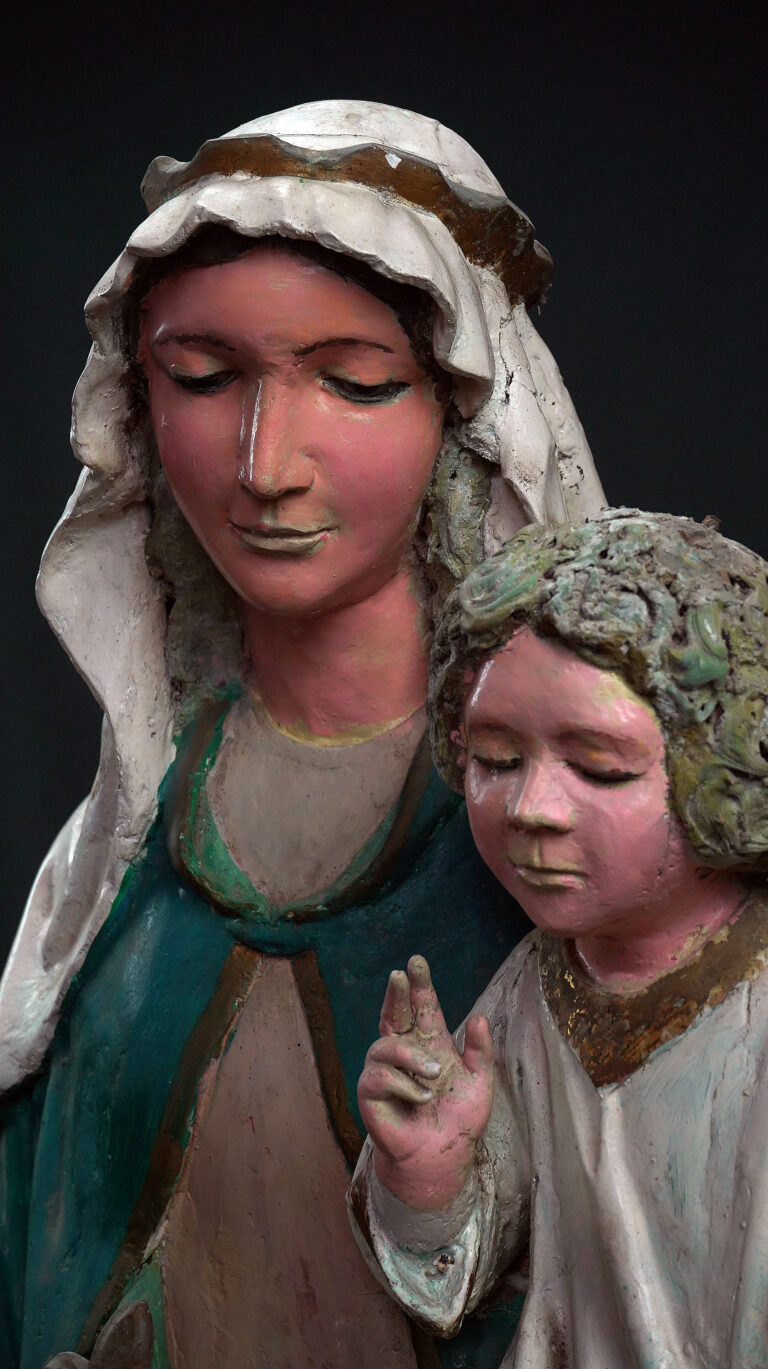
The collection also covers patronal images as well as folk representations of the Blessed Virgin Mary. Many images and artifacts are used in church and community activities like the fiesta procession, block rosary, Flores de Mayo, etc.
This gallery has one of the largest collections, attesting to how strongly Marian Filipino Catholicism is. Many titles of the Blessed Virgin Mary are celebrated in the Philippines; some popular Marian devotions include Our Lady of Consolation (for which most parishes seemed to own), Our Lady of the Immaculate Conception, Our Lady of the Miraculous Medal, Our Lady of Mount Carmel, and Our Lady of the Holy Rosary.
An ivory statue of Our Lady of the Miraculous Medal, fondly called “chinita princess” by the Danao church community, has survived the years and is now under the protection of the youth of the parish. John Mecca of Danao whose uncle is a maker/carver of statues talks about the “chinita princess” and the devotion to the Lady of the Miraculous Medal: “Grabe gyod and devotion sa Miraculous Medal among Children of Mary sa una, mga 500 members gyod. Siya pa ang nag-una kay mao man iyang sudlanan medal gyod. Ara ra na siya gi-sud hangtod karon mao nang makuyawan mi kay public ra kaayo si Chinita namo. Ivory gyod siya, mao to nga naghinayhinay og pakpak iyang pintal, makit-an na nga ivory gyod. Mao nang gi-protect namo. Kami ra man mga batan-on gyod ang naglihok sa pag-preserve; kami nay gi-ingnan sa pari nga ikaw nay bahala dira. Kami na lang gyoy naninguha.” (Before, the devotion to the Miraculous Medal among the Children of Mary was really popular, about 500 members. This image is first because its container is shaped like a medal. She has always been inside that container, so we are scared because our chinita is in a very public area. It is really ivory. The paint is slowly coming off; you can see that it is really ivory. That’s why we are protecting it. Only the young people are working to preserve these objects. The (parish) priest told us that we should take care of it. We are trying our best.)
Some similar images, like the image of the Birhen sa Kalipay of the Talisay Parish, are not so lucky. Edward Alesna, Barangay Captain of Barangay Poblacion, Talisay, talks about the image of Birhen sa Kalipay as one of the oldest in the Talisay Church. He narrates how their parish Marian devotion lives on despite the desecration of the image. “Mga 1974 to 1976 man tingali to nga nahitabo nga fiesta. Gikawat na ang ulo ni Mahal nga Birhen sa Kalipay. Wala nay ulo, hasta ang ulo sa bata kana iyang gikugos wala na, hasta ang mga kamot kay ivory man to. Unya nawala na siya panahon pa sa among padre kura, si Padre Veronico Salvador. Unya mao to usa sa pamilya dinhi sa Talisay, mga adunahan sad nga pamilya, mga Figueroa, nga ang ngan ana niya si Nang Bebeng, pagkadalaga ang apellido Baculpo, naminyo og mga Figueroa. Maoy nigasto para mapulihan ang ulo sa nawala nga Birhen sa Kalipay, nga na-restore pagbalik. Gipulihan na siya og, gikan sa ivory, karon kahoy na siya. Mahal na man kay ang ivory, unya humok kawaton. Mao na nga siya nga kahoy na ang imahen. Pero salamat na lang kay na balik man.” (It happened during a fiesta, around 1974 to 1976. The head of the Blessed Virgin was stolen. There is no head, even the head of the child she is holding was gone, even the hands. They were made of ivory. The theft happened during the time of our priest, Father Veronico Salvador. Then it was someone from a family here in Talisay, a rich family, the Figueroas, whose name was Nang Bebeng, whose maiden name was Baculpo and married to the Figueroas, it was her who spent money to replace the head of the image, which was restored. From ivory, it was replaced now with wood. Ivory is expensive, besides it is prone to thefts. That’s why it is now a wooden image. I am grateful that it is restored.)
The collection also covers patronal images as well as folk representations of the Blessed Virgin Mary. Many images and artifacts are used in church and community activities like the fiesta procession, block rosary, Flores de Mayo, etc.
This gallery has one of the largest collections, attesting to how strongly Marian Filipino Catholicism is. Many titles of the Blessed Virgin Mary are celebrated in the Philippines; some popular Marian devotions include Our Lady of Consolation (for which most parishes seemed to own), Our Lady of the Immaculate Conception, Our Lady of the Miraculous Medal, Our Lady of Mount Carmel, and Our Lady of the Holy Rosary.
An ivory statue of Our Lady of the Miraculous Medal, fondly called “chinita princess” by the Danao church community, has survived the years and is now under the protection of the youth of the parish. John Mecca of Danao whose uncle is a maker/carver of statues talks about the “chinita princess” and the devotion to the Lady of the Miraculous Medal: “Grabe gyod and devotion sa Miraculous Medal among Children of Mary sa una, mga 500 members gyod. Siya pa ang nag-una kay mao man iyang sudlanan medal gyod. Ara ra na siya gi-sud hangtod karon mao nang makuyawan mi kay public ra kaayo si Chinita namo. Ivory gyod siya, mao to nga naghinayhinay og pakpak iyang pintal, makit-an na nga ivory gyod. Mao nang gi-protect namo. Kami ra man mga batan-on gyod ang naglihok sa pag-preserve; kami nay gi-ingnan sa pari nga ikaw nay bahala dira. Kami na lang gyoy naninguha.” (Before, the devotion to the Miraculous Medal among the Children of Mary was really popular, about 500 members. This image is first because its container is shaped like a medal. She has always been inside that container, so we are scared because our chinita is in a very public area. It is really ivory. The paint is slowly coming off; you can see that it is really ivory. That’s why we are protecting it. Only the young people are working to preserve these objects. The (parish) priest told us that we should take care of it. We are trying our best.)
Some similar images, like the image of the Birhen sa Kalipay of the Talisay Parish, are not so lucky. Edward Alesna, Barangay Captain of Barangay Poblacion, Talisay, talks about the image of Birhen sa Kalipay as one of the oldest in the Talisay Church. He narrates how their parish Marian devotion lives on despite the desecration of the image. “Mga 1974 to 1976 man tingali to nga nahitabo nga fiesta. Gikawat na ang ulo ni Mahal nga Birhen sa Kalipay. Wala nay ulo, hasta ang ulo sa bata kana iyang gikugos wala na, hasta ang mga kamot kay ivory man to. Unya nawala na siya panahon pa sa among padre kura, si Padre Veronico Salvador. Unya mao to usa sa pamilya dinhi sa Talisay, mga adunahan sad nga pamilya, mga Figueroa, nga ang ngan ana niya si Nang Bebeng, pagkadalaga ang apellido Baculpo, naminyo og mga Figueroa. Maoy nigasto para mapulihan ang ulo sa nawala nga Birhen sa Kalipay, nga na-restore pagbalik. Gipulihan na siya og, gikan sa ivory, karon kahoy na siya. Mahal na man kay ang ivory, unya humok kawaton. Mao na nga siya nga kahoy na ang imahen. Pero salamat na lang kay na balik man.” (It happened during a fiesta, around 1974 to 1976. The head of the Blessed Virgin was stolen. There is no head, even the head of the child she is holding was gone, even the hands. They were made of ivory. The theft happened during the time of our priest, Father Veronico Salvador. Then it was someone from a family here in Talisay, a rich family, the Figueroas, whose name was Nang Bebeng, whose maiden name was Baculpo and married to the Figueroas, it was her who spent money to replace the head of the image, which was restored. From ivory, it was replaced now with wood. Ivory is expensive, besides it is prone to thefts. That’s why it is now a wooden image. I am grateful that it is restored.)
The collection also covers patronal images as well as folk representations of the Blessed Virgin Mary. Many images and artifacts are used in church and community activities like the fiesta procession, block rosary, Flores de Mayo, etc.
Special Features
by Haidee Emmie K. Palapar
Patrocinio de Maria Santisima, Boljoon, Cebu
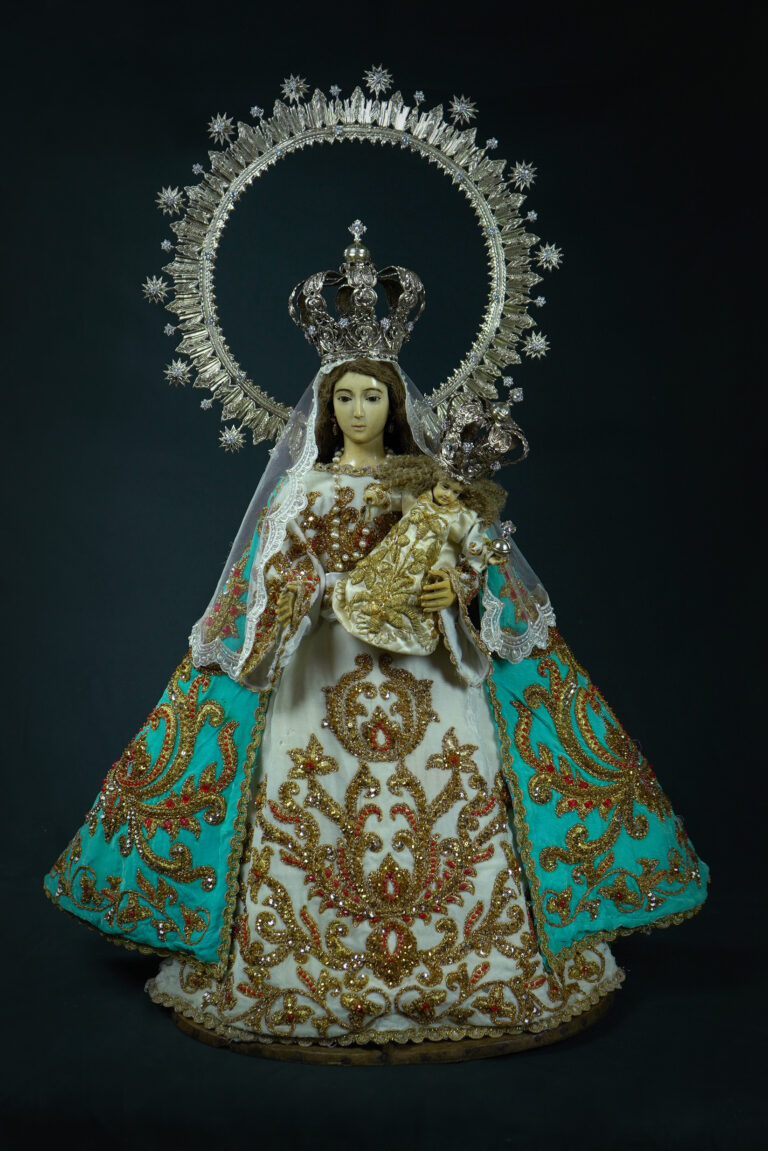
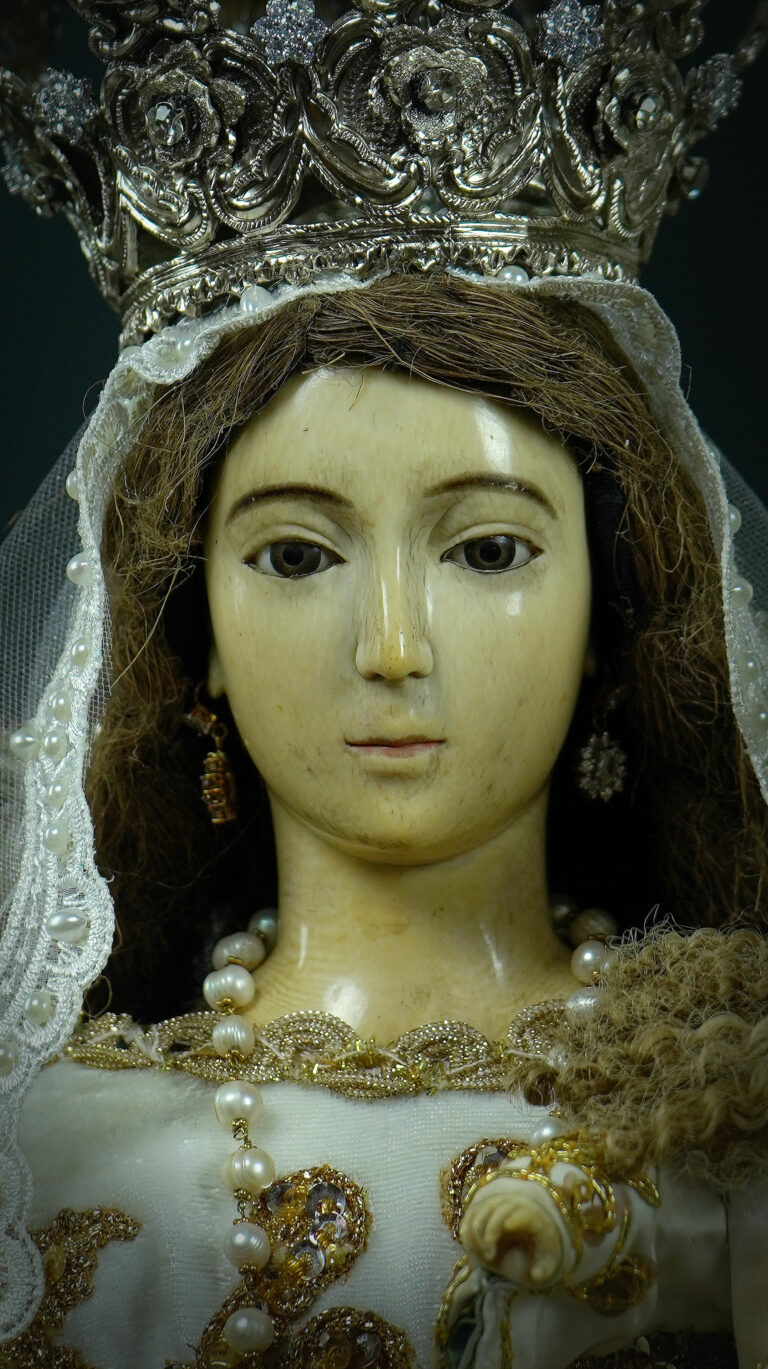
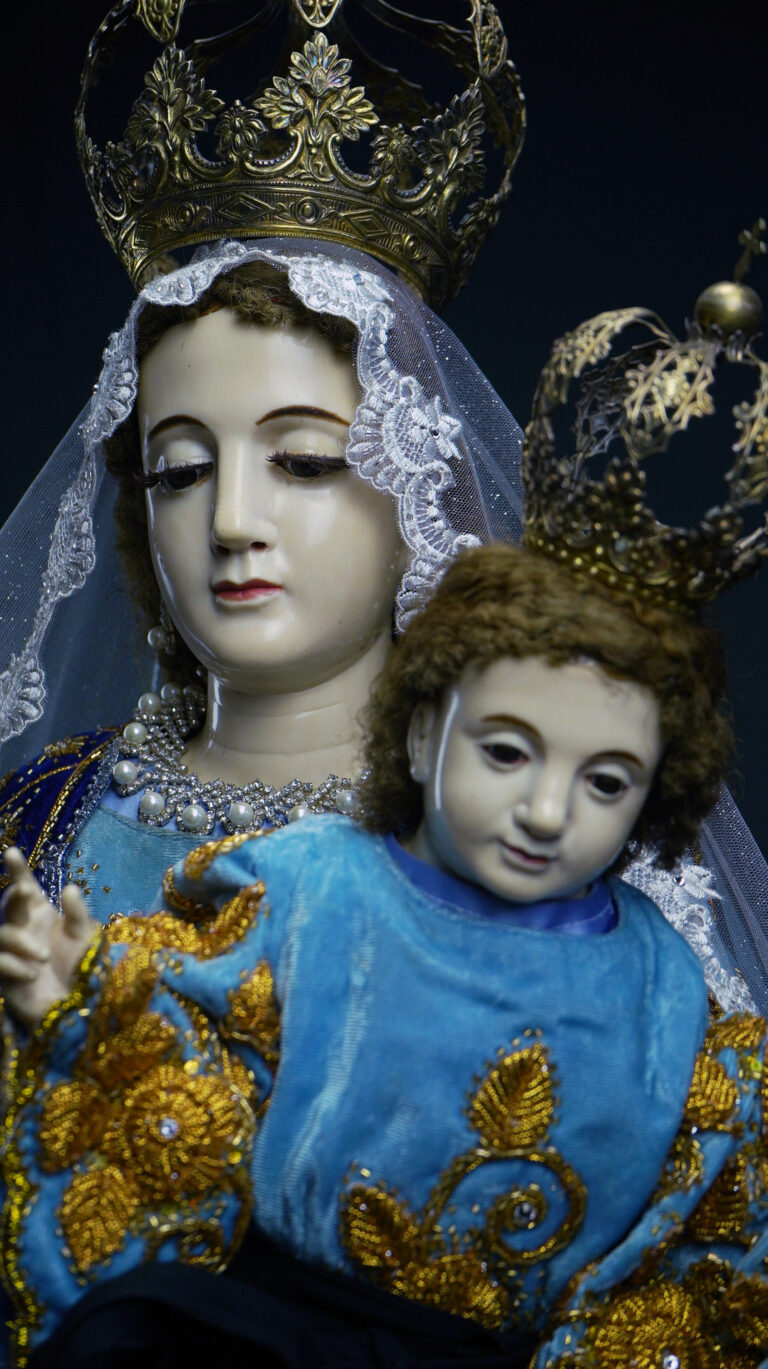
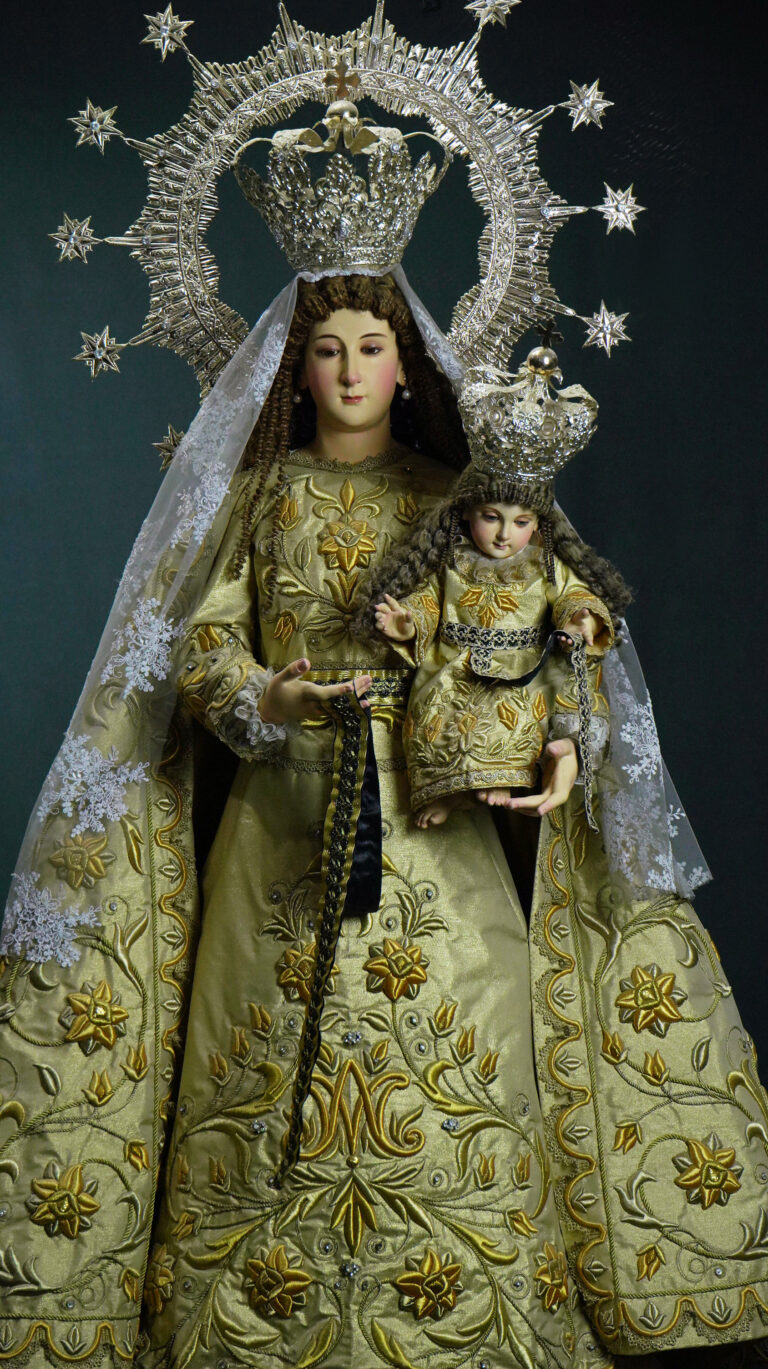
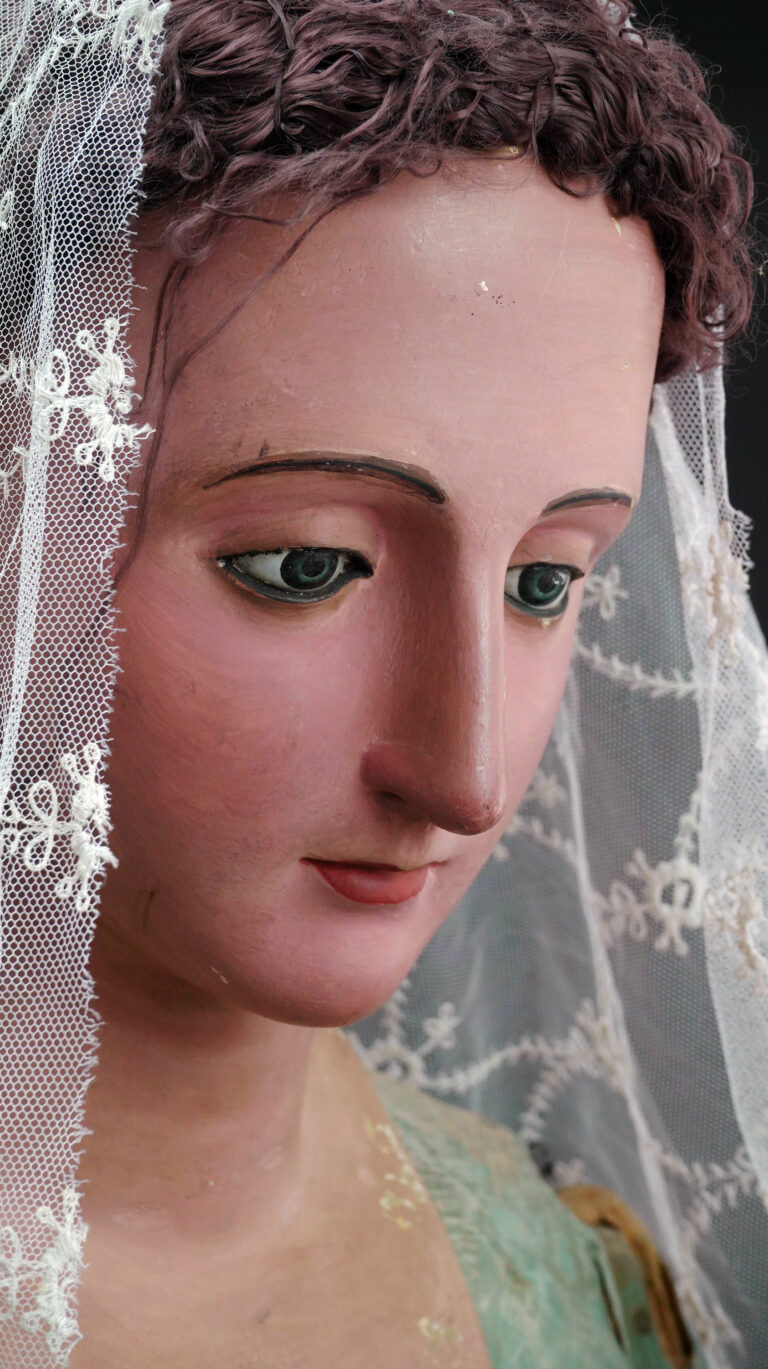
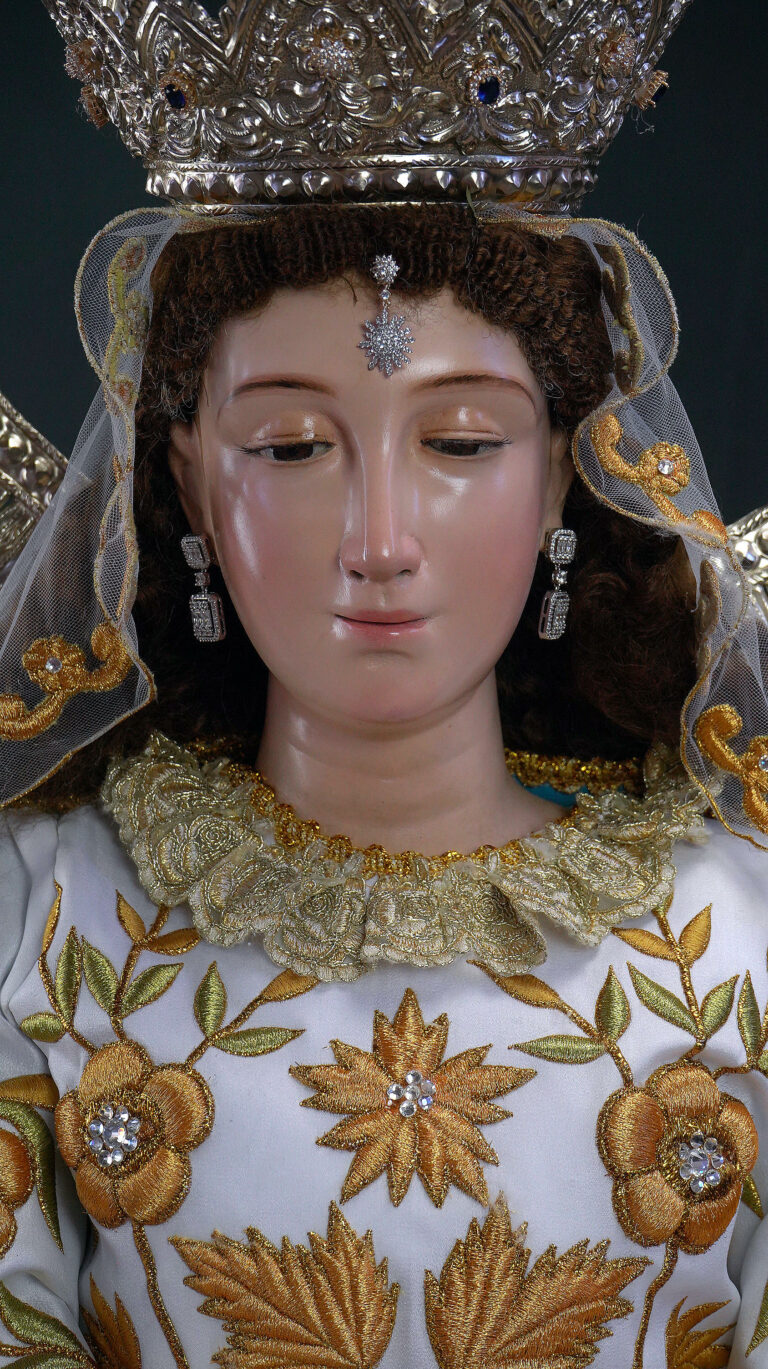
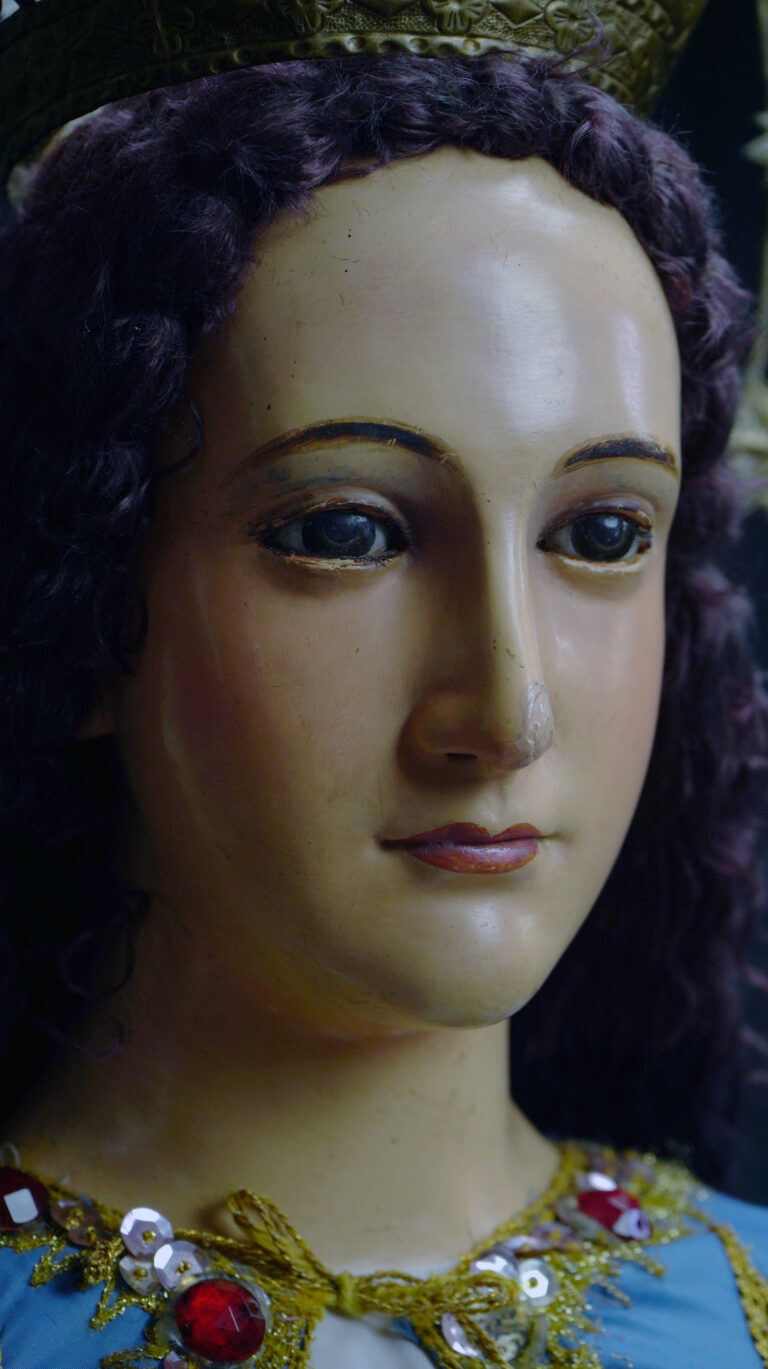
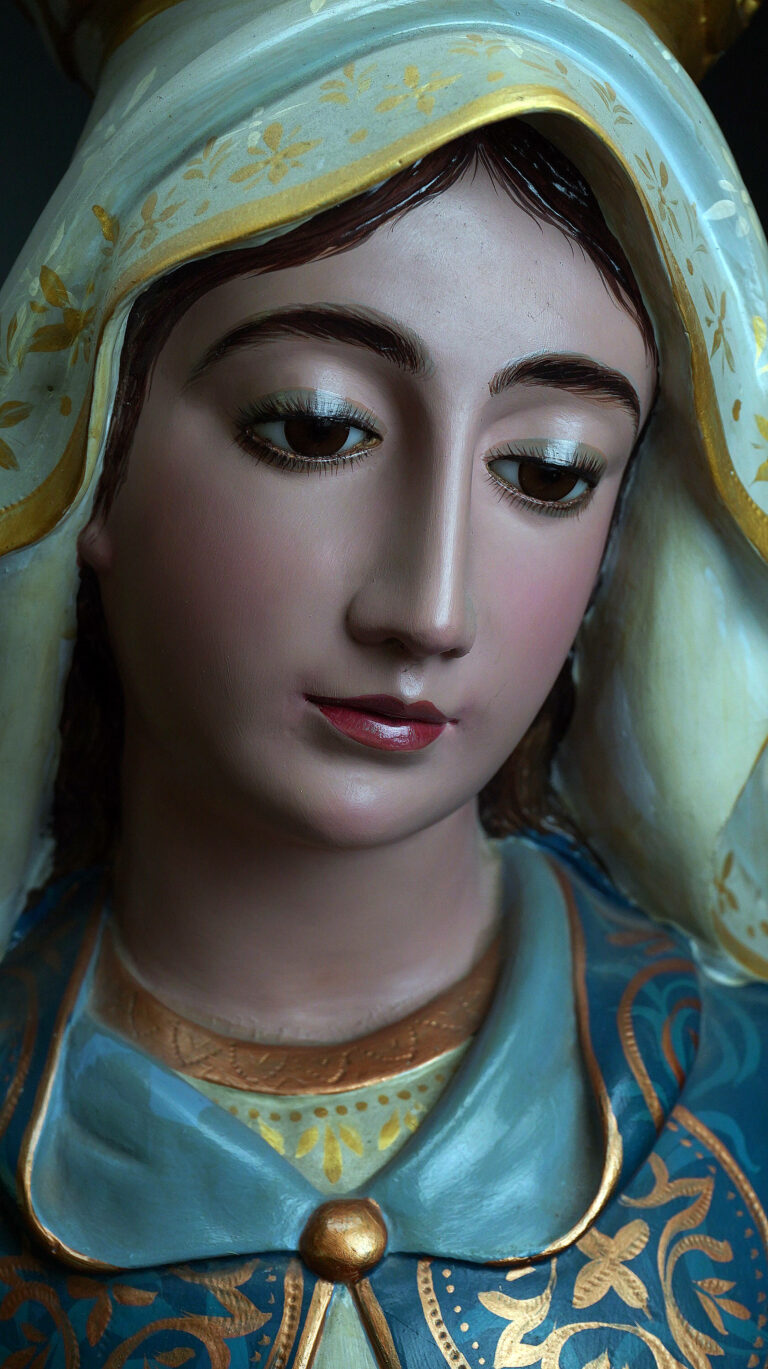
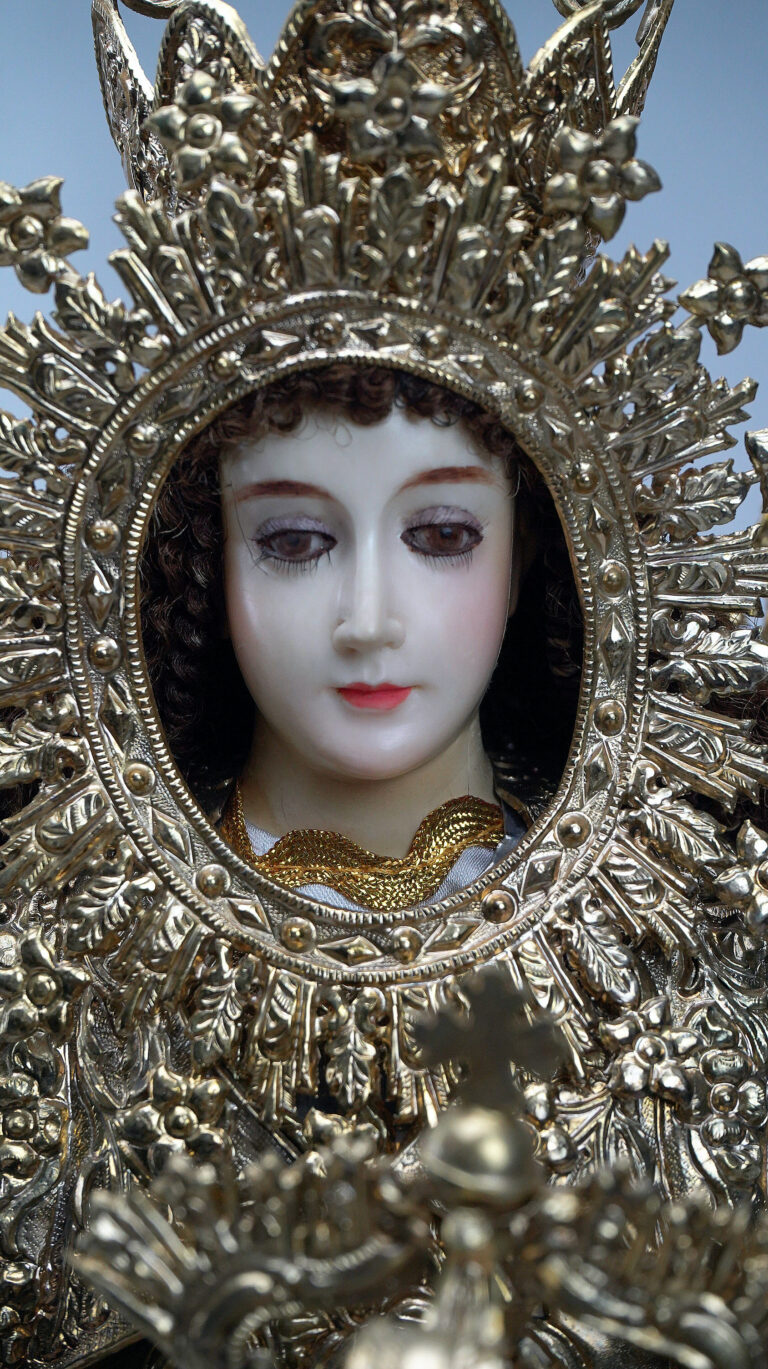
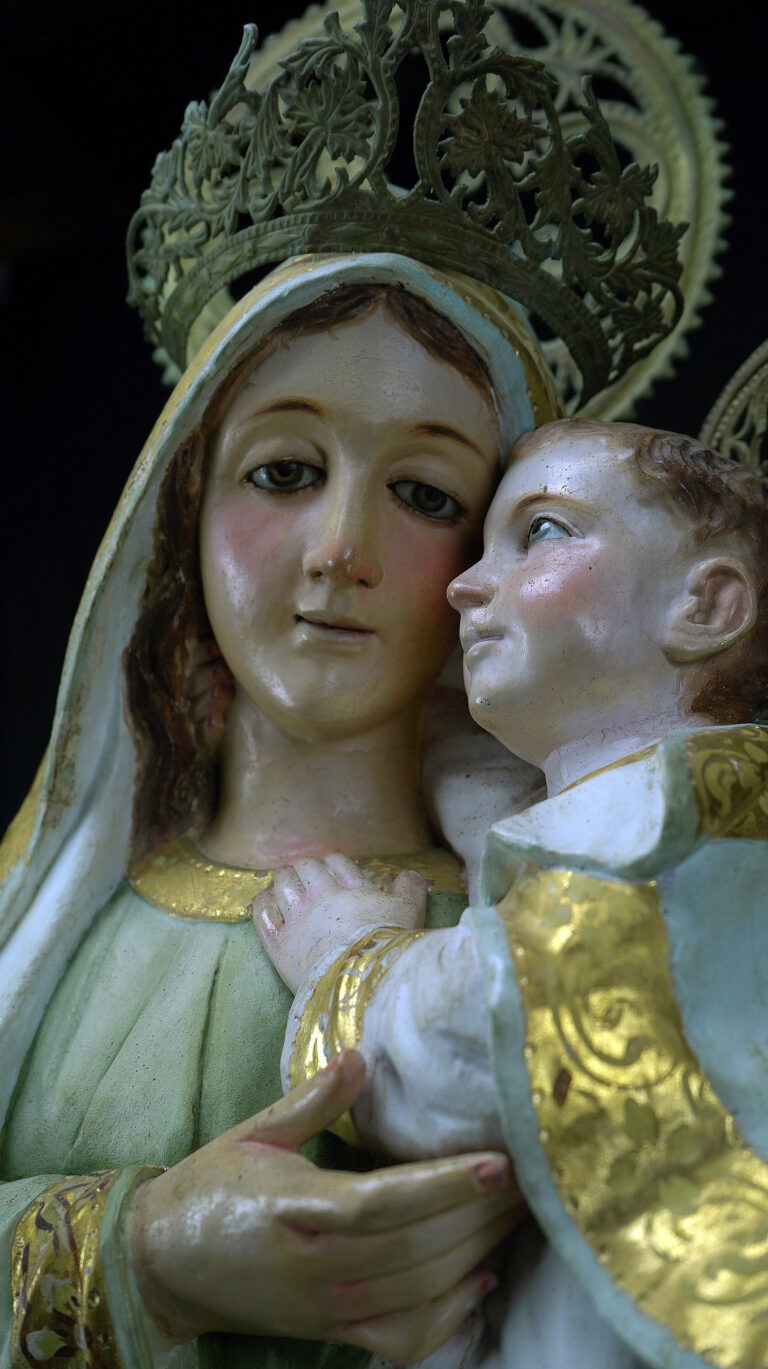
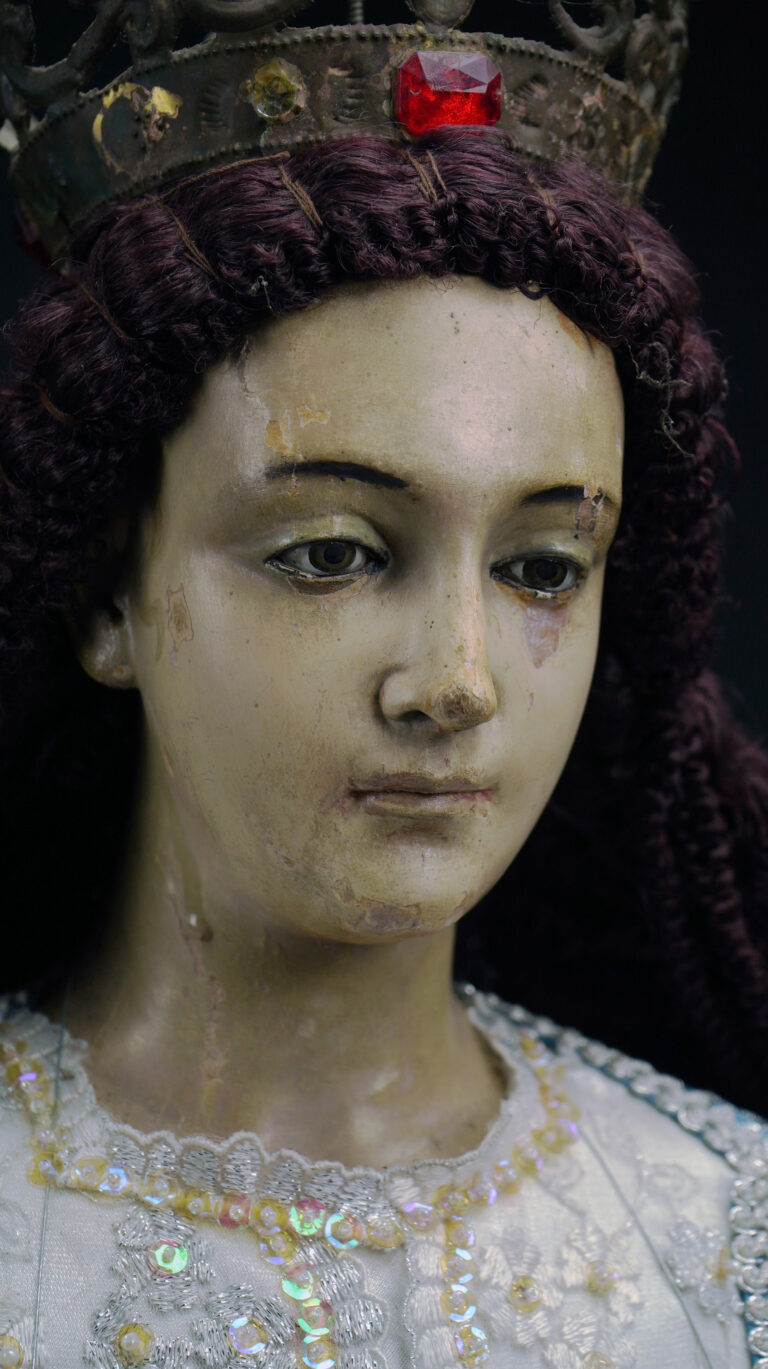
Both Patrocinio de Maria Santisima images depicts the Madonna and Child; the Blessed Virgin Mary carrying the Child Jesus in her arms. But there are two Patrocinio de Maria Santisima images in Boljoon, Cebu—one they call the “Chinita”, the other, “Mestiza”. Both beautiful. But one looks for the unique or the unusual, for beauty further augments the obvious. The chinita image, because of its chinky eyes, seemed to be winning by a margin; it is unusual that an ivory image of the Blessed Virgin, usually portrayed as mestiza, would be “monolid”. Besides, the chinita image is the older image of the two, documented as 400 years old; and thus, the original.
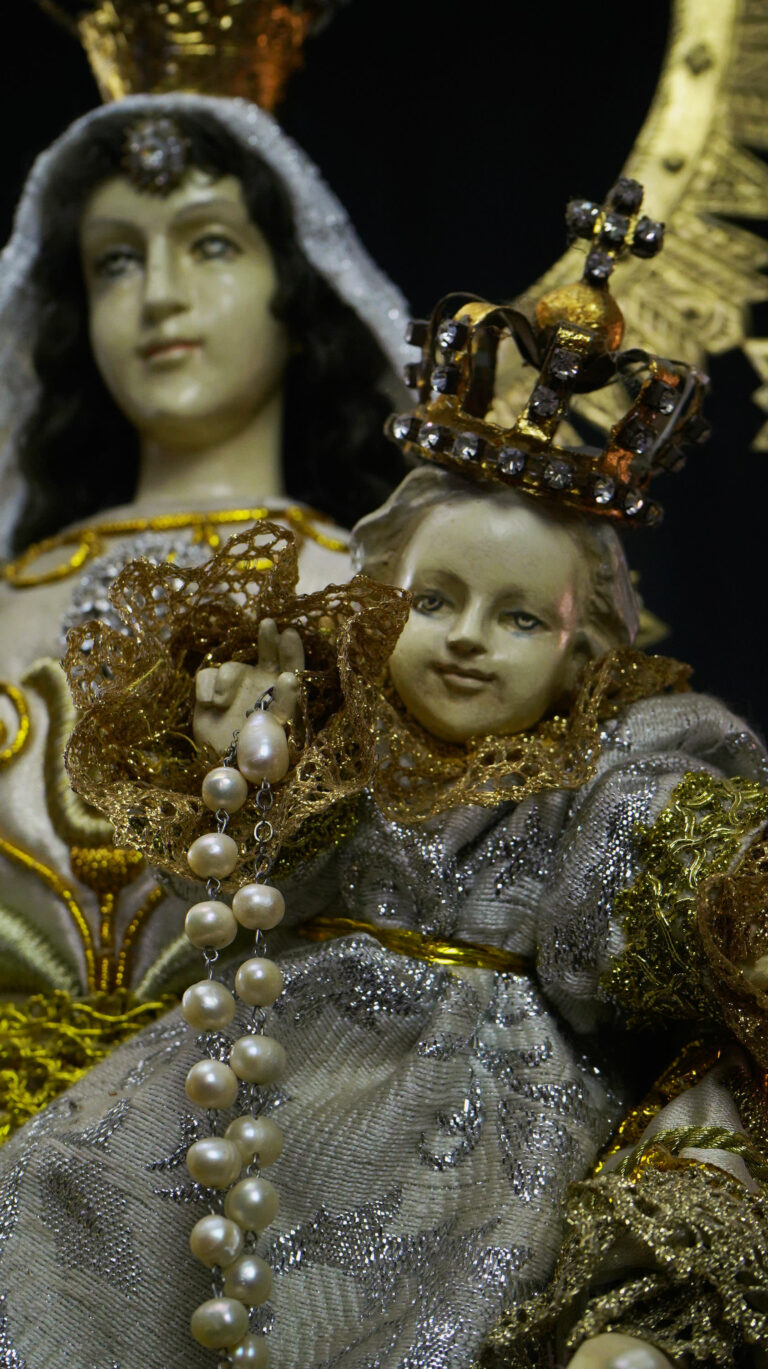
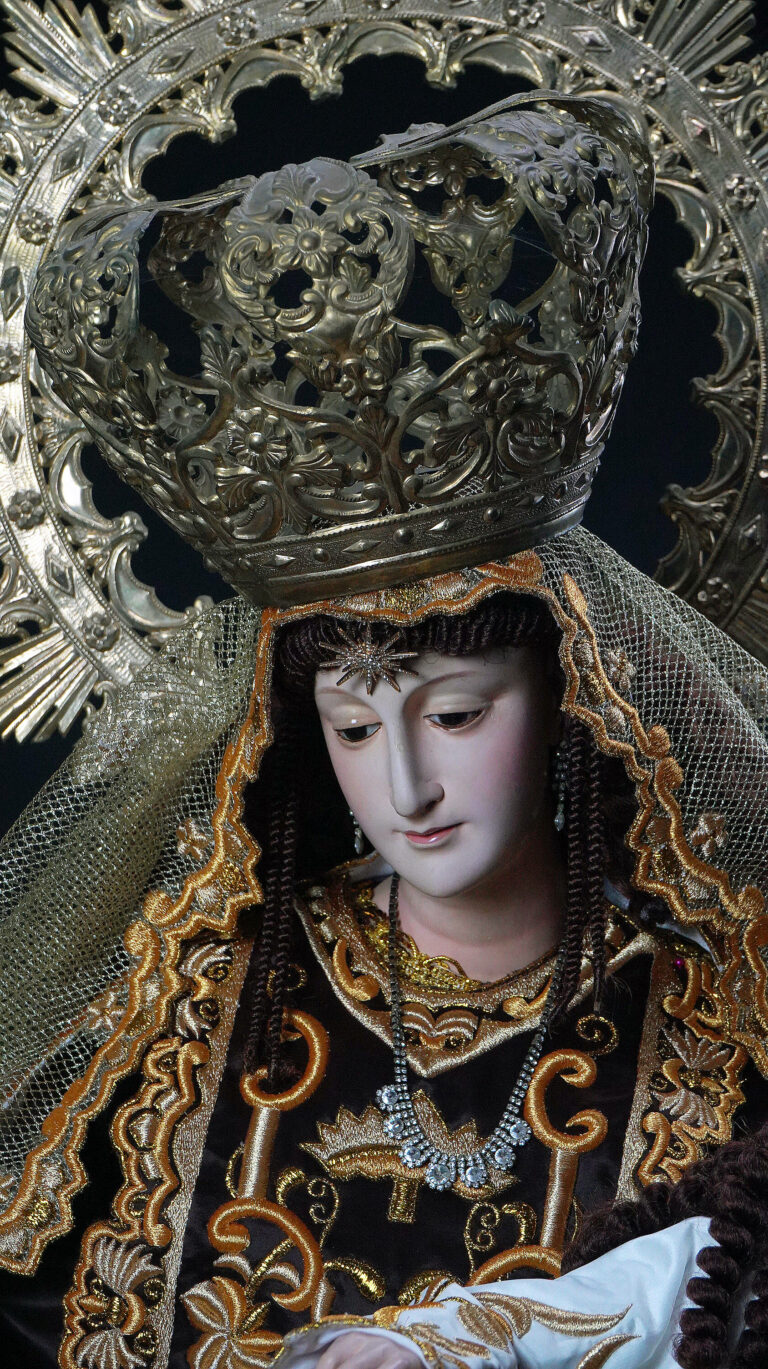
The Patrocinio de Maria Santisima – chinita image is 69 cm from head to bastador, without its detachable aureola and crown. Its head and hands are made of ivory, but the body is made of wood. So with the child in its arms; head and hands in ivory, while the body is in wood. Both are in de tallado style, with features well-detailed. The aureola (of the virgin) and the crowns are made of silver.
The title, Patrocinio de Maria, meaning the “Patronage of Mary”, in the Philippines is a Marian avocation invoked only in Boljoon, Cebu. But its feast has been celebrated in the olden times, first decreed on May 6, 1679, in Spain in commemoration of the victories obtained over the Saracens, heretics and other enemies during the reign of Philip IV in the 6th century. The feast was kept by Pope Benedict XII in the Papal States on the 3rd Sunday of November. The devotion to the Patrocinio de Maria was brought by the Augustinians to the Philippines in 1599. Today, the second Saturday of November has been allotted as the feast of Boljoon’s beloved patroness.
Augustinian Friar Bartolome de Gracia, who also brought the chinita image, from Spain, would first establish a chapel in Nabulho, from which the name “Boljoon” would be derived from. The chapel would later be elevated to a parish on October 31, 1690. Owing to a shortage of priests, the Augustinians would leave Boljoon in 1737 and transfer administration of the parish to the Jesuits. But the Augustinians would regain Boljoon in 1747 after an agreement with the Jesuits.
The church was declared as a National Historical Landmark by the National Historical Institute in 1999, and listed as a National Cultural Treasure by the National Museum of the Philippines in 2001. In November 14, 2020, the Patrocinio de Maria Santisima image was granted an episcopal coronation. On the occasion of the 500 years of Christianity in the Philippines celebration, the image was further granted a pontifical coronation on April 23, 2021.
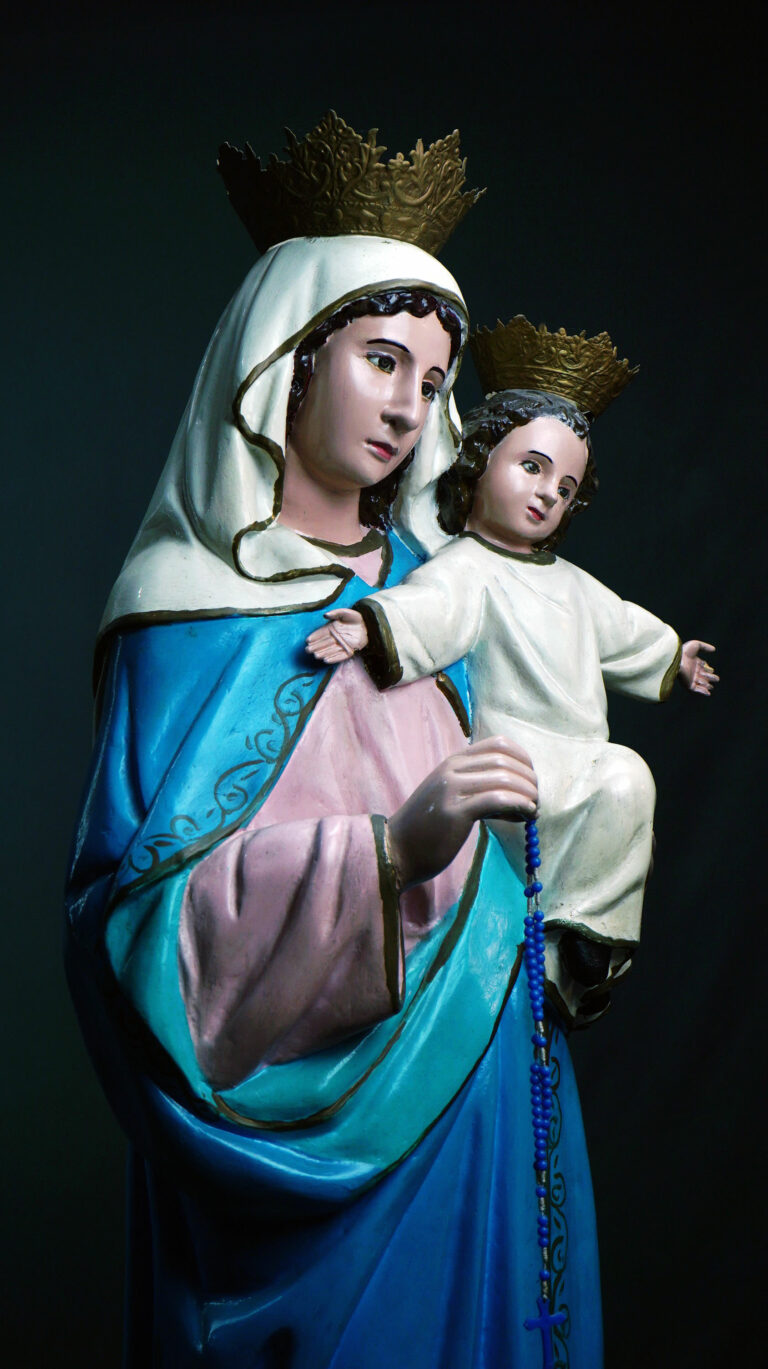
The Patrocinio de Maria Santisima image is said to be miraculous and, thus, well-loved by the people in the south of Cebu. Early on, the Boljoanons experienced her protection during a many Moro raids invading the town. “El Capitan” Fray Julian Bermejo, OSA, said to be a warrior-priest, who built the series of fortifications in the south, sought her refuge and protection when fighting back against the Moro pirates. She was said to have saved the village in 1615 when the said invaders burned the people’s homes and church. A mysterious lightning struck the invaders and forced them to flee. This account has become a legend as one of the virgin’s greatest miracles. Sickness and diseases were also healed upon her intercession.